

 プレビュー
プレビュー
 プリントを購入
 シェアする
シェアする シェアする
シェアする
 詳細を見る
詳細を見る

 ダウンロード
 似ている作品
 X線調査
X線調査 スライドショー
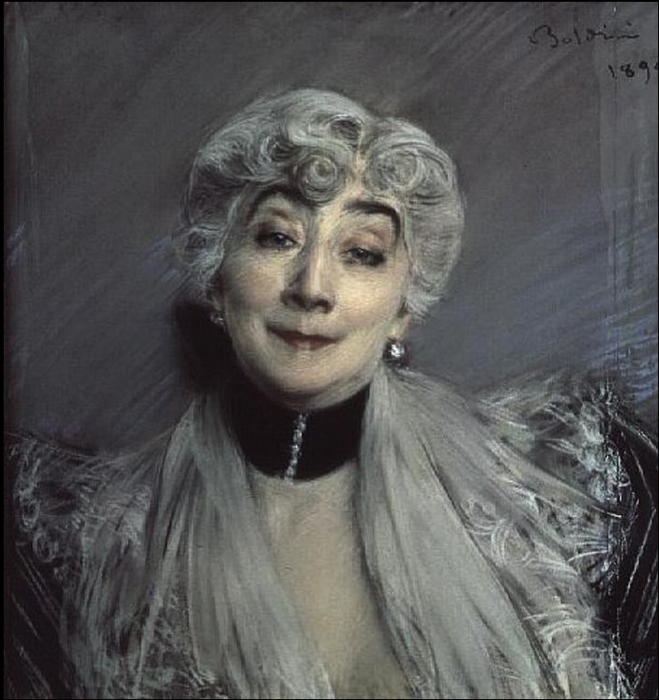
Portrait of the Countess de Martel de Janville


 詳細を見る
詳細を見る
オンラインプレビューをはるかに凌ぐ、高解像度で鮮明なデジタル画像をご購入いただけます。
各ファイルは、社内の専門家が高度なツールと熟練した手作業によるレタッチを用いて、細心の注意を払って準備されています。すべての画像において、卓越した鮮明度、正確な色彩再現性、そして繊細なディテールを保証いたします。
最終ファイルは、プロフェッショナルな編集・印刷環境ですぐにご利用いただけるよう最適化された状態で、72時間以内にメールにてお届けいたします。これは、一流のデザインスタジオ、出版社、ギャラリーから信頼されているものと同等の品質です。
デジタル画像のご注文に付随する特典
高品質なデジタル画像配信を、確かな品質で。
ArtsDot.com を選ぶことは、単に画像を手に入れることではありません。それは、プロの手によって精密に仕上げられ、満足保証が付いた高品質なデジタルアートワークを受け取ることを意味します。ご注文いただいた際に自動的に付随する内容は、以下の通りです:

メールですぐにお届け
ご注文から72時間以内に、高解像度のデジタル画像ファイルがメールでお手元に届きます。すぐにそのままご利用いただけます。

AI技術で最適化されたデジタルファイル
お客様の作品は、高度なAIツールと専門家による手作業の編集を組み合わせてプロフェッショナルに最適化されており、細部のディテール、鮮明さ、そして正確な色再現性を最大限に引き出しています。

一生涯無料の再送サービス
ファイルを誤って削除したり、紛失してしまったりしましたか?ご安心ください。いつでも無料で再送いたします。

輸入手数料は一切かかりません
関税や手数料、配送料を気にすることなく、お気に入りのアートワークをすぐにお楽しみいただけます。デジタルダウンロードは常に免税です。

色彩再現の保証
プロ仕様のツールとカラーマネジメント技術を用いることで、デジタル画像が元の色を最大限に忠実に再現することを保証いたします。

60日間満足保証
ご購入いただいたデジタル画像にご満足いただけない場合は、60日以内であれば、修正または100%の返金(理由を問う必要はありません)をさせていただきます。

100% 返金保証
ご満足いただけない場合は、デジタルファイルを受け取ってから60日以内であれば、理由を問わず全額返金いたします。

まとめ買い割引
3枚購入で10%OFF - 5枚購入で15%OFF - 10枚以上購入で20%OFF。クリエイティブなプロジェクト、ギャラリー、エージェンシーに最適です。
Portrait of the Countess de Martel de Janville – A Masterpiece of Parisian Elegance
Giovanni Boldini’s “Portrait of the Countess de Martel de Janville” (1894) stands as an emblem of Belle Époque artistic fervor and aristocratic refinement. Painted in oil on canvas, this captivating artwork captures a moment frozen in time—a glimpse into the opulent social circles of Paris during its golden age. Boldini’s signature style blends Impressionistic brushstrokes with meticulous realism, resulting in an image that radiates both beauty and subtle psychological depth. The painting's enduring appeal lies not only in its exquisite depiction but also in its ability to convey a profound sense of character and atmosphere.- Subject Matter: The portrait portrays Madame Louise Martel de Janville, a prominent Parisian socialite known for her grace and poise. Boldini skillfully rendered her face and upper torso, prioritizing expressive detail over expansive composition—a deliberate choice that draws the viewer’s gaze directly to the subject's countenance.
- Style & Technique: Boldini employed a technique characterized by layered glazes of paint, mirroring the academic realism championed by artists like William-Adolphe Bouguereau and Franz Hals. However, he infused this approach with Impressionistic sensibilities—particularly evident in the soft, diffused lighting—creating an ethereal quality that softens edges and imbues the painting with an intangible luminescence.
- Color Palette: Dominated by shades of grey, silver, and white, the color scheme reflects the restrained elegance favored during the Belle Époque. Subtle hints of darker tones – primarily in the background – contribute to a sense of depth and dimensionality without overwhelming the central figure.
- Historical Context: Created at the cusp of the 20th century, “Portrait of the Countess de Janville” embodies the artistic spirit of its time—a period marked by fascination with beauty, celebrity culture, and the pursuit of idealized forms. Boldini’s work aligns perfectly with the broader trend toward capturing psychological nuance alongside visual splendor.
- Symbolism: The muted color palette and contemplative gaze of Madame Martel de Janville speak to themes of dignity, age, and perhaps a hint of melancholy—a poignant reflection of the complexities inherent in human experience. Boldini’s masterful use of light and shadow further enhances this symbolic resonance, conveying an unspoken narrative that transcends mere visual representation.
Detailed Examination: Impressionistic Brushwork & Texture
Boldini's meticulous attention to texture is immediately apparent upon close inspection. Visible brushstrokes—particularly prominent in the depiction of Madame Martel’s hair and drapery—create a layered effect that adds considerable richness to the painting’s surface. These marks aren’t merely decorative; they serve as conduits for conveying the artist’s tactile perception of his subject matter, mirroring the Macchiaioli's commitment to capturing spontaneous impressions. The artist skillfully blended thin glazes of paint to build up tone and luminosity—a technique that exemplifies academic realism infused with Impressionistic innovation.Materials & Craftsmanship: Oil Paint on Canvas – A Legacy of Artistic Tradition
The artwork utilizes oil paints on canvas—a medium favored by Boldini throughout his prolific career. This choice underscores the enduring influence of artistic conventions established centuries earlier, demonstrating Boldini’s respect for established techniques while simultaneously pushing boundaries toward a more expressive style. The canvas itself provides an ideal surface for capturing subtle variations in color and texture—facilitating Boldini's ability to achieve remarkable visual fidelity.Beyond Aesthetics: Capturing Essence & Emotion
Ultimately, “Portrait of the Countess de Martel de Janville” transcends mere visual beauty; it succeeds in conveying a profound sense of character and emotion. Boldini’s masterful composition—centered on Madame Martel's face—draws the viewer into her inner world, inviting contemplation and fostering an appreciation for the subtleties of human psychology. The painting remains a testament to Boldini’s artistic vision—a timeless masterpiece that continues to inspire admiration and scholarly inquiry.関連作品
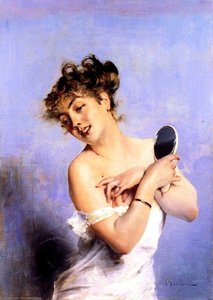
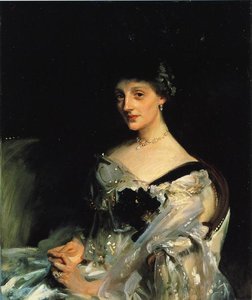
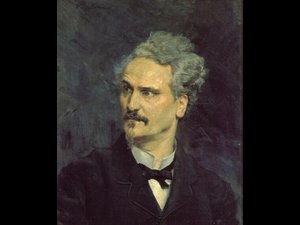

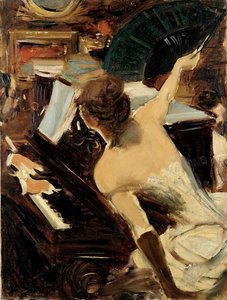
作家の略歴
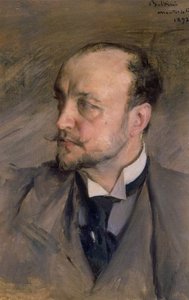
華麗なる時代の肖像画家、ジョヴァンニ・ボルディーニ
1842年12月31日、イタリアのフェラーラに生まれたジョヴァンニ・ボルディーニは、ベル・エポックの優雅さと魅力を体現する芸術家として、パリ社交界で名声を得た肖像画家です。彼の芸術への道は、宗教画を専門とする父の指導のもとから始まりました。幼少期からの教育は彼に技術と構図の基礎を築かせましたが、1862年にフィレンツェに移ったことが、彼の創造性を真に刺激しました。そこで彼は、光、色彩、そして即興的な表現を重視し、印象派の先駆けとなったイタリアの写実主義画家集団「マッキアイオーリ」に出会います。この出会いは画期的な転換点となり、ボルディーニの風景画に新たな活力と自然への感受性を吹き込みました。しかし、彼が永続的な名声を得ることになったのは、被写体の本質を捉えた肖像画を描くことでした。フィレンツェからパリ社交界へ
ボルディーニの芸術的キャリアはまずロンドンへと進み、そこでレディ・ホランドやウェストミンスター公爵夫人の肖像画で早くも認められました。この初期の成功が、1872年に彼を「故郷」そして「ミューズ」となるパリへの移住へと導きます。パリにおいてボルディーニは芸術界に没頭し、エドガー・ドガと親交を結び、フランス首都の複雑な社会情勢を巧みに航海しました。彼は流動性、ダイナミズム、そして劇場的な表現力を特徴とする独自のスタイルを確立しました。彼の筆致は単なる描写にとどまらず、被写体の動き、個性、そして周囲の空気までも捉えているようでした。この類まれなアプローチが、1933年に彼に「スウィッシュの巨匠」という異名をもたらし、彼の作品に浸透する優雅なエネルギーを称えました。彼はパリ社交界の肖像画家として確固たる地位を築き、女優、社交界の名士、そして貴族たちの華麗な生活を永遠に残しました。技法と影響
ボルディーニの技法は、彼が描いた人物たちと同じくらい魅惑的でした。彼のキャンバスはしばしば大規模で、被写体の威厳と存在感を強調していました。彼は自由奔放な筆致を用い、色彩を重ねてテクスチャと奥行きを生み出しました。この手法に加えて、細部への鋭い観察眼と、つかの間の表情を捉える能力が組み合わさり、驚くほど写実的でありながら、否定できない風格を持つ肖像画が生み出されました。マッキアイオーリの光と即興性を重視する影響を受けつつも、ボルディーニはジョン・シンガー・サージェントやポール・エルウのような芸術家からもインスピレーションを得ました。彼らのダイナミックな筆致が彼の芸術的感性に共鳴したのです。彼は単に似姿を再現しているのではなく、印象—人物の性格と社会的地位を鮮やかに表現する作品を生み出していました。彼の肖像画は単なるイメージではなく、ステートメントでした。遺産と再発見
ボルディーニはキャリアを通じて広く展示会に出品し、1895年、1903年、1905年、そして1912年のヴェネツィア・ビエンナーレにも参加しました。彼は芸術への貢献によりレジオン・ドヌール勲章を受章し、パリの美術界における彼の地位を確固たるものとしました。しかし、人生の終盤には、ボルディーニの人気は衰え始めました。彼は絵を描き続けましたが、彼の作品はしばらくの間忘れ去られていました。近年になって失われた作品が再発見され、2010年にパリのアパートでひっそりと隠されていたマルテ・ド・フロリアンの肖像画が見つかったこともあり、ボルディーニの芸術に対する関心が高まっています。この絵画を取り巻く物語—数十年間人知れず秘められていた宝物—は、芸術家と被写体両方にまつわる神秘性をさらに深めています。永続的な印象
ジョヴァンニ・ボルディーニは1931年1月11日にパリで亡くなり、彼の時代において最もファッショナブルで革新的な肖像画家のひとりとしての遺産を残しました。彼の作品は今もなお芸術家や芸術愛好家たちにインスピレーションを与え続け、かつての優雅さ、洗練された雰囲気、そして芸術的才能の一端を垣間見せてくれます。彼は単に社会を記録しているのではなく、その美しさ、エネルギー、そして時代を超越する魅力をキャンバスに描き出していました。ボルディーニの肖像画は、彼の技術、ビジョン、そして絵を描く行為を魅力的なパフォーマンスへと変貌させる能力の強力な証となっています。- ボルディーニの影響は現代の肖像画にも見られます。
- 彼の作品は世界中の主要な美術館に展示されています。
- 失われた作品の再発見が、学術的な関心を高め続けています。
ジョヴァンニ・ボルディーニ
1842 - 1931
プロフィール概要
- Artistic Movement Or Style: 印象派
- Artists Or Movements Influenced By This Artist: ['ジョン・シンガー・サージェント']
- Artists Who Influenced This Artist: ['マッキアイオーリ画家たち']
- Date Of Birth: 1842年12月31日
- Date Of Death: 1931年7月11日
- Full Name: ジョヴァンニ・ボルドーニ
- Nationality: イタリア人
- Notable Artworks (List Of Titles):
- ラスティ伯爵夫人
- マールリの機械
- Place Of Birth (City And Country): イタリア、フェラーラ

