

 シェアする
シェアする シェアする
シェアする
 詳細を見る
詳細を見る

 ダウンロード
 似ている作品
 スライドショー
 統計情報
統計情報Miracle of the Relic of the Holy Cross in Campo San Lio
 Fresco
- Renaissance
 1494
1494- Renaissance
 318.0 x 458.0 cm
 Gallerie dell’Accademia
 詳細を見る
詳細を見る
手描き油彩複製画
当社のアーティストが、お客様のご希望のサイズと額縁に合わせて、キャンバスに手描きで制作する油彩画です。 ( プリント版に切り替え デジタル画像販売へ切り替え)




































作品のオリジナル比率に合わせた、当店の規定サイズからお選びください。

特定のフレームやスペースに合わせて、ご希望のサイズをご入力いただけます。選択されたサイズが元の画像の比率と異なる場合、アートワークをトリミングするか、手描きで要素を追加して絵画を拡張いたします。デジタルモックアップ を制作し、制作開始前にご確認(承認)をいただきます。
画面上のプレビューは、実際のトリミングや拡張を正確に反映しているものではありません。最終的な構図は、モックアップによってのみ正確にご確認いただけます。
カスタムサイズもご利用いただけますが、元の比率を維持するためには、あらかじめ用意されたリストからサイズを選択することをお勧めいたします。
ご注文後、ArtsDot.com チームより詳細な指示をお送りするとともに、仕上がりイメージ(モックアップ)をご提供いたします。


 ガラスオプションは、110cm未満のサイズでのみご利用いただけます。

Miracle of the Relic of the Holy Cross in Campo San Lio
複製技法
複製画のサイズ
-


合計金額
$ 263
A Divine Encounter in Venetian Grandeur
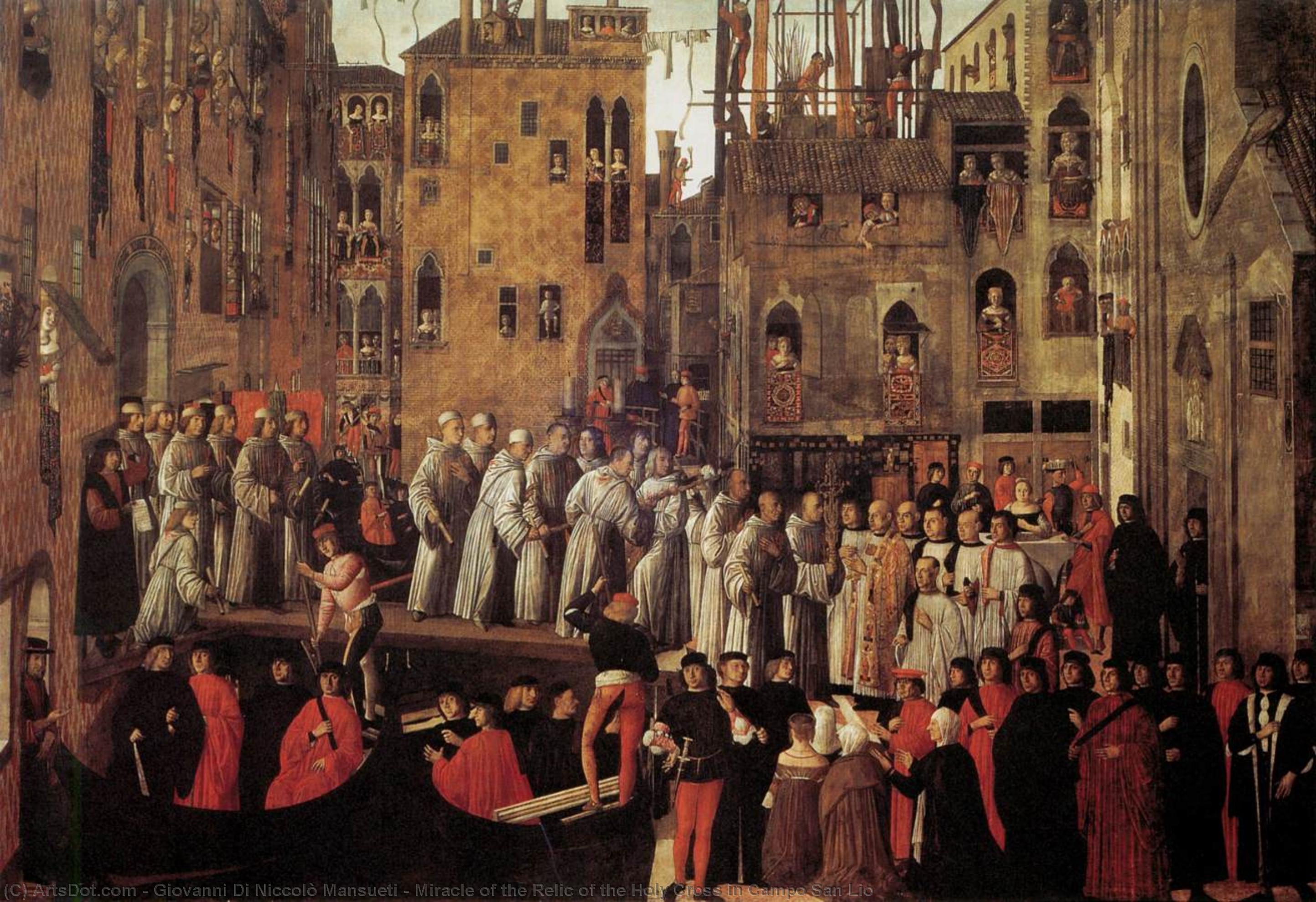
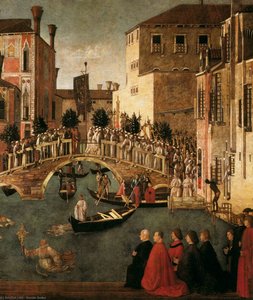
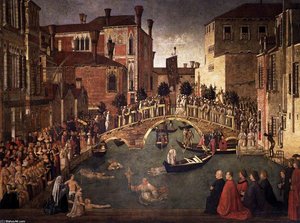
In the heart of Venice, within the sacred atmosphere of Campo San Lio, lies a masterpiece that transcends the boundaries of mere paint and plaster. Miracle of the Relic of the Holy Cross in Campo San Lio, a breathtaking fresco by the Venetian master Giovanni di Niccolò Mansueti, serves as a window into a period of profound spiritual fervor and artistic transition. The scene unfolds with a cinematic scale, capturing a moment where the earthly and the divine collide. At the center of this grand composition, a figure holds the sacred cross aloft, acting as a beacon for the gathered multitude. The fresco is not merely a depiction of a religious event; it is a choreographed dance of light, shadow, and human emotion that draws the viewer into the very pulse of 15th-century Venetian devotion.
The composition is a masterclass in narrative complexity, populated by a diverse assembly of souls. One can almost hear the rustle of heavy fabrics and the hushed whispers of the crowd as they congregate around the miraculous relic. Mansueti skillfully weaves together different social strata, from the imposing presence of knights and soldiers clad in striking crimson attire to the humble, ethereal figures of monks and priests draped in pristine white robes. This juxtaposition creates a rhythmic visual flow, guiding the eye through the bustling outdoor setting toward the architectural grandeur of the background. The artist utilizes the vastness of the fresco to create depth, making the viewer feel as though they are standing amidst the procession, witnessing history unfold in real-time.
The Legacy of the Venetian Renaissance
To understand the technical brilliance of this work, one must look to Mansueti’s lineage. As a pupil of the legendary Gentile Bellini, Mansueti inherited a profound respect for meticulous observation and the luminous quality of light that defines the Venetian school. While his style retains an antique charm reminiscent of the Proto-Renaissance masters like Cimabue, there is an undeniable sophistication in how he handles form and color. The use of rich, saturated pigments—particularly the deep reds and brilliant whites—serves to heighten the dramatic tension of the miracle. His technique allows for a soft, atmospheric perspective that gives the buildings in the distance a sense of permanence and weight, grounding the supernatural event in a tangible, historical reality.
For the discerning collector or interior designer, this artwork offers more than just aesthetic beauty; it provides a profound sense of narrative gravity. A high-quality reproduction of this fresco brings with it an air of classical sophistication and intellectual depth. The piece functions as a powerful focal point in any curated space, evoking themes of faith, resilience, and the enduring power of tradition. Whether placed in a grand hall or a contemplative study, the Miracle of the Relic of the Holy Cross invites conversation and reflection, serving as a timeless testament to the era when art was the primary vessel for the human spirit's most sacred aspirations.
関連作品
アーティストの略歴
The Enigmatic Legacy of Giovanni di Niccolò Mansueti
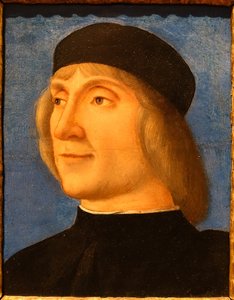
Within the golden age of the Venetian Renaissance, certain names flicker like candlelight in a vast cathedral—present, profound, yet partially obscured by the shadows of time. Giovanni di Niccolò Mansueti (c. 1465 – 1527) is precisely such a figure. A master whose brush captured the spiritual essence of Venice, Mansueti operated in an era of immense transition, where the rigid structures of the Middle Ages were yielding to the luminous humanism of the Renaissance. While biographical details regarding his early life remain sparse, his artistic identity is indelibly linked to the Venetian tradition, a lineage defined by color, light, and a profound devotion to sacred narrative.
The foundations of Mansueti’s artistry were laid under the watchful eye of Gentile Bellini, the titan of Venetian painting. From Bellini, Mansueti inherited more than just technical proficiency; he absorbed a specific way of seeing the world—a commitment to disegno and a mastery of glazing techniques that allowed light to permeate the layers of oil paint. This training instilled in him a reverence for classical ideals and an ability to render the divine through meticulous observation. While his contemporaries in Florence were racing toward a bold, muscular naturalism, Mansueti remained a steadfast guardian of the antique style, favoring a serene, idealized beauty that echoed the works of earlier masters like Cimabue and Carpaccio.
A Mastery of Sacred Narrative and Symbolism
To encounter a work by Mansueti is to enter a space of quiet contemplation. His compositions are rarely mere illustrations of scripture; rather, they are carefully constructed theological meditations. He possessed a singular ability to weave complex religious symbolism into the very fabric of his landscapes and figures. In his celebrated depictions of miracles, such as the Miracle of the Relic of the Holy Cross in Campo San Lio, the artist utilizes subtle tonal gradations to elevate the mundane into the miraculous, guiding the viewer's eye through a landscape of profound spiritual significance.
His technical repertoire was characterized by several defining elements:
- Luminous Glazing: The use of thin, transparent layers of pigment to create an ethereal glow that seems to emanate from within the canvas.
- Devotional Precision: A meticulous approach to detail in religious iconography, ensuring that every saintly attribute and sacred object was rendered with clarity and reverence.
- Classical Serenity: An aesthetic preference for balanced, harmonious compositions that evoke a sense of eternal peace rather than dramatic tension.
In masterpieces such as the Adoration of the Kings, Mansueti captures moments of profound human devotion, blending the majesty of the royal visitors with a tender, intimate atmosphere. His work often serves as a bridge between the monumental scale of the High Renaissance and the delicate, ornamental beauty of the Venetian Quattrocento.
Historical Significance and Artistic Resonance
Though the passage of centuries has rendered much of his personal history lost to us, the historical significance of Giovanni di Niccolò Mansueti remains undeniable. He represents a vital link in the evolution of Venetian art, embodying the transition from the decorative traditions of the late 15th century to the more complex, atmospheric explorations of the 16th century. His refusal to abandon the antique style in favor of fleeting trends allowed him to create works that possess a timeless, almost otherworldly quality.
Today, Mansueti’s oeuvre stands as a testament to the enduring power of the Venetian school. His ability to evoke the divine through symbolic representation—as seen in his powerful interpretations of the Crucifixion—continues to captivate scholars and art lovers alike. He remains a master of the sacred, an artist who found the infinite within the details of the finite, leaving behind a legacy of light, faith, and unparalleled Venetian grace.
giovanni di niccolò mansueti
1465 - 1527 , Italy
基本情報
- Artistic Movement Or Style: Antique Style
- Artists Or Movements Influenced By This Artist: ['Cima da Conegliano']
- Artists Who Influenced This Artist: ['Gentile Bellini']
- Date Of Birth: c. 1465
- Date Of Death: March 26, 1527
- Full Name: Giovanni di Niccolò Mansueti
- Nationality: Italian
- Notable Artworks:
- Miracles of the Cross
- St Jerome in the Desert (detail)
- The Miraculous Healing of the Daughter of Benvegnudo
- Place Of Birth: Venice, Italy
関連記事

The Enduring Legacy of Fresco Painting: Techniques, History & Contemporary Relevance
Explore the rich history & enduring artistry of fresco painting – from Giotto to Michelangelo! Discover techniques, conservation efforts, & modern applications. Learn how ArtsDot brings this timeless art form to your home.

家族の遺産を壁画で彩る:伝統技法が紡ぐ、時を超越する美と記憶
古代から現代までの壁画の歴史と技法を解説。日本の壁画文化やカスタムオーダーによる家族の遺産表現、保存・修復技術まで網羅。専門家が時を超越する美と記憶を紡ぐ芸術的価値をご案内します。

Art That Lives With You: The Emotional Power of a Custom Interior Fresco
Discover the emotional power & timeless beauty of custom interior frescoes. Explore history, design tips & expert guidance from – creating lasting legacies.
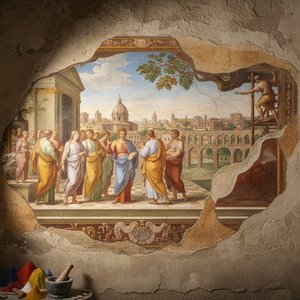
The Enduring Legacy of Fresco: Technique, History & Artistic Expression
Explore the rich history & enduring artistry of fresco painting. Discover techniques from Giotto to Michelangelo, conservation efforts, & modern applications. Learn how ArtsDot brings this timeless art form to your home.

The Enduring Legacy of Fresco: Technique, History & Artistic Expression Across Cultures
Explore the rich history & enduring legacy of fresco painting! Discover ancient techniques, Giotto's masterpieces, and modern applications. Expert insights for art lovers & professionals.