

 プレビュー
プレビュー
 シェアする
シェアする シェアする
シェアする
 詳細を見る
詳細を見る

 ダウンロード
 似ている作品
 X線調査
X線調査 スライドショー
 統計情報
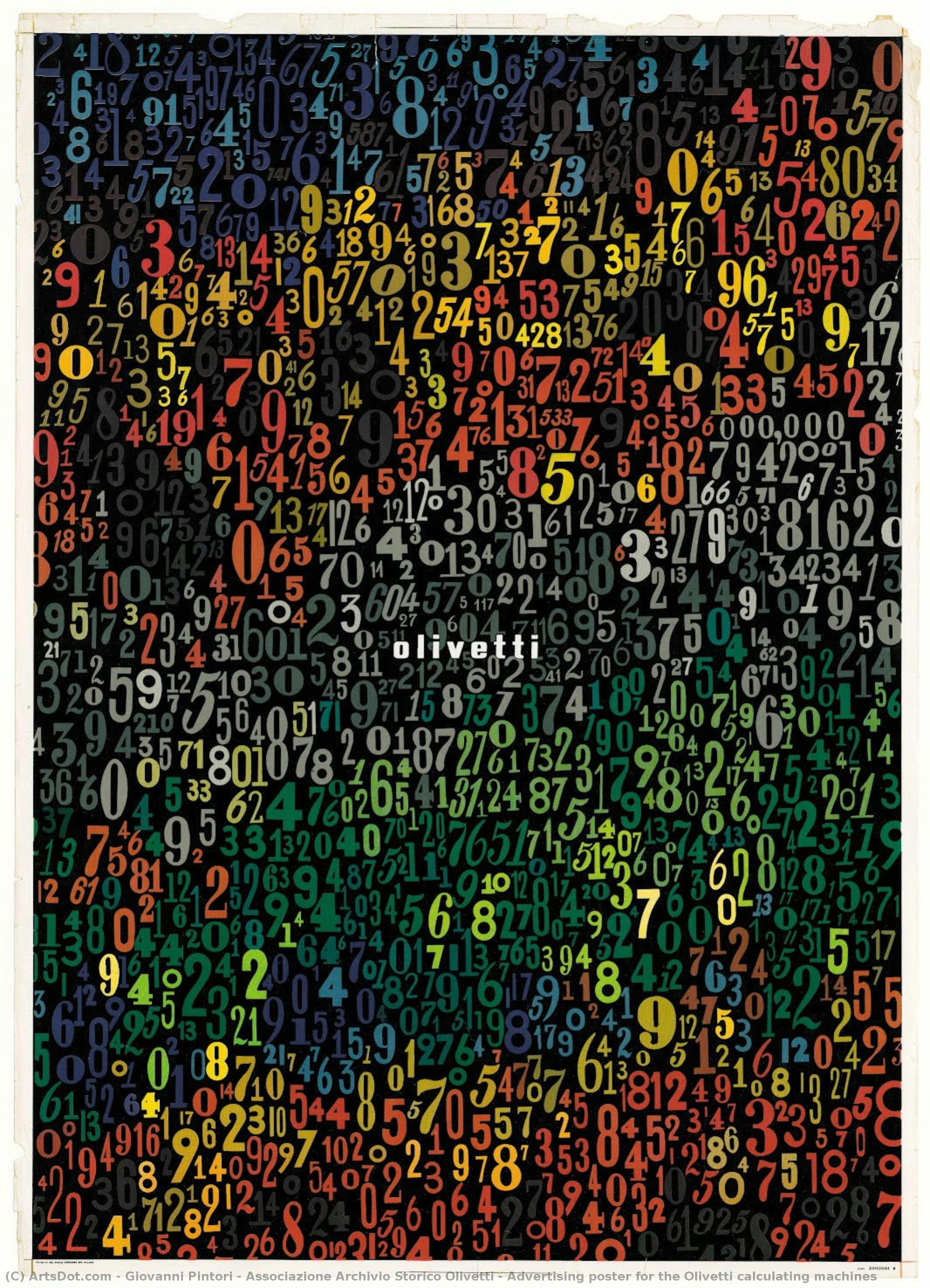
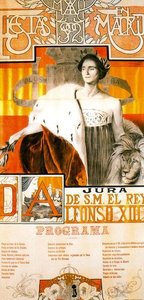
統計情報Associazione Archivio Storico Olivetti - Advertising poster for the Olivetti calculating machines


 詳細を見る
詳細を見る
手描き油彩複製画
当社のアーティストが、お客様のご希望のサイズと額縁に合わせて、キャンバスに手描きで制作する油彩画です。 ( プリント版に切り替え デジタル画像販売へ切り替え)




































作品のオリジナル比率に合わせた、当店の規定サイズからお選びください。

特定のフレームやスペースに合わせて、ご希望のサイズをご入力いただけます。選択されたサイズが元の画像の比率と異なる場合、アートワークをトリミングするか、手描きで要素を追加して絵画を拡張いたします。デジタルモックアップ を制作し、制作開始前にご確認(承認)をいただきます。
画面上のプレビューは、実際のトリミングや拡張を正確に反映しているものではありません。最終的な構図は、モックアップによってのみ正確にご確認いただけます。
カスタムサイズもご利用いただけますが、元の比率を維持するためには、あらかじめ用意されたリストからサイズを選択することをお勧めいたします。
ご注文後、ArtsDot.com チームより詳細な指示をお送りするとともに、仕上がりイメージ(モックアップ)をご提供いたします。


 ガラスオプションは、110cm未満のサイズでのみご利用いただけます。

Associazione Archivio Storico Olivetti - Advertising poster for the Olivetti calculating machines
複製技法
複製画のサイズ
-


合計金額
$ 263
関連作品


アーティストの略歴
Jackson Pollock: A Revolutionary of American Abstraction
Born in Cody, Wyoming, in 1912, Paul Jackson Pollock – as he was initially known – emerged from a transient childhood marked by frequent moves across the American West and Southwest. His family’s itinerant existence, rooted in Scotch-Irish heritage and shaped by his father's experiences in South Africa and later as a grain buyer, instilled within him a restless spirit and an acute awareness of movement and change. This early life, characterized by both instability and a deep connection to the land, would profoundly influence his artistic vision, shaping a career dedicated to capturing the dynamism of experience rather than representing fixed realities.
Pollock’s formal art training was limited; he briefly attended Manual Arts High School in Los Angeles but quickly abandoned traditional academic pursuits. It wasn't until the late 1940s that his distinctive style began to coalesce, fueled by a growing dissatisfaction with conventional painting and a desire to break free from representational constraints. Influenced by Surrealism’s emphasis on the subconscious and the burgeoning Abstract Expressionist movement in New York, Pollock developed his revolutionary “drip” technique – a method of applying paint directly onto canvases laid flat, often using sticks, brushes, and even his own body as instruments. This process, initially met with skepticism, became synonymous with his name and fundamentally altered the course of American art.
The Birth of Action Painting
Pollock’s approach to painting was radically different from anything that had come before. He eschewed meticulous planning and precise brushwork, instead embracing spontaneity and chance as integral components of the creative process. His canvases became vast fields of color, layered with seemingly random drips, splatters, and pools – a visual record of his physical engagement with the artwork. This “action painting,” as it was often described, wasn’t about creating a specific image but rather about conveying an emotional state or capturing the energy of the moment. Critics initially struggled to understand this approach, dismissing it as chaotic and lacking in control, yet it quickly gained recognition for its raw intensity and unprecedented freedom.
Key works from this period include “Number 1, 1950” (MoMA), a monumental canvas dominated by layers of black and gray paint, and “Mural,” created for the Dunlop Tire Company headquarters in Greenwich Village. These paintings demonstrate Pollock’s mastery of scale and his willingness to push the boundaries of traditional painting techniques. The drip technique wasn't simply about applying paint; it was about channeling energy, releasing inhibitions, and allowing the subconscious to guide the hand.
Collaboration and Influence
Pollock’s life was marked by both artistic success and personal struggles. He married Lee Krasner in 1945, a fellow Abstract Expressionist who became his champion and confidante. Krasner played a crucial role in supporting his career and providing critical feedback on his work. However, Pollock battled with alcoholism throughout much of his adult life, a condition that ultimately contributed to his untimely death in 1956 at the age of 44.
Despite his short career, Pollock’s impact on the art world is immeasurable. He paved the way for subsequent generations of abstract artists and profoundly influenced movements such as Pop Art and Minimalism. His emphasis on process over product, his rejection of traditional artistic conventions, and his willingness to embrace chance and spontaneity continue to resonate with artists today. His work remains a powerful testament to the transformative potential of art and the enduring legacy of an artist who dared to redefine the very nature of painting.
Major Works and Techniques
Pollock’s oeuvre is characterized by a remarkable diversity of styles and approaches, though certain recurring themes and techniques are consistently present. His “drip paintings,” as mentioned previously, remain his most iconic works. These canvases often feature large areas of color applied with minimal brushwork, creating a sense of depth and movement. He also experimented with various media, including silkscreen printing and etching, further expanding the possibilities of artistic expression.
- “Blue Poles” (1952): A large-scale canvas dominated by vibrant blue hues, this work exemplifies Pollock’s use of color to evoke emotion and capture a sense of dynamism. It was initially met with controversy but later became one of his most celebrated paintings.
- “Mural” (1950): Created for the Dunlop Tire Company headquarters, this monumental painting showcases Pollock’s ability to work on a large scale and his willingness to experiment with different techniques. The mural's complex layering of colors and textures reflects the energy and chaos of the artist’s creative process.
- Silkscreen Prints: In the late 1940s, Pollock began experimenting with silkscreen printing, creating images based on his drip paintings. This technique allowed him to explore new ways of manipulating color and texture, while also challenging traditional notions of authorship and originality.
Historical Significance
Jackson Pollock’s rise to prominence in the mid-20th century coincided with a period of profound social and cultural change. His work reflected the anxieties and uncertainties of the postwar era, as well as the growing desire for individual expression and artistic freedom. He challenged established conventions and pushed the boundaries of what was considered “art,” ultimately redefining the role of the artist in society. Pollock’s legacy extends far beyond his own lifetime, continuing to inspire artists and viewers alike with his bold vision and unwavering commitment to innovation.
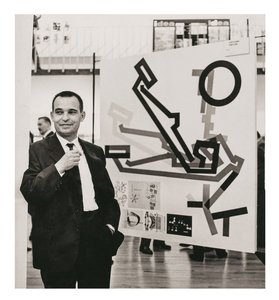
giovanni pintori
1912 - 1999 , Italy
基本情報
- Artistic Movement Or Style: Abstract Expressionism, Action painting
- Artists Or Movements Influenced By This Artist: ['Lee Krasner']
- Artists Who Influenced This Artist: ['Edward Gordon Craig']
- Date Of Birth: January 28, 1912
- Date Of Death: August 11, 1956
- Full Name: Paul Jackson Pollock
- Nationality: American
- Notable Artworks:
- Blue Poles
- Mural
- Place Of Birth: Cody, Wyoming, USA
関連記事
ArtsDot.com F.A.Q.: ポスタープリントの耐久性、キャンバスとの比較、そしてエリートコレクターのためのサイズ選択について
ArtsDot.comがエリートコレクター向けに、ポスタープリントの耐久性、キャンバスとの比較、最適なサイズ選択について解説。高品質なアート作品を安心してコレクションするための情報をご提供します。
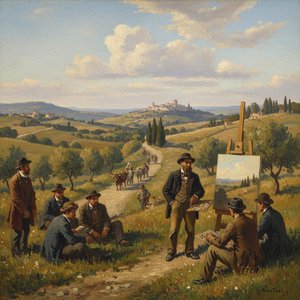
Giovanni Fattori: Realism, Identity & the Tuscan Landscape – A Macchiaioli Master
Explore the life & art of Giovanni Fattori, a leading figure of the Macchiaioli movement. Discover his revolutionary realism, captivating Tuscan landscapes, and lasting impact on Italian painting. Learn more at ArtsDot.

デジタル時代のデータプライバシーと芸術表現:同意のキャンバスを探求する
デジタル時代のデータプライバシーと芸術表現の交差点を深く探求。AI生成アートの倫理、Cosmopediaプロジェクトによるデータ主権の試み、そして同意を基盤とした新たな美的可能性について考察します。
Giovanni Giacometti: Sculpting Existentialism – A Study of Form, Space, and the Human Condition
Explore the profound artistic journey of Giovanni Giacometti, father to Alberto. Discover his unique transition from Surrealism to Existentialist sculpture and painting – a compelling study for elite collectors and art enthusiasts.
Mario Sironi: A Poetic of Modern Italian Identity Through Symbolism & Social Commentary
Explore the profound works of Mario Sironi, a key figure in Italian Modernism. Discover his evolution from Futurism to Metaphysical painting and his powerful social commentary. Learn about his legacy at ArtsDot.