

 プレビュー
プレビュー
 シェアする
シェアする シェアする
シェアする
 詳細を見る
詳細を見る

 ダウンロード
 似ている作品
 X線調査
X線調査 スライドショー
 統計情報
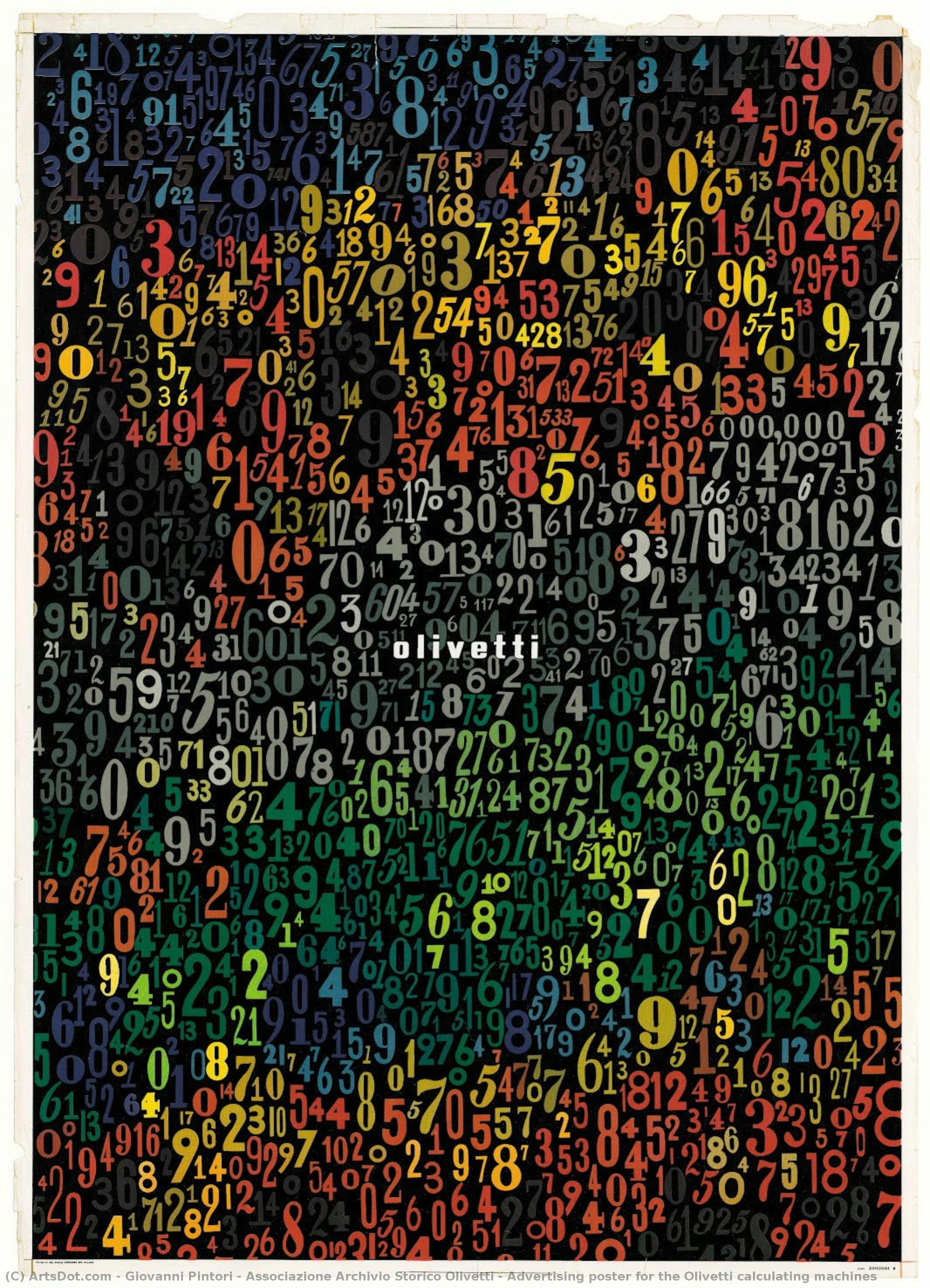
統計情報Associazione Archivio Storico Olivetti - Advertising poster for the Olivetti calculating machines


 詳細を見る
詳細を見る
オンラインプレビューをはるかに凌ぐ、高解像度で鮮明なデジタル画像をご購入いただけます。
各ファイルは、社内の専門家が高度なツールと熟練した手作業によるレタッチを用いて、細心の注意を払って準備されています。すべての画像において、卓越した鮮明度、正確な色彩再現性、そして繊細なディテールを保証いたします。
最終ファイルは、プロフェッショナルな編集・印刷環境ですぐにご利用いただけるよう最適化された状態で、72時間以内にメールにてお届けいたします。これは、一流のデザインスタジオ、出版社、ギャラリーから信頼されているものと同等の品質です。
デジタルアート
個人での鑑賞、印刷、クリエイティブなプロジェクト用に、高解像度ファイルをダウンロードできます。 ( プリント版に切り替え 手描きの絵画を購入)
デジタル画像のご注文に付随する特典
高品質なデジタル画像配信を、確かな品質で。
ArtsDot.com を選ぶことは、単に画像を手に入れることではありません。それは、プロの手によって精密に仕上げられ、満足保証が付いた高品質なデジタルアートワークを受け取ることを意味します。ご注文いただいた際に自動的に付随する内容は、以下の通りです:

メールですぐにお届け
ご注文から72時間以内に、高解像度のデジタル画像ファイルがメールでお手元に届きます。すぐにそのままご利用いただけます。

AI技術で最適化されたデジタルファイル
お客様の作品は、高度なAIツールと専門家による手作業の編集を組み合わせてプロフェッショナルに最適化されており、細部のディテール、鮮明さ、そして正確な色再現性を最大限に引き出しています。

一生涯無料の再送サービス
ファイルを誤って削除したり、紛失してしまったりしましたか?ご安心ください。いつでも無料で再送いたします。

輸入手数料は一切かかりません
関税や手数料、配送料を気にすることなく、お気に入りのアートワークをすぐにお楽しみいただけます。デジタルダウンロードは常に免税です。

色彩再現の保証
プロ仕様のツールとカラーマネジメント技術を用いることで、デジタル画像が元の色を最大限に忠実に再現することを保証いたします。

100日間満足保証
ご購入いただいたデジタル画像にご満足いただけない場合は、100日以内であれば、理由を問わず修正または100%の返金対応をさせていただきます。

100% 返金保証
ご満足いただけない場合は、デジタルファイルを受け取ってから100日以内であれば、理由を問わず全額返金いたします。

まとめ買い割引
3枚購入で10%OFF - 5枚購入で15%OFF - 10枚以上購入で20%OFF。クリエイティブなプロジェクト、ギャラリー、エージェンシーに最適です。
関連作品

作家の略歴
Jackson Pollock: A Revolutionary of American Abstraction
Born in Cody, Wyoming, in 1912, Paul Jackson Pollock – as he was initially known – emerged from a transient childhood marked by frequent moves across the American West and Southwest. His family’s itinerant existence, rooted in Scotch-Irish heritage and shaped by his father's experiences in South Africa and later as a grain buyer, instilled within him a restless spirit and an acute awareness of movement and change. This early life, characterized by both instability and a deep connection to the land, would profoundly influence his artistic vision, shaping a career dedicated to capturing the dynamism of experience rather than representing fixed realities.
Pollock’s formal art training was limited; he briefly attended Manual Arts High School in Los Angeles but quickly abandoned traditional academic pursuits. It wasn't until the late 1940s that his distinctive style began to coalesce, fueled by a growing dissatisfaction with conventional painting and a desire to break free from representational constraints. Influenced by Surrealism’s emphasis on the subconscious and the burgeoning Abstract Expressionist movement in New York, Pollock developed his revolutionary “drip” technique – a method of applying paint directly onto canvases laid flat, often using sticks, brushes, and even his own body as instruments. This process, initially met with skepticism, became synonymous with his name and fundamentally altered the course of American art.
The Birth of Action Painting
Pollock’s approach to painting was radically different from anything that had come before. He eschewed meticulous planning and precise brushwork, instead embracing spontaneity and chance as integral components of the creative process. His canvases became vast fields of color, layered with seemingly random drips, splatters, and pools – a visual record of his physical engagement with the artwork. This “action painting,” as it was often described, wasn’t about creating a specific image but rather about conveying an emotional state or capturing the energy of the moment. Critics initially struggled to understand this approach, dismissing it as chaotic and lacking in control, yet it quickly gained recognition for its raw intensity and unprecedented freedom.
Key works from this period include “Number 1, 1950” (MoMA), a monumental canvas dominated by layers of black and gray paint, and “Mural,” created for the Dunlop Tire Company headquarters in Greenwich Village. These paintings demonstrate Pollock’s mastery of scale and his willingness to push the boundaries of traditional painting techniques. The drip technique wasn't simply about applying paint; it was about channeling energy, releasing inhibitions, and allowing the subconscious to guide the hand.
Collaboration and Influence
Pollock’s life was marked by both artistic success and personal struggles. He married Lee Krasner in 1945, a fellow Abstract Expressionist who became his champion and confidante. Krasner played a crucial role in supporting his career and providing critical feedback on his work. However, Pollock battled with alcoholism throughout much of his adult life, a condition that ultimately contributed to his untimely death in 1956 at the age of 44.
Despite his short career, Pollock’s impact on the art world is immeasurable. He paved the way for subsequent generations of abstract artists and profoundly influenced movements such as Pop Art and Minimalism. His emphasis on process over product, his rejection of traditional artistic conventions, and his willingness to embrace chance and spontaneity continue to resonate with artists today. His work remains a powerful testament to the transformative potential of art and the enduring legacy of an artist who dared to redefine the very nature of painting.
Major Works and Techniques
Pollock’s oeuvre is characterized by a remarkable diversity of styles and approaches, though certain recurring themes and techniques are consistently present. His “drip paintings,” as mentioned previously, remain his most iconic works. These canvases often feature large areas of color applied with minimal brushwork, creating a sense of depth and movement. He also experimented with various media, including silkscreen printing and etching, further expanding the possibilities of artistic expression.
- “Blue Poles” (1952): A large-scale canvas dominated by vibrant blue hues, this work exemplifies Pollock’s use of color to evoke emotion and capture a sense of dynamism. It was initially met with controversy but later became one of his most celebrated paintings.
- “Mural” (1950): Created for the Dunlop Tire Company headquarters, this monumental painting showcases Pollock’s ability to work on a large scale and his willingness to experiment with different techniques. The mural's complex layering of colors and textures reflects the energy and chaos of the artist’s creative process.
- Silkscreen Prints: In the late 1940s, Pollock began experimenting with silkscreen printing, creating images based on his drip paintings. This technique allowed him to explore new ways of manipulating color and texture, while also challenging traditional notions of authorship and originality.
Historical Significance
Jackson Pollock’s rise to prominence in the mid-20th century coincided with a period of profound social and cultural change. His work reflected the anxieties and uncertainties of the postwar era, as well as the growing desire for individual expression and artistic freedom. He challenged established conventions and pushed the boundaries of what was considered “art,” ultimately redefining the role of the artist in society. Pollock’s legacy extends far beyond his own lifetime, continuing to inspire artists and viewers alike with his bold vision and unwavering commitment to innovation.
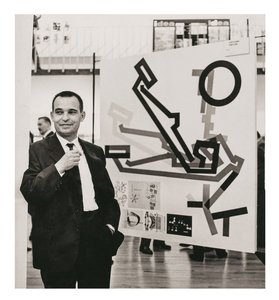
giovanni pintori
1912 - 1999 , Italy
プロフィール概要
- Artistic Movement Or Style: Abstract Expressionism, Action painting
- Artists Or Movements Influenced By This Artist: ['Lee Krasner']
- Artists Who Influenced This Artist: ['Edward Gordon Craig']
- Date Of Birth: January 28, 1912
- Date Of Death: August 11, 1956
- Full Name: Paul Jackson Pollock
- Nationality: American
- Notable Artworks:
- Blue Poles
- Mural
- Place Of Birth: Cody, Wyoming, USA