

 プレビュー
プレビュー
 プリントを購入
 シェアする
シェアする シェアする
シェアする
 詳細を見る
詳細を見る

 ダウンロード
 似ている作品
 X線調査
X線調査 スライドショー
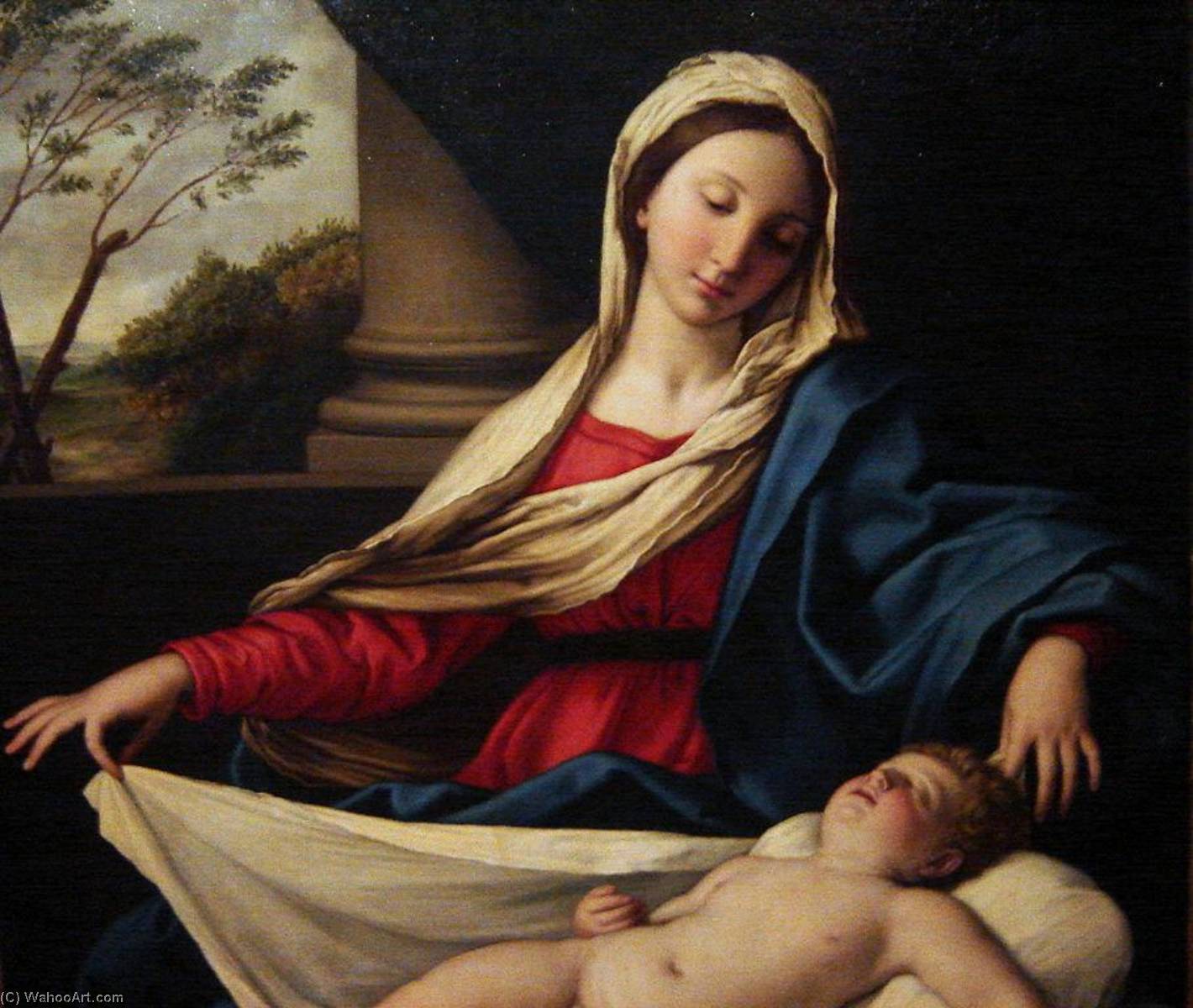
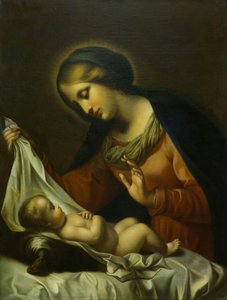
Madonna Adoring the Child (detail)
 詳細を見る
詳細を見る




































作品のオリジナル比率に合わせた、当店の規定サイズからお選びください。

特定のフレームやスペースに合わせて、ご希望のサイズをご入力いただけます。選択されたサイズが元の画像の比率と異なる場合、アートワークをトリミングするか、手描きで要素を追加して絵画を拡張いたします。デジタルモックアップ を制作し、制作開始前にご確認(承認)をいただきます。
画面上のプレビューは、実際のトリミングや拡張を正確に反映しているものではありません。最終的な構図は、モックアップによってのみ正確にご確認いただけます。
カスタムサイズもご利用いただけますが、元の比率を維持するためには、あらかじめ用意されたリストからサイズを選択することをお勧めいたします。
ご注文後、ArtsDot.com チームより詳細な指示をお送りするとともに、仕上がりイメージ(モックアップ)をご提供いたします。


 ガラスオプションは、110cm未満のサイズでのみご利用いただけます。

Madonna Adoring the Child (detail)
複製技法
複製画のサイズ
-


合計金額
$ 263
関連作品






アーティストの略歴
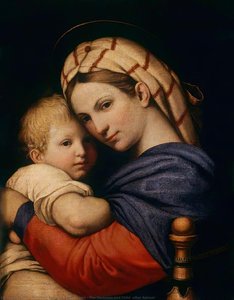
Giovanni Battista Salvi da Sassoferrato: A Master of Raphael’s Echo
Giovanni Battista Salvi da Sassoferrato, born in the small Umbrian town of Sassoferrato in 1609 and passing away there in 1685, remains a captivating figure within the landscape of Italian Baroque painting. Often overshadowed by his more flamboyant contemporaries, Salvi’s enduring legacy lies not in grand commissions or revolutionary style, but rather in a profound dedication to meticulously recreating the spirit and elegance of Raphael – a commitment that shaped his entire artistic trajectory. His life unfolded largely within the confines of his birthplace and the bustling art scene of Rome, yet his work resonated across Europe, gracing collections from London to New York.
Salvi’s early years were steeped in tradition. He apprenticed under his father, Tarquinio Salvi, a local painter whose modest output—fragments of which can still be viewed in the church of San Francesco in Sassoferrato—provided a foundational grounding. This familial connection to art was further solidified by exposure to the teachings of Domenichino, a key pupil of Annibale Carracci, and the influence of other prominent Bolognese artists like Guido Reni. These formative experiences instilled within Salvi a deep appreciation for classical ideals and a meticulous approach to technique, elements that would become hallmarks of his distinctive style.
The Raphaelian Echo: Style and Technique
Salvi’s artistic identity is inextricably linked to his unwavering admiration for Raphael. Unlike many Baroque painters who sought to forge their own distinct voices, Salvi consciously positioned himself as a devoted interpreter of the Renaissance master's principles. This isn’t merely imitation; it’s a deliberate and deeply considered stylistic choice. His compositions frequently mirror Raphael’s balanced arrangements, triangular structures, and graceful figures. The use of color is similarly influenced – rich, luminous hues reminiscent of Raphael’s palette dominate his works, creating an atmosphere of serene beauty.
However, Salvi's approach wasn’t simply a slavish reproduction. He possessed a remarkable sensitivity to nuance, subtly adapting Raphael’s forms and gestures to suit the specific subject matter. His figures are often imbued with a palpable sense of emotion – tenderness in depictions of the Virgin Mary, solemnity in scenes of the Passion—a quality that elevates his paintings beyond mere technical proficiency. He skillfully employed chiaroscuro, creating dramatic contrasts between light and shadow that heighten the emotional impact of each scene. The meticulous detail evident in his drapery, facial features, and even the textures of fabrics speaks to a dedication to realism rarely seen in contemporary artists.
A Portraitist’s Pursuit: Beyond Religious Scenes
While Salvi is most celebrated for his devotional paintings—particularly his iconic depictions of the Virgin Mary—he also established himself as a respected portrait painter. During the 1640s and 1650s, he received commissions from prominent figures within Rome’s elite, including Cardinals Francesco Angelo Rapaccioli and Ottaviano Prati. These portraits demonstrate Salvi's ability to capture not only physical likeness but also the character and bearing of his subjects. His portraiture reflects a sophisticated understanding of human psychology, revealing subtle expressions of dignity, piety, or contemplation.
The Counter-Reformation and the Demand for Images
Salvi’s career unfolded during a pivotal period in European history – the Counter-Reformation. The Catholic Church, seeking to reaffirm its authority and combat the spread of Protestantism, recognized the power of art as a tool for religious persuasion. This created a significant demand for devotional images, particularly those depicting scenes from the life of Christ and the Virgin Mary. Salvi skillfully capitalized on this trend, producing numerous paintings—often in series—for private collectors and ecclesiastical institutions. His work became readily available, contributing to its widespread dissemination throughout Europe.
Legacy and Rediscovery
For much of the 20th century, Salvi’s contributions were largely overlooked by art historians. His prolific output, coupled with his adherence to a well-established style, led to him being categorized as a minor figure within the Baroque landscape. However, in recent decades, scholars have begun to reassess his work, recognizing its unique qualities and profound influence. Today, Salvi’s paintings are housed in prestigious museums worldwide—from the Louvre in Paris to the Metropolitan Museum of Art in New York—testament to their enduring artistic merit. His dedication to Raphael's legacy ensures that his art continues to offer a poignant glimpse into the heart of the Renaissance spirit, echoing through the centuries.
giovanni salvi da sassoferrato
1609 - 1685
基本情報
- Artistic Movement Or Style: Baroque, Raphael's style
- Artists Or Movements Influenced By This Artist: ['Annibale Carracci']
- Artists Who Influenced This Artist:
- Raphael
- Domenichino
- Guercino
- Date Of Birth: August 25, 1609
- Date Of Death: August 8, 1685
- Full Name: Giovanni Battista Salvi da Sassoferrato
- Nationality: Italian
- Notable Artworks:
- The Virgin in Prayer
- La Vierge à l’Enfant avec Saint Jean...
- Place Of Birth: Sassoferrato, Italy

