

 プレビュー
プレビュー
 プリントを購入
 シェアする
シェアする シェアする
シェアする
 詳細を見る
詳細を見る

 ダウンロード
 似ている作品
 X線調査
X線調査 スライドショー
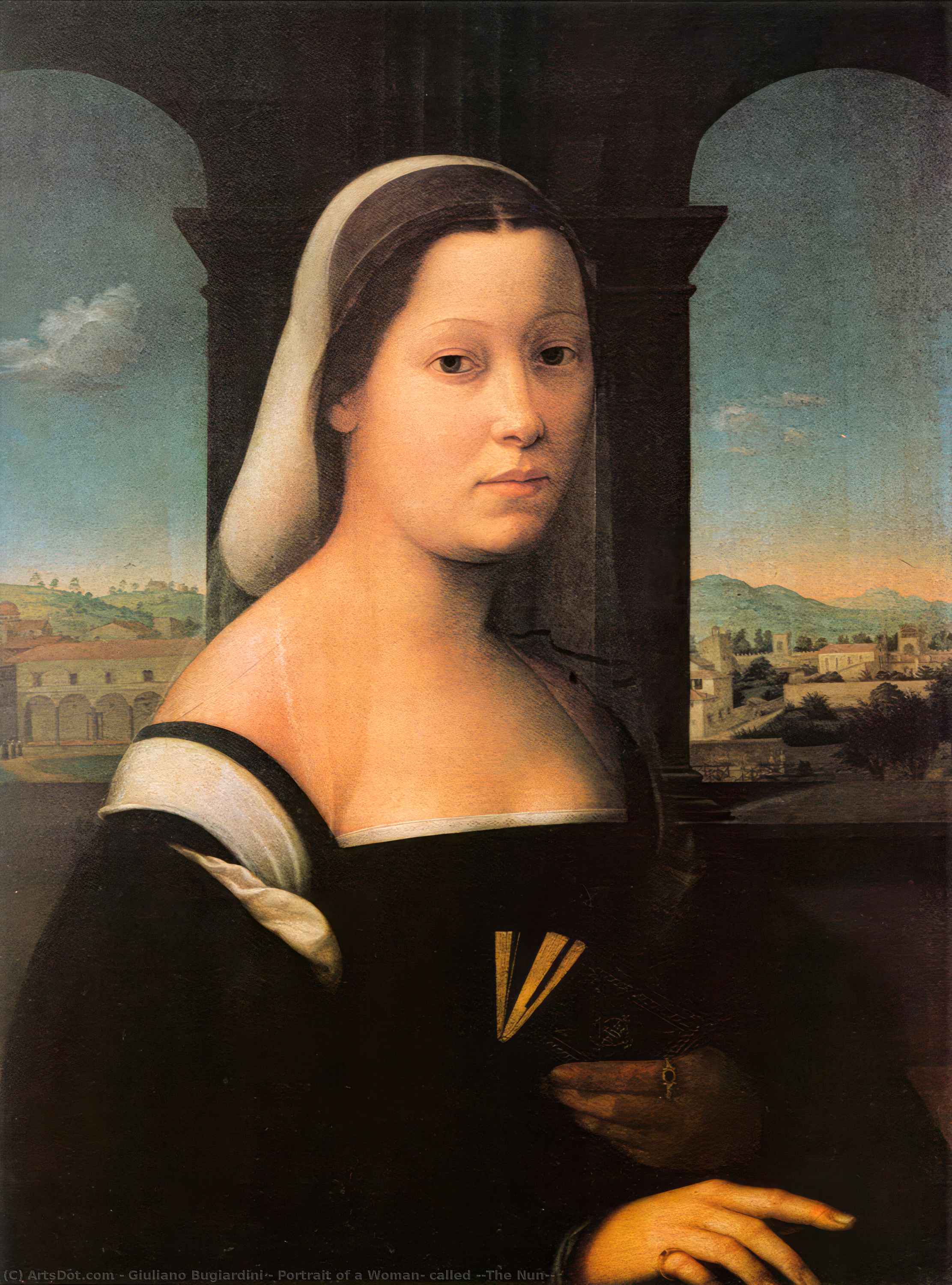
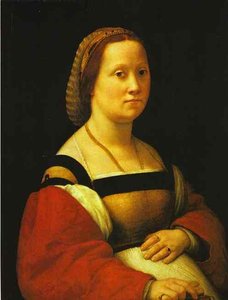
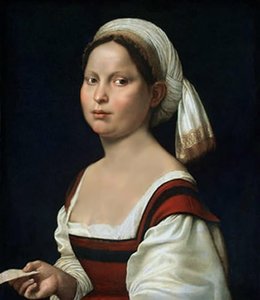
Portrait of a Woman, called ''The Nun''
 Oil On Canvas
- WallArt
- Renaissance
 1506
1506 65.0 x 48.0 cm
 ウフィツィ美術館
 詳細を見る
詳細を見る
オンラインプレビューをはるかに凌ぐ、高解像度で鮮明なデジタル画像をご購入いただけます。
各ファイルは、社内の専門家が高度なツールと熟練した手作業によるレタッチを用いて、細心の注意を払って準備されています。すべての画像において、卓越した鮮明度、正確な色彩再現性、そして繊細なディテールを保証いたします。
最終ファイルは、プロフェッショナルな編集・印刷環境ですぐにご利用いただけるよう最適化された状態で、72時間以内にメールにてお届けいたします。これは、一流のデザインスタジオ、出版社、ギャラリーから信頼されているものと同等の品質です。
デジタル画像のご注文に付随する特典
高品質なデジタル画像配信を、確かな品質で。
ArtsDot.com を選ぶことは、単に画像を手に入れることではありません。それは、プロの手によって精密に仕上げられ、満足保証が付いた高品質なデジタルアートワークを受け取ることを意味します。ご注文いただいた際に自動的に付随する内容は、以下の通りです:

メールですぐにお届け
ご注文から72時間以内に、高解像度のデジタル画像ファイルがメールでお手元に届きます。すぐにそのままご利用いただけます。

AI技術で最適化されたデジタルファイル
お客様の作品は、高度なAIツールと専門家による手作業の編集を組み合わせてプロフェッショナルに最適化されており、細部のディテール、鮮明さ、そして正確な色再現性を最大限に引き出しています。

一生涯無料の再送サービス
ファイルを誤って削除したり、紛失してしまったりしましたか?ご安心ください。いつでも無料で再送いたします。

輸入手数料は一切かかりません
関税や手数料、配送料を気にすることなく、お気に入りのアートワークをすぐにお楽しみいただけます。デジタルダウンロードは常に免税です。

色彩再現の保証
プロ仕様のツールとカラーマネジメント技術を用いることで、デジタル画像が元の色を最大限に忠実に再現することを保証いたします。

60日間満足保証
ご購入いただいたデジタル画像にご満足いただけない場合は、60日以内であれば、修正または100%の返金(理由を問う必要はありません)をさせていただきます。

100% 返金保証
ご満足いただけない場合は、デジタルファイルを受け取ってから60日以内であれば、理由を問わず全額返金いたします。

まとめ買い割引
3枚購入で10%OFF - 5枚購入で15%OFF - 10枚以上購入で20%OFF。クリエイティブなプロジェクト、ギャラリー、エージェンシーに最適です。
A Glimpse into the Soul: Giuliano Bugiardini’s ‘Portrait of a Woman, Called “The Nun”’
Giuliano Bugiardini's "Portrait of a Woman, Called 'The Nun'" isn't merely a depiction of a figure; it’s an invitation to contemplate mystery and the subtle dance between appearance and inner life. Painted in 1506 during the flourishing early Renaissance in Florence, this oil-on-canvas masterpiece, now residing within the hallowed halls of the Galleria degli Uffizi, immediately captivates with its enigmatic subject and masterful execution. Bugiardini, a student of the great masters like Leonardo da Vinci and Raphael, skillfully crafted an image that transcends simple portraiture, hinting at a profound narrative just beyond our grasp.
The painting presents us with a woman shrouded in a veil, her gaze direct yet ambiguous. Her long hair cascades around her shoulders, framing a face of remarkable serenity—a stillness that belies the potential secrets held within. The muted palette – dominated by earthy browns, deep greens, and subtle blues – contributes to the overall sense of quiet contemplation. Notice how Bugiardini employs sfumato, a technique perfected by Leonardo, to soften edges and create an atmospheric haze around the figure, lending her an ethereal quality. This blurring of lines isn’t simply stylistic; it mirrors the elusive nature of identity and perception that the painting explores.
The Setting: Florence in the Dawn of Renaissance Humanism
To fully appreciate “The Nun,” we must understand the cultural context in which it was created. The early 16th century witnessed a burgeoning humanist movement in Florence, emphasizing human potential and individual experience. Artists like Bugiardini were deeply influenced by this shift, moving away from purely religious iconography towards more psychologically nuanced portraits. The cityscape visible in the background—a recognizable view of Florence with its distinctive architecture—grounds the figure in a specific time and place, suggesting a connection to earthly life alongside her spiritual aura. The inclusion of two birds, one near the top right corner and another towards the bottom left, adds a layer of symbolic richness; they could represent freedom, hope, or perhaps even the fleeting nature of beauty and existence.
The presence of an object resembling a book at the lower part of the image is intriguing. While its precise meaning remains open to interpretation – it might symbolize knowledge, faith, or simply a personal possession – it serves as a subtle reminder of the intellectual currents shaping Renaissance society. The careful placement of this element subtly directs the viewer’s eye and encourages speculation about the woman's life and interests.
Symbolism and Interpretation: A Portrait of Mystery
The title itself, “The Nun,” immediately evokes associations with piety, devotion, and perhaps even a degree of seclusion. However, Bugiardini doesn’t offer us a straightforward representation of religious austerity. Instead, the woman's expression is deliberately ambiguous; is she serene, melancholic, or simply contemplative? The veil serves as both a symbol of modesty and a barrier to complete understanding. It obscures her features, inviting us to project our own interpretations onto her face.
Some art historians have suggested that the painting may be a portrait of a noblewoman who chose a life of religious devotion, while others believe it represents an idealized representation of female virtue. The lack of explicit narrative allows for multiple readings, making “The Nun” a remarkably enduring work of art. It’s a testament to Bugiardini's skill that he created an image capable of sparking such diverse and profound responses.
A Legacy of Elegance: Reproduction and Appreciation
Today, "Portrait of a Woman, Called ‘The Nun’" stands as a cornerstone of Renaissance portraiture. Its captivating beauty, masterful technique, and enduring mystery continue to fascinate viewers centuries after its creation. High-quality reproductions capture the subtle nuances of Bugiardini's brushwork and the painting's atmospheric depth, allowing us to appreciate this remarkable work in our own homes or galleries. Consider how this piece would complement a sophisticated interior space – its quiet elegance and contemplative mood providing a focal point for reflection and conversation.
関連作品


作家の略歴
ミケランジェロ・ブオナローティ:ルネサンスの巨人
芸術的天才という言葉そのものと言っても過言ではない名前、ミケランジェロ・ディ・ロドヴィコ・ブオナローティ・シモニ。彼は西洋美術史において、間違いなく最も影響力のある人物として君臨しています。1475年にカプレゼで生まれた彼は、単なる一人の芸術家ではありませんでした。彫刻家、画家、建築家、素描家、そして詩人――まさに、人間の可能性と創造的な探求というルネサンスの理想を体現した「万能の天才」だったのです。類まれな偉業と、その裏側にあった個人的な葛藤の両方に彩られた彼の生涯は、数世紀を経た今もなお、私たちを魅了し、インスピレーションを与え続けています。フィレンツェの役人の息子という控えめな出自から、ミケランジェロは盛期ルネサンス期におけるイタリア美術の支配的な勢力へと登り詰め、西洋の芸術的伝統を根本から形作る不朽の遺産を残しました。
幼少期と芸術への研鑽
ミケランジェロの幼少期は、家族の誇りと社会的な地位向上への渇望に満ちていました。フィレンツェ政府の官吏であった父ロドヴィコ・ブオナローティは、偉大なルネサンスの巨匠レオナルド・ダ・ヴィンチの血を引いていると主張することで、一族の系譜を高めようと試みていました。しかし、こうした野心とは裏腹に、ミケラン素ランジェロの芸術的才能は瞬く間に明らかとなり、13歳にしてフィレンツェの名高い画家ドメニコ・ギルランダイオに弟子入りすることとなります。この初期の修行によって、彼はフレスコ画や素描における基礎的な技術を習得しましたが、彼の創造的な情熱に真の火を灯したのは、その後のロレンツォ・デ・メディチによる庇護でした。芸術の強力なパトロンであったメディチ家は、ミケランジェロに膨大な古典彫刻コレクションへのアクセスを許しました。この瞬間こそが、彼の芸術的感性に深い影響を与えた決定的な転換点となったのです。彼は古代ギリシャやローマの彫刻家たちの作品を研究し、美、比率、そして解剖学的な正確さという理想を吸収していきました。この古典への傾倒は、彼の作品の決定的な特徴となり、彫刻と絵画の両面における彼のアプローチを形作ることになったのです。
彫刻の傑作:形態と感情
ミケランジェロの彫刻における達成は伝説的であり、ルネサンス芸術の頂点を象徴しています。初期の作品であるバッカス(1496-7年)やピエタ(1498-9年)は、大理石を彫り進める卓越した技術と、無機質な石に深い感情の奥行きを吹き込む彼の手腕を見事に示しています。とりわけ、死せるキリストを抱くマリアを描いたピエت゙タは、その精緻な写実性、静謐な美しさ、そして胸を打つ悲哀の表現で広く知られています。これは、ミケランジェロの解剖学への深い理解と、形態のみを通じて複雑な感情を伝える能力の証左といえるでしょう。そして、ゴリアテとの戦いに臨む聖書の英雄ダビデの巨大な大理石像であるダヴィデ像(1501-4年)は、天才としての彼の地位を不動のものとしました。この象徴的な彫刻は、強靭で自信に満ち、単なる肉体的な力強さを超越した内なる力を宿した、ルネサンス的な英雄的男性像の理想を具現化しています。その圧倒的なスケール、ダイナミックなポーズ、そして細部にわたる緻密な描写は、当時の時代において革命的なものでした。
絵画:システィーナ礼拝堂の天井画とその先へ
ミケランジェロ自身は自らを主に彫刻家であると考えていましたが、画家としての彼の業績も同様に極めて重要です。この領域における最も名高い成果は、間違いなくバチカン市国のシスティーナ礼拝堂の天井画(1508-1512年)でしょう。教皇ユリウス2世の依頼によるこの記念碑的な事業は、凄まじい肉体的・芸術的労力を必要としました。ミケランジェロットは、創世記の場面を描いた数百もの人物像を描くため、4年もの間、仰向けに横たわって作業を続けたのです。天井画の中でもおそらく最も有名な『アダムの創造』は、神聖なインスピレーションがもたらされる瞬間を、息を呑むような力強さと躍動感とともに捉えています。システィーナ礼拝堂以外にも、ミケランジェロは重要な作品を数多く残しています。例えば、同じ礼拝堂の祭壇壁に描かれた『最後の審判』(1536-1541年)は、芸術家の次第に苦悩に満ちていく精神状態を反映した、終末の劇的な描写です。また、フィレンツェのラウレンツィアーナ図書館における、預言者やシビュラを描いたパネル作品などは、彼の革新的な色彩感覚と遠近法の習熟を見事に示しています。
建築への貢献と不朽の遺産
ミケランジェロの影響は、彫刻や絵画の領域を超え、建築の世界にまで及びました。彼はローマのサン・ピエトロ大聖堂の建築家を務め、重要な構造的変更を監督し、その象徴的なドームのデザインにも寄与しました。フィレンツェのメディチ家礼拝堂における彼の仕事も、建築的ヴィジョンの顕著な例であり、マニエリスム様式の典型を示す豪華に装飾された霊廟です。その長いキャリアを通じて、解剖学的な正確さへのこだわり、光と影の劇的な活用、そして人間感情に対する深い洞察といったミケランジェロの芸術的革新は、後世の世代の芸術家たちに多大な影響を与えました。彼は今なお、美術史における不滅の巨星であり続けています。彼の作品は世界中の観衆を魅了し続け、ルネサンスの創造性と人間の可能性を象徴する永遠のシンボルとして輝きを放っています。
ジュリアーノ・ブジアルディーニ
1475 - 1555 , イタリア
プロフィール概要
- Artistic Movement Or Style: 盛期ルネサンス、マニエリスム
- Artists Or Movements Influenced By This Artist:
- ルネサンスの芸術家
- マニエリスム建築
- Artists Who Influenced This Artist:
- 古典古代
- レオナルド・ダ・ヴィンチ
- Date Of Birth: 1475年3月6日
- Date Of Death: 1564年2月18日
- Full Name: ミケランジェロ・ディ・ロドヴィコ・ブオナローティ・シモニ
- Nationality: イタリア
- Notable Artworks:
- ピエタ
- ダヴィデ像
- システィーナ礼拝堂天井画
- アダムの創造
- モーセ像
- 最後の審判
- Place Of Birth: イタリア、カプレゼ

