

 プレビュー
プレビュー
 シェアする
シェアする シェアする
シェアする
 詳細を見る
詳細を見る

 ダウンロード
 似ている作品
 X線調査
X線調査 スライドショー
 Stats
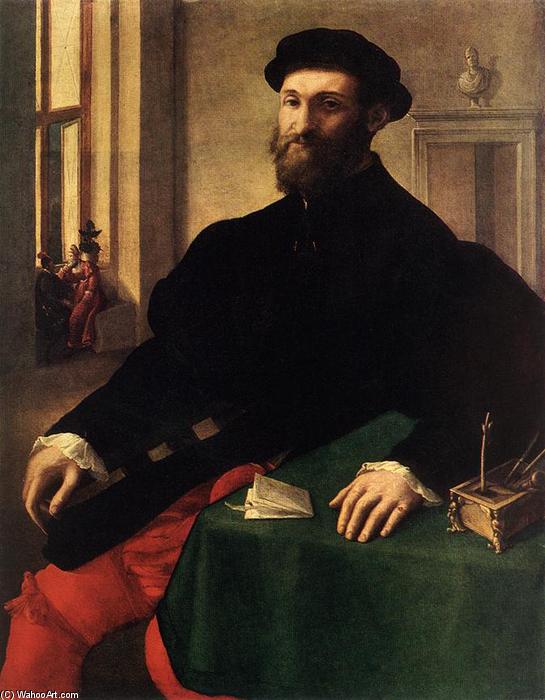
StatsPortrait of a Man
 Acrylic On Canvas
- WallArt
- Renaissance
 105.0 x 83.0 cm
 エルミタージュ美術館
 詳細を見る
詳細を見る
オンラインプレビューをはるかに凌ぐ、高解像度で鮮明なデジタル画像をご購入いただけます。
各ファイルは、社内の専門家が高度なツールと熟練した手作業によるレタッチを用いて、細心の注意を払って準備されています。すべての画像において、卓越した鮮明度、正確な色彩再現性、そして繊細なディテールを保証いたします。
最終ファイルは、プロフェッショナルな編集・印刷環境ですぐにご利用いただけるよう最適化された状態で、72時間以内にメールにてお届けいたします。これは、一流のデザインスタジオ、出版社、ギャラリーから信頼されているものと同等の品質です。
デジタルアート
個人での鑑賞、印刷、クリエイティブなプロジェクト用に、高解像度ファイルをダウンロードできます。 ( Switch to Print 手描きの絵画を購入)
デジタル画像のご注文に付随する特典
高品質なデジタル画像配信を、確かな品質で。
ArtsDot.com を選ぶことは、単に画像を手に入れることではありません。それは、プロの手によって精密に仕上げられ、満足保証が付いた高品質なデジタルアートワークを受け取ることを意味します。ご注文いただいた際に自動的に付随する内容は、以下の通りです:

メールですぐにお届け
ご注文から72時間以内に、高解像度のデジタル画像ファイルがメールでお手元に届きます。すぐにそのままご利用いただけます。

AI技術で最適化されたデジタルファイル
お客様の作品は、高度なAIツールと専門家による手作業の編集を組み合わせてプロフェッショナルに最適化されており、細部のディテール、鮮明さ、そして正確な色再現性を最大限に引き出しています。

一生涯無料の再送サービス
ファイルを誤って削除したり、紛失してしまったりしましたか?ご安心ください。いつでも無料で再送いたします。

輸入手数料は一切かかりません
関税や手数料、配送料を気にすることなく、お気に入りのアートワークをすぐにお楽しみいただけます。デジタルダウンロードは常に免税です。

色彩再現の保証
プロ仕様のツールとカラーマネジメント技術を用いることで、デジタル画像が元の色を最大限に忠実に再現することを保証いたします。

100日間満足保証
ご購入いただいたデジタル画像にご満足いただけない場合は、100日以内であれば、理由を問わず修正または100%の返金対応をさせていただきます。

100% 返金保証
ご満足いただけない場合は、デジタルファイルを受け取ってから100日以内であれば、理由を問わず全額返金いたします。

まとめ買い割引
3枚購入で10%OFF - 5枚購入で15%OFF - 10枚以上購入で20%OFF。クリエイティブなプロジェクト、ギャラリー、エージェンシーに最適です。
A Glimpse into the Soul: The Enigmatic Portrait of a Man
Giulio Campi’s “Portrait of a Man,” painted circa 1530-40, is more than just a depiction of an individual; it's a profound meditation on time, contemplation, and the quiet dignity of human experience. This small yet intensely powerful oil painting, housed within a meticulously crafted antique gold frame, offers a rare window into the artistic sensibilities of a pivotal figure in the Italian Renaissance – a master known for his ability to infuse even the most seemingly straightforward portrait with layers of psychological depth.
The subject himself remains deliberately ambiguous. He is presented at bust length, his gaze fixed slightly off-center, inviting the viewer into an unspoken dialogue. His attire—a dark robe and wide-brimmed hat—suggests a man of status and perhaps even authority, yet there’s nothing overtly ostentatious about his appearance. Instead, Campi focuses on capturing the subtle nuances of aging: the pronounced lines etched around the eyes, the stubble hinting at a life lived fully, and the weary expression that speaks volumes without uttering a single word. This isn't an idealized representation; it’s a realistic portrayal of a man confronting his own mortality, a theme prevalent throughout Renaissance art.
The Techniques of a Master: Detail and Light
Campi’s technical skill is immediately apparent in the meticulous detail with which he renders every element of the portrait. The texture of the fabric—the folds of the robe, the sheen of the hat—is rendered with astonishing precision, achieved through painstaking layering of thin glazes of oil paint. The artist's mastery of light and shadow is equally remarkable; a soft, diffused illumination washes over the figure, creating a sense of serenity and depth. Notice how the light catches the wrinkles around his eyes, highlighting their complexity and adding to the portrait’s emotional resonance.
- Glazing Technique: Campi employed a technique known as glazing, applying thin layers of translucent paint over dried underlayers to build up color and depth.
- Chiaroscuro: The masterful use of chiaroscuro—the dramatic contrast between light and dark—creates a sense of volume and realism.
- Attention to Detail: From the intricate folds of the robe to the subtle texture of the skin, every element is rendered with remarkable precision.
A Renaissance Legacy: Influences and Context
Campi’s artistic development was shaped by a confluence of influences. He began his training under his father, Galeazzo Campi, a respected painter in Cremona, and later studied with the influential Giulio Romano in Mantua – an artist known for his dynamic compositions and dramatic use of perspective. His studies in Rome further exposed him to the classical ideals that underpinned Renaissance art, particularly the emphasis on humanism and the celebration of individual beauty. The portrait’s composition echoes elements seen in works by Andrea Mantegna, reflecting Campi's deep engagement with Roman artistic traditions.
The painting’s provenance—tracing back through a series of aristocratic collections—offers further insight into its historical context. It was once part of the collection of Charles I and later found its way to Kensington Palace, suggesting it was valued as a significant work of art during the 17th and 18th centuries. The portrait’s enduring appeal lies in its ability to transcend time, offering viewers a timeless glimpse into the human condition.
A Timeless Portrait: Symbolism and Emotional Impact
Beyond its technical brilliance, “Portrait of a Man” resonates with profound emotional depth. The subject's contemplative gaze invites us to contemplate our own mortality and the passage of time. The portrait’s quiet dignity and understated elegance speak to the enduring values of Renaissance art – a celebration of human intellect, beauty, and resilience. It is a work that rewards repeated viewing, revealing new layers of meaning with each encounter. Reproductions capture only a fraction of this depth, but offer a beautiful way to bring this remarkable piece into your home.
関連作品
作家の略歴
Giulio Campi: Life and Legacy
Early Life and Training
- Born: Cremona, Italy in 1502.
- Family of Artists: Giulio Campi came from a prominent family of painters; his father, Galeazzo (1475–1536), provided him with initial artistic training.
- Early Studies: In 1522, he traveled to Mantua and studied painting, architecture, and modelling under the tutelage of Giulio Romano.
- His education continued with a visit to Rome where he became deeply engaged in studying classical antiquity.
Artistic Development and Influences
- Blending Traditions: Campi skillfully combined Lombard and Roman artistic traditions, influenced by his studies with Romano and his exploration of ancient art.
- Collaboration: He collaborated with Camillo Boccaccino, son of Boccaccio Boccaccino, potentially receiving further training from him.
- Key Influences: Giulio Romano’s influence is evident in Campi's dynamic compositions and architectural elements. His study of classical art instilled a sense of grandeur and anatomical accuracy.
Major Works and Style
- Masterpiece: At the age of 27, Campi completed his masterpiece, “Virgin and Child with Sts Celsus and Nazarus”, for the church of Sant'Abondio. It is celebrated for its freedom of drawing and vibrant color.
- Notable Works: Other significant works include the “Descent from the Cross” in San Sigismondo, Cremona, and frescoes within the dome of San Girolamo in Mantua.
- Artistic Characteristics: Campi’s paintings are characterized by grand conceptions, free drawing, vigorous coloring, a lofty style, and broad handling. A deep piety is evident throughout his work.
- He was involved in the reconstruction and decoration of the church of Santa Rita in Cremona.
Historical Significance and Legacy
- “Ludovico Carracci of Cremona”: Campi is often referred to by this title due to his significant influence on the artistic landscape of Cremona, mirroring Ludovico Carracci’s impact on Bologna.
- Regional Importance: He played a crucial role in shaping Renaissance art within the Cremonese school.
- Engravings by Ghiso: His altar-piece in San Sigismondo and his “Labours of Hercules” were engraved by Giorgio Ghisi, further disseminating his work.
- Lasting Impact: Campi’s influence extended beyond his lifetime, inspiring subsequent generations of artists in the region.
Death and Remembrance
- Died: Cremona, Italy in 1572.
- Giulio Campi remains a significant figure in Italian Renaissance art, celebrated for his artistic skill, religious devotion, and lasting influence on the Cremonese school of painting.
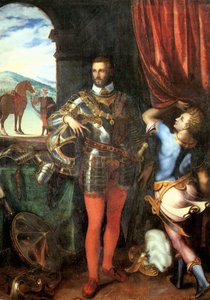
Giulio Campi
1502 - 1572 , Italy
プロフィール概要
- Birth Date: 1502
- Birth Place: Cremona, Italy
- Death Date: 1572
- Influenced: Ludovico Carracci (in Cremona)
- Influenced By: Giulio Romano
- Movement: Renaissance, Mannerism
- Name: Giulio Campi
- Nationality: Italian
- Notable Works:
- Virgin and Child with Sts Celsus and Nazarus
- Descent from the Cross (San Sigismondo)
- Frescoes in San Girolamo (Mantua)