

 プレビュー
プレビュー
 プリントを購入
 シェアする
シェアする シェアする
シェアする
 詳細を見る
詳細を見る

 ダウンロード
 似ている作品
 X線調査
X線調査 スライドショー
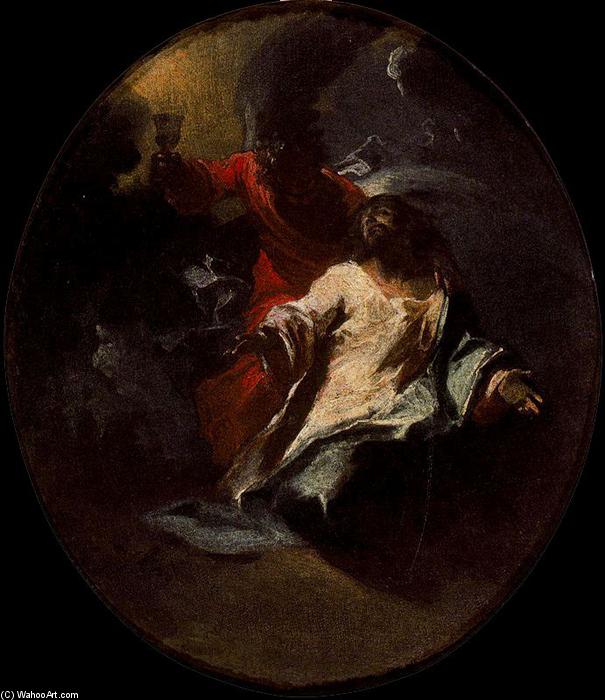
The Agony of Christ in the Garden
 Acrylic On Canvas
- WallArt
- Baroque Rococo Synthesis
 42.0 x 36.0 cm
 ウフィツィ美術館
 詳細を見る
詳細を見る
オンラインプレビューをはるかに凌ぐ、高解像度で鮮明なデジタル画像をご購入いただけます。
各ファイルは、社内の専門家が高度なツールと熟練した手作業によるレタッチを用いて、細心の注意を払って準備されています。すべての画像において、卓越した鮮明度、正確な色彩再現性、そして繊細なディテールを保証いたします。
最終ファイルは、プロフェッショナルな編集・印刷環境ですぐにご利用いただけるよう最適化された状態で、72時間以内にメールにてお届けいたします。これは、一流のデザインスタジオ、出版社、ギャラリーから信頼されているものと同等の品質です。
デジタル画像のご注文に付随する特典
高品質なデジタル画像配信を、確かな品質で。
ArtsDot.com を選ぶことは、単に画像を手に入れることではありません。それは、プロの手によって精密に仕上げられ、満足保証が付いた高品質なデジタルアートワークを受け取ることを意味します。ご注文いただいた際に自動的に付随する内容は、以下の通りです:

メールですぐにお届け
ご注文から72時間以内に、高解像度のデジタル画像ファイルがメールでお手元に届きます。すぐにそのままご利用いただけます。

AI技術で最適化されたデジタルファイル
お客様の作品は、高度なAIツールと専門家による手作業の編集を組み合わせてプロフェッショナルに最適化されており、細部のディテール、鮮明さ、そして正確な色再現性を最大限に引き出しています。

一生涯無料の再送サービス
ファイルを誤って削除したり、紛失してしまったりしましたか?ご安心ください。いつでも無料で再送いたします。

輸入手数料は一切かかりません
関税や手数料、配送料を気にすることなく、お気に入りのアートワークをすぐにお楽しみいただけます。デジタルダウンロードは常に免税です。

色彩再現の保証
プロ仕様のツールとカラーマネジメント技術を用いることで、デジタル画像が元の色を最大限に忠実に再現することを保証いたします。

60日間満足保証
ご購入いただいたデジタル画像にご満足いただけない場合は、60日以内であれば、修正または100%の返金(理由を問う必要はありません)をさせていただきます。

100% 返金保証
ご満足いただけない場合は、デジタルファイルを受け取ってから60日以内であれば、理由を問わず全額返金いたします。

まとめ買い割引
3枚購入で10%OFF - 5枚購入で15%OFF - 10枚以上購入で20%OFF。クリエイティブなプロジェクト、ギャラリー、エージェンシーに最適です。
作品の詳細
The Agony of Christ in the Garden by Giuseppe Bazzani
Giuseppe Bazzani’s “The Agony of Christ in the Garden,” painted circa 1735, stands as a testament to the enduring power of religious iconography within the Rococo artistic tradition. Produced during Mantua's golden age—a period characterized by opulent patronage and intellectual ferment—the painting embodies the stylistic convergence of Baroque grandeur with the delicate ornamentation emblematic of Venetian influence.
The artwork depicts Jesus Christ kneeling in a desolate landscape, his posture conveying profound sorrow and contemplation. Bazzani meticulously renders Christ’s figure with remarkable realism, capturing subtle nuances of musculature and drapery—a hallmark of Lombard artistic practice. The artist skillfully employs chiaroscuro, utilizing dramatic contrasts between light and shadow to heighten the emotional intensity of the scene and draw viewers' gaze directly to Christ’s face.
- Style: Rococo – Characterized by flowing lines, pastel colors, and an emphasis on decorative elements, “The Agony of Christ” reflects the broader aesthetic sensibilities of its time.
- Technique: Oil on Canvas – Bazzani’s masterful brushwork contributes to a textured surface that enhances the painting's visual depth and conveys a sense of movement despite the stillness of the composition.
- Historical Context: The painting emerged during a period of intense spiritual reflection within Europe, mirroring the anxieties surrounding papal authority and the looming threat of war. It aligns with the Baroque tradition’s exploration of human emotion and divine grace.
Symbolically, “The Agony of Christ” speaks to themes of suffering, humility, and faith—central tenets of Christian theology. The desolate garden setting underscores Christ's isolation and vulnerability as he contemplates his impending crucifixion. The angels flanking Christ symbolize divine compassion and offer solace amidst despair.
Beyond its artistic merits, the painting’s enduring appeal lies in its ability to evoke profound emotional responses. Bazzani’s masterful use of color—primarily muted earth tones punctuated by soft highlights—creates an atmosphere of solemn contemplation. The artist's attention to detail ensures that every element contributes to the overall narrative and reinforces the painting’s poignant portrayal of human suffering and spiritual yearning.
“The Agony of Christ in the Garden” remains a captivating masterpiece, demonstrating Bazzani’s exceptional skill as an artist and cementing his place within the annals of Rococo art history. Its reproduction offers a window into the artistic spirit of its era—a celebration of beauty intertwined with solemn reflection.
関連作品

作家の略歴
The Soul of Mantua: The Life and Legacy of Giuseppe Bazzani
In the heart of eighteenth-century Italy, amidst the gilded splendor of Mantua, the brush of Giuseppe Bazzani moved with a singular, restless energy that defied the polite constraints of his era. Born in 1690 into a family of skilled goldsmiths, Bazzani’s early immersion in the meticulous world of precious metals and fine craftsmanship provided him with an innate understanding of texture and light. This foundational intimacy with material beauty would later manifest in his paintings as a profound ability to manipulate pigment, creating surfaces that seem to vibrate with an almost tactile intensity. His formal training under Giovanni Canti served as the gateway to the classical traditions of Parma, yet even in these formative years, one can detect the seeds of a much more turbulent and expressive spirit waiting to bloom.
Bazzani’s artistic journey was never a simple adherence to the prevailing winds of fashion; rather, it was a complex dialogue between the fading grandeur of the Baroque and the emerging lightness of the Rococo. While his contemporaries often sought the airy elegance and decorative charm typical of the period, Bazzani drew deep inspiration from the dramatic shadows of Rubens and the frenetic, atmospheric brushwork of Magnasco. This synthesis allowed him to create works that possessed a unique psychological weight. His compositions frequently feature figures caught in moments of profound spiritual or emotional crisis, where the boundaries between the physical world and the divine seem to dissolve into a haze of light and shadow.
A Master of Emotional Intensity and Technique
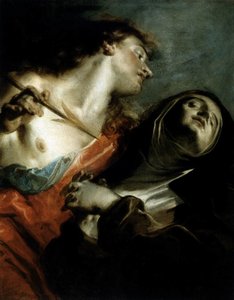
The true brilliance of Bazzani lies in his ability to use technique as a vehicle for emotion. His brushwork is famously loose and spontaneous, often described by historical critics with a polarizing intensity that bordered on the barbaric. Yet, within this perceived roughness lies a sophisticated mastery of movement and atmosphere. In masterpieces such as The Ecstasy of St Therese, he utilizes light not merely to illuminate, but to sanctify, creating a sense of spiritual transcendence that pulls the viewer into the very heart of the miracle. Similarly, in The Agony of Christ in the Garden, his ability to capture sorrowful contemplation through swirling, nebulous forms demonstrates a precursor to the expressive freedom found in much later movements.
His repertoire was as diverse as his influences, ranging from the dramatic biblical narratives of La Fille de Jephthé—where dynamic movement and rich color palettes command the eye—to more intimate religious scenes. This versatility was supported by his prestigious role within the Mantuan court, where he served as a faculty member and eventually the director of the Accademia di Belle Arti. In this capacity, Bazzani was not merely a painter but a guardian of artistic excellence, shaping the next generation of artists while navigating the complex political and cultural landscape of the ducal court.
Historical Significance and Artistic Foreshadowing
Though often categorized within the Rococo movement, Bazzani’s work possesses an idiosyncratic darkness and a psychological depth that sets him apart from the purely decorative artists of his time. His fascination with the interplay of light and shadow, and his willingness to embrace a more rugged, emotive style, suggest a visionary who was looking far beyond the eighteenth century. There is a palpable tension in his canvases—a struggle between order and chaos, tradition and innovation—that resonates with the turbulent spirit of modern art.
The historical importance of Giuseppe Bazzani extends beyond his immediate contributions to the Mantuan school. He stands as a vital link in the evolution of European painting, embodying a bridge between the heavy drama of the Baroque and the more fluid, expressive tendencies that would eventually find their voice in Expressionism. By refusing to settle for the easy grace of his age, Bazzani created a body of work that remains hauntingly relevant, inviting every generation to witness the profound power of the human spirit captured in paint.
Giuseppe Bazzani
1690 - 1769 , Italy
プロフィール概要
- Artistic Movement Or Style: Rococo
- Artists Or Movements Influenced By This Artist: ['Expressionism']
- Artists Who Influenced This Artist:
- Giovanni Canti
- Rubens
- Date Of Birth: 1690
- Full Name: Giuseppe Bazzani
- Nationality: Italian
- Notable Artworks:
- Saint Anthony & Christ
- LA Fille de Jephte
- Place Of Birth: Mantua, Italy

