

 プレビュー
プレビュー
 プリントを購入
 シェアする
シェアする シェアする
シェアする
 詳細を見る
詳細を見る

 ダウンロード
 似ている作品
 X線調査
X線調査 スライドショー
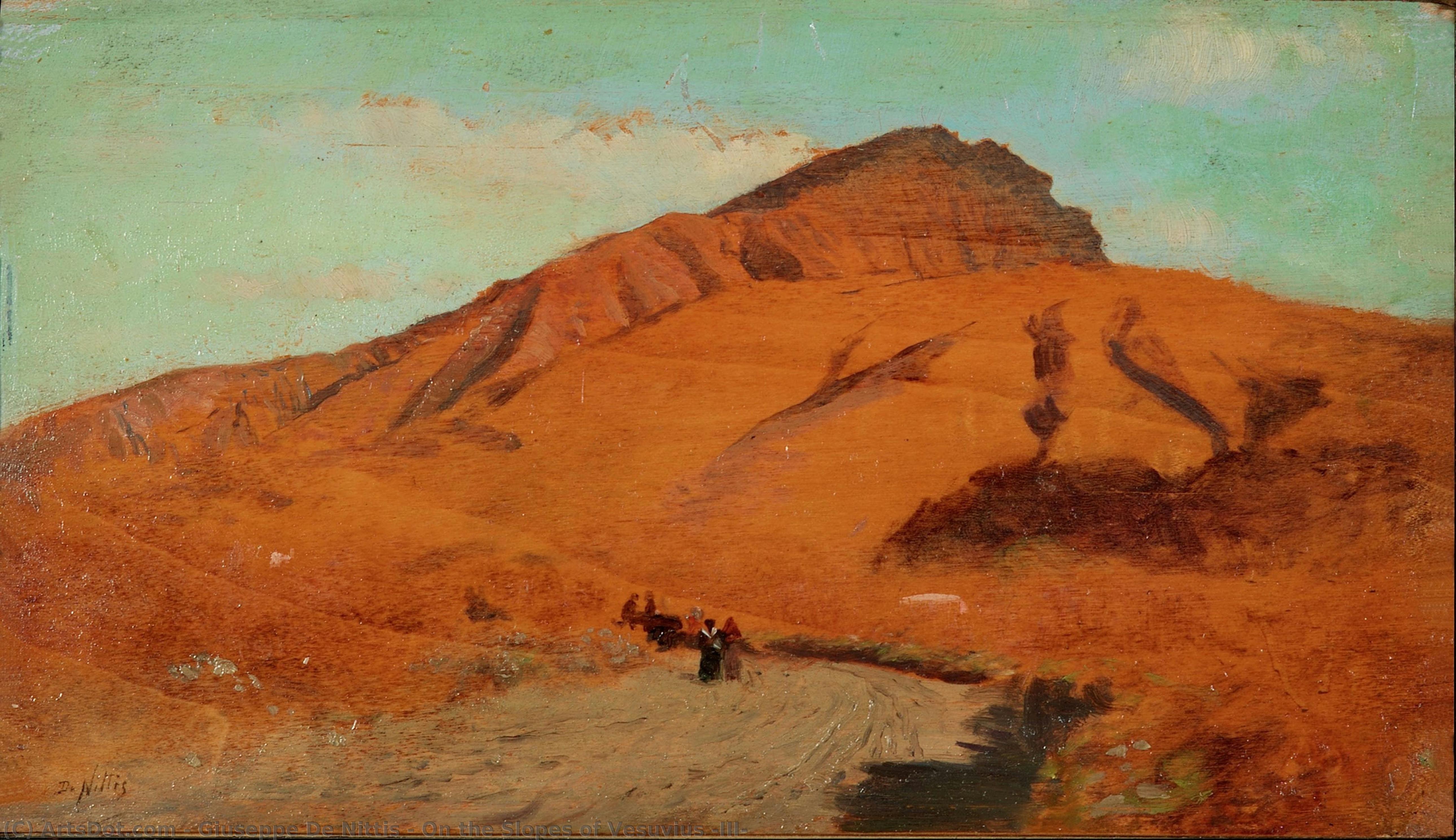
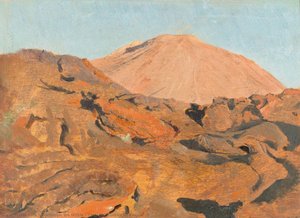
On the Slopes of Vesuvius (III)
 Acrylic On Canvas
- WallArt
- Impressionist Landscape
 1872
1872 17.0 x 31.0 cm
 Musée des impressionnismes Giverny
 詳細を見る
詳細を見る




P118B $10

P118H $10

P118W $10

P438Z $10

P508JH $12

P508YH $12

P805H $10

P805Z $10

P919BZ $10

P919G $10

P919XJ $10

P959ZH $10

P968JZ $12

W106C $8

W218G $10

W218JH $8

W218Y $10

W307PJ $10

W316G $10

W316PJ $8

W316Y $10

W398PJ $8

W4111J $10

W500HY $15

W500JH $15

W692G $12

W849H $8

W940BG $15

W953PJ $8




作品のオリジナル比率に合わせた、当店の規定サイズからお選びください。

特定のフレームやスペースに合わせて、ご希望のサイズをご入力いただけます。選択されたサイズが元の画像の比率と異なる場合、アートワークをトリミングするか、手描きで要素を追加して絵画を拡張いたします。デジタルモックアップ を制作し、制作開始前にご確認(承認)をいただきます。
画面上のプレビューは、実際のトリミングや拡張を正確に反映しているものではありません。最終的な構図は、モックアップによってのみ正確にご確認いただけます。
カスタムサイズもご利用いただけますが、元の比率を維持するためには、あらかじめ用意されたリストからサイズを選択することをお勧めいたします。
ご注文後、ArtsDot.com チームより詳細な指示をお送りするとともに、仕上がりイメージ(モックアップ)をご提供いたします。


 ガラスオプションは、110cm未満のサイズでのみご利用いただけます。

On the Slopes of Vesuvius (III)
複製技法
複製画のサイズ
-


合計金額
$ 263
作品解説
On the Slopes of Vesuvius (III) - Giuseppe De Nittis
Giuseppe De Nittis stands as an undeniable cornerstone of Italian art history, recognized not merely for his prolific output but for his singular ability to synthesize the formal rigor of academic salon painting with the vibrant spontaneity championed by Impressionism. Born in Barletta, Puglia, on February 25, 1846, De Nittis’s artistic journey commenced under the tutelage of Giovanni Battista Calò before a controversial expulsion from Naples’ Instituto di Belle Arti for insubordination irrevocably altered his trajectory—a setback that fueled an unwavering determination to hone his craft and explore innovative approaches to capturing the essence of the natural world. This early dismissal served as catalyst, propelling him toward a path marked by artistic experimentation and profound engagement with the burgeoning Impressionist movement.The Macchiaioli Movement and Florentine Influences
De Nittis’ formative years coincided with the emergence of the Macchiaioli – a revolutionary group of artists who vehemently rejected meticulous detail in favor of bold, expressive brushstrokes and an uncompromising commitment to portraying nature as it appeared directly before their eyes. Embracing this stylistic paradigm—a deliberate departure from prevailing artistic conventions—De Nittis found kinship with fellow Florentine painters like Telemaco Signorini and Federico Zandomeneghi, forging connections that would profoundly shape his artistic vision. The Macchiaioli’s ethos of *plein air* painting – working outdoors directly from observation – instilled in De Nittis a deep appreciation for the ephemeral qualities of light and color—a fascination that would permeate his oeuvre throughout his career. This influence is particularly evident in his landscapes, where he skillfully captures fleeting atmospheric conditions with rapid, energetic brushwork, prioritizing emotional resonance over photographic accuracy.Parisian Years: Recognition and Impressionist Engagement
Seeking artistic validation and immersing himself in the intellectual ferment of Parisian society, De Nittis relocated to France in 1867—a pivotal moment that cemented his affiliation with the influential art dealer Adolphe Goupil. Recognizing the commercial potential of genre paintings—scenes depicting everyday life—De Nittis diligently pursued commissions, establishing a reputation for capturing nuanced psychological portraits and evocative depictions of urban environments. His arrival coincided with the burgeoning Impressionist movement, spearheaded by luminaries like Edgar Degas and Claude Monet, and he quickly befriended fellow expatriate Italian artists residing in Paris—a network that fostered artistic exchange and propelled him toward critical acclaim. Notably, De Nittis’s participation in the inaugural Impressionist Exhibition of 1874—organized by Degas—marked a watershed moment, securing his place among the movement's vanguard and establishing him as a champion of Impressionistic aesthetics.Return to Italy: Vesuvius Landscapes and Continued Success
Returning to his native Barletta in 1872, De Nittis liberated himself from contractual obligations imposed by Goupil—a decision that afforded him unparalleled freedom to pursue his artistic inclinations without constraint. Sensing the transformative power of direct observation—a cornerstone of Impressionist practice—he embarked on a series of expeditions to Vesuvius, documenting the volcano’s dramatic eruptions with meticulous detail and capturing its evolving landscapes with breathtaking vibrancy. These paintings—characterized by their masterful use of color and light—represent De Nittis's most ambitious artistic endeavors, embodying his unwavering devotion to *plein air* painting and cementing his legacy as one of Italy’s foremost Impressionist painters. The eruption of April 26, 1872 served as an inspiration for De Nittis, who produced a remarkable body of studies that exemplify the movement's commitment to capturing transient visual phenomena—a testament to his artistic genius and enduring influence on subsequent generations of artists.Legacy and Influence on Later Artists
Giuseppe De Nittis’s impact extends far beyond his own lifetime, resonating throughout the annals of Italian art history and shaping the aesthetic sensibilities of countless artists who followed in his footsteps. His pioneering embrace of Impressionistic techniques—characterized by loose brushwork, vibrant color palettes, and a preoccupation with capturing atmospheric effects—established him as an innovator whose vision transcended stylistic boundaries. De Nittis’s unwavering commitment to *plein air* painting—a practice championed by luminaries like Gustave Caillebotte and Frederic Bazille—inspired artists across Europe to prioritize direct observation over studio replication—a paradigm shift that fundamentally altered the trajectory of artistic expression. His paintings continue to captivate audiences today, serving as enduring emblems of Impressionistic beauty and embodying De Nittis’s indelible contribution to the canon of Italian art.関連作品
アーティストの略歴
ジュゼッペ・デ・ニティス:サロン絵画と印象派の架け橋
1846年にイタリアのバルレッタで生まれたジュゼッペ・デ・ニティスは、アカデミックなサロン絵画の形式的な慣習と、印象派の鮮やかな自発性を融合させた能力によって、イタリア美術史において重要な人物として認められています。2月25日生まれのデ・ニティスの芸術的旅程は、ジョヴァンニ・バッティスタ・カロの下での学びから始まりましたが、ナポリ美術研究所からの退学という出来事がその進路を大きく変えました。この初期の挫折は、彼の技術を磨き、自然の本質をとらえる革新的なアプローチを探求するという揺るぎない決意を掻き立てました。初期のキャリアと影響:マッキアイオーリ運動
デ・ニティスの形成期は、大胆で表現力豊かな筆致と細部へのこだわりからの脱却を特徴とする革命的な技法を提唱したマッキアイオーリ運動の出現と重なりました。この様式を受け入れ、テレマコ・シニョリーニやセラフィーノ・デ・ティヴォリといった著名人と交流し、フィレンツェで開催された展覧会に参加することで、イタリアのアバンギャルドの中心的な存在としての地位を確立しました。印象派の影響は、彼の作品全体に顕著に表れており、特に光と色の巧みな使用は、両運動の重要な特徴です。デ・ニティスは、自然界の移ろいゆく光景を捉えようとする情熱を注ぎ込み、その繊細な色彩感覚は見る者を魅了しました。パリでの時代とサロンでの評価
より大きな芸術的自由と露出を求めて、デ・ニティスは1867年にパリに移住し、影響力のある美術商アドルフ・グーピルとの有利な契約を結びました。この戦略的な動きにより、彼はパリ社会のスポットライトに照らされ、エドガー・ドガといった印象派の仲間たちと出会う機会を得ました。サロンでのデビューは大きな称賛を受け、聴衆を魅了する才能ある芸術家としての彼の評判を確立しました。サロンからの支持は、さらに芸術的探求を促し、印象派の哲学の中心的な原則である、美しさの一瞬一瞬をとらえるというデ・ニティスの献身を確固たるものにしました。注目作品と芸術的遺産
1874年の最初の印象派展覧会で大きな成功を収めたデ・ニティスは、生涯の協力者となるアーティストたちと出会いました。その年完成した「とても寒い!」(Che Freddo!)は、彼の様式の融合を例証し、批評家から高い評価を受けました。1870年代を通して目覚ましい展覧会を重ねたデ・ニティスは、1878年の万国博覧会で金メダルを受賞し、レジオン・ドヌール勲章を授与されました。これは彼の芸術的功績と国家的な評価の証です。ヴェスヴィオ山の風景画は、イタリアの景観を象徴するアイコンとして残っており、大気遠近法に対する深い理解を示しています。さらに、デ・ニティスが晩年熱心に取り組んだパステル画の使用は、後世のアーティストに大きな影響を与え、印象派の技術と芸術的革新における彼の地位を確固たるものにしました。現代における評価と永続的な影響
デ・ニティスの作品は今日でも多くの観客を魅了し、イタリアのバルレッタにあるジュゼッペ・デ・ニティス美術館などの機関に収蔵されています。「オートゥイユのレース」、「ジョヴァンニ・ボルディーニによるフローリアン夫人の肖像画」、そして「牛がいる風景」といった彼の絵画は、イタリア印象派の永続的な象徴として機能し、自然界の崇高な美しさにとどまらぬデ・ニティスの揺るぎない献身を体現しています。彼は美術史において称賛される人物であり、サロンの伝統と印象派の自発性を巧みに融合させた彼の様式的革新は、世界中のアーティストにインスピレーションを与え続けています。彼の作品は、光と色彩の魔法によって、イタリアの風景を永遠に描き出しています。デ・ニティスは、単なる画家ではなく、時代を超えて人々の心を捉える芸術家なのです。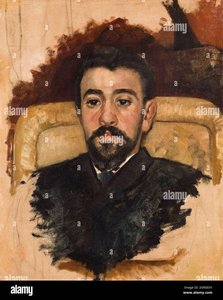
ジュゼッペ・デ・ニティス
1846 - 1884 , イタリア
基本情報
- Artistic Movement Or Style: サロン画と印象派
- Artists Or Movements Influenced By This Artist: ['印象派']
- Artists Who Influenced This Artist: ['テレマコ・シニョリーニ']
- Date Of Birth: 1846年2月25日
- Date Of Death: 1884年8月21日
- Full Name: ジュゼッペ・デ・ニティス
- Nationality: イタリア人
- Notable Artworks (List Of Titles):
- オートゥイユの競馬
- 庭での朝食
- Place Of Birth (City And Country): イタリア、バーレッタ
関連記事

ゴヤ傑作25選:スペインの魂を揺さぶる、深遠な芸術の世界 | ArtsDot
ゴヤ傑作25選:ロマン主義を代表するスペインの巨匠、フランシスコ・デ・ゴヤの世界へ。黒衣の女からマハまで、魂を揺さぶる絵画の物語と技法を紐解きます。ArtsDotで高品質なアートレプリカを見つけ、インテリアに深みと風格を。今すぐコレクションをご覧ください。

About Us
Discover our story! We bring world-class art into your life through expert curation, personalized creations, and free previews. Trusted by individuals and businesses since 2000.
Philip de László: A Portrait of Aristocratic Society & the Cosmopolitan Painter's Evolution
Explore the life & art of Philip de László, master portraitist of European aristocracy. Discover his stunning paintings, royal commissions, and enduring legacy. A guide for discerning collectors.
Wilhelmus de Zwart: Capturing Dutch Life Through the Lens of Realism & Impressionism
Explore the captivating world of Wilhelmus de Zwart, a Dutch master bridging Realism & Impressionism. Discover his landscapes, cityscapes, and unique technique – a compelling study for art enthusiasts and collectors.

ポール・セザンヌ:至高の25選 - 傑作と革新の軌跡 | ArtsDot
ポール・セザンヌの至高の25選。ポスト印象派を代表する画家、セザンヌの傑作と革新的な技法を紐解きます。ArtsDotで高品質な複製画やインテリアアートを見つけ、芸術の世界をご自宅に。今すぐコレクションをご覧ください。

