

 プレビュー
プレビュー
 プリントを購入
 シェアする
シェアする シェアする
シェアする
 詳細を見る
詳細を見る

 ダウンロード
 似ている作品
 X線調査
X線調査 スライドショー
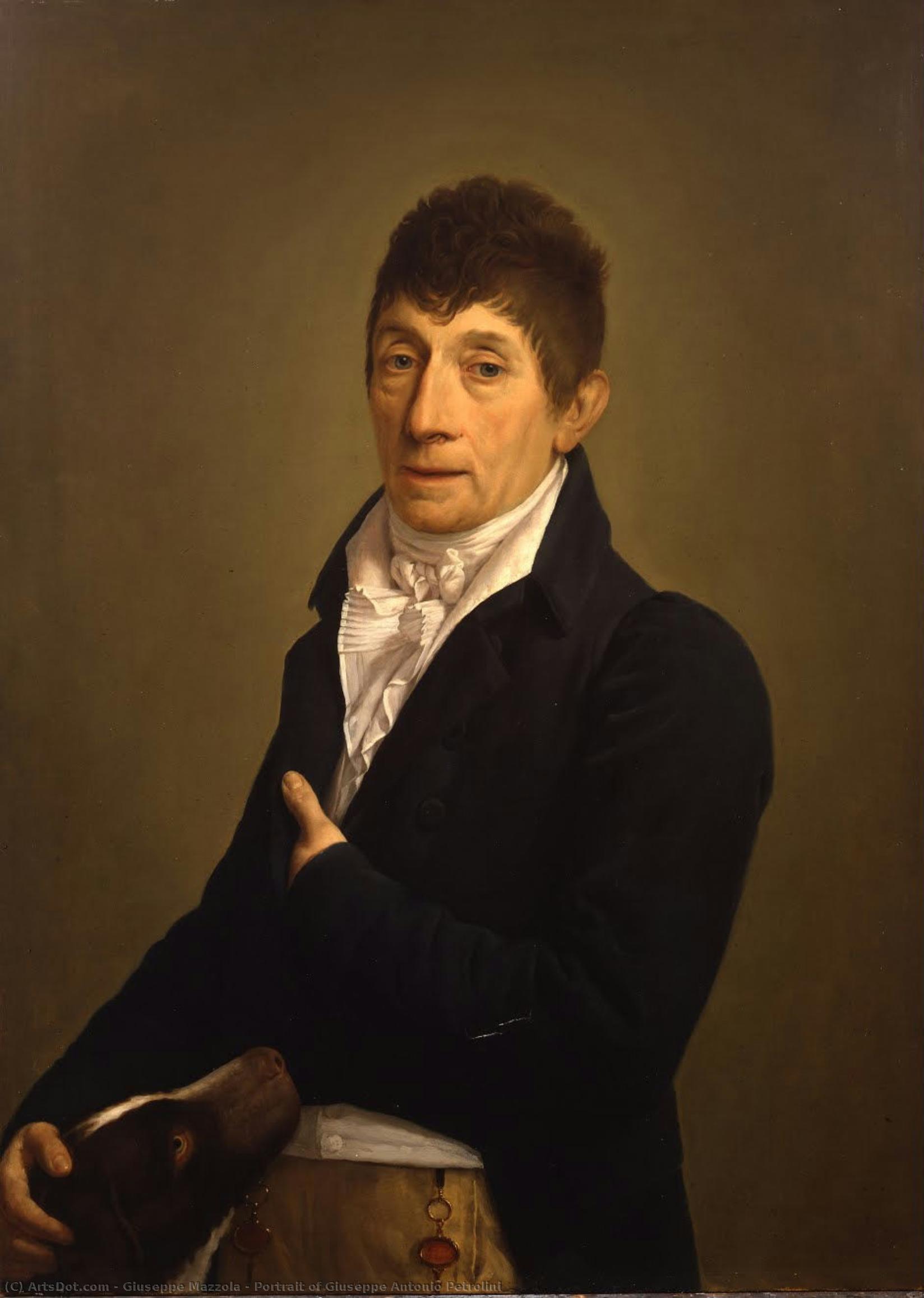
Portrait of Giuseppe Antonio Petrolini


 詳細を見る
詳細を見る




































作品のオリジナル比率に合わせた、当店の規定サイズからお選びください。

特定のフレームやスペースに合わせて、ご希望のサイズをご入力いただけます。選択されたサイズが元の画像の比率と異なる場合、アートワークをトリミングするか、手描きで要素を追加して絵画を拡張いたします。デジタルモックアップ を制作し、制作開始前にご確認(承認)をいただきます。
画面上のプレビューは、実際のトリミングや拡張を正確に反映しているものではありません。最終的な構図は、モックアップによってのみ正確にご確認いただけます。
カスタムサイズもご利用いただけますが、元の比率を維持するためには、あらかじめ用意されたリストからサイズを選択することをお勧めいたします。
ご注文後、ArtsDot.com チームより詳細な指示をお送りするとともに、仕上がりイメージ(モックアップ)をご提供いたします。


 ガラスオプションは、110cm未満のサイズでのみご利用いただけます。

Portrait of Giuseppe Antonio Petrolini
複製技法
複製画のサイズ
-


合計金額
$ 263
関連作品
アーティストの略歴
Jacques-Louis David: Architect of a Revolutionary Vision
Jacques-Louis David, born in Paris on August 30, 1748, wasn’t merely a painter; he was a pivotal figure who shaped the artistic landscape of late 18th and early 19th century France. His life coincided with – and profoundly influenced – some of the most transformative moments in European history: the waning days of the Ancien Régime, the fervor of the French Revolution, and the rise and fall of Napoleon Bonaparte. David’s artistic journey wasn't one of effortless brilliance; it was marked by struggle, experimentation, and a relentless pursuit of classical ideals, ultimately culminating in his status as the leading painter of his time and a key interpreter of an era.
David’s early life offered few guarantees of artistic success. Born into a family marred by tragedy – his father’s death in a duel at nine years old – he was left to be raised by two distant uncles, a circumstance that instilled within him a sense of insecurity and a determination to prove himself. His initial attempts at painting were met with discouragement, leading to a near-fatal suicide attempt fueled by artistic frustration. This period of hardship ultimately steered him towards the tutelage of François Boucher, a prominent Rococo painter, who recognized David’s potential and introduced him to the world of art. However, Boucher's style—characterized by its opulence and decorative flourishes—felt increasingly inadequate for David’s burgeoning vision. He sought guidance from Joseph-Marie Vien, a more classically inclined artist, who provided a crucial bridge towards the Neoclassical movement that would define David’s career.
Vien's influence proved pivotal, exposing David to the principles of ancient Greek and Roman art – particularly the works of Poussin and Caravaggio. This immersion in classical antiquity ignited within him a desire to emulate the clarity, restraint, and moral seriousness he observed in these masters. His travels to Rome further solidified this commitment, where he meticulously studied the ruins of the empire and absorbed the artistic traditions of the Renaissance. Upon his return to Paris, David’s style began to evolve, moving away from the frivolous excesses of Rococo towards a more austere and monumental aesthetic. His 1784 painting, “Andromache Mourning Hector,” marked this transition, showcasing a dramatic composition, carefully rendered figures, and a deliberate avoidance of decorative elements – a clear signal of his commitment to Neoclassicism.
The Revolutionary Years: Art as Propaganda
The French Revolution dramatically altered the course of David’s career and artistic output. Initially, he served as the director of the arts for the National Convention, tasked with shaping the visual language of the new republic. This period saw him create works that were not merely aesthetically pleasing but also politically charged – designed to inspire patriotism, virtue, and a return to republican ideals. “Oath of the Horatii,” completed in 1784, became an immediate symbol of revolutionary fervor, its depiction of Roman heroism embodying the virtues of self-sacrifice and civic duty. David’s subsequent works—including “The Death of Marat” (1793) and “The Lictors Bringing to Brutus the Bodies of His Sons” (1794)—further cemented his role as a propagandist for the revolution, portraying key figures in starkly heroic terms.
“The Death of Marat,” arguably David’s most famous work, is particularly noteworthy. Painted shortly after Marat's assassination, it presents a carefully constructed image of the revolutionary leader as a martyr – his body submerged in blood, yet radiating an aura of noble sacrifice. The painting deliberately obscures details, emphasizing Marat’s idealized portrayal and reinforcing the narrative of his selfless dedication to the cause of liberty. David’s manipulation of light, color, and composition served not only to capture the dramatic moment but also to evoke a powerful emotional response in the viewer – one of reverence and admiration for the revolutionary hero.
The Napoleonic Era: Triumph and Disappointment
With the rise of Napoleon Bonaparte, David’s artistic allegiance shifted dramatically. Initially, he embraced Napoleon as a savior of the revolution, producing monumental history paintings that glorified his military victories and imperial ambitions. “Napoleon Crossing the Alps” (1800), arguably his most iconic work, exemplifies this shift – depicting Napoleon as a heroic figure leading his troops over the formidable Mont Blanc mountain range. The painting’s dramatic composition, dynamic movement, and carefully orchestrated symbolism served to elevate Napoleon to the status of a divine leader, embodying strength, courage, and strategic brilliance.
However, David's relationship with Napoleon soured after the disastrous Russian campaign in 1812. Napoleon, deeply dissatisfied with “Napoleon Crossing the Alps,” reportedly declared that it was "too small for such a great man." This rejection marked a turning point in David’s career and reflected the growing tensions between the artist and the emperor. David subsequently produced “The Coronation of Napoleon” (1804), a vast and opulent depiction of the imperial coronation, but his artistic focus shifted away from glorifying Napoleon's military achievements towards exploring themes of morality and spirituality.
Legacy and Influence
Despite the shifting political landscape, Jacques-Louis David remained a highly influential figure in the art world. His commitment to Neoclassical principles—characterized by rigorous lines, sculpted forms, and polished surfaces—provided a model for generations of artists. He trained numerous students, including Anne-Louis Girodet-Trioson, François Gérard, and Antoine Jean Gros, who went on to become prominent painters in their own right. David’s emphasis on historical subjects, moral themes, and dramatic composition profoundly impacted the development of history painting throughout the 19th century.
David's legacy extends beyond his individual works; he embodies a pivotal moment in art history—the transition from Rococo frivolity to Neoclassical seriousness. His paintings serve as powerful reminders of the political and social upheavals that shaped France during the late 18th and early 19th centuries, offering valuable insights into the complex relationship between art, politics, and ideology. Jacques-Louis David died in Brussels on December 29, 1825, leaving behind a body of work that continues to fascinate and inspire audiences today.
giuseppe mazzola
1748 - 1838 , Italy
基本情報
- Artistic Movement Or Style: Neoclassicism
- Artists Or Movements Influenced By This Artist:
- Anne Louis Girodet
- François Gérard
- Artists Who Influenced This Artist:
- Joseph-Marie Vien
- Nicolas Poussin
- Date Of Birth: August 30, 1748
- Date Of Death: December 29, 1825
- Full Name: Jacques-Louis David
- Nationality: French
- Notable Artworks:
- Oath of the Horatii
- Death of Marat
- Napoleon Crossing Alps
- Place Of Birth: Paris, France
関連記事
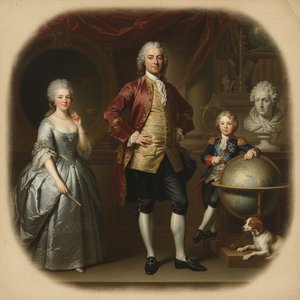
Reflecting Nobility & Nuance: 18th-Century Portraiture as a Window into Societal Values
Explore the world of 18th-century portraiture with ArtsDot. Discover symbolism, artistic innovation & societal values reflected in masterpieces by Reynolds, Hogarth & more. Expert insights for collectors.
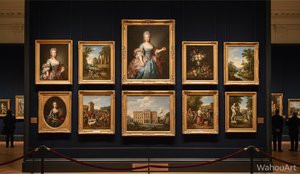
18th Century Masters: 10 Artworks That Define an Era | ArtsDot
Journey through 18th century art! Explore 10 iconic paintings – from Rococo elegance to Neoclassical grandeur. Discover Fragonard, David & more. Find museum-quality reproductions and elevate your home decor on ArtsDot.com.
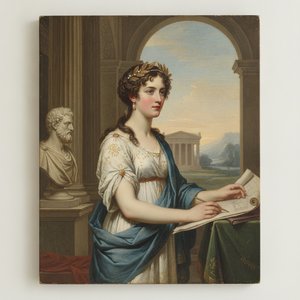
The Revival of Antiquity: Exploring Ideals of Beauty & Power in Neoclassical Portraiture
Explore the captivating world of Neoclassical portraiture! Discover the power & ideals behind masterpieces by David, Girodet & more. Expert analysis, custom reproductions & art appraisal at ArtsDot.
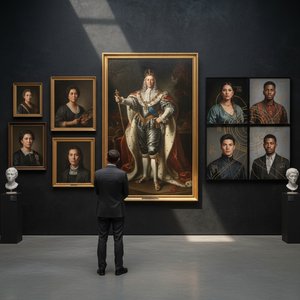
The Enduring Legacy of Formal Portraiture: Power, Identity & Artistic Exploration
Explore the rich history of formal portraiture & its enduring power to capture identity and shape perception. Discover investment-worthy artworks, expert appraisals, and custom reproduction services at ArtsDot.
The Enduring Gaze: Portraiture's Historical & Psychological Evolution
Explore the rich history of portraiture with expert analysis from ArtsDot. Discover iconic Renaissance masterpieces, symbolism & techniques that shaped identity. Find museum-quality art for your collection.

