

 プレビュー
プレビュー
 プリントを購入
 シェアする
シェアする シェアする
シェアする
 詳細を見る
詳細を見る

 ダウンロード
 似ている作品
 X線調査
X線調査 スライドショー
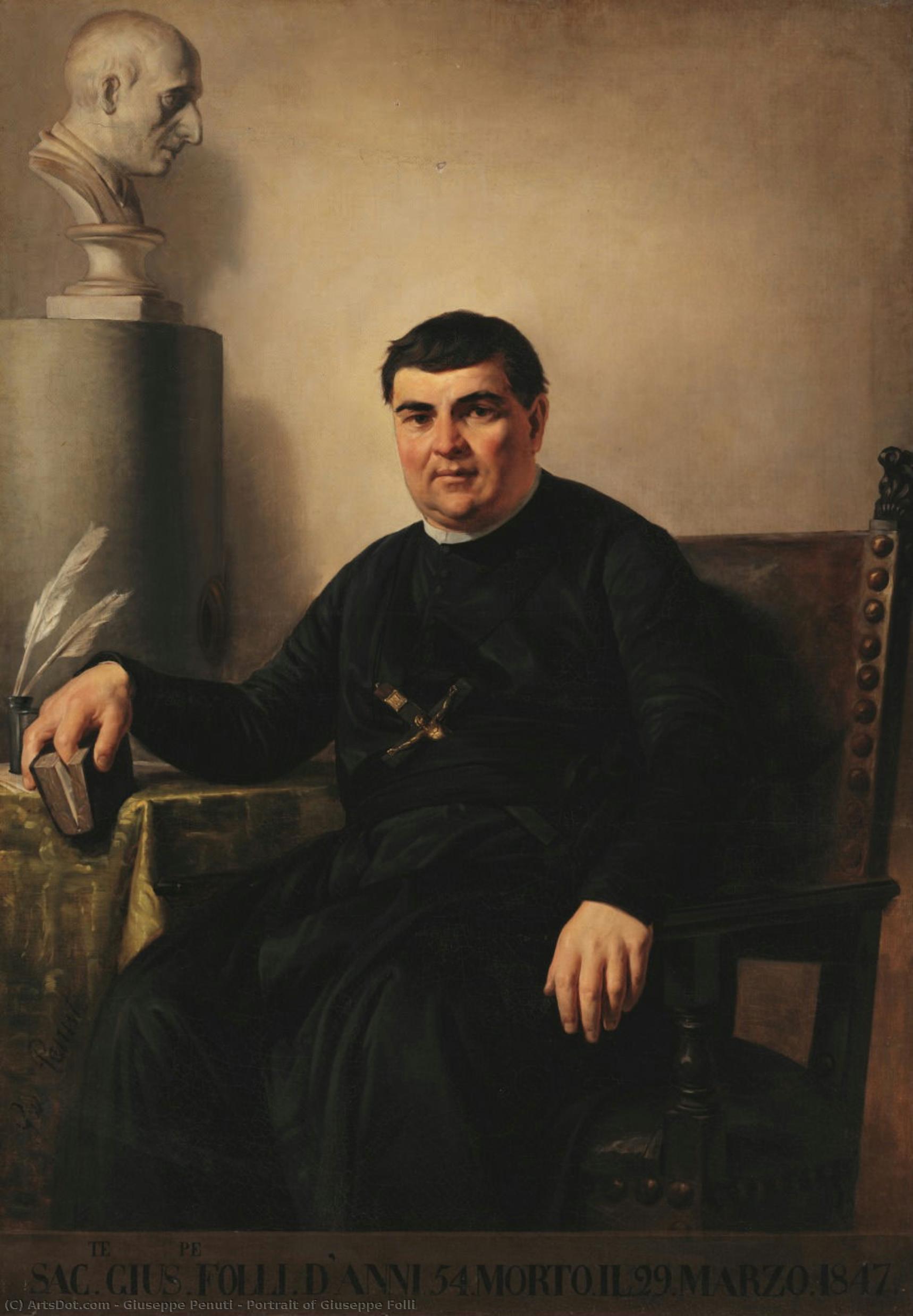
Portrait of Giuseppe Folli
 Academic Realism
 1847
1847 148.0 x 104.0 cm
 Ca’ Granda – Ospedale Maggiore Policlinico
 詳細を見る
詳細を見る
オンラインプレビューをはるかに凌ぐ、高解像度で鮮明なデジタル画像をご購入いただけます。
各ファイルは、社内の専門家が高度なツールと熟練した手作業によるレタッチを用いて、細心の注意を払って準備されています。すべての画像において、卓越した鮮明度、正確な色彩再現性、そして繊細なディテールを保証いたします。
最終ファイルは、プロフェッショナルな編集・印刷環境ですぐにご利用いただけるよう最適化された状態で、72時間以内にメールにてお届けいたします。これは、一流のデザインスタジオ、出版社、ギャラリーから信頼されているものと同等の品質です。
デジタル画像のご注文に付随する特典
高品質なデジタル画像配信を、確かな品質で。
ArtsDot.com を選ぶことは、単に画像を手に入れることではありません。それは、プロの手によって精密に仕上げられ、満足保証が付いた高品質なデジタルアートワークを受け取ることを意味します。ご注文いただいた際に自動的に付随する内容は、以下の通りです:

メールですぐにお届け
ご注文から72時間以内に、高解像度のデジタル画像ファイルがメールでお手元に届きます。すぐにそのままご利用いただけます。

AI技術で最適化されたデジタルファイル
お客様の作品は、高度なAIツールと専門家による手作業の編集を組み合わせてプロフェッショナルに最適化されており、細部のディテール、鮮明さ、そして正確な色再現性を最大限に引き出しています。

一生涯無料の再送サービス
ファイルを誤って削除したり、紛失してしまったりしましたか?ご安心ください。いつでも無料で再送いたします。

輸入手数料は一切かかりません
関税や手数料、配送料を気にすることなく、お気に入りのアートワークをすぐにお楽しみいただけます。デジタルダウンロードは常に免税です。

色彩再現の保証
プロ仕様のツールとカラーマネジメント技術を用いることで、デジタル画像が元の色を最大限に忠実に再現することを保証いたします。

60日間満足保証
ご購入いただいたデジタル画像にご満足いただけない場合は、60日以内であれば、修正または100%の返金(理由を問う必要はありません)をさせていただきます。

100% 返金保証
ご満足いただけない場合は、デジタルファイルを受け取ってから60日以内であれば、理由を問わず全額返金いたします。

まとめ買い割引
3枚購入で10%OFF - 5枚購入で15%OFF - 10枚以上購入で20%OFF。クリエイティブなプロジェクト、ギャラリー、エージェンシーに最適です。
関連作品
作家の略歴
Constant Troyon: Bridging Porcelain and Pastoral
August 28, 1810, marked the birth of Constant Troyon in Sèvres, a town inextricably linked to the exquisite world of porcelain. His early life was far removed from the delicate artistry of the Royal Manufactory, however; he began his career as a decorator, meticulously applying intricate designs to countless pieces of china. This demanding apprenticeship instilled within him an appreciation for detail and precision – qualities that would later profoundly shape his approach to painting. For decades, Troyon’s hands were immersed in the world of miniature ornamentation, a seemingly disparate path that ultimately provided a crucial foundation for his artistic development. It wasn't until he reached twenty-one that he dared to pursue his own vision as an artist, embarking on a journey across France, capturing landscapes with a nascent talent and a growing desire to break free from the constraints of his previous profession.
The turning point in Troyon’s career arrived through the mentorship of Camille Roqueplan, a respected painter and a key figure within the burgeoning Barbizon school. Roqueplan recognized Troyon's potential and introduced him to the circle of artists who were challenging the established Salon system and seeking inspiration from nature itself. This exposure proved transformative, leading Troyon away from purely decorative work and towards a more direct engagement with the world around him. He began to study the techniques of his fellow Barbizon painters – Jules Dupré, Théodore Rousseau, and others – absorbing their emphasis on plein air painting and their commitment to capturing the authentic essence of the French countryside.
The Influence of Dutch Masters
A pivotal moment in Troyon’s artistic evolution occurred during a visit to the Netherlands in 1846. Inspired by the works of Paulus Potter, Aelbert Cuyp, and Rembrandt, he recognized a new path for his art. Potter's celebrated “Young Bull” ignited within him a fascination with animal painting – a subject that would ultimately become his signature style. Cuyp’s luminous landscapes, imbued with a sense of atmospheric depth and light, offered a model for Troyon’s own depictions of the rural world. And Rembrandt’s masterful use of chiaroscuro—the dramatic interplay of light and shadow—provided him with a powerful tool to convey mood and emotion. These encounters weren't merely stylistic influences; they represented a fundamental shift in Troyon’s artistic philosophy, moving away from idealized representations towards a more grounded and observational approach.
Returning to France, Troyon began to translate these Dutch lessons into his own work. He meticulously studied the behavior of livestock – cows, horses, sheep – patiently observing their movements, postures, and expressions. This dedication to realism was coupled with an intuitive understanding of color and light, allowing him to capture not just the physical appearance of animals but also their spirit and vitality. His paintings were no longer simply depictions of creatures; they were imbued with a sense of life and immediacy that captivated viewers.
A Master of Animal Portraiture
Troyon’s fame rests primarily on his extraordinary ability to portray animals with remarkable sensitivity and accuracy. He wasn't interested in merely reproducing their outward appearance; he sought to capture their essence, their personalities, and their relationship to the landscape. His paintings are characterized by a profound understanding of animal behavior – a keen awareness of their movements, gestures, and expressions. He achieved this through countless hours spent observing animals in their natural habitats, patiently studying their habits and nuances.
His subjects ranged from majestic cattle grazing in sun-drenched meadows to humble sheep huddled together against the wind. He rendered each animal with a remarkable level of detail, paying close attention to the texture of their coats, the sheen of their eyes, and the subtle shifts in their posture. Yet, despite this meticulous realism, his paintings never feel stiff or lifeless. Instead, they radiate warmth, vitality, and an undeniable sense of connection between the animals and the surrounding environment. His work became immensely popular in Britain and America, where it was celebrated for its authenticity and emotional resonance.
Legacy and Historical Significance
Constant Troyon’s artistic journey is a testament to the power of observation, dedication, and a willingness to embrace new influences. Initially trained as a porcelain decorator, he ultimately forged a unique path as one of the most celebrated animal painters of his era. His paintings not only captured the beauty of the French countryside but also offered a profound insight into the lives of animals – revealing their intelligence, sensitivity, and inherent dignity.
While often overshadowed by the more flamboyant figures of the Barbizon school, Troyon’s contribution to French art is undeniable. He demonstrated that landscape painting could be both realistic and emotionally evocative, and his masterful depictions of livestock helped to establish a new standard for animal portraiture. His legacy endures today, inspiring artists with his unwavering commitment to observation, his profound understanding of nature, and his ability to capture the essence of life in all its forms. He died in 1865, leaving behind a body of work that continues to captivate viewers with its beauty, authenticity, and enduring charm.
giuseppe penuti
1810 - 1877 , Italy
プロフィール概要
- Artistic Movement Or Style: Barbizon School
- Artists Or Movements Influenced By This Artist: ['Barbizon School']
- Artists Who Influenced This Artist:
- Camille Roqueplan
- Paulus Potter
- Aelbert Cuyp
- Rembrandt
- Date Of Birth: August 28, 1810
- Date Of Death: February 21, 1865
- Full Name: Constant Troyon
- Nationality: French
- Notable Artworks:
- Young Bull
- The Raft of the Medusa
- Place Of Birth: Sèvres, France

