

 プレビュー
プレビュー
 プリントを購入
 シェアする
シェアする シェアする
シェアする
 詳細を見る
詳細を見る

 ダウンロード
 似ている作品
 X線調査
X線調査 スライドショー
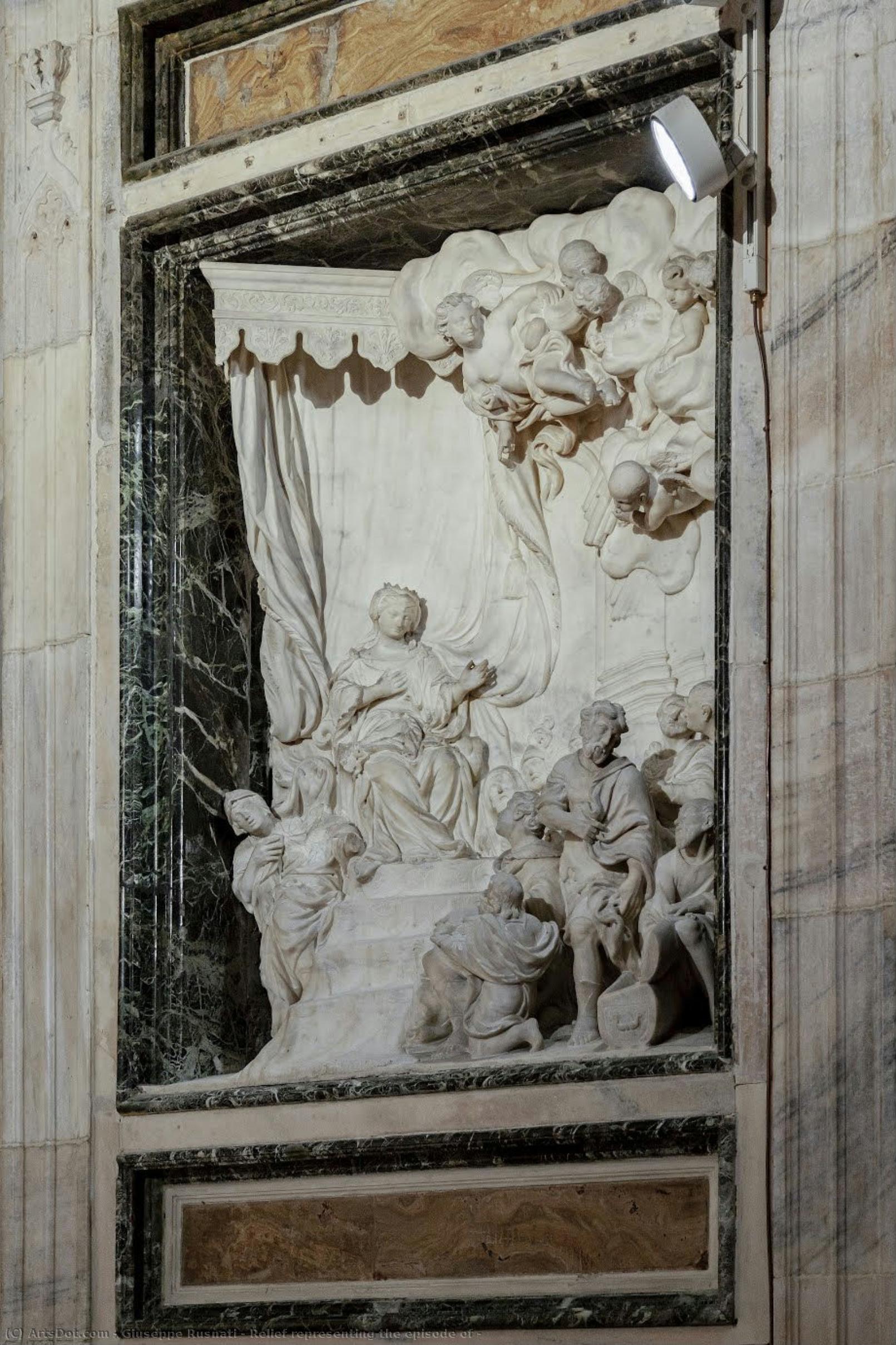
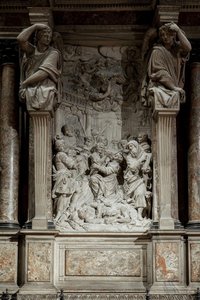
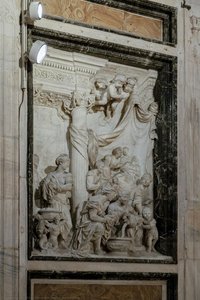
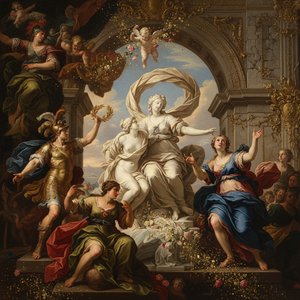
Relief representing the episode of


 詳細を見る
詳細を見る




































作品のオリジナル比率に合わせた、当店の規定サイズからお選びください。

特定のフレームやスペースに合わせて、ご希望のサイズをご入力いただけます。選択されたサイズが元の画像の比率と異なる場合、アートワークをトリミングするか、手描きで要素を追加して絵画を拡張いたします。デジタルモックアップ を制作し、制作開始前にご確認(承認)をいただきます。
画面上のプレビューは、実際のトリミングや拡張を正確に反映しているものではありません。最終的な構図は、モックアップによってのみ正確にご確認いただけます。
カスタムサイズもご利用いただけますが、元の比率を維持するためには、あらかじめ用意されたリストからサイズを選択することをお勧めいたします。
ご注文後、ArtsDot.com チームより詳細な指示をお送りするとともに、仕上がりイメージ(モックアップ)をご提供いたします。


 ガラスオプションは、110cm未満のサイズでのみご利用いただけます。

Relief representing the episode of
複製技法
複製画のサイズ
-


合計金額
$ 438
関連作品

アーティストの略歴
The Sculptor of Milanese Grandeur
Giuseppe Rusnati stands as a pivotal figure in the Lombard Baroque, an artist whose hands breathed life into marble to embody the opulent aesthetic sensibilities of his era. Born in 1650 in Gallarate, near the vibrant artistic hub of Milan, Rusnati’s journey was one of profound mentorship and technical mastery. His early training began under the esteemed Ercole Ferrata, a connection that firmly rooted him within the influential artistic milieu of Northern Italy. This formative experience provided the foundation for a career defined by movement and spiritual depth. By 1673, his evolution continued as he accepted a mentorship from Camillo Rusconi, a relationship that fostered deep collaboration and refined his understanding of the sculptural complexities required to command large-scale architectural spaces.
The legacy of Rusnati is etched into the very stone of Italy’s most iconic religious and civic landmarks. His reputation soared through prestigious commissions for institutions such as the Duomo di Milano and the Certosa di Pavia, projects that demanded both immense physical labor and a sophisticated grasp of Baroque grandeur. Beyond the city limits, his influence reached the Sacri Monti of Piedmont and Lombardy, where he contributed monumental religious sculptures designed to inspire awe and devotion in pilgrims. His work at the Santa Maria della Passione in Milan, particularly his role in adorning its elaborate facades, remains a testament to his ability to marry structural architecture with delicate, expressive carving.
Mastery of Form and Motion
Rusnati’s artistic style is characterized by a breathtaking dynamism and an expressive realism that are hallmarks of the Baroque tradition. He was a master of contrapposto, utilizing the subtle offset of weight in his figures to imbue cold stone with a sense of vitality and organic movement. This technique allowed him to capture nuanced human emotions, ranging from quiet piety to dramatic intensity, effectively bridging the gap between the earthly and the divine. Influenced by the theatricality of Bernini and the dramatic chiaroscuro of Caravaggio, Rusnati embraced the use of light and shadow to heighten the visual impact of his compositions, creating a sense of stage-like drama that engaged the viewer’s imagination.
His technical prowess extended into the intricate details of relief work and portraiture. Whether carving delicate religious scenes or monumental busts, such as those attributed to the Marquis of Cislago, Rusnati maintained a standard of meticulous execution. His ability to manipulate marble to mimic the softness of skin or the heavy folds of drapery ensured that his works were not merely decorations, but living narratives. This mastery helped shape the broader artistic landscape of Milanese Baroque, leaving behind a trail of masterpieces that continue to define the cultural identity of Northern Italy.
A Lasting Artistic Legacy
The historical significance of Giuseppe Rusnati lies in his role as a bridge between generations of Italian sculptors. By training under Ferrata and subsequently mentoring the young Camillo Rusconi, he acted as a vital link in the transmission of sculptural excellence from the mid-17th century into the dawn of the Rococo period. His life, which concluded in Milan in 1713, marked the end of an era of intense Lombard craftsmanship that prioritized both emotional resonance and architectural integration.
Today, his contributions are recognized through several key achievements:
- Architectural Integration: His transformative work on the facades of Milanese churches, most notably Santa Maria della Passione.
- Religious Devotion: The creation of profound sculptural elements for the Sacri Monti, contributing to the spiritual landscape of the Piedmont and Lombardy regions.
- Technical Innovation: The sophisticated use of movement and light to advance the expressive capabilities of Baroque marble carving.
- Pedagogical Influence: His role in nurturing the next generation of masters, ensuring the continuity of the Italian sculptural tradition.
giuseppe rusnati
1650 - 1713 , Italy
基本情報
- Artistic Movement Or Style: Rococo Sculpture
- Artists Or Movements Influenced By This Artist: ['Baroque']
- Artists Who Influenced This Artist: ['Ercole Ferrata']
- Date Of Birth: 1650
- Date Of Death: 1713
- Full Name: Giuseppe Rusnati
- Nationality: Italian
- Notable Artworks:
- Relief representing the episode of
- Relief representing the episode of
- The Happy Mother
- Place Of Birth: Gallarate, Italy
関連記事

Bronze Sculptures That Defined Art History | ArtsDot
Journey through art history with our Top 10 bronze sculptures! Explore masterpieces by Rodin, Michelangelo & more. Discover stories behind iconic statues and find museum-quality reproductions for your home decor at ArtsDot.com.
The Enduring Allure of Marble in Art History: From Classical Sculpture to Modern Abstraction
Explore the captivating history of marble sculpture from ancient Greece to modern art. Discover renowned artists like Canova & Michelangelo, carving techniques, and investment insights at ArtsDot.

The Enduring Form: Exploring Themes & Techniques in Sculpture Across Historical Periods
Explore the rich history of sculpture from ancient masterpieces to contemporary innovations. Discover key techniques, influential artists & investment potential for discerning art collectors.
Theatricality & Triumph: Baroque Drama in Painting & Sculpture
Explore the dramatic world of Baroque art! Discover its history, defining characteristics, & lasting influence on painting & sculpture. Expert insights into Caravaggio, Zurbarán, and Bernini – plus high-quality reproductions at ArtsDot.

The Enduring Form: Sculpture Across History, Technique & Emotional Resonance
Explore the rich history of sculpture with ArtsDot. Discover key techniques, influential artists & investment potential for discerning collectors. Expert insights into valuing and collecting timeless masterpieces.

