 プレビュー
プレビュー
 シェアする
シェアする シェアする
シェアする
 詳細を見る
詳細を見る

 ダウンロード
 似ている作品
 X線調査
X線調査 スライドショー
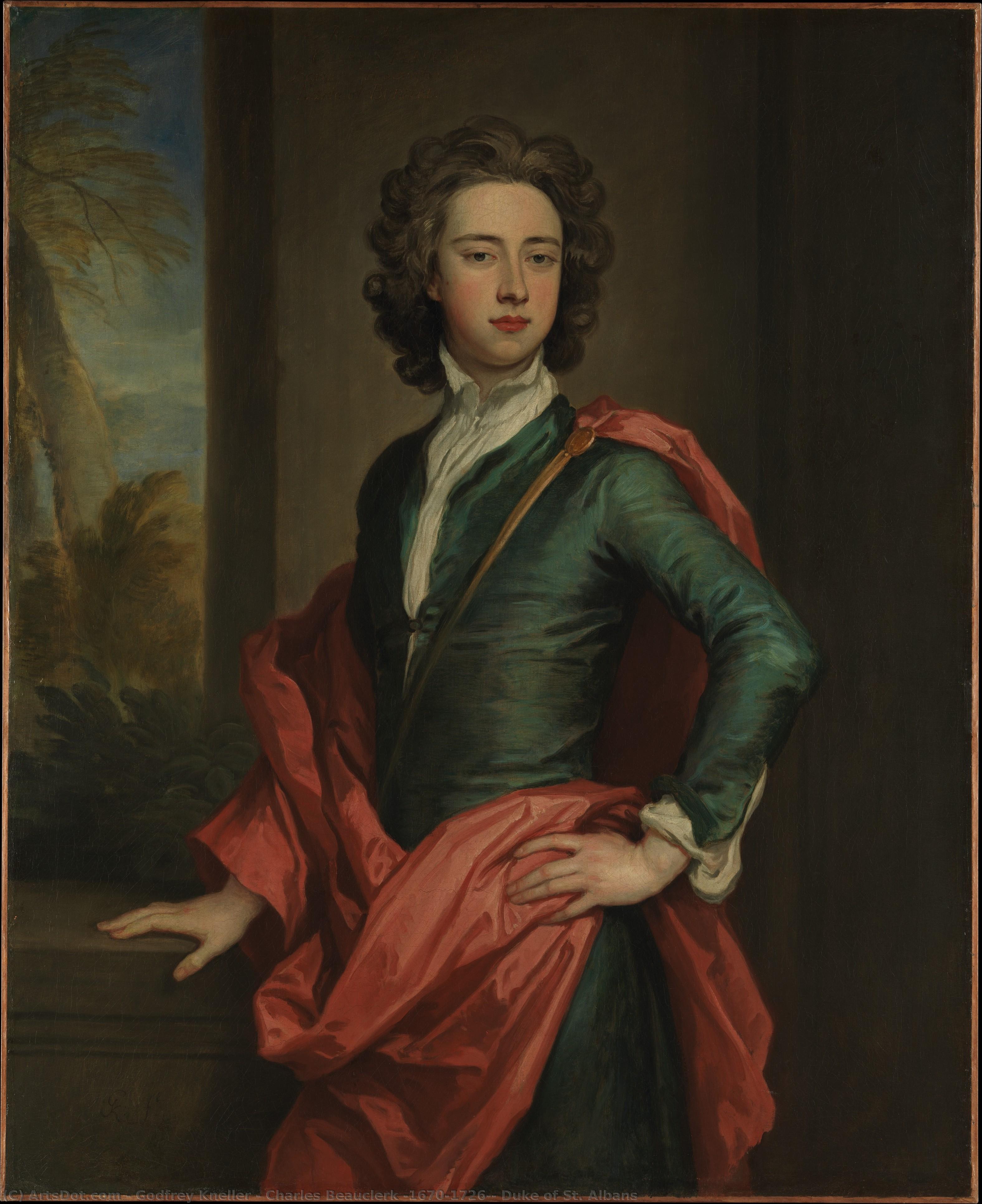
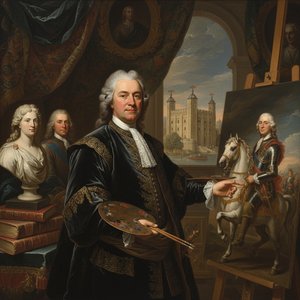
チャールズ・ビュークロフト(1670年生まれ、ダクエージースタアルバన్స్)”
 キャンバスにアクリル絵具
- ウォールアート
- Baroque Style
 1690
1690 127.0 x 103.0 cm
 メトロポリタン美術館
 詳細を見る
詳細を見る
ジークレー/アートプリント
迅速な制作と多彩な仕上げオプションを備えた、ミュージアムクオリティのジークレーまたはキャンバスプリント。 ( 手描きの絵画を購入 画像を購入)




P118B $10

P118H $10

P118W $10

P438Z $10

P508JH $12

P508YH $12

P805H $10

P805Z $10

P919BZ $10

P919G $10

P919XJ $10

P959ZH $10

P968JZ $12

W106C $8

W218G $10

W218JH $8

W218Y $10

W307PJ $10

W316G $10

W316PJ $8

W316Y $10

W398PJ $8

W4111J $10

W500HY $15

W500JH $15

W692G $12

W849H $8

W940BG $15

W953PJ $8




作品のオリジナル比率に合わせた、当店の規定サイズからお選びください。

特定のフレームやスペースに合わせて、ご自身でサイズを指定することも可能です。選択されたサイズが元の画像の比率と一致しない場合、作品をトリミングするか、鏡面反射または単色での塗りつぶしによって画像を拡張いたします。制作を開始する前に、ご確認用のデジタルモックアップをお送りいたします。
画面上のプレビューには、実際のトリミングや拡張は反映されませんのでご注意ください。最終的な構図を正確に確認できるのは、モックアップのみとなります。
カスタムサイズも承っておりますが、元の比率を維持するためには、あらかじめ用意されたリストからサイズを選択することをお勧めいたします。


 ガラスオプションは、110cm未満のサイズでのみご利用いただけます。

チャールズ・ビュークロフト(1670年生まれ、ダクエージースタアルバన్స్)”
ジークレー/アートプリント
複製画のサイズ
-


合計金額
$ 62
チャールズ・ビュークロフト(1670~1726)、ダクエージョ・セント・アルバムンについて
チャールズ・ビュークロフトの肖像画は、ゴードリー・ノイラーによる作品で、バロック様式を代表する絵画です。この絵は、ロンドン王室画家として活躍したゴードリー・ノイラーの卓越した技術と芸術的センスが凝縮されています。特に彼の特徴的な筆致は、絵画全体に広がり、見る人に圧倒的な印象を与えます。- 主題: チャールズ・ビュークロフトは、イングランド王室のチャールズ2世と女優ネールの間の不倫の子として生まれました。彼は1670年に誕生し、その後の人生はイギリス社会における権力と地位を確立するために費やされました。
- スタイル: ノイラーの絵画はバロック様式の特徴を備え、重厚な色彩とダイナミックな構図が用いられています。彼は伝統的な絵画技法に新たな解釈を加えることで、当時の美術界に大きな影響を与えました。特に彼の作品は、王室や貴族といった権力者の肖像画において、洗練された表現と誇張された効果を追求しました。
- 技術: ノイラーの絵画技法は、細密な観察と正確な描写に基づいています。彼は光と影のコントラストを巧みに使いこなし、人物や背景に立体感を加えました。彼の筆致は力強く安定しており、絵画全体に動きと生命力を与えます。
- 歴史的背景: この肖像画が制作されたのは、ロ イアール王室におけるバロック美術の黄金時代でした。チャールズ2世の死後、ジョージ1世が即位し、イギリスは政治的な混乱を経て新たな秩序を築き上げました。この絵画は当時の社会情勢と文化的な価値観を反映しており、その時代の権力者のイメージを確立する役割を果たしました。
- 象徴性: 絵画に用いられた緑色の外套や赤いトリムは、当時の貴族階級の富と権力を象徴しています。また、白いシャツやネクタイは、肖像画に洗練された印象を与え、チャールズ・ビュークロフトの優雅さを表現しています。背景にある植物は、生命力と繁栄を暗示しており、絵画全体に豊かな色彩と雰囲気を醸し出しています。時計は時間経過と権力の象徴であり、絵画に歴史的な深みを与えています。
関連作品
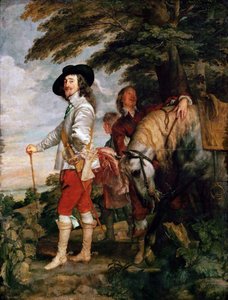
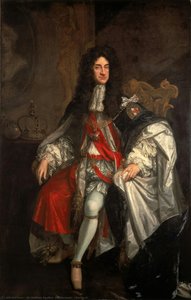

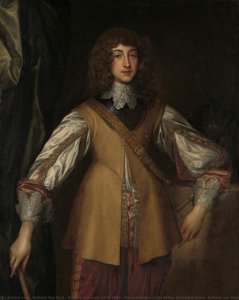
アーティストの略歴
The Cosmopolitan Brush: Godfrey Kneller and the Shaping of English Portraiture
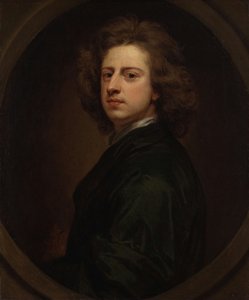
Godfrey Kneller, born in Lübeck, Germany, in 1646, wasn’t merely a painter who found success on English shores; he was an architect of its artistic identity. His arrival in London around 1676, following periods of study and work in Italy and France, coincided with a burgeoning desire for a distinctly English style – one that moved beyond the imitation of continental masters. Kneller didn’t simply fulfill this need, he *defined* it. He wasn't born into privilege; his father was a modest Mennonite painter, and young Godfrey received his initial training within the family workshop. This grounding in craft, coupled with an insatiable appetite for learning, propelled him towards Italy, where he absorbed the influence of Baroque masters like Guido Reni and Annibale Carracci. However, it was Paris, under the tutelage of Simon Vouet’s nephew, that truly began to shape his grand, theatrical style – a style perfectly suited to the tastes of the Restoration court.From Royal Patronage to National Iconography
Kneller's ascent in England was remarkably swift. He secured commissions from prominent figures almost immediately, but it was his appointment as Principal Painter to King Charles II in 1679 that cemented his position at the heart of English artistic life. This role wasn’t just about painting portraits; it was about creating an image of power and legitimacy for the monarchy. Kneller understood this implicitly. His royal portraits – bold, imposing, and richly detailed – weren't simply likenesses; they were statements of authority. He moved away from the stiff formality of earlier English portraiture, introducing a dynamism and psychological depth that had been largely absent. He wasn’t afraid to depict his sitters with flaws, but always within a framework that emphasized their status and character. This ability to balance realism with idealization proved incredibly popular. Beyond the royal family, Kneller became *the* portraitist of the English elite – dukes, earls, bishops, admirals, and literary figures all clamored for his services.The Kit-Cat Club and a Portrait Style Defined
Kneller’s influence extended far beyond his brushstrokes. He was a central figure in London's vibrant intellectual and social circles, most notably as a founding member of the Kit-Cat Club – a gathering of Whig politicians, writers, and artists. This association not only provided him with a steady stream of commissions but also shaped his artistic vision. The Kit-Cats valued wit, intelligence, and public service, and these qualities are subtly reflected in Kneller’s portraits of its members. He developed a distinctive style characterized by a loose, painterly technique, a warm color palette, and an emphasis on the sitter's personality. His famous “Kit-Cat Portraits” – a series of standardized half-length portraits featuring his clubmates – became iconic representations of English intellectual life. These works weren’t just about capturing physical resemblance; they were about celebrating a shared ethos. He also pioneered the use of cartoons, preparatory drawings used to standardize portrait production, making high-quality portraits more accessible and contributing to the widespread dissemination of his style.A Legacy Beyond Likeness: Kneller's Enduring Impact
Kneller’s impact on English art is undeniable. He established a new standard for portraiture – one that emphasized psychological realism, painterly technique, and a distinctly English sensibility. He trained a generation of artists, including some of the most important portraitists of the 18th century, such as Jonathan Richardson and Stephen Slaughter. His influence can be seen in the work of virtually every major English portrait painter who followed him. He wasn’t simply copying continental styles; he was synthesizing them with his own unique vision and adapting them to the specific needs and tastes of English society. He founded the Academy of Painting or Great Britain in 1711, a precursor to the Royal Academy, demonstrating his commitment to fostering artistic education and professionalizing the field. While later critics sometimes dismissed his work as overly formulaic or lacking in technical brilliance, Kneller’s portraits remain compelling for their ability to capture not just *what* people looked like, but *who* they were – or who they aspired to be. He died in London in 1723, leaving behind a vast body of work that continues to shape our understanding of the English elite and the artistic landscape of the late 17th and early 18th centuries.Key Achievements & Historical Significance
- Established himself as Principal Painter to King Charles II, solidifying his position at court.
- Developed a distinctive portrait style characterized by painterly technique and psychological depth.
- Pioneered the use of cartoons for standardized portrait production.
- Founded the Academy of Painting or Great Britain, promoting artistic education.
- Created iconic portraits of members of the Kit-Cat Club, representing English intellectual life.
- Transformed English portraiture from a largely imitative practice into a uniquely English art form.
関連記事
Sir Godfrey Kneller: Portraiture, Power & Artistic Identity in Restoration England
Explore the life & work of Sir Godfrey Kneller, leading portraitist of Restoration England. Discover his Baroque style, influence on aristocratic society, and lasting legacy in English art history. Learn about Kit-Cat portraits & more!

バロックのドラマ:現代のインテリアに壮麗さと情感を取り込む
バロック様式の歴史、絵画、家具の魅力をご紹介。ArtsDotでは、高品質な油絵複製やカスタムポートレートをご提供し、現代のインテリアに壮麗さと情感を取り入れます。アートコンサルテーションも承ります。

The Dramatic Flourish: Exploring the Baroque Movement's Enduring Legacy in Art History
Explore the dramatic world of Baroque art! Discover iconic artists like Caravaggio & Rubens, defining techniques, and its lasting impact on art history. Expert insights for collectors & enthusiasts at ArtsDot.

バロック美術を極めた至宝:時代を彩る10大名作の世界
バロック美術の華!カラヴァッジョ、ベルニーニら巨匠が創り上げた10大名作を徹底解剖。ドラマチックな色彩と豪華絢爛の世界観に触れ、至宝のアートプリントで空間を彩ろう。ArtsDot.comで美術館品質の複製と洗練されたインテリアを見つけましょう!

The Visceral Stage: Exploring Dramatic Narratives & Emotional Intensity in Baroque Art
Explore the dramatic world of Baroque art! Discover iconic masters like Caravaggio & Rembrandt, their techniques, and the movement's lasting impact. Expert insights for collectors & enthusiasts at ArtsDot.