

 プレビュー
プレビュー
 シェアする
シェアする シェアする
シェアする
 詳細を見る
詳細を見る

 ダウンロード
 似ている作品
 X線調査
X線調査 スライドショー
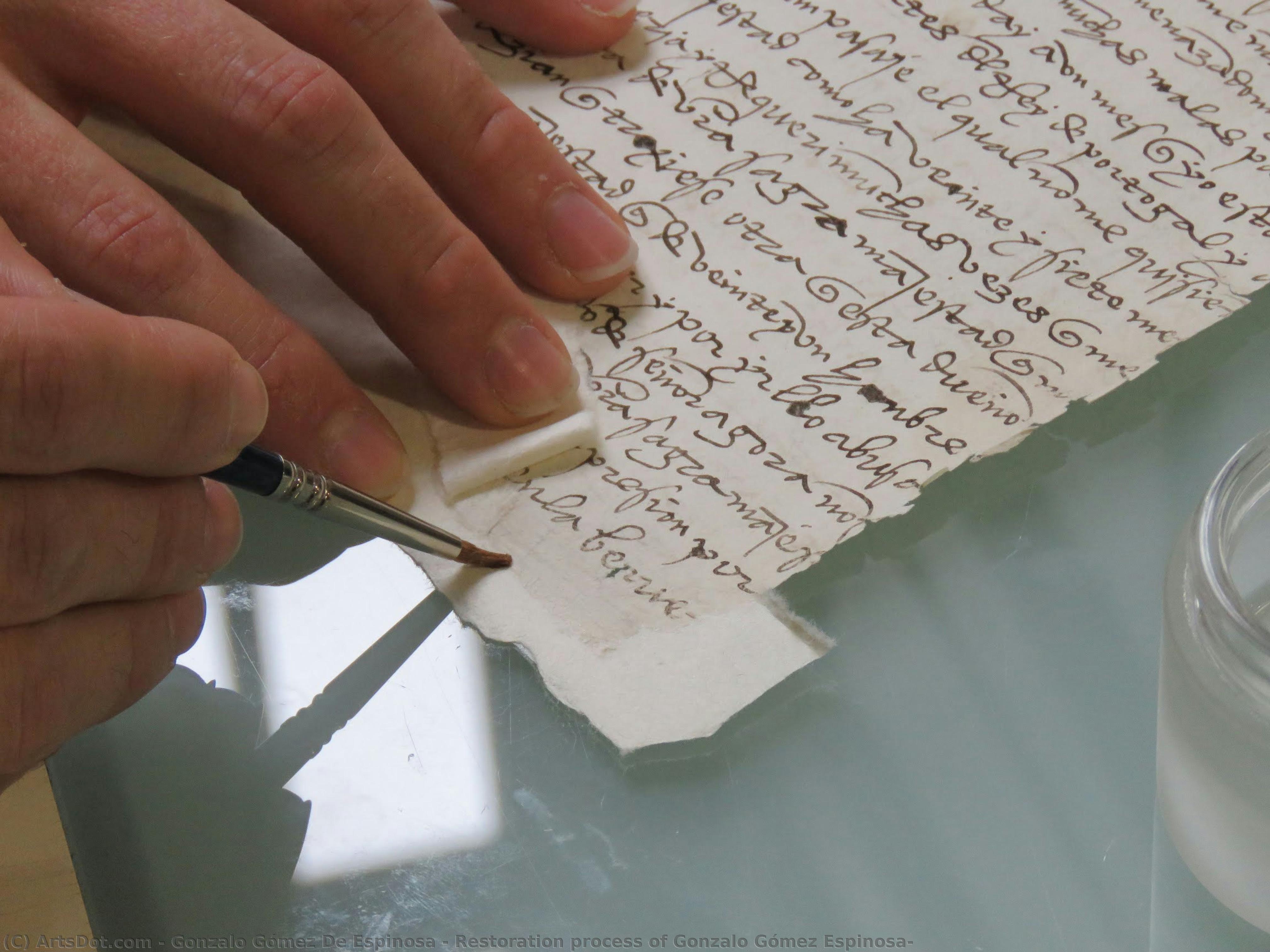
Restoration process of Gonzalo Gómez Espinosa


 詳細を見る
詳細を見る
ジークレー/アートプリント
迅速な制作と多彩な仕上げオプションを備えた、ミュージアムクオリティのジークレーまたはキャンバスプリント。 ( 手描きの絵画を購入 画像を購入)




P118B $10

P118H $10

P118W $10

P438Z $10

P508JH $12

P508YH $12

P805H $10

P805Z $10

P919BZ $10

P919G $10

P919XJ $10

P959ZH $10

P968JZ $12

W106C $8

W218G $10

W218JH $8

W218Y $10

W307PJ $10

W316G $10

W316PJ $8

W316Y $10

W398PJ $8

W4111J $10

W500HY $15

W500JH $15

W692G $12

W849H $8

W940BG $15

W953PJ $8




作品のオリジナル比率に合わせた、当店の規定サイズからお選びください。

特定のフレームやスペースに合わせて、ご自身でサイズを指定することも可能です。選択されたサイズが元の画像の比率と一致しない場合、作品をトリミングするか、鏡面反射または単色での塗りつぶしによって画像を拡張いたします。制作を開始する前に、ご確認用のデジタルモックアップをお送りいたします。
画面上のプレビューには、実際のトリミングや拡張は反映されませんのでご注意ください。最終的な構図を正確に確認できるのは、モックアップのみとなります。
カスタムサイズも承っておりますが、元の比率を維持するためには、あらかじめ用意されたリストからサイズを選択することをお勧めいたします。


 ガラスオプションは、110cm未満のサイズでのみご利用いただけます。

Restoration process of Gonzalo Gómez Espinosa
ジークレー/アートプリント
複製画のサイズ
-


合計金額
$ 62
A Glimpse into Renaissance Preservation
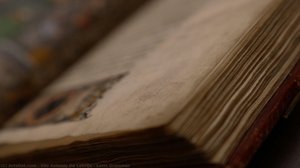
To witness the restoration process of Gonzalo Gómez Espinosa is to step through a temporal portal into the meticulous heart of the sixteenth century. This evocative documentation captures a moment of profound intimacy, where the heavy weight of history meets the delicate precision of the artisan's hand. The scene, centered around a focused hand poised with a pen over parchment, serves as a poignant reminder of the human touch required to sustain the legacies of the past. It is not merely a depiction of documentation, but a celebration of the enduring struggle against the erosion of time, offering collectors a rare, tactile connection to the Renaissance era.
The composition breathes with a sense of quiet, professional gravity. As the pen moves across the paper, there is an underlying tension—the responsibility of recording and preserving truth. The presence of other hands in the periphery suggests a collaborative symphony of scholars and restorers, all working in unison to safeguard a fragment of Spanish maritime history. This layer of human interaction adds a profound emotional depth, transforming a simple act of writing into a sacred ritual of cultural stewardship. For the discerning interior designer, this imagery provides a sophisticated narrative of continuity and care, perfect for spaces that celebrate heritage and intellectual rigor.
The Artistry of Detail and Color
Beyond the immediate action, the work invites an exploration of the technical mastery inherent in Renaissance preservation. The intricate color charts visible within the restoration context are more than mere tools; they are a testament to the sophisticated understanding of pigments and chemistry possessed by the masters of 1525. Each stroke and notation represents a deliberate decision aimed at achieving chromatic harmony and structural longevity. This focus on technical precision offers an inspiring study for those who appreciate the intersection of science and fine art, highlighting how much of our aesthetic history relies on the painstaking accuracy of these early color studies.
The visual texture of the scene—the grain of the paper, the fluid movement of the ink, and the soft interplay of light across the workspace—creates a rich sensory experience. It evokes an atmosphere of scholarly devotion that can elevate any collection. Whether viewed as a historical document or a piece of evocative fine art, this work resonates with a timeless elegance. It serves as a magnificent centerpiece for those seeking to infuse their environments with a sense of profound history, reminding us that the beauty we admire today is the result of centuries of dedicated, careful preservation.
関連作品
アーティストの略歴
The Navigator of History: The Legacy of Gonzalo Gómez de Espinosa
In the grand, sweeping tapestry of the Age of Discovery, certain names resonate not through the brushstrokes of a canvas, but through the ink of historical chronicles and the salt-stained logs of maritime expeditions. Gonzalo Gómez de Espinosa stands as one such figure, a man whose life was defined by the perilous boundaries of the known world. Born in 1479 in the Spanish town of Espinosa de los Monteros, his destiny was inextricably woven into the fervent spirit of the Renaissance—a period when the horizon was not a limit, but a challenge to be conquered. While he may not have wielded a palette of oils, his life serves as a profound historical narrative, a lived masterpiece of courage and strategic intellect that shaped the geopolitical landscape of the sixteenth century.
The essence of Espinosa’s significance lies in his role during one of history's most audacious maritime endeavors: the Magellan expedition. Serving as the Alguacil Mayor—the Marshal of the Fleet—Espinosa was far more than a mere passenger on this voyage of unprecedented scale. He was a pillar of stability amidst the chaos of the unknown. As the fleet navigated the treacherous waters around Cape Horn and ventured into the vast, silent expanse of the Pacific, Espinosa was tasked with the monumental responsibility of maintaining order aboard the Trinidad. His leadership was tested in the crucible of storms, starvation, and the terrifying uncertainty of encountering uncharted lands and hostile populations, making him a vital witness to the dawn of global connectivity.
A Chronicle of Resilience and Loss
The narrative of Espinosa’s career is marked by a poignant duality of triumph and tragedy. Following the death of Ferdinand Magellan in the Philippines, the weight of command fell upon his shoulders. He assumed leadership of the Trinidad, attempting to navigate the complex political and physical perils that followed the expedition's fragmentation. However, the era of exploration was often as much about loss as it was about discovery. The capture of the Trinidad by Portuguese forces remains a somber chapter in his biography, illustrating the brutal maritime rivalries that defined the struggle for dominance over the lucrative spice trade.
Yet, even in the face of such devastating setbacks, Espinosa’s spirit remained unbroken. His subsequent service under the Spanish Crown, specifically during the reign of Charles I, underscores a life of enduring commitment to his nation. He transitioned from the salt-sprayed decks of exploration to the strategic corridors of military defense, contributing to the preservation of Spanish interests during a period of intense global competition. His ability to navigate both the literal oceans and the complex political tides of the Spanish Empire speaks to a profound resilience that transcends simple biography.
The Written Legacy: Documents as Art
To understand Espinosa is to engage with the primary sources he left behind, which function much like historical artifacts in an art gallery. His correspondence, most notably his detailed letter to Charles I regarding the fate of the Trinidad, serves as a hauntingly beautiful window into the past. These documents are more than mere reports; they are evocative pieces of historical literature, written on aged parchment with a script that captures the tension, the fear, and the awe of an era where every horizon held the potential for both glory and death.
Through these writings, we encounter the true scale of his experience:
- The Human Element: His accounts provide a visceral connection to the hardships endured by the crew, transforming abstract history into a tangible human struggle.
- The Cartographic Impact: His observations contributed to the burgeoning understanding of global geography and the intricate details of the Pacific route.
- Historical Documentation: His letters act as essential primary sources that allow modern scholars to reconstruct the logistical and emotional realities of the Magellan voyage.
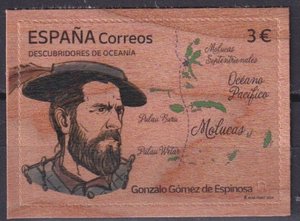
gonzalo gómez de espinosa
1479 - , Spain
基本情報
- Artistic Movement Or Style: Renaissance Explorer
- Artists Or Movements Influenced By This Artist: ['European Exploration']
- Artists Who Influenced This Artist: ['Fernando Magellan']
- Date Of Birth: 1479
- Full Name: Gonzalo Gómez de Espinosa
- Nationality: Spanish
- Notable Artworks: ['Trinidad Letter']
- Place Of Birth: Espinosa de los Monteros, Spain
関連記事
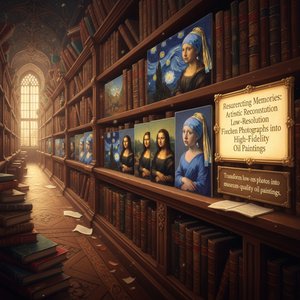
Resurrecting Memories: Artistic Reconstruction of Low-Resolution Photographs into High-Fidelity Oil Paintings
Transform cherished low-resolution photos into stunning, high-fidelity oil paintings. Expert restoration & museum-quality reproductions by skilled artists. Preserve your memories with lasting beauty.
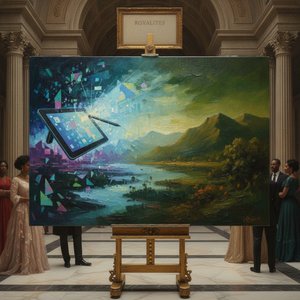
NFTコレクター向け:デジタル画像を手描きオイルレプリカに変換し、ミュージアム品質で収益と価値を最大化
ArtsDotは、デジタル画像をミュージアム品質の手描きオイルレプリカへ変換する専門家です。高い技術と厳格な品質管理で、NFTコレクターに信頼できる投資価値を提供します。

ArtsDot.com F.A.Q.: 油彩画制作プロセス詳細 – 手作業による芸術作品の創造と品質保証、至高のコレクターへ
ArtsDot.comでは、熟練アーティストによる手描き油彩画の複製を承ります。高品質な美術品をお求めのコレクター様へ、透明性の高い制作プロセスと安心の品質保証をご提供。カスタムオーダーも可能です。
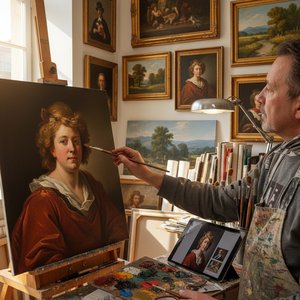
ArtsDot.com F.A.Q.: グローバル化後の手描き複製画の新たな価値と可能性 – エリートコレクター向けガイド
ArtsDot.comは、世界中の美術館レベルの油絵複製画を高品質で提供します。カスタムオーダーやアート鑑定サービスも充実。エリートコレクターの方へ、特別な空間を創造するお手伝いをいたします。
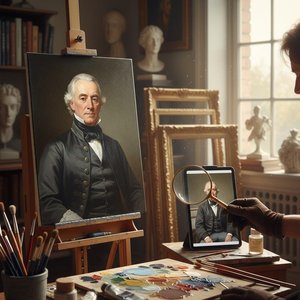
ArtsDot.com F.A.Q.: 写真を手描きオイル絵に変換—カスタムサイズ・スタイルで永遠のアートを創るエリートコレクター向けガイド
ArtsDot.comは、写真を手描きオイル絵に変換するエリート向けサービスです。熟練アーティストが巨匠の技法でカスタムサイズ・スタイルを実現し、署名入り限定版もご用意。品質保証と専門コンサルで信頼の価値あるアート体験をご提供します。

