

 プレビュー
プレビュー
 プリントを購入
 シェアする
シェアする シェアする
シェアする
 詳細を見る
詳細を見る

 ダウンロード
 似ている作品
 X線調査
X線調査 スライドショー
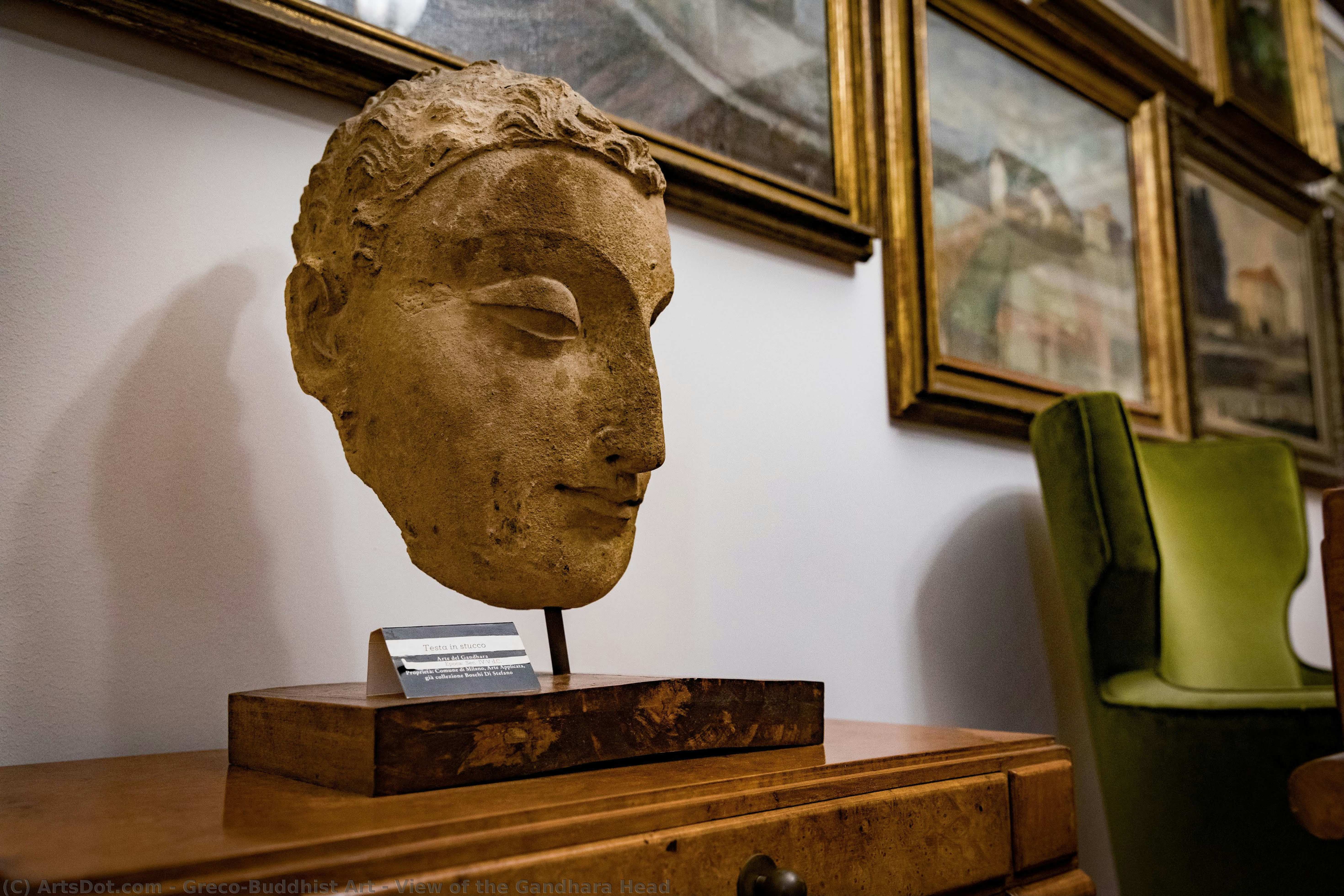
View of the Gandhara Head

 詳細を見る
詳細を見る




































作品のオリジナル比率に合わせた、当店の規定サイズからお選びください。

特定のフレームやスペースに合わせて、ご希望のサイズをご入力いただけます。選択されたサイズが元の画像の比率と異なる場合、アートワークをトリミングするか、手描きで要素を追加して絵画を拡張いたします。デジタルモックアップ を制作し、制作開始前にご確認(承認)をいただきます。
画面上のプレビューは、実際のトリミングや拡張を正確に反映しているものではありません。最終的な構図は、モックアップによってのみ正確にご確認いただけます。
カスタムサイズもご利用いただけますが、元の比率を維持するためには、あらかじめ用意されたリストからサイズを選択することをお勧めいたします。
ご注文後、ArtsDot.com チームより詳細な指示をお送りするとともに、仕上がりイメージ(モックアップ)をご提供いたします。


 ガラスオプションは、110cm未満のサイズでのみご利用いただけます。

View of the Gandhara Head
複製技法
複製画のサイズ
-


合計金額
$ 263
関連作品









アーティストの略歴
The Echoes of Greece: Unveiling the Art of Greco-Buddhist Gandhara
The artistic landscape of ancient India, particularly in the northwestern region known as Gandhara, presents a truly remarkable synthesis – a vibrant fusion of Greek and Buddhist traditions. This unique style, often referred to as Greco-Buddhist art or Gandhara art, flourished from roughly the 1st century BCE to the 5th century CE, leaving behind a legacy of stunning sculptures, intricate paintings, and illuminated manuscripts that continue to captivate scholars and art enthusiasts today. Born in the fertile valleys of present-day Pakistan and Afghanistan, this artistic movement wasn’t simply a borrowing of Greek forms; it represented a profound cultural exchange, a dialogue between two distinct yet equally sophisticated civilizations.
The genesis of Gandhara art lies in the historical interactions between Alexander the Great's Macedonian armies and the diverse cultures inhabiting the Indian subcontinent. While Alexander’s campaigns were relatively brief, they initiated a period of significant change, opening up trade routes and exposing Greek culture to the region. Centuries later, during the Mauryan Empire under Emperor Ashoka, Buddhism gained prominence throughout India, including in areas influenced by Greek settlements. The Indo-Greek kingdoms that followed—a blend of Greek and Indian rulers—provided a crucial context for the emergence of Gandhara art. These kings, often adopting Hellenistic customs and artistic styles, became patrons of Buddhist institutions, fostering an environment where Greek and Buddhist aesthetics could intertwine.
The Kushan Empire (1st – 3rd centuries CE) is widely considered the golden age of Gandhara art. Under the Kushans, particularly King Kanishka, Buddhism reached its zenith in the region, and Greco-Buddhist art flourished with unprecedented richness and complexity. It was during this period that the first recognizable representations of the Buddha in human form began to appear – a pivotal moment in Buddhist iconography, moving away from earlier symbolic depictions. The Kushan rulers actively promoted religious tolerance, further contributing to the artistic synthesis.
A Meeting of Styles: Characteristics of Gandhara Art
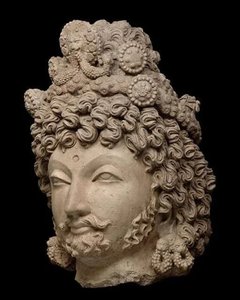
Gandhara art is instantly recognizable by its distinctive blend of Greek and Indian influences. Sculptors skillfully combined Hellenistic techniques—idealized realism, dynamic poses, and a focus on human anatomy—with Buddhist themes and iconography. The figures are often depicted in contrapposto (a pose where the weight is shifted to one leg), a characteristic borrowed from classical Greek sculpture. Facial features exhibit a refined elegance reminiscent of Greek portraiture, yet they are imbued with serene expressions typical of Buddhist deities.
A key element of Gandhara art is its use of vibrant colors. Original sculptures and paintings were likely adorned with pigments derived from minerals and plants, creating dazzling displays of reds, blues, greens, and yellows. While much of the original color has faded over time, surviving fragments offer glimpses into this rich palette. The artistic style also incorporates elements of Indian art, such as the use of stylized drapery and intricate ornamentation.
The subject matter of Gandhara art is predominantly Buddhist, featuring depictions of the Buddha in various stages of his life—his birth, enlightenment, teachings, and death. Other common motifs include Bodhisattvas (enlightened beings), deities, and scenes from the Jataka tales (stories of the Buddha’s previous lives). The integration of Greek architectural elements, such as columns and pediments, into Buddhist structures further exemplifies this unique artistic synthesis.
Major Achievements and Influences
Gandhara art achieved remarkable success in its relatively short lifespan. It is credited with producing some of the earliest and most influential depictions of the Buddha, shaping the visual language of Buddhism for centuries to come. The Gandharan style profoundly impacted Buddhist art throughout India and beyond, influencing developments in Central Asia, particularly in the region of Bamiyan, where monumental Buddhas were carved into cliffs.
The influence of Gandhara art extended even as far as Japan, where it played a significant role in the development of Japanese Buddhist sculpture during the Nara period (8th century CE). The meticulous attention to detail and the graceful elegance of Gandharan figures can be seen reflected in many early Japanese Buddhist statues.
Notable examples of Gandhara art include the “View of the Gandhara Head,” a remarkably lifelike sculpture that exemplifies the style’s blend of Greek realism and Buddhist serenity. The sculptures at Taxila, particularly those found at the monastery of Sanchi, are also considered masterpieces of the period. The intricate detail and sophisticated craftsmanship displayed in these works demonstrate the exceptional skill of Gandharan artists.
Legacy and Historical Significance
Despite its eventual decline with the rise of Mahayana Buddhism and the shift towards more indigenous artistic styles in India, Gandhara art remains a testament to the power of cultural exchange. It stands as a unique bridge between East and West, demonstrating how seemingly disparate traditions can converge to create something entirely new and beautiful.
The study of Gandhara art provides valuable insights into the history of Buddhism, the interactions between Greek and Indian cultures, and the development of artistic styles in Central Asia. It is a reminder that art often reflects not just aesthetic ideals but also complex social, political, and religious dynamics. Today, reproductions of Gandhara sculptures continue to inspire awe and admiration, offering a tangible connection to this remarkable chapter in human history.
For further exploration, consider visiting the ArtsDot website at https://www.wahoart.com/en/art/greco-buddhist-art-view-of-the-gandhara-head-D77CXZ-en/ and exploring the broader context of Greco-Buddhist art on Wikipedia: https://en.wikipedia.org/wiki/Greco-Buddhist_art
greco-buddhist art
Pakistan
基本情報
- Artistic Movement Or Style: Greco-Buddhist Art
- Artists Or Movements Influenced By This Artist:
- Indian Buddhist art
- Japanese art
- Artists Who Influenced This Artist:
- Ancient Greek art
- Buddhism
- Date Of Birth: Peshawar, Pakistan (c. 3rd-5th century CE)
- Date Of Death: Living
- Full Name: Greco-Buddhist Art
- Nationality: Gandhara art
- Notable Artworks:
- View of the Gandhara Head
- Gandhara Buddha sculptures
- Place Of Birth: Peshawar, Pakistan

