

 プレビュー
プレビュー
 プリントを購入
 シェアする
シェアする シェアする
シェアする
 詳細を見る
詳細を見る

 ダウンロード
 似ている作品
 X線調査
X線調査 スライドショー
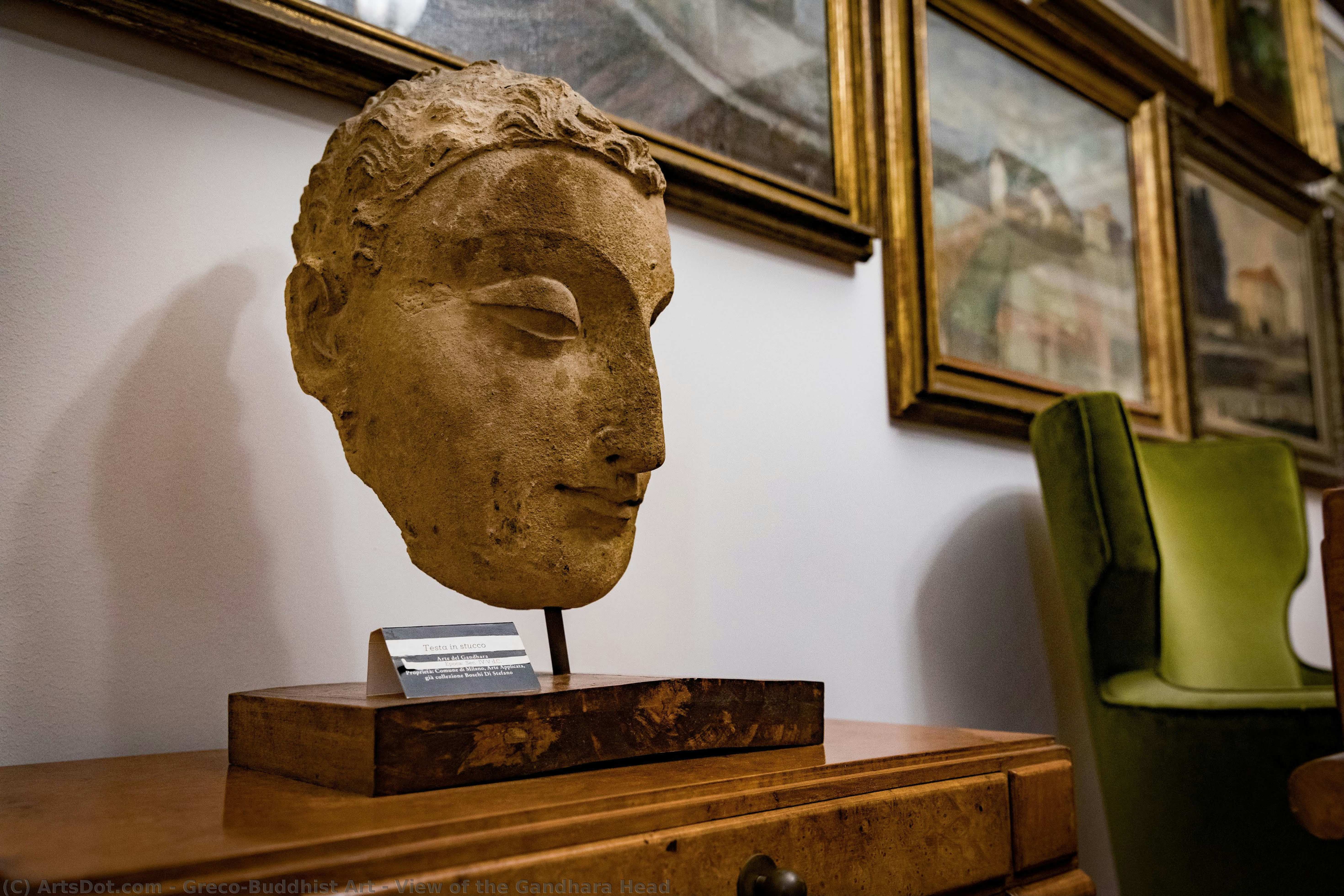
View of the Gandhara Head

 詳細を見る
詳細を見る
オンラインプレビューをはるかに凌ぐ、高解像度で鮮明なデジタル画像をご購入いただけます。
各ファイルは、社内の専門家が高度なツールと熟練した手作業によるレタッチを用いて、細心の注意を払って準備されています。すべての画像において、卓越した鮮明度、正確な色彩再現性、そして繊細なディテールを保証いたします。
最終ファイルは、プロフェッショナルな編集・印刷環境ですぐにご利用いただけるよう最適化された状態で、72時間以内にメールにてお届けいたします。これは、一流のデザインスタジオ、出版社、ギャラリーから信頼されているものと同等の品質です。
デジタル画像のご注文に付随する特典
高品質なデジタル画像配信を、確かな品質で。
ArtsDot.com を選ぶことは、単に画像を手に入れることではありません。それは、プロの手によって精密に仕上げられ、満足保証が付いた高品質なデジタルアートワークを受け取ることを意味します。ご注文いただいた際に自動的に付随する内容は、以下の通りです:

メールですぐにお届け
ご注文から72時間以内に、高解像度のデジタル画像ファイルがメールでお手元に届きます。すぐにそのままご利用いただけます。

AI技術で最適化されたデジタルファイル
お客様の作品は、高度なAIツールと専門家による手作業の編集を組み合わせてプロフェッショナルに最適化されており、細部のディテール、鮮明さ、そして正確な色再現性を最大限に引き出しています。

一生涯無料の再送サービス
ファイルを誤って削除したり、紛失してしまったりしましたか?ご安心ください。いつでも無料で再送いたします。

輸入手数料は一切かかりません
関税や手数料、配送料を気にすることなく、お気に入りのアートワークをすぐにお楽しみいただけます。デジタルダウンロードは常に免税です。

色彩再現の保証
プロ仕様のツールとカラーマネジメント技術を用いることで、デジタル画像が元の色を最大限に忠実に再現することを保証いたします。

60日間満足保証
ご購入いただいたデジタル画像にご満足いただけない場合は、60日以内であれば、修正または100%の返金(理由を問う必要はありません)をさせていただきます。

100% 返金保証
ご満足いただけない場合は、デジタルファイルを受け取ってから60日以内であれば、理由を問わず全額返金いたします。

まとめ買い割引
3枚購入で10%OFF - 5枚購入で15%OFF - 10枚以上購入で20%OFF。クリエイティブなプロジェクト、ギャラリー、エージェンシーに最適です。
関連作品









作家の略歴
The Echoes of Greece: Unveiling the Art of Greco-Buddhist Gandhara
The artistic landscape of ancient India, particularly in the northwestern region known as Gandhara, presents a truly remarkable synthesis – a vibrant fusion of Greek and Buddhist traditions. This unique style, often referred to as Greco-Buddhist art or Gandhara art, flourished from roughly the 1st century BCE to the 5th century CE, leaving behind a legacy of stunning sculptures, intricate paintings, and illuminated manuscripts that continue to captivate scholars and art enthusiasts today. Born in the fertile valleys of present-day Pakistan and Afghanistan, this artistic movement wasn’t simply a borrowing of Greek forms; it represented a profound cultural exchange, a dialogue between two distinct yet equally sophisticated civilizations.
The genesis of Gandhara art lies in the historical interactions between Alexander the Great's Macedonian armies and the diverse cultures inhabiting the Indian subcontinent. While Alexander’s campaigns were relatively brief, they initiated a period of significant change, opening up trade routes and exposing Greek culture to the region. Centuries later, during the Mauryan Empire under Emperor Ashoka, Buddhism gained prominence throughout India, including in areas influenced by Greek settlements. The Indo-Greek kingdoms that followed—a blend of Greek and Indian rulers—provided a crucial context for the emergence of Gandhara art. These kings, often adopting Hellenistic customs and artistic styles, became patrons of Buddhist institutions, fostering an environment where Greek and Buddhist aesthetics could intertwine.
The Kushan Empire (1st – 3rd centuries CE) is widely considered the golden age of Gandhara art. Under the Kushans, particularly King Kanishka, Buddhism reached its zenith in the region, and Greco-Buddhist art flourished with unprecedented richness and complexity. It was during this period that the first recognizable representations of the Buddha in human form began to appear – a pivotal moment in Buddhist iconography, moving away from earlier symbolic depictions. The Kushan rulers actively promoted religious tolerance, further contributing to the artistic synthesis.
A Meeting of Styles: Characteristics of Gandhara Art
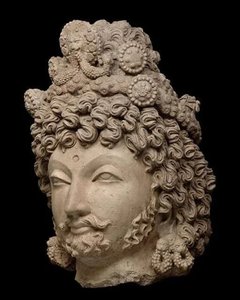
Gandhara art is instantly recognizable by its distinctive blend of Greek and Indian influences. Sculptors skillfully combined Hellenistic techniques—idealized realism, dynamic poses, and a focus on human anatomy—with Buddhist themes and iconography. The figures are often depicted in contrapposto (a pose where the weight is shifted to one leg), a characteristic borrowed from classical Greek sculpture. Facial features exhibit a refined elegance reminiscent of Greek portraiture, yet they are imbued with serene expressions typical of Buddhist deities.
A key element of Gandhara art is its use of vibrant colors. Original sculptures and paintings were likely adorned with pigments derived from minerals and plants, creating dazzling displays of reds, blues, greens, and yellows. While much of the original color has faded over time, surviving fragments offer glimpses into this rich palette. The artistic style also incorporates elements of Indian art, such as the use of stylized drapery and intricate ornamentation.
The subject matter of Gandhara art is predominantly Buddhist, featuring depictions of the Buddha in various stages of his life—his birth, enlightenment, teachings, and death. Other common motifs include Bodhisattvas (enlightened beings), deities, and scenes from the Jataka tales (stories of the Buddha’s previous lives). The integration of Greek architectural elements, such as columns and pediments, into Buddhist structures further exemplifies this unique artistic synthesis.
Major Achievements and Influences
Gandhara art achieved remarkable success in its relatively short lifespan. It is credited with producing some of the earliest and most influential depictions of the Buddha, shaping the visual language of Buddhism for centuries to come. The Gandharan style profoundly impacted Buddhist art throughout India and beyond, influencing developments in Central Asia, particularly in the region of Bamiyan, where monumental Buddhas were carved into cliffs.
The influence of Gandhara art extended even as far as Japan, where it played a significant role in the development of Japanese Buddhist sculpture during the Nara period (8th century CE). The meticulous attention to detail and the graceful elegance of Gandharan figures can be seen reflected in many early Japanese Buddhist statues.
Notable examples of Gandhara art include the “View of the Gandhara Head,” a remarkably lifelike sculpture that exemplifies the style’s blend of Greek realism and Buddhist serenity. The sculptures at Taxila, particularly those found at the monastery of Sanchi, are also considered masterpieces of the period. The intricate detail and sophisticated craftsmanship displayed in these works demonstrate the exceptional skill of Gandharan artists.
Legacy and Historical Significance
Despite its eventual decline with the rise of Mahayana Buddhism and the shift towards more indigenous artistic styles in India, Gandhara art remains a testament to the power of cultural exchange. It stands as a unique bridge between East and West, demonstrating how seemingly disparate traditions can converge to create something entirely new and beautiful.
The study of Gandhara art provides valuable insights into the history of Buddhism, the interactions between Greek and Indian cultures, and the development of artistic styles in Central Asia. It is a reminder that art often reflects not just aesthetic ideals but also complex social, political, and religious dynamics. Today, reproductions of Gandhara sculptures continue to inspire awe and admiration, offering a tangible connection to this remarkable chapter in human history.
For further exploration, consider visiting the ArtsDot website at https://www.wahoart.com/en/art/greco-buddhist-art-view-of-the-gandhara-head-D77CXZ-en/ and exploring the broader context of Greco-Buddhist art on Wikipedia: https://en.wikipedia.org/wiki/Greco-Buddhist_art
greco-buddhist art
Pakistan
プロフィール概要
- Artistic Movement Or Style: Greco-Buddhist Art
- Artists Or Movements Influenced By This Artist:
- Indian Buddhist art
- Japanese art
- Artists Who Influenced This Artist:
- Ancient Greek art
- Buddhism
- Date Of Birth: Peshawar, Pakistan (c. 3rd-5th century CE)
- Date Of Death: Living
- Full Name: Greco-Buddhist Art
- Nationality: Gandhara art
- Notable Artworks:
- View of the Gandhara Head
- Gandhara Buddha sculptures
- Place Of Birth: Peshawar, Pakistan

