 プレビュー
プレビュー
 シェアする
シェアする シェアする
シェアする
 詳細を見る
詳細を見る

 ダウンロード
 似ている作品
 X線調査
X線調査 スライドショー
 統計情報
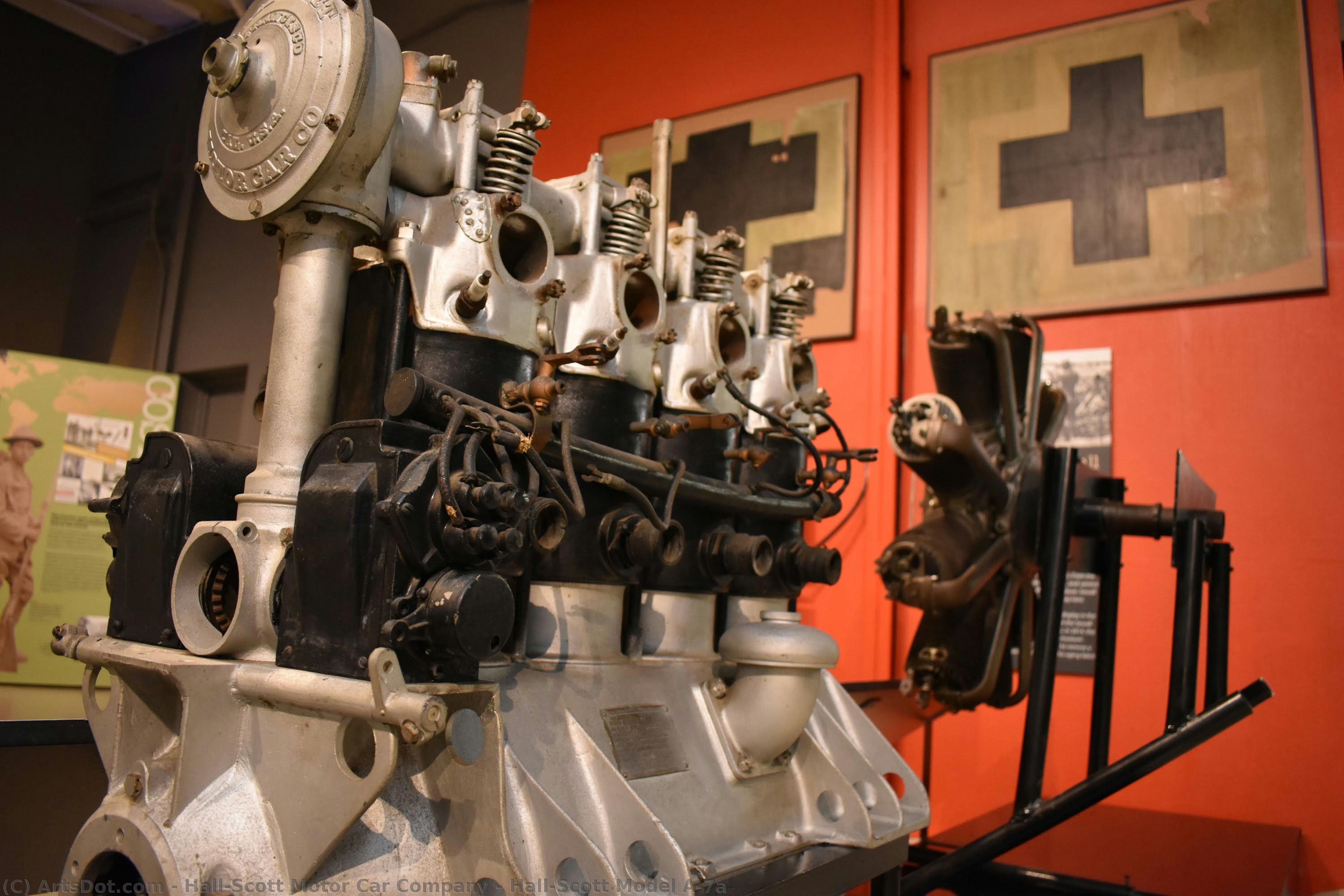
統計情報Hall-Scott Model A-7a


 詳細を見る
詳細を見る
オンラインプレビューをはるかに凌ぐ、高解像度で鮮明なデジタル画像をご購入いただけます。
各ファイルは、社内の専門家が高度なツールと熟練した手作業によるレタッチを用いて、細心の注意を払って準備されています。すべての画像において、卓越した鮮明度、正確な色彩再現性、そして繊細なディテールを保証いたします。
最終ファイルは、プロフェッショナルな編集・印刷環境ですぐにご利用いただけるよう最適化された状態で、72時間以内にメールにてお届けいたします。これは、一流のデザインスタジオ、出版社、ギャラリーから信頼されているものと同等の品質です。
デジタルアート
個人での鑑賞、印刷、クリエイティブなプロジェクト用に、高解像度ファイルをダウンロードできます。 ( プリント版に切り替え 手描きの絵画を購入)
デジタル画像のご注文に付随する特典
高品質なデジタル画像配信を、確かな品質で。
ArtsDot.com を選ぶことは、単に画像を手に入れることではありません。それは、プロの手によって精密に仕上げられ、満足保証が付いた高品質なデジタルアートワークを受け取ることを意味します。ご注文いただいた際に自動的に付随する内容は、以下の通りです:

メールですぐにお届け
ご注文から72時間以内に、高解像度のデジタル画像ファイルがメールでお手元に届きます。すぐにそのままご利用いただけます。

AI技術で最適化されたデジタルファイル
お客様の作品は、高度なAIツールと専門家による手作業の編集を組み合わせてプロフェッショナルに最適化されており、細部のディテール、鮮明さ、そして正確な色再現性を最大限に引き出しています。

一生涯無料の再送サービス
ファイルを誤って削除したり、紛失してしまったりしましたか?ご安心ください。いつでも無料で再送いたします。

輸入手数料は一切かかりません
関税や手数料、配送料を気にすることなく、お気に入りのアートワークをすぐにお楽しみいただけます。デジタルダウンロードは常に免税です。

色彩再現の保証
プロ仕様のツールとカラーマネジメント技術を用いることで、デジタル画像が元の色を最大限に忠実に再現することを保証いたします。

100日間満足保証
ご購入いただいたデジタル画像にご満足いただけない場合は、100日以内であれば、理由を問わず修正または100%の返金対応をさせていただきます。

100% 返金保証
ご満足いただけない場合は、デジタルファイルを受け取ってから100日以内であれば、理由を問わず全額返金いたします。

まとめ買い割引
3枚購入で10%OFF - 5枚購入で15%OFF - 10枚以上購入で20%OFF。クリエイティブなプロジェクト、ギャラリー、エージェンシーに最適です。
関連作品










作家の略歴
The Pioneering Spirit of Hall-Scott Motor Car Company
The Hall-Scott Motor Car Company, though relatively short-lived in the automotive world, represents a fascinating intersection of engineering prowess and early 20th-century ambition. Emerging from the fertile ground of California’s burgeoning industrial landscape, the company wasn't born of a singular vision for automobile creation but rather as an outgrowth of a successful engine manufacturing business. Founded by Charles Hall and Howard Scott, the firm initially specialized in lightweight gasoline engines—engines that quickly gained prominence powering aircraft during World War I. This expertise in aviation propulsion would prove pivotal in shaping their foray into automotive design, setting them apart from many contemporaries focused solely on ground transportation. The transition wasn't a sudden one; it was a logical extension of their capabilities, fueled by the post-war demand for luxury and performance vehicles.From Aviation Engines to Automotive Innovation
Following the armistice in 1918, Hall-Scott found itself with significant manufacturing capacity and a wealth of engineering talent. Rather than solely relying on continued military contracts, they turned their attention towards the civilian market, specifically high-end automobiles. The company’s first offering, introduced in 1920, was a remarkable machine—a six-cylinder vehicle distinguished by its innovative engine design. This wasn't simply an adaptation of existing technology; Hall-Scott engineers developed a unique, underslung chassis and a sophisticated valve arrangement that delivered exceptional smoothness and power for the time. The engine itself was a masterpiece of precision engineering, boasting a distinctive “flathead” configuration and a reputation for reliability. The cars were meticulously crafted, featuring luxurious interiors and elegant styling—a clear attempt to compete with established marques like Cadillac and Packard. However, the Hall-Scott automobile wasn’t merely about opulence; it embodied a commitment to technical excellence that resonated with discerning drivers who appreciated sophisticated machinery.A Brief but Brilliant Run
Despite its technological merits, the Hall-Scott Motor Car Company faced considerable challenges in establishing itself within the competitive automotive industry. Production was limited, and distribution networks were underdeveloped compared to larger manufacturers. The company’s focus on high quality and intricate engineering also translated into a higher price point, restricting its appeal to a relatively small segment of the market. The economic downturn following World War I further exacerbated these difficulties. While the cars themselves garnered praise from automotive journalists and enthusiasts—often lauded for their performance and refinement—sales remained modest. Production continued for only a few years, ceasing in 1923. The company then returned to its core business of engine manufacturing, continuing to supply engines for various applications, including marine vessels and aircraft.Legacy and Historical Significance
Although the Hall-Scott automobile enjoyed a brief existence, its impact on automotive history should not be underestimated. The company demonstrated a remarkable ability to adapt and innovate, successfully transitioning from aviation engine production to high-end car manufacturing. Their commitment to engineering excellence—particularly their unique engine design and underslung chassis—represented a significant advancement in automotive technology.- Technical Prowess: Hall-Scott’s engines were highly regarded for their smoothness, power, and reliability.
- Innovative Design: The underslung chassis provided superior handling and ride comfort compared to conventional designs of the era.
- Luxury Craftsmanship: The cars featured meticulously crafted interiors and elegant styling, appealing to a discerning clientele.