 プレビュー
プレビュー
 シェアする
シェアする シェアする
シェアする
 詳細を見る
詳細を見る

 ダウンロード
 似ている作品
 X線調査
X線調査 スライドショー
 統計情報
統計情報Hall-Scott Model A-7a


 詳細を見る
詳細を見る
ジークレー/アートプリント
迅速な制作と多彩な仕上げオプションを備えた、ミュージアムクオリティのジークレーまたはキャンバスプリント。 ( 手描きの絵画を購入 デジタル画像販売へ切り替え)




































標準サイズ
オーダーメイド
CM
INCH
作品のオリジナル比率に合わせた、当店の規定サイズからお選びください。
Loading sizes...

幅
高さ
特定のフレームやスペースに合わせて、ご自身でサイズを指定することも可能です。選択されたサイズが元の画像の比率と一致しない場合、作品をトリミングするか、鏡面反射または単色での塗りつぶしによって画像を拡張いたします。制作を開始する前に、ご確認用のデジタルモックアップをお送りいたします。
画面上のプレビューには、実際のトリミングや拡張は反映されませんのでご注意ください。最終的な構図を正確に確認できるのは、モックアップのみとなります。
カスタムサイズも承っておりますが、元の比率を維持するためには、あらかじめ用意されたリストからサイズを選択することをお勧めいたします。


 ガラスオプションは、110cm未満のサイズでのみご利用いただけます。

Hall-Scott Model A-7a
ジークレー/アートプリント
複製画のサイズ
-


合計金額
$ 62
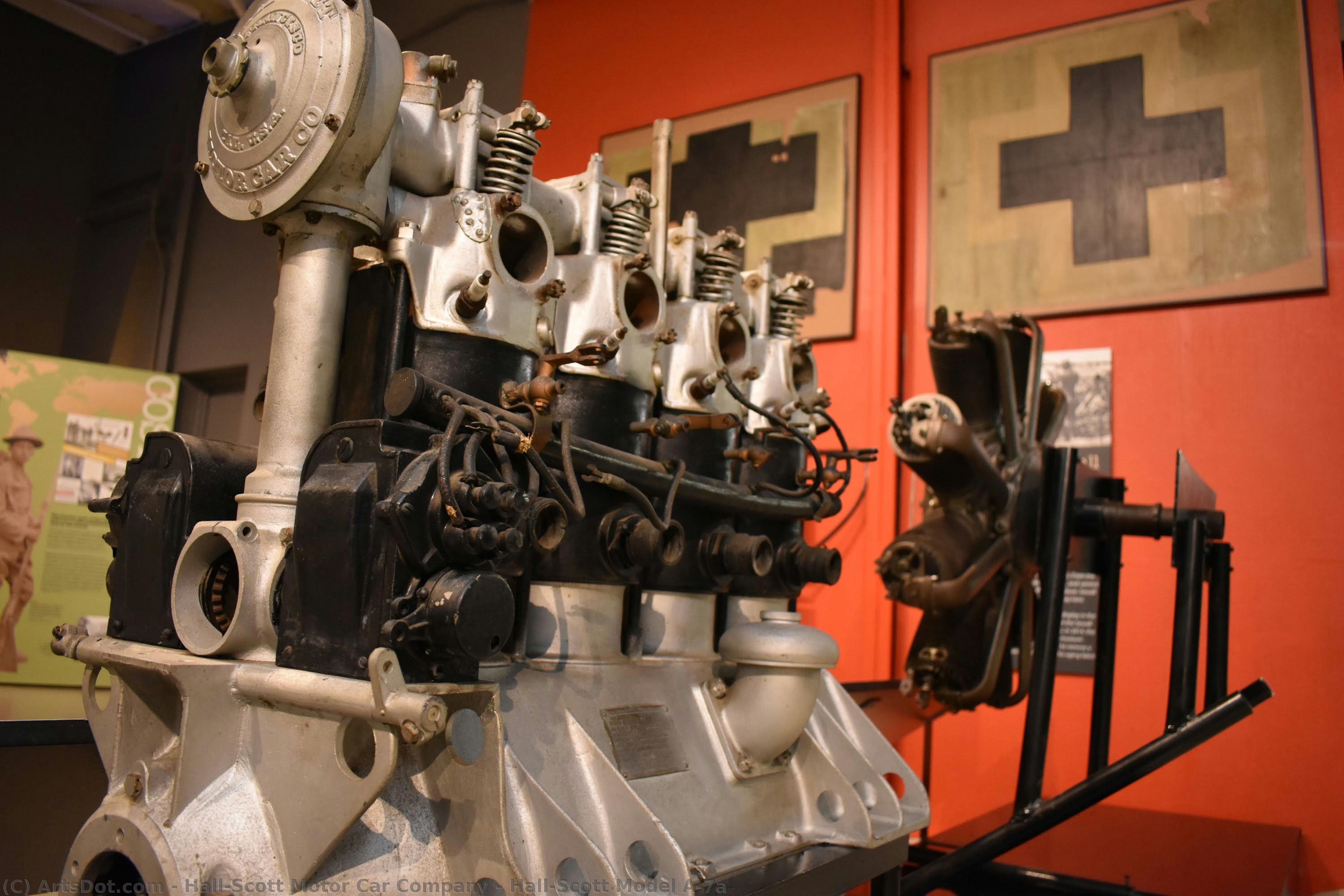
The Hall-Scott Motor Car Company was formed in 1910 after San Francisco businessman Bert Scott was impressed by the 1909 Comet car and engine designed by Elbert Hall. Initially the men produced gasoline-powered railroad cars, but soon expanded to aircraft engines. This came from Hall’s success with making the lightweight, but powerful engines. The 4-cylinder Comet engine produced up to 25hp for an engine that weighed only 130lbs. (The Ford Model T engine produced 20hp and weighed…?) These engines helped Hall win many auto races around San Francisco. Hall’s engines became increasingly desirable due to his use of overhead camshafts and valves, hemispherical and cross-flow cylinder heads, interchangeable parts between models, and aluminum pistons and crankcases.The Hall-Scott aircraft engines evolved from the Comet. Their first engine, the A-2 V-8 engine was essentially two Comet engines with an additional tank as an oil pan. This A-7-A inline engine was primarily used on the Standard J-1 training airplane.Due to his innovative designs, Hall worked with Packard engine designer Jesse Vincent to create the primary design of the US government-funded Liberty engine. The Liberty Engine project called for tens of thousands of engines to be produced, but the company was too small compared to other manufacturers to build some of the 20,000 produced in 1917-8.After World War I, Hall-Scott stopped making aircraft engines, but continued making engines for boats, buses, trucks, and other uses until 1960.
関連作品










アーティストの略歴
The Pioneering Spirit of Hall-Scott Motor Car Company
The Hall-Scott Motor Car Company, though relatively short-lived in the automotive world, represents a fascinating intersection of engineering prowess and early 20th-century ambition. Emerging from the fertile ground of California’s burgeoning industrial landscape, the company wasn't born of a singular vision for automobile creation but rather as an outgrowth of a successful engine manufacturing business. Founded by Charles Hall and Howard Scott, the firm initially specialized in lightweight gasoline engines—engines that quickly gained prominence powering aircraft during World War I. This expertise in aviation propulsion would prove pivotal in shaping their foray into automotive design, setting them apart from many contemporaries focused solely on ground transportation. The transition wasn't a sudden one; it was a logical extension of their capabilities, fueled by the post-war demand for luxury and performance vehicles.From Aviation Engines to Automotive Innovation
Following the armistice in 1918, Hall-Scott found itself with significant manufacturing capacity and a wealth of engineering talent. Rather than solely relying on continued military contracts, they turned their attention towards the civilian market, specifically high-end automobiles. The company’s first offering, introduced in 1920, was a remarkable machine—a six-cylinder vehicle distinguished by its innovative engine design. This wasn't simply an adaptation of existing technology; Hall-Scott engineers developed a unique, underslung chassis and a sophisticated valve arrangement that delivered exceptional smoothness and power for the time. The engine itself was a masterpiece of precision engineering, boasting a distinctive “flathead” configuration and a reputation for reliability. The cars were meticulously crafted, featuring luxurious interiors and elegant styling—a clear attempt to compete with established marques like Cadillac and Packard. However, the Hall-Scott automobile wasn’t merely about opulence; it embodied a commitment to technical excellence that resonated with discerning drivers who appreciated sophisticated machinery.A Brief but Brilliant Run
Despite its technological merits, the Hall-Scott Motor Car Company faced considerable challenges in establishing itself within the competitive automotive industry. Production was limited, and distribution networks were underdeveloped compared to larger manufacturers. The company’s focus on high quality and intricate engineering also translated into a higher price point, restricting its appeal to a relatively small segment of the market. The economic downturn following World War I further exacerbated these difficulties. While the cars themselves garnered praise from automotive journalists and enthusiasts—often lauded for their performance and refinement—sales remained modest. Production continued for only a few years, ceasing in 1923. The company then returned to its core business of engine manufacturing, continuing to supply engines for various applications, including marine vessels and aircraft.Legacy and Historical Significance
Although the Hall-Scott automobile enjoyed a brief existence, its impact on automotive history should not be underestimated. The company demonstrated a remarkable ability to adapt and innovate, successfully transitioning from aviation engine production to high-end car manufacturing. Their commitment to engineering excellence—particularly their unique engine design and underslung chassis—represented a significant advancement in automotive technology.- Technical Prowess: Hall-Scott’s engines were highly regarded for their smoothness, power, and reliability.
- Innovative Design: The underslung chassis provided superior handling and ride comfort compared to conventional designs of the era.
- Luxury Craftsmanship: The cars featured meticulously crafted interiors and elegant styling, appealing to a discerning clientele.