

 プレビュー
プレビュー
 プリントを購入
 シェアする
シェアする シェアする
シェアする
 詳細を見る
詳細を見る

 ダウンロード
 似ている作品
 X線調査
X線調査 スライドショー
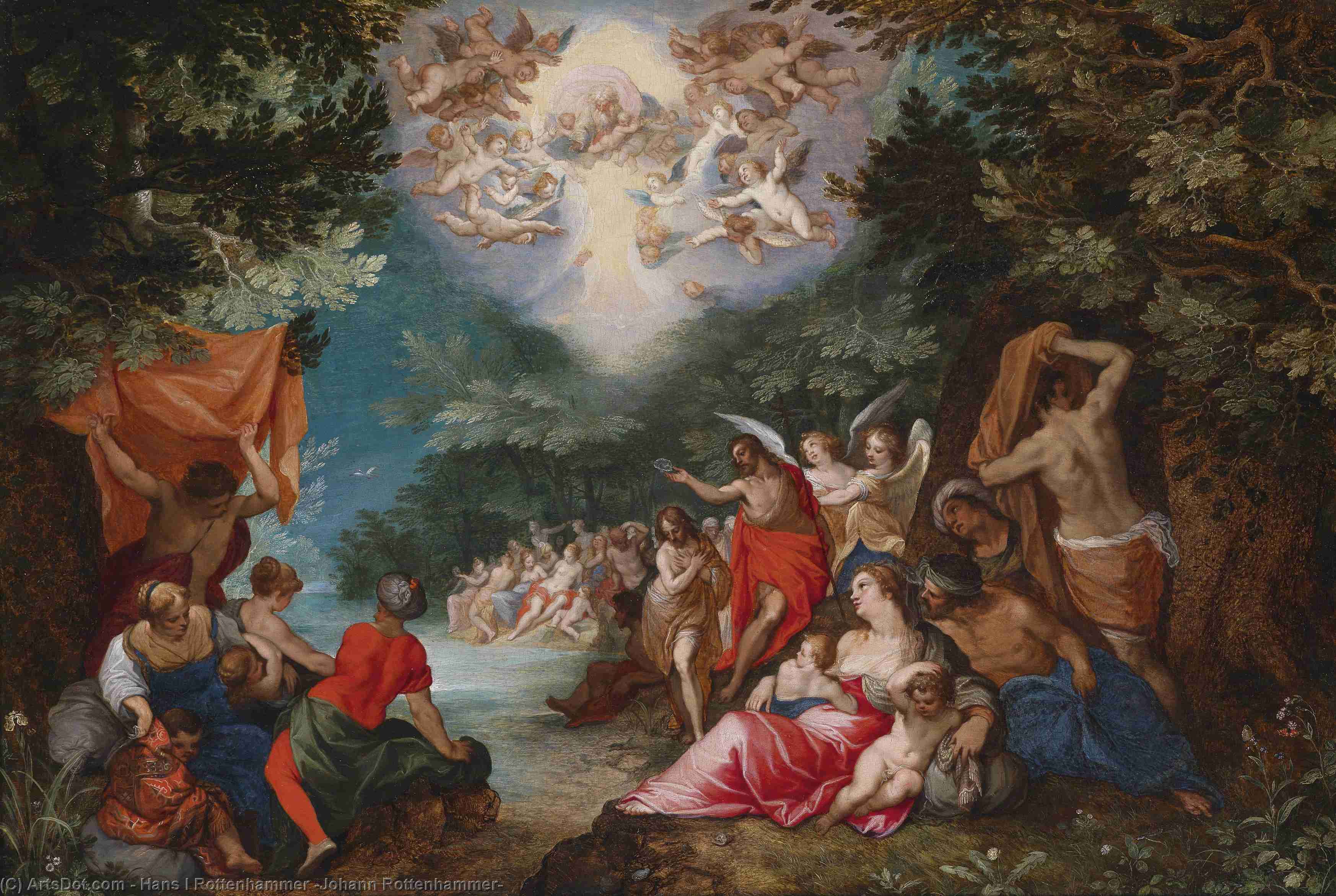
Die Taufe Christi Im Jordan
 詳細を見る
詳細を見る




































作品のオリジナル比率に合わせた、当店の規定サイズからお選びください。

特定のフレームやスペースに合わせて、ご希望のサイズをご入力いただけます。選択されたサイズが元の画像の比率と異なる場合、アートワークをトリミングするか、手描きで要素を追加して絵画を拡張いたします。デジタルモックアップ を制作し、制作開始前にご確認(承認)をいただきます。
画面上のプレビューは、実際のトリミングや拡張を正確に反映しているものではありません。最終的な構図は、モックアップによってのみ正確にご確認いただけます。
カスタムサイズもご利用いただけますが、元の比率を維持するためには、あらかじめ用意されたリストからサイズを選択することをお勧めいたします。
ご注文後、ArtsDot.com チームより詳細な指示をお送りするとともに、仕上がりイメージ(モックアップ)をご提供いたします。


 ガラスオプションは、110cm未満のサイズでのみご利用いただけます。

Die Taufe Christi Im Jordan
複製技法
複製画のサイズ
-


合計金額
$ 263
関連作品



アーティストの略歴
Hans Rottenhammer (1564-1625): A Synthesis of Northern and Southern Renaissance Visions
Hans Rottenhammer (1564-1625) stands as a singular figure in German art history—a painter who skillfully bridged the gap between the stylistic conventions of Northern Europe and the opulent grandeur of Italy, producing exquisitely detailed cabinet paintings on copper that continue to captivate viewers today. Born in Munich, he emerged during a period of artistic ferment, inheriting the legacy of artists like Albrecht Dürer while simultaneously absorbing the innovations emanating from Venice and Florence. This dual influence is palpable throughout his oeuvre, resulting in landscapes imbued with luminous atmospheric perspective alongside depictions of religious and mythological subjects brimming with symbolic richness.- Early Life & Training:
- Notable Works:
- Style & Technique:
- Influence & Legacy:
Early Life & Training
Little is known definitively about Rottenhammer’s formative years, though biographical accounts suggest he studied under Albert Dürer in Nuremberg. This connection cemented his understanding of meticulous draughtsmanship and the importance of precise observation—skills that would become hallmarks of his artistic practice. Furthermore, his travels to Italy during the mid-1580s exposed him to the burgeoning Venetian Renaissance, where he encountered artists like Titian and Tintoretto, absorbing their mastery of color and dramatic composition. These experiences profoundly shaped his aesthetic sensibilities, propelling him toward a synthesis of Northern and Southern traditions.- Italian Travels:
- Return to Munich:
Notable Works
Rottenhammer’s artistic output consisted primarily of small-scale cabinet paintings on copper—a format favored by artists seeking to create intimate artworks for aristocratic patrons. Among his most celebrated pieces are “Allegory Of The Arts,” a masterful depiction of intellectual pursuits rendered with breathtaking realism and luminous color, and “The Coronation Of The Virgin,” which showcases Rottenhammer’s ability to convey emotion through nuanced shading and expressive gestures. Equally impressive is "Feast Of The Gods," an ambitious landscape scene demonstrating his command of atmospheric perspective—a technique pioneered by Venetian painters that aimed to simulate the effects of natural light on distant terrain. These paintings exemplify Rottenhammer's dedication to capturing both visual beauty and profound symbolic meaning.- "Allegory Of The Arts":
- "The Coronation Of The Virgin":
- "Feast Of The Gods":
Style & Technique
Rottenhammer’s artistic style is characterized by a meticulous attention to detail and an unwavering commitment to realism—traits inherited from Dürer but amplified by his exposure to Italian Renaissance ideals. He employed a technique known as *pointillé*, utilizing tiny dots of color to achieve subtle gradations of tone and create luminous effects reminiscent of Venetian painting. This method allowed him to convey atmospheric depth and enhance the vibrancy of his landscapes, mirroring the stylistic innovations championed by artists like Titian and Tintoretto. His compositions were carefully balanced, prioritizing clarity and harmony while simultaneously incorporating symbolic elements that resonated with humanist thought.- *Pointillé* Technique:
- Compositional Balance:
Influence & Legacy
Hans Rottenhammer’s contribution to German art history extends beyond his individual paintings; he served as a crucial conduit for disseminating Italian Renaissance ideas within Germany. His work influenced subsequent generations of artists, fostering a dialogue between Northern and Southern artistic traditions. Though overshadowed by more prominent figures like Dürer and Holbein during his lifetime, Rottenhammer’s legacy persists in the enduring beauty and intellectual depth of his cabinet paintings—testaments to his exceptional skill and unwavering devotion to artistic excellence. His influence can be seen in the landscapes of later German painters who sought to emulate the luminous atmosphere characteristic of Venetian art.- Impact on Subsequent Artists:
- Enduring Artistic Significance:
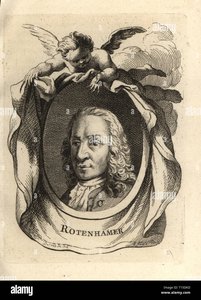
hans i rottenhammer (johann rottenhammer)
1564 - 1625 , Germany
基本情報
- Artistic Movement Or Style: Renaissance
- Artists Who Influenced This Artist: ['Hans Holbein the Younger']
- Date Of Birth: 1564
- Full Name: Hans Rottenhammer (Johann Rottenhammer)
- Nationality: German
- Notable Artworks:
- Allegory Of The Arts
- The Coronation of the Virgin
- Feast Of The Gods
- Place Of Birth: Munich, Germany