

 プレビュー
プレビュー
 シェアする
シェアする シェアする
シェアする
 詳細を見る
詳細を見る

 ダウンロード
 似ている作品
 X線調査
X線調査 スライドショー
 統計情報
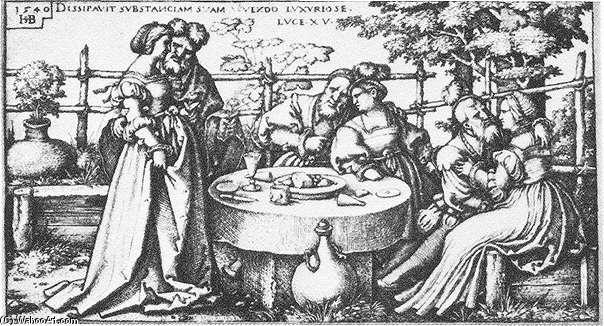
統計情報The Prodigal Son Wasting His Patrimony
 Engraving
- WallArt
- German Renaissance
 1540
1540 51.0 x 92.0 cm
 ナショナル・ギャラリー・オブ・アート
 詳細を見る
詳細を見る
オンラインプレビューをはるかに凌ぐ、高解像度で鮮明なデジタル画像をご購入いただけます。
各ファイルは、社内の専門家が高度なツールと熟練した手作業によるレタッチを用いて、細心の注意を払って準備されています。すべての画像において、卓越した鮮明度、正確な色彩再現性、そして繊細なディテールを保証いたします。
最終ファイルは、プロフェッショナルな編集・印刷環境ですぐにご利用いただけるよう最適化された状態で、72時間以内にメールにてお届けいたします。これは、一流のデザインスタジオ、出版社、ギャラリーから信頼されているものと同等の品質です。
デジタルアート
個人での鑑賞、印刷、クリエイティブなプロジェクト用に、高解像度ファイルをダウンロードできます。 ( プリント版に切り替え 手描きの絵画を購入)
デジタル画像のご注文に付随する特典
高品質なデジタル画像配信を、確かな品質で。
ArtsDot.com を選ぶことは、単に画像を手に入れることではありません。それは、プロの手によって精密に仕上げられ、満足保証が付いた高品質なデジタルアートワークを受け取ることを意味します。ご注文いただいた際に自動的に付随する内容は、以下の通りです:

メールですぐにお届け
ご注文から72時間以内に、高解像度のデジタル画像ファイルがメールでお手元に届きます。すぐにそのままご利用いただけます。

AI技術で最適化されたデジタルファイル
お客様の作品は、高度なAIツールと専門家による手作業の編集を組み合わせてプロフェッショナルに最適化されており、細部のディテール、鮮明さ、そして正確な色再現性を最大限に引き出しています。

一生涯無料の再送サービス
ファイルを誤って削除したり、紛失してしまったりしましたか?ご安心ください。いつでも無料で再送いたします。

輸入手数料は一切かかりません
関税や手数料、配送料を気にすることなく、お気に入りのアートワークをすぐにお楽しみいただけます。デジタルダウンロードは常に免税です。

色彩再現の保証
プロ仕様のツールとカラーマネジメント技術を用いることで、デジタル画像が元の色を最大限に忠実に再現することを保証いたします。

100日間満足保証
ご購入いただいたデジタル画像にご満足いただけない場合は、100日以内であれば、理由を問わず修正または100%の返金対応をさせていただきます。

100% 返金保証
ご満足いただけない場合は、デジタルファイルを受け取ってから100日以内であれば、理由を問わず全額返金いたします。

まとめ買い割引
3枚購入で10%OFF - 5枚購入で15%OFF - 10枚以上購入で20%OFF。クリエイティブなプロジェクト、ギャラリー、エージェンシーに最適です。
A Moment of Reckoning: Hans Sebald Beham’s “The Prodigal Son Wasting His Patrimony”
Hans Sebald Beham's "The Prodigal Son Wasting His Patrimony," created around 1540, is more than just a depiction of a biblical parable; it’s a meticulously rendered tableau of moral consequence and the seductive allure of excess. Executed in stark black and white engraving on paper, this work offers a profound glimpse into the anxieties and artistic sensibilities of the German Renaissance, a period grappling with religious reformation and shifting social values. Beham, a master of miniature portraiture and a key figure within the influential “Little Masters” group, here demonstrates his remarkable ability to infuse narrative detail into a small format, creating an image that resonates with both immediate visual impact and enduring symbolic weight.
The scene unfolds within a carefully constructed garden setting – a deliberate choice that immediately evokes themes of earthly paradise lost. At the heart of the composition lies a lavish table laden with food and drink, a blatant symbol of abundance and indulgence. The central figures, the prodigal son and his companions, are caught in a moment of unrestrained revelry, their postures relaxed, their gazes directed towards pleasure. Beham’s masterful use of hatching and cross-hatching creates an astonishingly realistic texture for the fabrics of clothing, the gleam of metal, and even the glistening surfaces of fruit and wine – a testament to his technical skill and dedication to capturing the nuances of material detail.
The Language of Line: Technique and Style
Beham’s engraving technique is characterized by an almost obsessive attention to line. Fine lines define every contour, every fold of cloth, every expression on the figures' faces. This painstaking approach isn’t merely decorative; it serves to amplify the drama of the scene and underscore the moral implications of the narrative. The stark contrast between light and shadow, achieved through careful shading, further enhances the sense of depth and realism, drawing the viewer into this intimate moment of transgression. The overall style leans heavily towards German Renaissance engraving, a tradition known for its clarity, precision, and ability to convey complex narratives within limited space. Beham’s work reflects this legacy while also demonstrating his own unique artistic voice – one marked by both technical mastery and a keen awareness of the social and religious currents of his time.
Symbolism and Narrative Depth
Beyond its surface depiction, “The Prodigal Son Wasting His Patrimony” is rich in symbolic meaning. The overflowing table represents not just material wealth but also the dangers of unchecked desire and the pursuit of fleeting pleasures. The observing figures in the background – often interpreted as representing judgment or impending doom – serve as a visual reminder that such behavior will inevitably have consequences. The parable itself, central to Christian theology, speaks to themes of repentance, forgiveness, and the importance of returning to one’s roots. Beham's choice to depict the son *wasting* his inheritance is particularly potent, highlighting the irreversible nature of lost opportunities and the potential for ruin through reckless choices.
A Window into a Turbulent Era
Created during the tumultuous years of the Reformation, this engraving offers a fascinating glimpse into the anxieties and moral debates of 16th-century Germany. Beham’s banishment from Nuremberg underscores the precarious position of artists who dared to challenge established authority. The work reflects a broader cultural shift – a questioning of traditional values and a growing emphasis on individual responsibility. “The Prodigal Son Wasting His Patrimony” is not simply a religious illustration; it's a powerful meditation on human nature, morality, and the enduring struggle between temptation and redemption. Its timeless themes continue to resonate with viewers today, making it a compelling work of art that transcends its historical context.
関連作品
作家の略歴
Hans Sebald Beham: A Master of Miniature and Reformation
Born in Nuremberg around 1500, Hans Sebald Beham (though often referred to as Hans Sebald Beham due to the “H” in his monogram) emerged during a pivotal period of artistic and religious upheaval in Germany. His life coincided with the dawn of the Reformation, a time when traditional authority was being challenged and new ideas – both artistic and theological – were rapidly spreading. While details about his early life remain scarce, what we know of Beham reveals an artist deeply influenced by the era’s turbulent currents and remarkably adept at navigating them through his intricate prints.
Beham's origins are shrouded in mystery; records concerning his parents are absent. However, he was part of a family connected to the artistic world – his brother, Bartel Beham, also pursued a career as an artist. Their training remains undocumented, suggesting that Beham’s early development relied heavily on observation and perhaps informal apprenticeships rather than structured academic instruction. This lack of formal documentation is characteristic of many artists working during this period, particularly those operating outside the established centers of artistic patronage.
The “Godless Painters” and Nuremberg's Religious Divide
Beham’s career took a dramatic turn in 1525 when he, along with his brother Bartel and Georg Pencz, were banished from Nuremberg. The charges leveled against them – heresy, blasphemy, and a refusal to recognize the authority of the city council – painted a picture of artists deeply involved in radical Protestant beliefs. This expulsion earned them the moniker “godless painters,” a label that reflects the anxieties surrounding religious dissent within the staunchly Catholic city.
The accusations stemmed from Beham’s increasingly outspoken Lutheran views, which clashed directly with Nuremberg's established Catholic leadership. The timing of this event is particularly significant: just two months after the banishment, Nuremberg officially adopted Lutheranism as its state religion. This swift shift highlights the volatile religious climate and underscores the precarious position occupied by artists who dared to challenge prevailing orthodoxies. Despite their subsequent reinstatement, Beham’s hasty departure from Nuremberg in 1528 – prompted by legal threats related to a plagiarism accusation concerning his treatise on horse proportions (allegedly derived from an unpublished manuscript by Albrecht Dürer) – demonstrates the lingering distrust and potential for persecution.
A Prodigious Printmaker: Technique and Subject Matter
Following his time in Nuremberg, Beham spent years working across various German cities, establishing himself as a prolific printmaker. His work is characterized by an extraordinary level of detail—many of his engravings are remarkably small, some even approaching the size of postage stamps. This miniaturization was not merely a technical feat; it reflected a deliberate aesthetic choice, emphasizing precision and meticulous observation.
Beham’s prints encompassed a diverse range of subjects, including scenes from peasant life, classical mythology, and erotic themes – often intertwined in complex allegorical narratives. His depictions of everyday rural life offered a stark contrast to the idealized representations favored by many of his contemporaries, providing a glimpse into the realities of ordinary people during the Renaissance. Simultaneously, he skillfully adapted classical motifs, imbuing them with a distinctly German sensibility. His engravings frequently feature dynamic compositions and dramatic figures, showcasing a mastery of line and perspective.
Influence and Legacy
Beham’s artistic development is inextricably linked to that of Albrecht Dürer, his supposed master. While the precise nature of their relationship remains debated, Beham clearly absorbed many of Dürer's techniques—particularly his meticulous attention to detail and his innovative use of engraving—but he pushed beyond Dürer’s established style, embracing a greater degree of social commentary and exploring more unconventional subject matter. He stands as one of the “Little Masters,” a group of German artists who followed in Dürer’s footsteps but developed their own distinctive voices within the evolving landscape of printmaking.
Despite his relatively obscure status for much of the 20th century, Beham's work has experienced a resurgence of interest in recent decades. His prints are now recognized as significant contributions to German Renaissance art and offer valuable insights into the religious, social, and artistic currents of his time. His legacy lies not only in the beauty and technical brilliance of his engravings but also in his courageous embrace of challenging subjects and his willingness to defy convention.
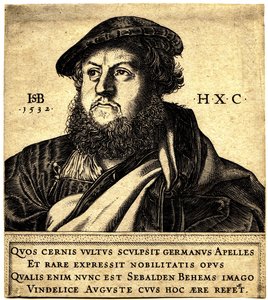
Hans Sebald Beham
1500 - 1550 , Germany
プロフィール概要
- Artistic Movement Or Style: Little Masters
- Artists Or Movements Influenced By This Artist: ['Dürer']
- Artists Who Influenced This Artist: ['Albrecht Dürer']
- Date Of Birth: 1500
- Date Of Death: 1550
- Full Name: Hans Sebald Beham
- Nationality: German
- Notable Artworks:
- Coat of Arms
- Fountain of Youth
- Christ & Samaria
- Place Of Birth: Nuremberg, Germany