

 プレビュー
プレビュー
 プリントを購入
 シェアする
シェアする シェアする
シェアする
 詳細を見る
詳細を見る

 ダウンロード
 似ている作品
 X線調査
X線調査 スライドショー
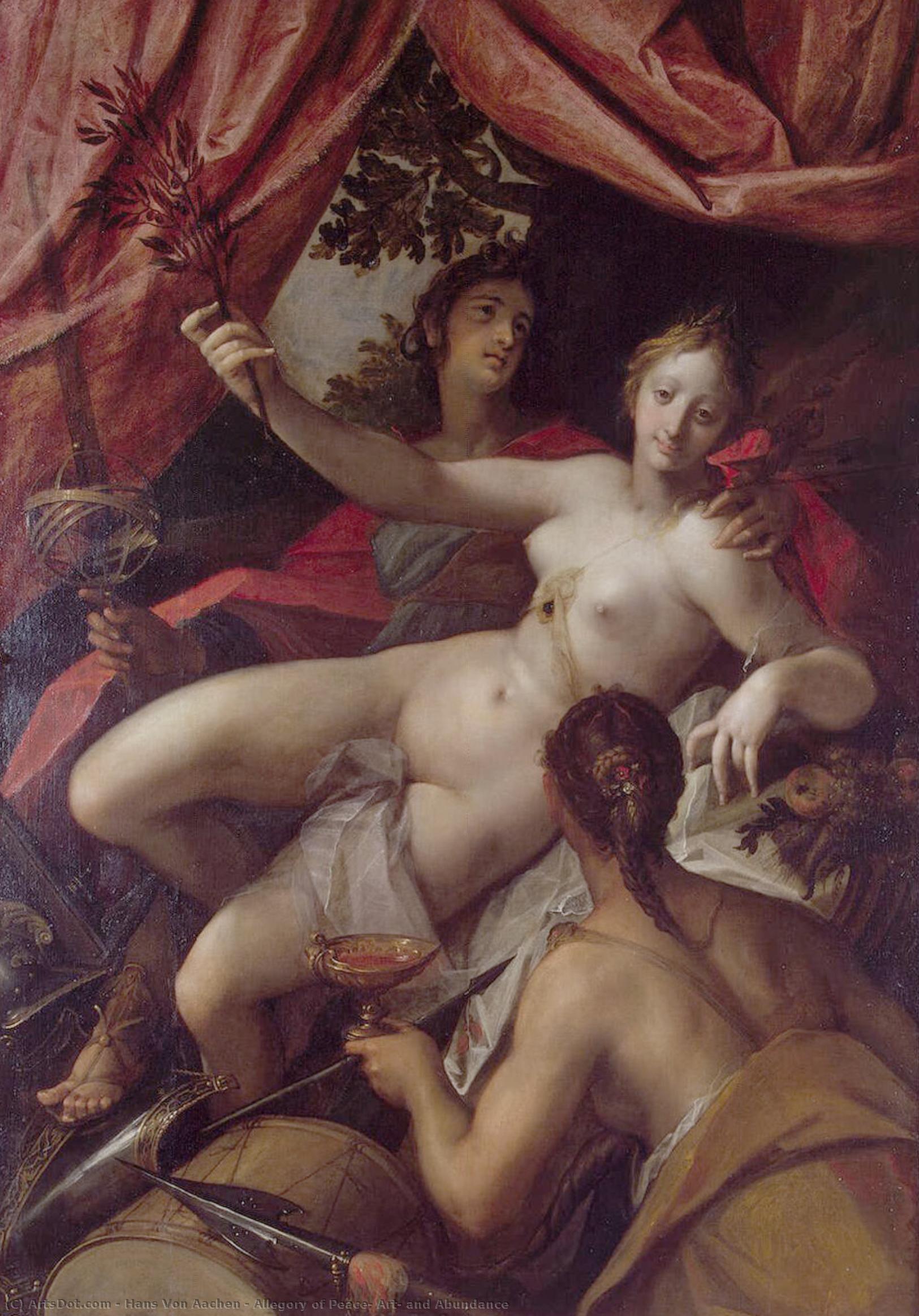
Allegory of Peace, Art, and Abundance
 Acrylic On Canvas
- WallArt
- Mannerist Painting
 1602
1602 197.0 x 142.0 cm
 エルミタージュ美術館
 詳細を見る
詳細を見る




P118B $10

P118H $10

P118W $10

P438Z $10

P508JH $12

P508YH $12

P805H $10

P805Z $10

P919BZ $10

P919G $10

P919XJ $10

P959ZH $10

P968JZ $12

W106C $8

W218G $10

W218JH $8

W218Y $10

W307PJ $10

W316G $10

W316PJ $8

W316Y $10

W398PJ $8

W4111J $10

W500HY $15

W500JH $15

W692G $12

W849H $8

W940BG $15

W953PJ $8




作品のオリジナル比率に合わせた、当店の規定サイズからお選びください。

特定のフレームやスペースに合わせて、ご希望のサイズをご入力いただけます。選択されたサイズが元の画像の比率と異なる場合、アートワークをトリミングするか、手描きで要素を追加して絵画を拡張いたします。デジタルモックアップ を制作し、制作開始前にご確認(承認)をいただきます。
画面上のプレビューは、実際のトリミングや拡張を正確に反映しているものではありません。最終的な構図は、モックアップによってのみ正確にご確認いただけます。
カスタムサイズもご利用いただけますが、元の比率を維持するためには、あらかじめ用意されたリストからサイズを選択することをお勧めいたします。
ご注文後、ArtsDot.com チームより詳細な指示をお送りするとともに、仕上がりイメージ(モックアップ)をご提供いたします。


 ガラスオプションは、110cm未満のサイズでのみご利用いただけます。

Allegory of Peace, Art, and Abundance
複製技法
複製画のサイズ
-


合計金額
$ 263
作品解説
Allegory of Peace, Art, and Abundance – A Renaissance Tapestry of Prosperity
Hans von Aachen’s “Allegory of Peace, Art, and Abundance,” painted in Cologne around 1602, is more than just a beautiful depiction; it's a meticulously crafted visual argument for the flourishing of a civilized society. This remarkable work, now housed within the Hermitage Museum in St. Petersburg, offers a rare glimpse into the artistic sensibilities of the Northern Mannerist period – a style characterized by its dramatic lighting, elongated figures, and an intense focus on symbolism. The painting immediately commands attention with its rich palette: deep reds and golds dominate, contrasted against cool blues and greens, creating a sense of opulent grandeur that speaks to both earthly wealth and divine grace.
At the heart of the composition stand three elegantly posed women, each embodying a key element of the allegory. The central figure, draped in flowing robes, holds a vase overflowing with fruits – a potent symbol of abundance and fertility. To her right, another woman cradles a wine glass, representing not just indulgence but also the celebration of life’s pleasures and the importance of social harmony. And on the left, a third woman gestures towards a book, signifying knowledge, wisdom, and the enduring legacy of art itself. These figures aren't merely decorative; they are carefully positioned to create a dynamic narrative, guiding the viewer through a complex web of interconnected ideas.
The Mannerist Influence – Drama and Detail
Von Aachen’s style is deeply rooted in the traditions of Flemish Renaissance painting, yet he infused it with the dramatic flair characteristic of Mannerism. Notice the elongated figures, particularly the graceful curves of the women's robes, and the intricate details that adorn their garments and surroundings. The artist masterfully employs *chiaroscuro* – the skillful manipulation of light and shadow – to create a sense of theatrical depth and heighten the emotional impact of the scene. The background is filled with an array of objects: cups, bowls, knives, books, musical instruments, and even a bird perched on a branch—each carefully chosen to reinforce the central theme of prosperity and cultural refinement. The meticulous rendering of textures – from the velvet of the robes to the polished sheen of the silver – demonstrates Von Aachen’s exceptional technical skill.
A Window into Imperial Patronage
The “Allegory of Peace, Art, and Abundance” was commissioned for Emperor Rudolf II, a renowned art collector and patron of the arts. Rudolf II's court in Prague was a vibrant hub of artistic activity, attracting artists from across Europe. This painting reflects the emperor’s fascination with classical antiquity, mythology, and the celebration of human achievement – all themes central to Mannerist aesthetics. The inclusion of objects associated with learning and culture underscores the importance of intellectual pursuits within the imperial court. It's a testament to the power of art as a tool for projecting an image of wealth, sophistication, and cultural authority.
Symbolism and Emotional Resonance
Beyond its technical brilliance, the painting resonates deeply with viewers due to its potent symbolism. The overall composition suggests a harmonious balance between earthly pleasures and spiritual ideals – a reflection of Renaissance humanism’s emphasis on the integration of faith and reason. The abundance depicted isn't merely material wealth; it represents the flourishing of all aspects of civilized life: art, knowledge, social harmony, and ultimately, peace. The painting evokes a sense of optimism and aspiration, inviting us to contemplate the possibilities for a prosperous and enlightened future. It’s a timeless reminder that beauty, wisdom, and generosity are essential ingredients for a truly fulfilling existence.
関連作品
アーティストの略歴
初期の生涯と修行
ハンス・フォン・アーヘンというドイツの画家は、1552年にケルンの街で生まれました。彼の初期の生活についてはほとんど知られていませんが、地元の画家であったレオナルドゥス・ジーヴェンホーフェンの工房で芸術的な修行を積んだと信じられています。芸術様式と影響
アーヘンの作品は、マニエリスム様式に典型的な鮮やかな色彩と劇的な構図の使用によって特徴づけられています。彼の絵画にはしばしば引き伸ばされた人物像、精緻なディテール、そして張り詰めた緊張感が漂っており、これらはエル・グレコ(ドメニコス・テオトコポロス)の作品から強い影響を受けています。彼の注目すべき作品には以下のようなものがあります。- 『磔刑像』(1585年)は、彼の大胆な色彩と劇的な光の使い方が際立つ作品です。
- 『最後の審判』(1590年)は、単一の構図の中に複数の人物を調和させる彼の能力を示しています。
- 『謎の女性の肖像』(1595年)は、人間の表情の微妙な機微を捉える彼の熟練した技量を際立たせた肖像画です。
著名な所蔵と展覧会
アーヘンの作品は、以下のような様々な美術館で見ることができます。- ゲマルトゲレエ・アルテ・マイスター(ドイツ、ドレスデン)では、15世紀から18世紀にかけての広範なヨーロッパ絵画コレクションを誇ります。
- 博物館オストドイチェ・ガレリー(ドイツ、レーゲンブルク)では、東ドイツ美術のユニークなコレクションを展示しています。
遺産
ハンス・フォン・アーヘンは1615年に世を去り、精緻で感情豊かな絵画という遺産を残しました。彼の作品は今もなお芸術家や美術愛好家たちにインスピレーションを与え続け、マニエリスム美術の世界への唯一無二の垣間見せてくれます。ハンス・フォン・アーヘンの生涯と作品についてさらに知るには、ArtsDot.comをご覧ください: [https://ArtsDot.com/@@/a@d3aquv](https://ArtsDot.com/@@/a@d3aquv) | 博物館オストドイチェ・ガレリー(ドイツ)の発見
ハンス・フォン・アーヘン
1552 - 1615 , ドイツ
基本情報
- Artistic Movement Or Style: マニエリスム絵画
- Artists Or Movements Influenced By This Artist: ['ルネサンス美術']
- Artists Who Influenced This Artist: ['エル・グレコ']
- Date Of Birth: 1552年、ドイツのケルン
- Date Of Death: 1615年
- Full Name: ハンス・フォン・アーヘン
- Nationality: ドイツ人
- Notable Artworks:
- 磔刑像
- 最後の審判
- 謎の女性の肖像
- Place Of Birth: ケルン
関連記事
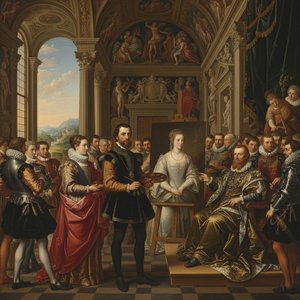
Hans von Aachen: Mannerism's Courtly Visionary & Imperial Portraiture
Explore the captivating world of Hans von Aachen, a leading Mannerist painter renowned for his exquisite imperial portraits & mythological scenes. Discover his legacy and influence on 16th-century European art.
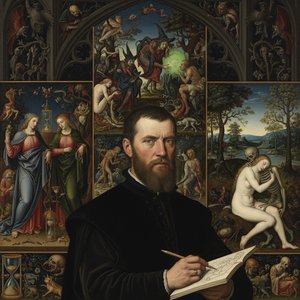
Hans Baldung Grien: A Renaissance Master of Allegory, Innovation & the Grotesque
Explore the captivating world of Hans Baldung Grien, a Renaissance master renowned for his allegorical paintings, striking woodcuts & unique depictions of mythology and the grotesque. Discover his life, works & legacy with ArtsDot.
Unveiling Hidden Meanings: Allegory in Western Art History
Explore the rich history of allegory in Western art! Discover hidden meanings in masterpieces from Giotto to Bosch & beyond. Expert insights for collectors and enthusiasts at ArtsDot.
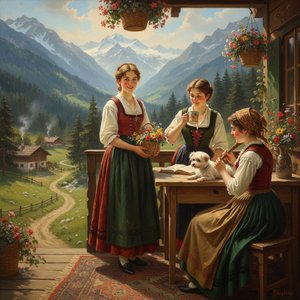
Eugen von Blaas: Capturing Alpine Life & Sentiment in 19th-Century Austrian Painting
Discover the captivating world of Eugen von Blaas! Explore his exquisite 19th-century paintings capturing Venetian life & Alpine beauty. Learn about his Academic Classicism style and find museum-quality reproductions at ArtsDot.
Serene Masterpieces: 10 Artworks for Peaceful Decor |
Find peace with 10 serene masterpieces! Explore calming landscapes by Monet & Van Gogh, tranquil Japanese art like Hokusai’s Great Wave, and more. Discover the stories behind these iconic paintings & bring museum-quality art to your home with . Explore the full collection online.

