

 プレビュー
プレビュー
 プリントを購入
 シェアする
シェアする シェアする
シェアする
 詳細を見る
詳細を見る

 ダウンロード
 似ている作品
 X線調査
X線調査 スライドショー
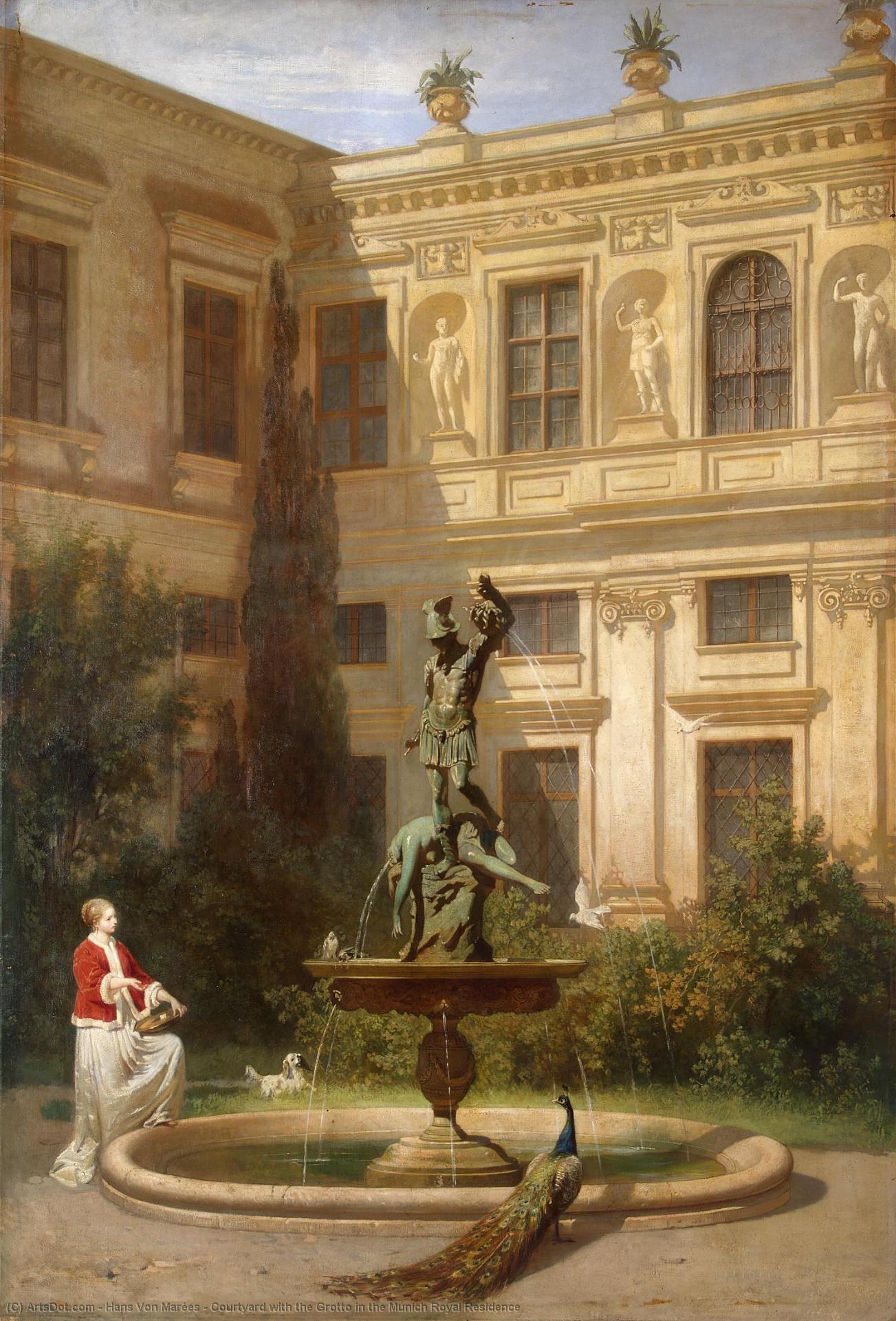
Courtyard with the Grotto in the Munich Royal Residence
 Oil On Canvas
- WallArt
- Romantic Classicism
 1862
1862 240.0 x 162.0 cm
 エルミタージュ美術館
 詳細を見る
詳細を見る




P118B $10

P118H $10

P118W $10

P438Z $10

P508JH $12

P508YH $12

P805H $10

P805Z $10

P919BZ $10

P919G $10

P919XJ $10

P959ZH $10

P968JZ $12

W106C $8

W218G $10

W218JH $8

W218Y $10

W307PJ $10

W316G $10

W316PJ $8

W316Y $10

W398PJ $8

W4111J $10

W500HY $15

W500JH $15

W692G $12

W849H $8

W940BG $15

W953PJ $8




作品のオリジナル比率に合わせた、当店の規定サイズからお選びください。

特定のフレームやスペースに合わせて、ご希望のサイズをご入力いただけます。選択されたサイズが元の画像の比率と異なる場合、アートワークをトリミングするか、手描きで要素を追加して絵画を拡張いたします。デジタルモックアップ を制作し、制作開始前にご確認(承認)をいただきます。
画面上のプレビューは、実際のトリミングや拡張を正確に反映しているものではありません。最終的な構図は、モックアップによってのみ正確にご確認いただけます。
カスタムサイズもご利用いただけますが、元の比率を維持するためには、あらかじめ用意されたリストからサイズを選択することをお勧めいたします。
ご注文後、ArtsDot.com チームより詳細な指示をお送りするとともに、仕上がりイメージ(モックアップ)をご提供いたします。


 ガラスオプションは、110cm未満のサイズでのみご利用いただけます。

Courtyard with the Grotto in the Munich Royal Residence
複製技法
複製画のサイズ
-


合計金額
$ 263
Courtyard with the Grotto in the Munich Royal Residence
Hans von Marées’ “Courtyard with the Grotto in the Munich Royal Residence” stands as a testament to Romantic Classicism—a singular achievement that fused the grandeur of Neoclassical precision with the vibrant emotional depth characteristic of the Romantic era. Painted in 1862-1863, this monumental fresco embodies Bavarian royal heritage and continues to captivate viewers with its masterful execution and profound symbolic resonance.Subject Matter and Composition
The artwork depicts a meticulously rendered courtyard within Munich’s Royal Residence, dominated by a central grotto adorned with a sculpted fountain featuring a female figure holding a vase aloft—a deliberate allusion to classical mythology and the veneration of feminine beauty. Surrounding the fountain are numerous statues representing figures from antiquity, including a male deity and a winged bird, meticulously positioned to create a harmonious visual balance. Notably, a dog stands prominently at the base of the grotto, symbolizing loyalty and guardianship – elements frequently employed in Romantic art to convey moral virtue. The architectural backdrop incorporates windows that illuminate the scene, enhancing its luminosity and contributing to an overall impression of serene grandeur.Style and Technique
Marées’ distinctive style exemplifies Romantic Classicism—a movement that sought to revive classical ideals while retaining expressive artistic sensibilities. He achieved unparalleled color depth through a technique known as “Verkehrte Malerei,” or inverted painting, where pigment is applied in reverse on the canvas before being burnished to create an astonishingly luminous surface. This innovative method allowed Marées to capture subtle tonal variations and imbue the artwork with an ethereal glow—a hallmark of Romantic art’s preoccupation with emotion and atmosphere. The artist's meticulous attention to detail ensured that every element, from the sculpted figures to the architectural ornamentation, was rendered with breathtaking accuracy.Historical Context
Painted during a period of significant artistic experimentation in Germany, “Courtyard with the Grotto” reflects the broader cultural currents of its time. Romantic Classicism emerged as a reaction against the perceived formalism of Neoclassicism, advocating for a return to idealized beauty and moral grandeur inspired by ancient Greece and Rome. Marées’ work aligns perfectly with this movement's ethos—celebrating royal patronage and embodying the aspirations of German intellectuals and artists during the Victorian era. The fresco was commissioned as part of a larger project aimed at decorating the Royal Residence, reflecting the Habsburg monarchy’s commitment to artistic excellence and cultural prestige.Symbolism and Emotional Impact
The artwork’s symbolism transcends mere representation; it communicates profound ideas about virtue, beauty, and divine grace. The female figure holding the vase symbolizes fertility and nurturing—values central to Romantic ideals of femininity. The statues surrounding the fountain represent figures from classical mythology who embody wisdom and moral authority. Furthermore, the dog embodies loyalty and protection—themes frequently explored in Romantic art as expressions of human compassion and devotion. Ultimately, “Courtyard with the Grotto” evokes a sense of tranquility, contemplation, and admiration for the sublime beauty of nature and art—capturing the emotional core of Romantic sensibility.Provenance and Significance
The fresco’s journey began in 1924 when it entered the Hermitage Museum from the State Museum Fund, originally belonging to A. L. Stieglitz. Its current location underscores its enduring artistic value and ensures that future generations can appreciate Marées' groundbreaking contribution to German art history. The artwork remains a cornerstone of Bavarian royal heritage and continues to inspire artists and collectors alike—a timeless masterpiece embodying the spirit of Romantic Classicism’s harmonious blend of intellect and emotion.関連作品



関連記事

Bronze Sculptures That Defined Art History | ArtsDot
Journey through art history with our Top 10 bronze sculptures! Explore masterpieces by Rodin, Michelangelo & more. Discover stories behind iconic statues and find museum-quality reproductions for your home decor at ArtsDot.com.

The Enduring Form: Exploring Themes & Techniques in Sculpture Across Historical Periods
Explore the rich history of sculpture from ancient masterpieces to contemporary innovations. Discover key techniques, influential artists & investment potential for discerning art collectors.

Bronze Age to Modern Masters: 10 Sculptures That Redefined Art | ArtsDot
Journey through art history with 10 legendary bronze sculptures – from Michelangelo's David to Rodin’s Thinker. Explore the stories, techniques & timeless beauty of these masterpieces. Find museum-quality reproductions & elevate your home decor on ArtsDot.com.

ロマン派ランドスケープ:時代を彩る巨匠の10選|アートとインテリアの世界
ロマン派絵画の時代を彩る10選。巨匠たちの風景が織りなす感動の世界へ。ターナー、ルーベンスなど、名作の裏話と高精細複製でアートをお部屋に。ArtsDot.comで至福のアート体験を。

The Enduring Form: Sculpture Across History, Technique & Emotional Resonance
Explore the rich history of sculpture with ArtsDot. Discover key techniques, influential artists & investment potential for discerning collectors. Expert insights into valuing and collecting timeless masterpieces.

