

 プレビュー
プレビュー
 プリントを購入
 シェアする
シェアする シェアする
シェアする
 詳細を見る
詳細を見る

 ダウンロード
 似ている作品
 X線調査
X線調査 スライドショー
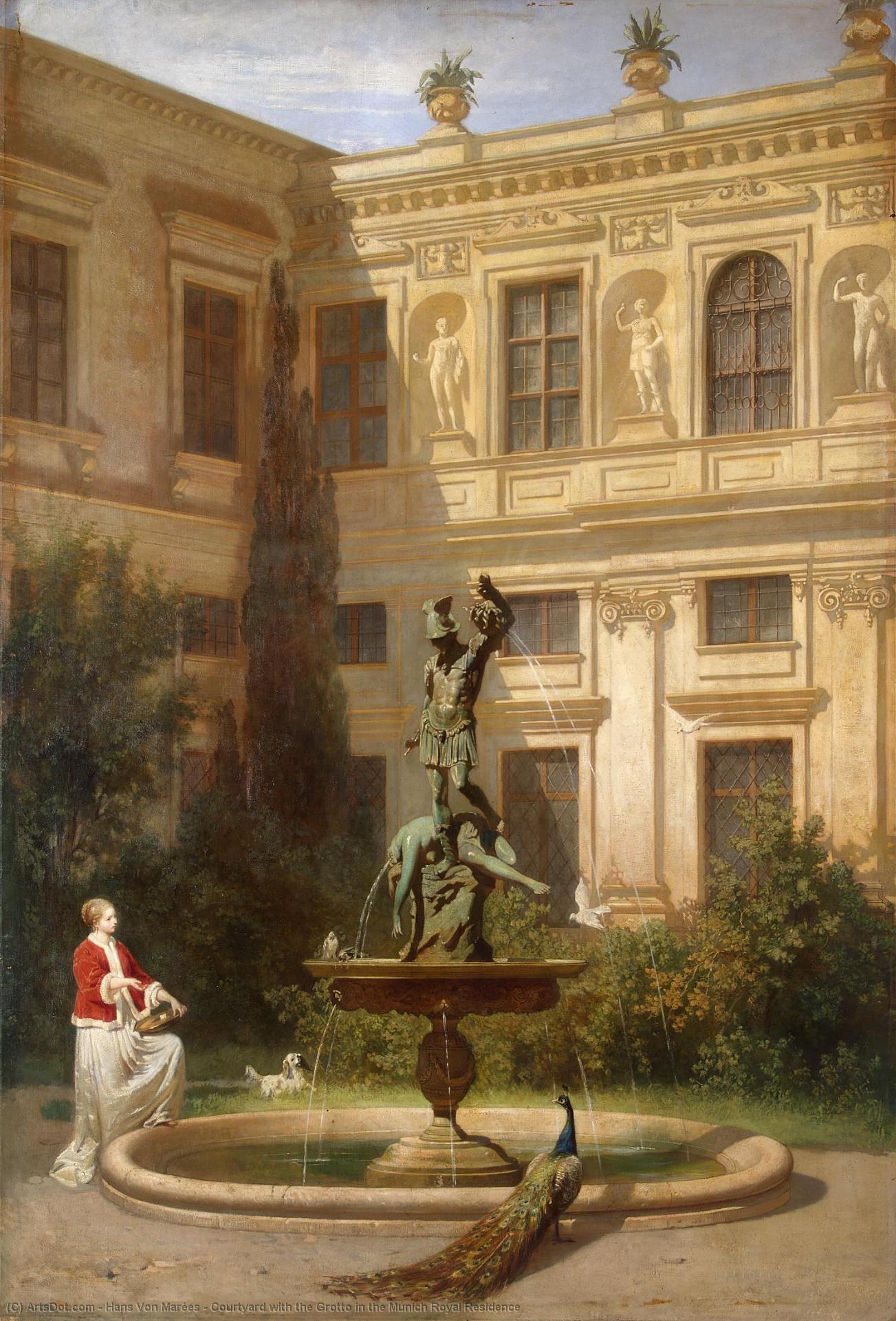
Courtyard with the Grotto in the Munich Royal Residence
 Oil On Canvas
- WallArt
- Romantic Classicism
 1862
1862 240.0 x 162.0 cm
 エルミタージュ美術館
 詳細を見る
詳細を見る
オンラインプレビューをはるかに凌ぐ、高解像度で鮮明なデジタル画像をご購入いただけます。
各ファイルは、社内の専門家が高度なツールと熟練した手作業によるレタッチを用いて、細心の注意を払って準備されています。すべての画像において、卓越した鮮明度、正確な色彩再現性、そして繊細なディテールを保証いたします。
最終ファイルは、プロフェッショナルな編集・印刷環境ですぐにご利用いただけるよう最適化された状態で、72時間以内にメールにてお届けいたします。これは、一流のデザインスタジオ、出版社、ギャラリーから信頼されているものと同等の品質です。
デジタル画像のご注文に付随する特典
高品質なデジタル画像配信を、確かな品質で。
ArtsDot.com を選ぶことは、単に画像を手に入れることではありません。それは、プロの手によって精密に仕上げられ、満足保証が付いた高品質なデジタルアートワークを受け取ることを意味します。ご注文いただいた際に自動的に付随する内容は、以下の通りです:

メールですぐにお届け
ご注文から72時間以内に、高解像度のデジタル画像ファイルがメールでお手元に届きます。すぐにそのままご利用いただけます。

AI技術で最適化されたデジタルファイル
お客様の作品は、高度なAIツールと専門家による手作業の編集を組み合わせてプロフェッショナルに最適化されており、細部のディテール、鮮明さ、そして正確な色再現性を最大限に引き出しています。

一生涯無料の再送サービス
ファイルを誤って削除したり、紛失してしまったりしましたか?ご安心ください。いつでも無料で再送いたします。

輸入手数料は一切かかりません
関税や手数料、配送料を気にすることなく、お気に入りのアートワークをすぐにお楽しみいただけます。デジタルダウンロードは常に免税です。

色彩再現の保証
プロ仕様のツールとカラーマネジメント技術を用いることで、デジタル画像が元の色を最大限に忠実に再現することを保証いたします。

60日間満足保証
ご購入いただいたデジタル画像にご満足いただけない場合は、60日以内であれば、修正または100%の返金(理由を問う必要はありません)をさせていただきます。

100% 返金保証
ご満足いただけない場合は、デジタルファイルを受け取ってから60日以内であれば、理由を問わず全額返金いたします。

まとめ買い割引
3枚購入で10%OFF - 5枚購入で15%OFF - 10枚以上購入で20%OFF。クリエイティブなプロジェクト、ギャラリー、エージェンシーに最適です。
Courtyard with the Grotto in the Munich Royal Residence
Hans von Marées’ “Courtyard with the Grotto in the Munich Royal Residence” stands as a testament to Romantic Classicism—a singular achievement that fused the grandeur of Neoclassical precision with the vibrant emotional depth characteristic of the Romantic era. Painted in 1862-1863, this monumental fresco embodies Bavarian royal heritage and continues to captivate viewers with its masterful execution and profound symbolic resonance.Subject Matter and Composition
The artwork depicts a meticulously rendered courtyard within Munich’s Royal Residence, dominated by a central grotto adorned with a sculpted fountain featuring a female figure holding a vase aloft—a deliberate allusion to classical mythology and the veneration of feminine beauty. Surrounding the fountain are numerous statues representing figures from antiquity, including a male deity and a winged bird, meticulously positioned to create a harmonious visual balance. Notably, a dog stands prominently at the base of the grotto, symbolizing loyalty and guardianship – elements frequently employed in Romantic art to convey moral virtue. The architectural backdrop incorporates windows that illuminate the scene, enhancing its luminosity and contributing to an overall impression of serene grandeur.Style and Technique
Marées’ distinctive style exemplifies Romantic Classicism—a movement that sought to revive classical ideals while retaining expressive artistic sensibilities. He achieved unparalleled color depth through a technique known as “Verkehrte Malerei,” or inverted painting, where pigment is applied in reverse on the canvas before being burnished to create an astonishingly luminous surface. This innovative method allowed Marées to capture subtle tonal variations and imbue the artwork with an ethereal glow—a hallmark of Romantic art’s preoccupation with emotion and atmosphere. The artist's meticulous attention to detail ensured that every element, from the sculpted figures to the architectural ornamentation, was rendered with breathtaking accuracy.Historical Context
Painted during a period of significant artistic experimentation in Germany, “Courtyard with the Grotto” reflects the broader cultural currents of its time. Romantic Classicism emerged as a reaction against the perceived formalism of Neoclassicism, advocating for a return to idealized beauty and moral grandeur inspired by ancient Greece and Rome. Marées’ work aligns perfectly with this movement's ethos—celebrating royal patronage and embodying the aspirations of German intellectuals and artists during the Victorian era. The fresco was commissioned as part of a larger project aimed at decorating the Royal Residence, reflecting the Habsburg monarchy’s commitment to artistic excellence and cultural prestige.Symbolism and Emotional Impact
The artwork’s symbolism transcends mere representation; it communicates profound ideas about virtue, beauty, and divine grace. The female figure holding the vase symbolizes fertility and nurturing—values central to Romantic ideals of femininity. The statues surrounding the fountain represent figures from classical mythology who embody wisdom and moral authority. Furthermore, the dog embodies loyalty and protection—themes frequently explored in Romantic art as expressions of human compassion and devotion. Ultimately, “Courtyard with the Grotto” evokes a sense of tranquility, contemplation, and admiration for the sublime beauty of nature and art—capturing the emotional core of Romantic sensibility.Provenance and Significance
The fresco’s journey began in 1924 when it entered the Hermitage Museum from the State Museum Fund, originally belonging to A. L. Stieglitz. Its current location underscores its enduring artistic value and ensures that future generations can appreciate Marées' groundbreaking contribution to German art history. The artwork remains a cornerstone of Bavarian royal heritage and continues to inspire artists and collectors alike—a timeless masterpiece embodying the spirit of Romantic Classicism’s harmonious blend of intellect and emotion.関連作品

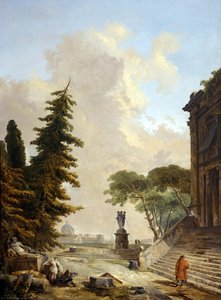
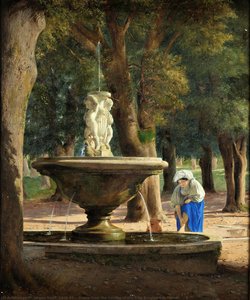
作家の略歴
The Visionary Spirit of Hans von Marées
Hans von Marées stands as a singular figure in German art history—a painter who seamlessly blended Romantic idealism with the meticulous precision of Neoclassicism, achieving an unprecedented level of color depth and expressive nuance. Born into a wealthy banking family in Elberfeld, Prussia, in 1837, Marées’ artistic journey was shaped by both intellectual privilege and a profound, searching spirit. His early life, rooted in the disciplined atmosphere of his upbringing, provided the foundation for a career defined by a relentless pursuit of an aesthetic truth that transcended the mere imitation of nature.
His formal training at the Berlin Academy under Carl Steffeck proved to be a pivotal encounter. While Steffeck’s rigorous insistence on classical techniques and the study of Old Masters instilled in Marées a mastery of composition, it also provided the very tools he would later use to depart from tradition. The early years of his career were deeply colored by the melancholic beauty of Romanticism. Influenced by the haunting landscapes of Caspar David Friedrich, Marées began to explore the sublime power of the Prussian wilderness, using subtle tonal variations to capture the psychological weight of the natural world.
A Journey Toward Mythological Grandeur
As his style matured, Marées moved away from the purely descriptive qualities of landscape painting toward a more monumental and symbolic language. This evolution led him toward a unique form of mythological classicism, where figures were not merely subjects of historical record but vessels for eternal human emotions. His work began to resonate with a sense of timelessness, often characterized by large-scale compositions that felt both ancient and strikingly modern. This period saw him experimenting with the dramatic potential of light and shadow, creating works that possessed a sculptural weightiness.
His travels and exposure to diverse cultural influences further enriched his palette and perspective. The artist’s ability to integrate various stylistic elements—from the precision of classical antiquity to the burgeoning energy of contemporary realism—allowed him to create a visual vocabulary that was entirely his own. Whether depicting scenes of quiet contemplation or grand, epic struggles, Marées infused his canvases with a vibrant classicism that sought to elevate the human experience through art.
Legacy and Artistic Significance
The significance of Hans von Marées lies in his refusal to be confined by the rigid movements of his era. He occupied a unique space between the fading echoes of Romanticism and the rising tide of modernism, acting as a bridge between the old world and the new. His mastery of color and his ability to imbue mythological themes with profound psychological depth ensured that his work remained relevant even as artistic trends shifted toward more fragmented and abstract expressions.
Though his life was tragically cut short in 1887, the impact of his oeuvre remains palpable. His contributions can be seen in several key areas:
- The Synthesis of Styles: His unique ability to merge the emotional depth of Romanticism with the structural clarity of Neoclassicism.
- Mythological Innovation: The transformation of classical themes into expressive, modern psychological narratives.
- Technical Mastery: A profound command over color depth and monumental composition that influenced subsequent generations of German painters.
Today, Marées is remembered not just as a painter of beautiful scenes, but as a pioneer who dared to seek a universal language through the marriage of myth and reality. His works, from intimate portraits like Selbstbildnis Im Japanischen Gewande to his sweeping landscapes, continue to offer a window into a soul that sought the eternal within the ephemeral.
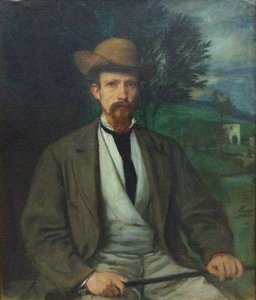
ハンス・フォン・マーレース
1837 - 1887

