

 プレビュー
プレビュー
 プリントを購入
 シェアする
シェアする シェアする
シェアする
 詳細を見る
詳細を見る

 ダウンロード
 似ている作品
 X線調査
X線調査 スライドショー
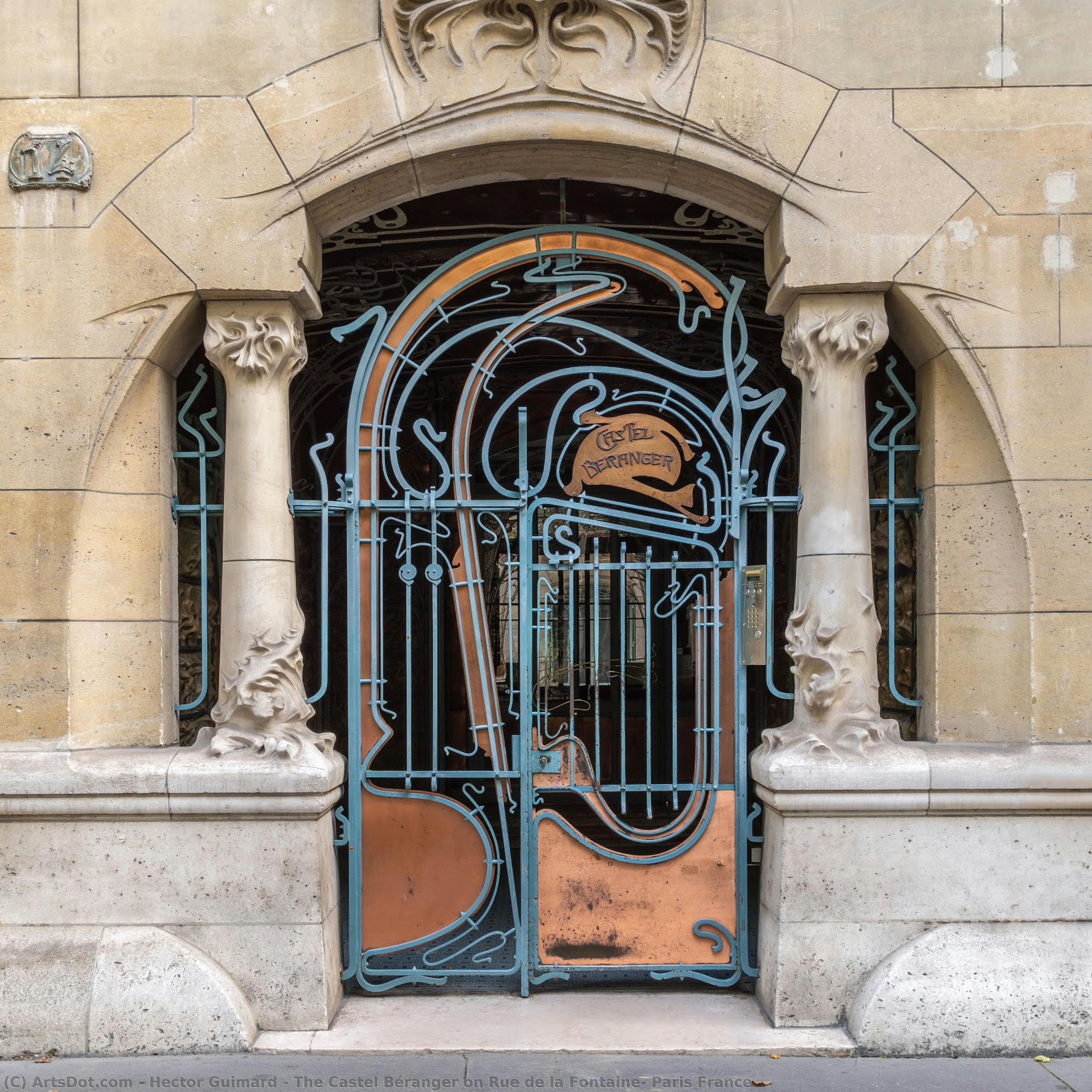
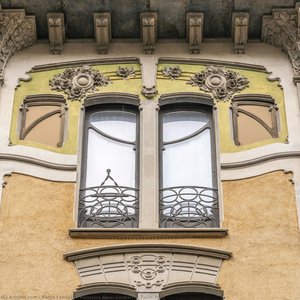
The Castel Béranger on Rue de la Fontaine, Paris France


 詳細を見る
詳細を見る




P118B $10

P118H $10

P118W $10

P438Z $10

P508JH $12

P508YH $12

P805H $10

P805Z $10

P919BZ $10

P919G $10

P919XJ $10

P959ZH $10

P968JZ $12

W106C $8

W218G $10

W218JH $8

W218Y $10

W307PJ $10

W316G $10

W316PJ $8

W316Y $10

W398PJ $8

W4111J $10

W500HY $15

W500JH $15

W692G $12

W849H $8

W940BG $15

W953PJ $8




作品のオリジナル比率に合わせた、当店の規定サイズからお選びください。

特定のフレームやスペースに合わせて、ご希望のサイズをご入力いただけます。選択されたサイズが元の画像の比率と異なる場合、アートワークをトリミングするか、手描きで要素を追加して絵画を拡張いたします。デジタルモックアップ を制作し、制作開始前にご確認(承認)をいただきます。
画面上のプレビューは、実際のトリミングや拡張を正確に反映しているものではありません。最終的な構図は、モックアップによってのみ正確にご確認いただけます。
カスタムサイズもご利用いただけますが、元の比率を維持するためには、あらかじめ用意されたリストからサイズを選択することをお勧めいたします。
ご注文後、ArtsDot.com チームより詳細な指示をお送りするとともに、仕上がりイメージ(モックアップ)をご提供いたします。


 ガラスオプションは、110cm未満のサイズでのみご利用いただけます。

The Castel Béranger on Rue de la Fontaine, Paris France
複製技法
複製画のサイズ
-


合計金額
$ 263
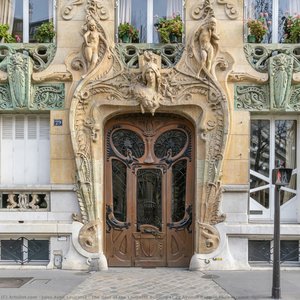
The Castel Béranger on Rue de la Fontaine, Paris France – A Vision of Organic Ornamentation
Hector Guimard’s “The Castel Béranger on Rue de la Fontaine, Paris France” stands as a cornerstone of Art Nouveau architecture and arguably its most recognizable visual manifestation. Completed in 1895-1898, this unassuming residential building belies the profound artistic statement it represents—a deliberate rejection of academic conventions in favor of embracing the principles championed by Guimard himself: fluidity, asymmetry, and an unwavering devotion to natural forms.
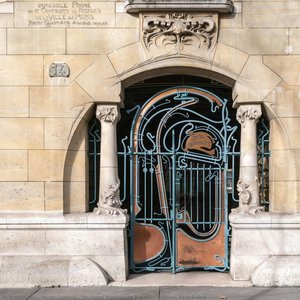
- Subject Matter: The painting depicts a monumental arched doorway leading into the Castel Béranger apartment complex. It’s not merely a functional entrance; it's a sculptural element designed to captivate the eye and evoke a sense of grandeur.
- Style & Technique: Guimard’s signature Art Nouveau style is immediately apparent in every detail. The doorway utilizes cast iron, meticulously crafted with flowing lines reminiscent of vines and blossoms—a technique perfected by Guimard himself, who famously declared, “I want to make iron sing.” The surface texture is deliberately rough, mirroring the natural world and rejecting polished surfaces favored by earlier artistic movements.
- Historical Context: Constructed during Paris’s Belle Époque, "The Castel Béranger" embodies the optimism and dynamism of the era—a period marked by rapid industrialization and burgeoning cultural innovation. Guimard sought to elevate urban living through design, creating a space that harmonized with its surroundings while simultaneously expressing artistic ideals.
Symbolism & Emotional Impact: Beyond its aesthetic beauty, the doorway carries significant symbolic weight. The iron bars are not simply structural supports; they’re stylized representations of branches intertwined—a visual metaphor for growth and resilience. Guimard deliberately chose blue metal as a color palette element, referencing the Mediterranean sky and symbolizing tranquility and aspiration. Viewing this artwork evokes feelings of wonder and admiration for Guimard's masterful manipulation of materials and form.
- Material Considerations: The photograph captures the original painting’s textured ironwork with remarkable clarity, allowing viewers to appreciate the craftsmanship involved.
- Interior Design Inspiration: Designers can draw inspiration from Guimard’s approach to ornamentation—incorporating flowing lines and organic motifs into contemporary interiors to create spaces that are both elegant and emotionally resonant.
“The Castel Béranger on Rue de la Fontaine, Paris France” is more than just a building; it's a testament to Guimard’s artistic vision—a celebration of beauty born from innovation and rooted in the enduring power of nature.
関連作品


アーティストの略歴
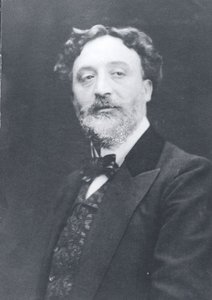
The Poet of Iron and Glass: The Life of Hector Guimard
Hector Guimard (1867-1942) stands as a singular figure in the annals of Art Nouveau architecture, embodying its ethos of organic form and flowing lines—a testament to the transformative power of design. Born in Lyon, France, he pursued his artistic education at the École des Beaux-Arts and later honed his skills at the School of Decorative Arts, establishing himself as both a craftsman and an innovator within the burgeoning Parisian avant-garde movement. His career spanned decades, leaving behind an indelible mark on the cityscape and shaping perceptions of beauty and functionality through a lens that merged the industrial with the biological.
Guimard’s artistic journey began amidst the fervor of Impressionism and Japonisme, absorbing stylistic cues from these movements that would ultimately coalesce into his distinctive vision. However, it was Castel Béranger—the inaugural apartment building in Paris—that cemented his reputation as a pioneer of Art Nouveau. Selected from a competitive design brief in 1899, Guimard’s audacious proposal captivated judges with its innovative use of ironwork and glass, establishing it as the first true exemplar of this revolutionary style. The building's undulating façade, adorned with stylized floral motifs and intricate geometric patterns—a deliberate rejection of rigid classical forms—became a symbol of artistic aspiration and signaled a decisive break from traditional architectural conventions.
A Legacy Written in the Streets of Paris
Guimard’s fame ascended to unparalleled heights thanks to his involvement in the construction of Paris’s first underground railway stations. Between 1890 and 1930, he designed approximately fifty metro entrances and over one hundred and forty-one station halls—a monumental undertaking that profoundly impacted the city's visual landscape and cultural identity. These structures are instantly recognizable for their graceful arches crafted from cast iron, which seem to emerge from the earth like skeletal vines or exotic flora. Through these entrances, Guimard brought high art to the masses, turning a utilitarian transit system into an immersive gallery of organic modernism.
Beyond the grand scale of urban architecture, Guimard’s genius extended into the intimate realms of interior design and decorative arts. He believed that a cohesive aesthetic should permeate every aspect of life, from the structural bones of a building to the smallest household object. His work often featured:
- Furniture Design: Pieces such as his Bench for a Smoking Parlour (1897) demonstrate how he applied the same sinuous, whip-lash curves found in his architecture to functional wooden forms, creating an atmosphere of luxurious, naturalistic elegance.
- Metalwork and Ironwork: His mastery over cast iron allowed him to manipulate hard, industrial materials into soft, fluid shapes that mimicked the growth patterns of plants.
- Integrated Ornamentation: In works like the entrance to Castel Béranger, he utilized elegant blue metal bars and intricate decorative elements to create a rhythmic, visual melody across the building's surface.
The Enduring Spirit of Art Nouveau
The historical significance of Hector Guimard lies in his ability to bridge the gap between the craftsmanship of the past and the industrial possibilities of the future. While his style was deeply rooted in the natural world, his use of mass-produced materials like iron and glass anticipated the functionalist movements that would follow. He did not merely decorate buildings; he breathed life into them, creating environments that felt as though they were breathing alongside their inhabitants.
Though the era of Art Nouveau eventually gave way to the more rigid geometries of Art Deco and Modernism, Guimard's influence remains etched into the very soul of Paris. His ability to transform the urban environment into a poetic landscape of iron and glass ensures that he is remembered not just as an architect, but as a visionary who taught the modern world how to find beauty in the organic flow of life.
Hector Guimard
1867 - 1942 , France
基本情報
- Artistic Movement Or Style: Art Nouveau
- Artists Who Influenced This Artist:
- Gustav Eiffel
- Victor Horta
- Date Of Birth: March 10, 1867
- Date Of Death: May 20, 1942
- Full Name: Hector Guimard
- Nationality: French
- Notable Artworks:
- Madame Guimard’s Bedroom
- Grids for the Paris Métro
- Place Of Birth: Lyon, France
関連記事
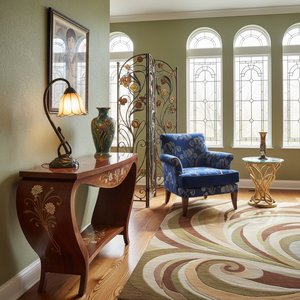
アール・ヌーヴォーを彩る至宝:10の傑作が語る芸術と装飾の世界
アール・ヌーヴォーの魅力を再発見!ムンロ、ドレ、ガウディ…10の傑作が織りなす曲線美の世界。芸術と装飾が融合した至高のアートをArtsDotで堪能し、お部屋に新たな彩りを。コレクションをオンラインで探索しましょう。
現代ギャラリーにおける美術複製版の戦略的役割:模倣を超えて、権威と鑑賞体験を再構築する
現代ギャラリーにおける美術複製版の戦略的役割を徹底分析。贋作問題、流通構造の変化、鑑賞体験の再構築、技術革新まで深く掘り下げ、アート投資やコレクションに役立つ情報を提供します。専門家による視点と信頼性の高いデータに基づいた高品質な記事です。
Beyond Imitation: The Cultural Resonance of Fine Art Reproduction & Discerning Collectors
Explore the cultural significance of fine art reproduction & its appeal to discerning collectors. Discover how reproductions enhance aesthetics, build collections, and signal status. Expert insights & museum-quality artistry.

Beyond Replication: Sustaining Art Heritage Through Inspired Reproductions in Contemporary Interiors
Discover museum-quality art reproductions & bespoke paintings crafted by skilled artists. Elevate your home with timeless masterpieces – ethically sourced, expertly curated, and guaranteed to inspire. Explore our collection today!

油彩、キャンバス、紙による芸術的再現:技法と鑑賞の深淵を探る
油彩、キャンバス、紙を用いた芸術的再現の技法を深く探求。古典絵画の材料研究からオールドマスターの視点まで、ArtsDotが美術史と実践的な知識を提供します。高品質な手描き複製やカスタムポートレートも承ります。

