

 プレビュー
プレビュー
 プリントを購入
 シェアする
シェアする シェアする
シェアする
 詳細を見る
詳細を見る

 ダウンロード
 似ている作品
 X線調査
X線調査 スライドショー
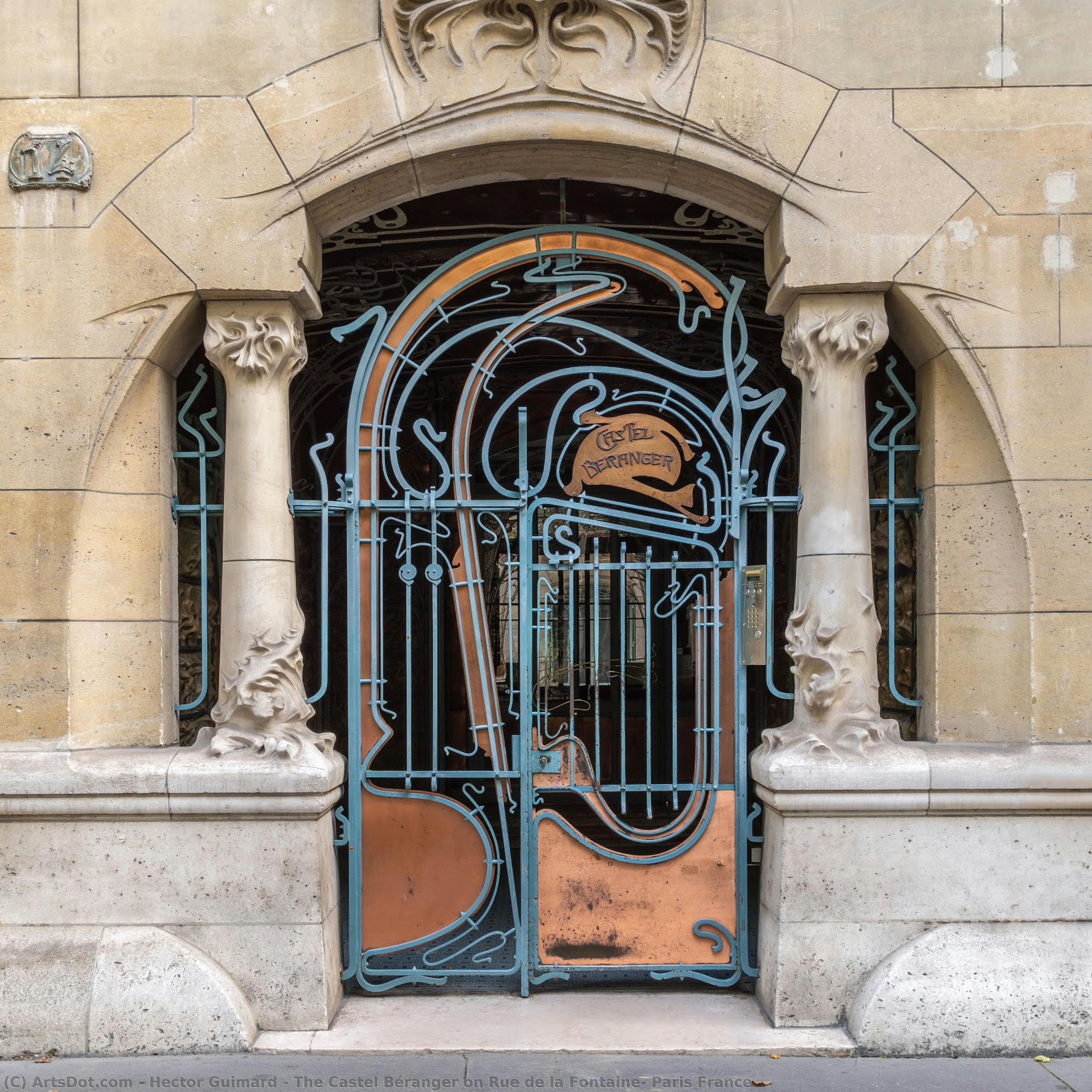
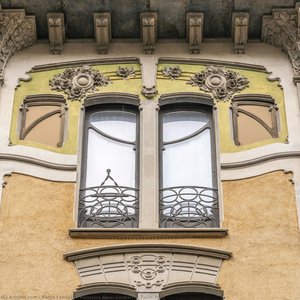
The Castel Béranger on Rue de la Fontaine, Paris France


 詳細を見る
詳細を見る
オンラインプレビューをはるかに凌ぐ、高解像度で鮮明なデジタル画像をご購入いただけます。
各ファイルは、社内の専門家が高度なツールと熟練した手作業によるレタッチを用いて、細心の注意を払って準備されています。すべての画像において、卓越した鮮明度、正確な色彩再現性、そして繊細なディテールを保証いたします。
最終ファイルは、プロフェッショナルな編集・印刷環境ですぐにご利用いただけるよう最適化された状態で、72時間以内にメールにてお届けいたします。これは、一流のデザインスタジオ、出版社、ギャラリーから信頼されているものと同等の品質です。
デジタル画像のご注文に付随する特典
高品質なデジタル画像配信を、確かな品質で。
ArtsDot.com を選ぶことは、単に画像を手に入れることではありません。それは、プロの手によって精密に仕上げられ、満足保証が付いた高品質なデジタルアートワークを受け取ることを意味します。ご注文いただいた際に自動的に付随する内容は、以下の通りです:

メールですぐにお届け
ご注文から72時間以内に、高解像度のデジタル画像ファイルがメールでお手元に届きます。すぐにそのままご利用いただけます。

AI技術で最適化されたデジタルファイル
お客様の作品は、高度なAIツールと専門家による手作業の編集を組み合わせてプロフェッショナルに最適化されており、細部のディテール、鮮明さ、そして正確な色再現性を最大限に引き出しています。

一生涯無料の再送サービス
ファイルを誤って削除したり、紛失してしまったりしましたか?ご安心ください。いつでも無料で再送いたします。

輸入手数料は一切かかりません
関税や手数料、配送料を気にすることなく、お気に入りのアートワークをすぐにお楽しみいただけます。デジタルダウンロードは常に免税です。

色彩再現の保証
プロ仕様のツールとカラーマネジメント技術を用いることで、デジタル画像が元の色を最大限に忠実に再現することを保証いたします。

60日間満足保証
ご購入いただいたデジタル画像にご満足いただけない場合は、60日以内であれば、修正または100%の返金(理由を問う必要はありません)をさせていただきます。

100% 返金保証
ご満足いただけない場合は、デジタルファイルを受け取ってから60日以内であれば、理由を問わず全額返金いたします。

まとめ買い割引
3枚購入で10%OFF - 5枚購入で15%OFF - 10枚以上購入で20%OFF。クリエイティブなプロジェクト、ギャラリー、エージェンシーに最適です。
The Castel Béranger on Rue de la Fontaine, Paris France – A Vision of Organic Ornamentation
Hector Guimard’s “The Castel Béranger on Rue de la Fontaine, Paris France” stands as a cornerstone of Art Nouveau architecture and arguably its most recognizable visual manifestation. Completed in 1895-1898, this unassuming residential building belies the profound artistic statement it represents—a deliberate rejection of academic conventions in favor of embracing the principles championed by Guimard himself: fluidity, asymmetry, and an unwavering devotion to natural forms.
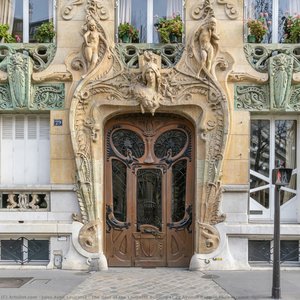
- Subject Matter: The painting depicts a monumental arched doorway leading into the Castel Béranger apartment complex. It’s not merely a functional entrance; it's a sculptural element designed to captivate the eye and evoke a sense of grandeur.
- Style & Technique: Guimard’s signature Art Nouveau style is immediately apparent in every detail. The doorway utilizes cast iron, meticulously crafted with flowing lines reminiscent of vines and blossoms—a technique perfected by Guimard himself, who famously declared, “I want to make iron sing.” The surface texture is deliberately rough, mirroring the natural world and rejecting polished surfaces favored by earlier artistic movements.
- Historical Context: Constructed during Paris’s Belle Époque, "The Castel Béranger" embodies the optimism and dynamism of the era—a period marked by rapid industrialization and burgeoning cultural innovation. Guimard sought to elevate urban living through design, creating a space that harmonized with its surroundings while simultaneously expressing artistic ideals.
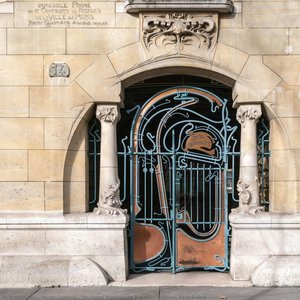
Symbolism & Emotional Impact: Beyond its aesthetic beauty, the doorway carries significant symbolic weight. The iron bars are not simply structural supports; they’re stylized representations of branches intertwined—a visual metaphor for growth and resilience. Guimard deliberately chose blue metal as a color palette element, referencing the Mediterranean sky and symbolizing tranquility and aspiration. Viewing this artwork evokes feelings of wonder and admiration for Guimard's masterful manipulation of materials and form.
- Material Considerations: The photograph captures the original painting’s textured ironwork with remarkable clarity, allowing viewers to appreciate the craftsmanship involved.
- Interior Design Inspiration: Designers can draw inspiration from Guimard’s approach to ornamentation—incorporating flowing lines and organic motifs into contemporary interiors to create spaces that are both elegant and emotionally resonant.
“The Castel Béranger on Rue de la Fontaine, Paris France” is more than just a building; it's a testament to Guimard’s artistic vision—a celebration of beauty born from innovation and rooted in the enduring power of nature.
関連作品


作家の略歴
The Poet of Iron and Glass: The Life of Hector Guimard
Hector Guimard (1867-1942) stands as a singular figure in the annals of Art Nouveau architecture, embodying its ethos of organic form and flowing lines—a testament to the transformative power of design. Born in Lyon, France, he pursued his artistic education at the École des Beaux-Arts and later honed his skills at the School of Decorative Arts, establishing himself as both a craftsman and an innovator within the burgeoning Parisian avant-garde movement. His career spanned decades, leaving behind an indelible mark on the cityscape and shaping perceptions of beauty and functionality through a lens that merged the industrial with the biological.
Guimard’s artistic journey began amidst the fervor of Impressionism and Japonisme, absorbing stylistic cues from these movements that would ultimately coalesce into his distinctive vision. However, it was Castel Béranger—the inaugural apartment building in Paris—that cemented his reputation as a pioneer of Art Nouveau. Selected from a competitive design brief in 1899, Guimard’s audacious proposal captivated judges with its innovative use of ironwork and glass, establishing it as the first true exemplar of this revolutionary style. The building's undulating façade, adorned with stylized floral motifs and intricate geometric patterns—a deliberate rejection of rigid classical forms—became a symbol of artistic aspiration and signaled a decisive break from traditional architectural conventions.
A Legacy Written in the Streets of Paris
Guimard’s fame ascended to unparalleled heights thanks to his involvement in the construction of Paris’s first underground railway stations. Between 1890 and 1930, he designed approximately fifty metro entrances and over one hundred and forty-one station halls—a monumental undertaking that profoundly impacted the city's visual landscape and cultural identity. These structures are instantly recognizable for their graceful arches crafted from cast iron, which seem to emerge from the earth like skeletal vines or exotic flora. Through these entrances, Guimard brought high art to the masses, turning a utilitarian transit system into an immersive gallery of organic modernism.
Beyond the grand scale of urban architecture, Guimard’s genius extended into the intimate realms of interior design and decorative arts. He believed that a cohesive aesthetic should permeate every aspect of life, from the structural bones of a building to the smallest household object. His work often featured:
- Furniture Design: Pieces such as his Bench for a Smoking Parlour (1897) demonstrate how he applied the same sinuous, whip-lash curves found in his architecture to functional wooden forms, creating an atmosphere of luxurious, naturalistic elegance.
- Metalwork and Ironwork: His mastery over cast iron allowed him to manipulate hard, industrial materials into soft, fluid shapes that mimicked the growth patterns of plants.
- Integrated Ornamentation: In works like the entrance to Castel Béranger, he utilized elegant blue metal bars and intricate decorative elements to create a rhythmic, visual melody across the building's surface.
The Enduring Spirit of Art Nouveau
The historical significance of Hector Guimard lies in his ability to bridge the gap between the craftsmanship of the past and the industrial possibilities of the future. While his style was deeply rooted in the natural world, his use of mass-produced materials like iron and glass anticipated the functionalist movements that would follow. He did not merely decorate buildings; he breathed life into them, creating environments that felt as though they were breathing alongside their inhabitants.
Though the era of Art Nouveau eventually gave way to the more rigid geometries of Art Deco and Modernism, Guimard's influence remains etched into the very soul of Paris. His ability to transform the urban environment into a poetic landscape of iron and glass ensures that he is remembered not just as an architect, but as a visionary who taught the modern world how to find beauty in the organic flow of life.
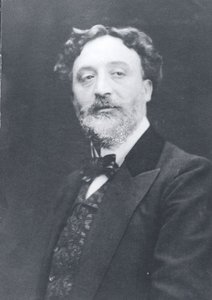
Hector Guimard
1867 - 1942 , France
プロフィール概要
- Artistic Movement Or Style: Art Nouveau
- Artists Who Influenced This Artist:
- Gustav Eiffel
- Victor Horta
- Date Of Birth: March 10, 1867
- Date Of Death: May 20, 1942
- Full Name: Hector Guimard
- Nationality: French
- Notable Artworks:
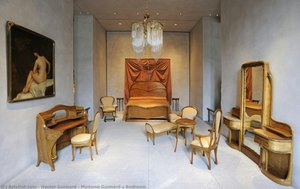
- Madame Guimard’s Bedroom
- Grids for the Paris Métro
- Place Of Birth: Lyon, France

