

 プレビュー
プレビュー
 プリントを購入
 シェアする
シェアする シェアする
シェアする
 詳細を見る
詳細を見る

 ダウンロード
 似ている作品
 X線調査
X線調査 スライドショー
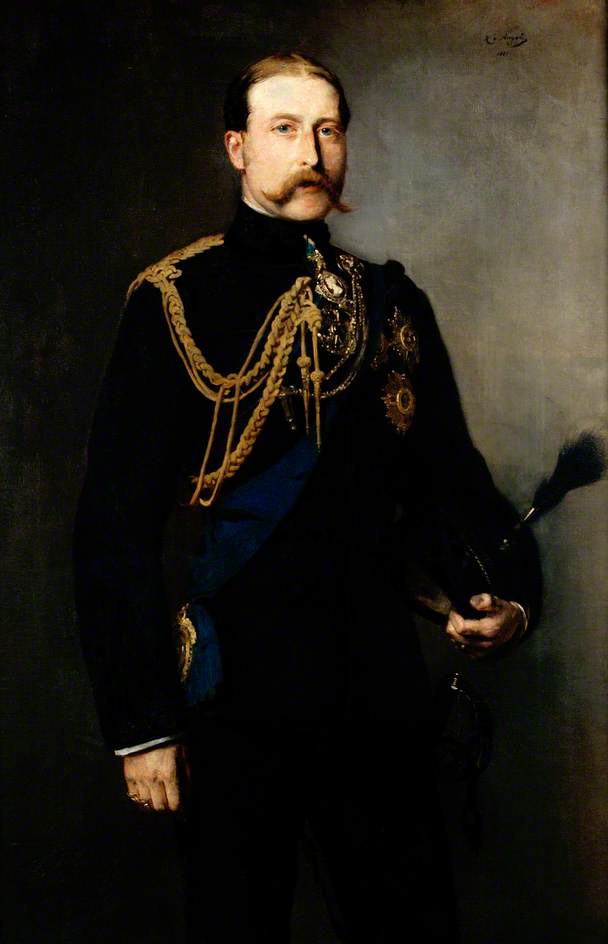
Duke of Connaught (d.1942)
 Academic Realism
 1881
1881 129.0 x 85.0 cm
 The Royal Green Jackets
 詳細を見る
詳細を見る




































作品のオリジナル比率に合わせた、当店の規定サイズからお選びください。

特定のフレームやスペースに合わせて、ご希望のサイズをご入力いただけます。選択されたサイズが元の画像の比率と異なる場合、アートワークをトリミングするか、手描きで要素を追加して絵画を拡張いたします。デジタルモックアップ を制作し、制作開始前にご確認(承認)をいただきます。
画面上のプレビューは、実際のトリミングや拡張を正確に反映しているものではありません。最終的な構図は、モックアップによってのみ正確にご確認いただけます。
カスタムサイズもご利用いただけますが、元の比率を維持するためには、あらかじめ用意されたリストからサイズを選択することをお勧めいたします。
ご注文後、ArtsDot.com チームより詳細な指示をお送りするとともに、仕上がりイメージ(モックアップ)をご提供いたします。


 ガラスオプションは、110cm未満のサイズでのみご利用いただけます。

Duke of Connaught (d.1942)
複製技法
複製画のサイズ
-


合計金額
$ 263
関連作品
アーティストの略歴
The Soul of an Era: The Life and Art of Baron Heinrich von Angeli
Heinrich Anton von Angeli stands as a luminous figure in the grand tapestry of nineteenth-century European art, a painter whose brush captured not just the likenesses of the powerful, but the very essence of an age caught between the fading echoes of Romanticism and the rising clarity of Realism. Born in 1840 in Ödenburg—a region then part of the Austrian Empire, now known as Sopron in Hungary—Angeli emerged from an aristocratic lineage with a profound connection to the cultural heart of Europe. His family roots traced back to Venice, having been ennobled by the Holy and Roman Emperor Maximilian II in 1565, providing him with a social standing that would later facilitate his access to the most prestigious courts of the continent. His artistic journey was one of disciplined movement across the great intellectual hubs of Europe. After beginning his formal training at the Academy of Fine Arts Vienna, he sought further refinement at the Kunstakademie Düsseldorf and in Munich. These formative years allowed him to absorb a diverse range of influences; while he drew deep inspiration from the atmospheric, emotive landscapes of Caspar David Friedrich and the dramatic intensity of Eugène Delacroix, he ultimately forged a path that favored a more naturalistic truth. By 1862, having returned to Vienna, Angeli began to establish himself as a master of his craft, eventually traveling between Berlin, London, and Vienna from 1870 onwards to fulfill the demands of an international clientele.A Master of Majesty and Meticulous Detail
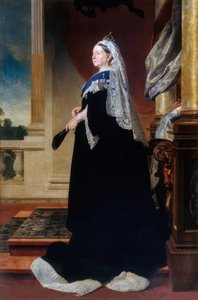
The brilliance of Angeli’s work lies in his uncanny ability to navigate the delicate balance between the grandiosity of his subjects and a profound commitment to technical precision. He was particularly celebrated for his skill in depicting the textures of power—the heavy weight of velvet, the crisp starch of military uniforms, and the breathtaking shimmer of pearls and jewels. His technique was a marvel of patience, characterized by the meticulous layering of thin glazes over a toned ground, a method that allowed him to achieve a luminous depth that seemed to breathe within the canvas itself. Unlike some of his contemporaries who favored a more idealized or theatrical presentation, Angeli preferred to portray his sitters with an honest, naturalistic dignity. This approach made him the preferred chronicler for the era's most influential figures. His portfolio is a "who's who" of nineteenth-century history, featuring:- Queen Victoria, captured in both her regal splendor and her more somber, private moments as a widow.
- Kaiser Wilhelm I, rendered with the authority befitting the German Emperor.
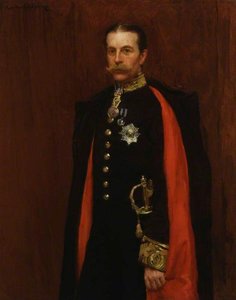
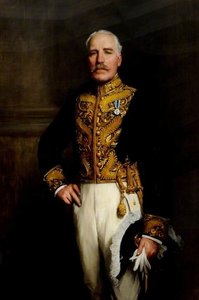
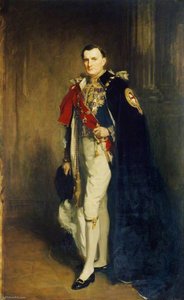
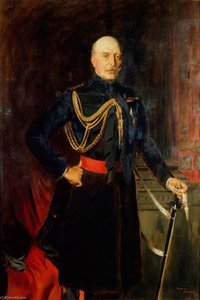
- Statesmen and aristocrats such as Benjamin Disraeli and the Duke of Connaught.
- Military figures like Herbert Kitchener, where his mastery of uniform detail could truly shine.
Legacy and Historical Significance
The historical significance of Heinrich von Angeli extends far beyond the mere documentation of faces. His portraits serve as visual archives of the Victorian and Edwardian eras, embodying the stability, power, and social hierarchies of a period that shaped the modern world. Through his eyes, we see the transition from the romanticized ideals of the early century to the more grounded, realistic observations of the late nineteenth century. Today, his works reside in some of the most prestigious institutions in the world, including the British Royal Collection, the Victoria and Albert Museum, and the Wallace Collection. These paintings are not merely relics of a bygone age; they are enduring testaments to an artist who possessed the rare ability to translate the fleeting light of history into permanent, breathing masterpieces. His legacy remains that of a visual chronicler who, through unparalleled skill and a dedication to truth, immortalized the very soul of an era.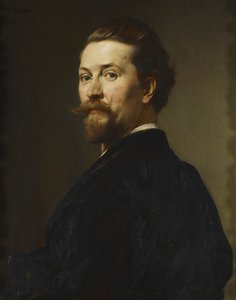
Heinrich von Angeli
1840 - 1925
基本情報
- Artistic Movement Or Style: Neoclassical Romanticism
- Artists Who Influenced This Artist:
- Jean Auguste Dominique Ingres
- Gustav Klimt
- Date Of Birth: 1840
- Date Of Death: 1925
- Full Name: Heinrich Anton von Angeli
- Nationality: Austrian
- Notable Artworks:
- Untitled (AQZPEC)
- Untitled (AQZPE8)
- Prince Henry (1858–1896) in Military Uniform
- Place Of Birth: Ödenburg (Sopron)
関連記事
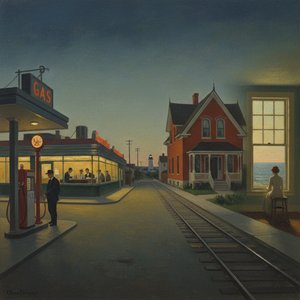
エドワード・ホッパー傑作25選:アメリカの孤独と光影の世界 | ArtsDot
エドワード・ホッパーの傑作25選。アメリカ絵画を代表するモダンアート、孤独と光影の世界を紐解きます。名画「Nighthawks」や「ハウス・バイ・ザ・レールロード」など、美術史に残る作品群をArtsDotで高品質複製画としてお楽しみください。インテリアに深みを与えるアートプリントも多数。今すぐコレクションをご覧ください。

The Enduring Legacy of Oil on Canvas: Technique, History & Aesthetic Impact
Explore the rich history & techniques of oil painting – from Renaissance masters to Impressionism. Discover pigments, layering methods, and why this timeless medium endures. Expert insights for artists & art enthusiasts.

Oil on Canvas: A Historical & Technical Exploration of a Timeless Artistic Medium
Explore the rich history & enduring techniques of oil painting on canvas. Discover the science behind its longevity, conservation practices, and contemporary relevance. Expert insights for art enthusiasts.

The Enduring Power of Painting: A Historical & Contemporary Exploration of Form and Emotion
Explore the rich history & enduring techniques of oil painting with ArtsDot. Discover masterpieces, learn about art collecting, and find authentic handmade reproductions crafted by skilled artists.

油彩のキャンバス:技法、歴史、そして現代の実践 - 古典美術愛好家へ
油彩の技法、歴史、巨匠たちの秘密を徹底解説。古典美術愛好家向けに、初期フランドル絵画から現代の実践まで深く掘り下げます。ArtsDotで高品質な複製画やカスタムオーダーも承ります。

