

 プレビュー
プレビュー
 プリントを購入
 シェアする
シェアする シェアする
シェアする
 詳細を見る
詳細を見る

 ダウンロード
 似ている作品
 X線調査
X線調査 スライドショー
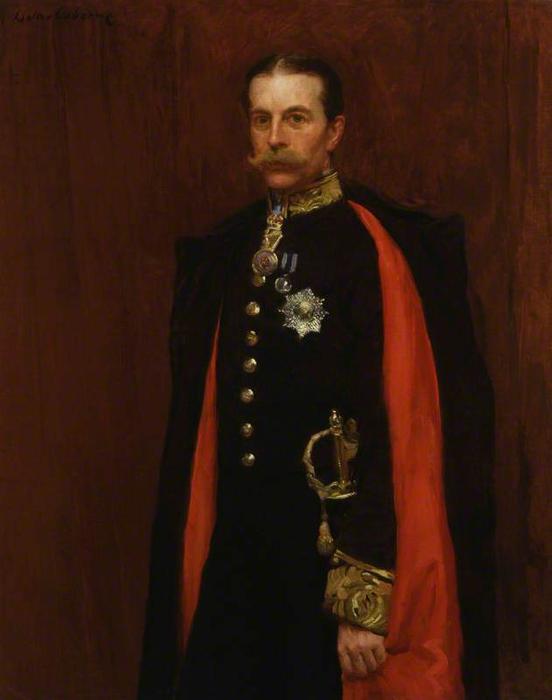
Robert Offley Ashburton Crewe-Milnes, 1st Marquess of Crewe


 詳細を見る
詳細を見る




P118B $10

P118H $10

P118W $10

P438Z $10

P508JH $12

P508YH $12

P805H $10

P805Z $10

P919BZ $10

P919G $10

P919XJ $10

P959ZH $10

P968JZ $12

W106C $8

W218G $10

W218JH $8

W218Y $10

W307PJ $10

W316G $10

W316PJ $8

W316Y $10

W398PJ $8

W4111J $10

W500HY $15

W500JH $15

W692G $12

W849H $8

W940BG $15

W953PJ $8




作品のオリジナル比率に合わせた、当店の規定サイズからお選びください。

特定のフレームやスペースに合わせて、ご希望のサイズをご入力いただけます。選択されたサイズが元の画像の比率と異なる場合、アートワークをトリミングするか、手描きで要素を追加して絵画を拡張いたします。デジタルモックアップ を制作し、制作開始前にご確認(承認)をいただきます。
画面上のプレビューは、実際のトリミングや拡張を正確に反映しているものではありません。最終的な構図は、モックアップによってのみ正確にご確認いただけます。
カスタムサイズもご利用いただけますが、元の比率を維持するためには、あらかじめ用意されたリストからサイズを選択することをお勧めいたします。
ご注文後、ArtsDot.com チームより詳細な指示をお送りするとともに、仕上がりイメージ(モックアップ)をご提供いたします。


 ガラスオプションは、110cm未満のサイズでのみご利用いただけます。

Robert Offley Ashburton Crewe-Milnes, 1st Marquess of Crewe
複製技法
複製画のサイズ
-


合計金額
$ 263
作品解説
A Portrait of Distinction: Capturing Aristocratic Presence
This striking portrait presents Robert Offley Ashburton Crewe-Milnes, the 1st Marquess of Crewe. The subject is rendered with an air of undeniable gravitas and historical importance. Dressed in formal attire—a black suit accented by rich red trim—he commands attention. The inclusion of a prominent gold medal around his neck immediately suggests a life marked by significant achievement, perhaps military valor or distinguished service to the crown. His mustache, meticulously portrayed, adds a touch of masculine formality characteristic of the late Victorian or Edwardian era aristocracy. The entire composition is framed against a bold, saturated red background, a choice that does more than simply fill space; it acts as a dramatic curtain, pushing the figure forward into sharp relief.
Mastery in Technique and Atmosphere
The painting speaks to the skilled hand of Walter Frederick Osborne. While the specific techniques employed—be they oils on canvas or another medium—lend themselves to rich texture, the overall effect is one of polished realism mixed with dramatic flair. The artist has paid close attention to the interplay of light and shadow across the fabric of his suit and the contours of his face. Notice how the deep blacks of the tailoring contrast so sharply with the gleam of the gold medal and the vibrant backdrop. This technical proficiency allows the viewer not only to see a man but to feel the weight of his station and the formality of the occasion captured by Osborne.
Historical Echoes and Symbolic Weight
To gaze upon this portrait is to step back into an era defined by rigid social structures and visible markers of status. The very act of commissioning such a piece was a statement—a desire to immortalize lineage, achievement, and enduring masculine dignity. The red background, in art history, is rarely accidental; it symbolizes passion, power, and ceremony. Coupled with the subject's formal bearing, the painting becomes more than just a likeness; it is an artifact of social memory, whispering tales of balls, state dinners, and consequential decisions made within the gilded cages of high society.
Bringing Nobility Home: Decorating with History
For the discerning collector or interior designer, this reproduction offers an unparalleled opportunity to infuse a space with palpable history and undeniable elegance. Imagine this piece anchoring a grand hall, lending immediate depth and narrative weight to the room's character. The dramatic contrast inherent in the painting—the dark suit against the fiery red—makes it incredibly versatile; it will complement both richly paneled libraries and modern spaces seeking an infusion of classical drama. Owning this work is not merely decorating; it is curating a legacy, allowing the distinguished presence of the Marquess to preside over your own contemporary setting.
関連作品
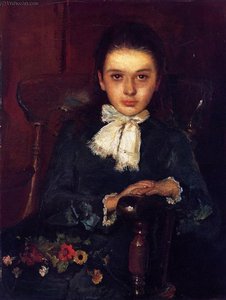
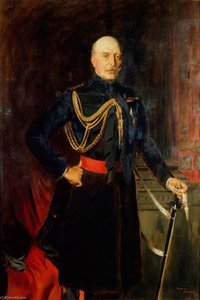
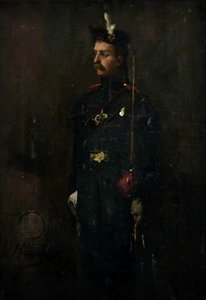
アーティストの略歴
Early Life and Artistic Foundations
Walter Frederick Osborne, born in Rathmines, Ireland, in 1859, emerged from a family deeply rooted in the artistic world. His father, William Osborne, was a successful animal painter, providing young Walter with an early immersion into the sights, smells, and techniques of a working artist’s life. This foundational exposure proved pivotal, nurturing a talent that would blossom into a significant contribution to Irish art. Osborne's formal training began at Rathmines School before progressing to the prestigious Royal Hibernian Academy (RHA) Schools in Dublin. His dedication and skill were quickly recognized; he garnered numerous prizes, culminating in the esteemed Taylor scholarship (£50) – a testament to his exceptional promise even in those early years. This financial support enabled him to broaden his horizons and seek further education abroad, setting the stage for a period of crucial artistic development.European Influences and Artistic Development
Osborne’s journey took him to Antwerp in 1881, where he studied at the Académie Royale des Beaux-Arts under Charles Verlat. This experience immersed him in realist traditions, honing his technical skills and emphasizing meticulous observation. However, it was a subsequent sojourn to Brittany between 1883 and 1884 that proved transformative. Working in locations like Dinan, Pont-Aven, and Quimperlé, Osborne encountered the *plein air* style championed by Jules Bastien-Lepage. This marked a turning point, encouraging him to capture nature directly, responding to light and atmosphere with an immediacy previously absent from his work. The influence of Flemish master Rubens also lingered in his artistic consciousness, evident in his later compositions. These diverse influences – the realism of Verlat, the naturalism of Bastien-Lepage, and the compositional strength of Rubens – coalesced into a unique artistic voice that would define Osborne’s career. His time in England followed, working alongside artists like Nathaniel Hill and Augustus Burke, further refining his skills in landscape and genre scenes depicting rural life.A Return to Dublin and Portraiture Success
Family circumstances prompted Osborne's return to Dublin in 1892, where he established a thriving portrait practice. While landscapes and genre scenes remained central to his artistic interests, the demand for portraits provided financial stability and recognition. He had already become a full member of the RHA in 1886, solidifying his position within the Irish art establishment. Osborne’s style continued to evolve during this period, gradually moving away from strict realism towards Impressionism. This shift manifested in looser brushwork, a more adventurous palette, and an increased emphasis on capturing fleeting moments of light and atmosphere. His portraiture gained considerable acclaim, culminating in the bronze medal awarded for “Mrs Noel Guinness and her Daughter Margaret” at the Exposition Universelle in 1900 – a significant international honor.Themes, Legacy, and Lasting Impact
Walter Osborne’s artistic legacy rests on his sensitive and insightful depictions of everyday life, particularly his documentary portrayals of Dublin's working class. He possessed an exceptional ability to capture the dignity and resilience of ordinary people, offering a poignant glimpse into their world. Beyond these compelling social commentaries, he painted numerous evocative landscapes and genre scenes depicting rural Ireland and England. His notable works, including “Feeding the Chickens,” “Mother and Child,” “The Return Of The Flock”, "Small Girl With A Cat", and “Cherry Ripe,” showcase his mastery of light, color, and composition. Tragically, Osborne’s life was cut short by pneumonia in 1903 at the age of just 43, leaving many to speculate about the artistic heights he might have reached. Despite his premature death, he is now rightfully regarded as a major figure in Irish art history. His work provides invaluable insights into the social conditions and daily lives of late 19th-century Ireland, and his blend of realism and Impressionism continues to inspire subsequent generations of artists. He wasn’t part of any formal movement but his influence on later Irish painters is undeniable, a testament to the enduring power of his vision and skill.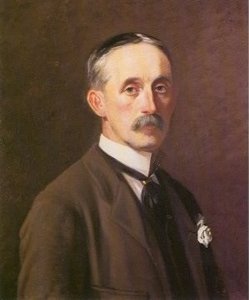
Walter Frederick Osborne
1859 - 1903 , Ireland
基本情報
- Artistic Movement Or Style: Impressionism, Realism
- Artists Or Movements Influenced By This Artist: Later Irish artists
- Artists Who Influenced This Artist:
- Charles Verlat
- Jules Bastien-Lepage
- Rubens
- Date Of Birth: 1859
- Date Of Death: 1903
- Full Name: Walter Frederick Osborne
- Nationality: Irish
- Notable Artworks:
- Feeding the Chickens
- Mother and Child
- Small Girl With A Cat
- Cherry Ripe
- Place Of Birth (City And Country): Rathmines, Ireland
関連記事
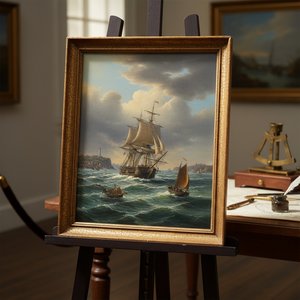
Samuel Walters: Capturing Victorian Maritime Life with Precision & Artistry
Explore the exquisite maritime paintings of Samuel Walters (1811-1882). Discover his mastery of detail, historical scenes & influence on Victorian art. Learn about collecting his works and find high-quality reproductions at ArtsDot.
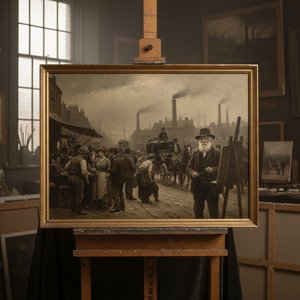
Walter Greaves: A Study in Victorian Realism & the Social Landscape of British Art
Explore the life & work of Walter Greaves, a key Victorian realist painter influenced by Whistler. Discover his London streetscapes, portraits, and enduring legacy. Learn about art appraisal & reproduction options at ArtsDot.

印象派風景を彩った至宝:アート史に名を刻む10選
印象派風景の革新を彩った10選。モネ、ルノワールら巨匠の名作を紐解き、色彩と光が生み出す感動の世界へ。アートの歴史とインテリアのインスピレーションをArtsDot.comで。高品質な複製画で、あなただけの空間を創造しましょう。
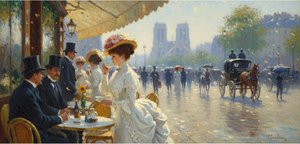
Impressionistic Realism's Finest: 10 Masterpieces for Your Home | ArtsDot
Journey through Impressionistic Realism with 10 iconic masterpieces by Monet, Renoir & Van Gogh. Explore art history, techniques & find museum-quality reproductions for your home at ArtsDot.com. Discover all masterpieces online!
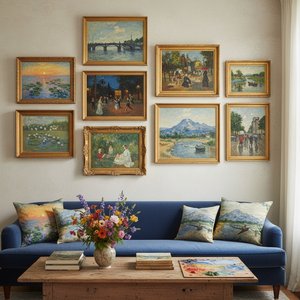
Impressionistic Landscapes: 10 Masterpieces That Changed Art & Decor
Journey into the heart of Impressionism! Explore 10 masterpieces by Monet, Renoir & Degas that revolutionized landscape art. Discover their stories, techniques & find museum-quality reproductions to elevate your home decor on ArtsDot.com.

