

 プレビュー
プレビュー
 プリントを購入
 シェアする
シェアする シェアする
シェアする
 詳細を見る
詳細を見る

 ダウンロード
 似ている作品
 X線調査
X線調査 スライドショー
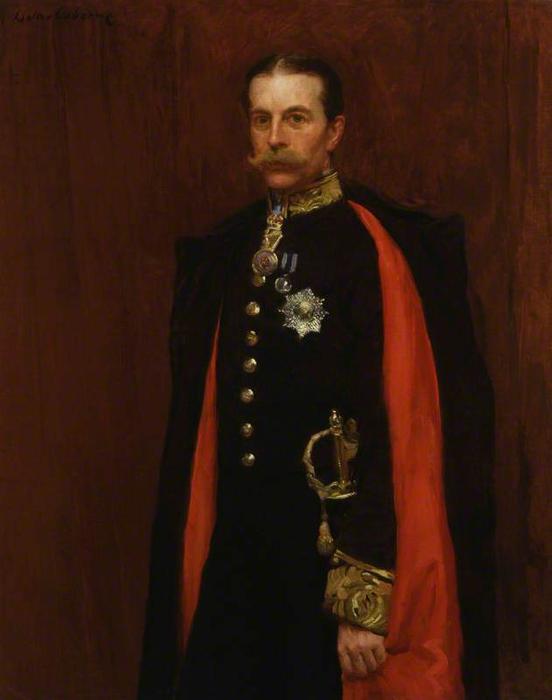
Robert Offley Ashburton Crewe-Milnes, 1st Marquess of Crewe


 詳細を見る
詳細を見る
オンラインプレビューをはるかに凌ぐ、高解像度で鮮明なデジタル画像をご購入いただけます。
各ファイルは、社内の専門家が高度なツールと熟練した手作業によるレタッチを用いて、細心の注意を払って準備されています。すべての画像において、卓越した鮮明度、正確な色彩再現性、そして繊細なディテールを保証いたします。
最終ファイルは、プロフェッショナルな編集・印刷環境ですぐにご利用いただけるよう最適化された状態で、72時間以内にメールにてお届けいたします。これは、一流のデザインスタジオ、出版社、ギャラリーから信頼されているものと同等の品質です。
デジタル画像のご注文に付随する特典
高品質なデジタル画像配信を、確かな品質で。
ArtsDot.com を選ぶことは、単に画像を手に入れることではありません。それは、プロの手によって精密に仕上げられ、満足保証が付いた高品質なデジタルアートワークを受け取ることを意味します。ご注文いただいた際に自動的に付随する内容は、以下の通りです:

メールですぐにお届け
ご注文から72時間以内に、高解像度のデジタル画像ファイルがメールでお手元に届きます。すぐにそのままご利用いただけます。

AI技術で最適化されたデジタルファイル
お客様の作品は、高度なAIツールと専門家による手作業の編集を組み合わせてプロフェッショナルに最適化されており、細部のディテール、鮮明さ、そして正確な色再現性を最大限に引き出しています。

一生涯無料の再送サービス
ファイルを誤って削除したり、紛失してしまったりしましたか?ご安心ください。いつでも無料で再送いたします。

輸入手数料は一切かかりません
関税や手数料、配送料を気にすることなく、お気に入りのアートワークをすぐにお楽しみいただけます。デジタルダウンロードは常に免税です。

色彩再現の保証
プロ仕様のツールとカラーマネジメント技術を用いることで、デジタル画像が元の色を最大限に忠実に再現することを保証いたします。

60日間満足保証
ご購入いただいたデジタル画像にご満足いただけない場合は、60日以内であれば、修正または100%の返金(理由を問う必要はありません)をさせていただきます。

100% 返金保証
ご満足いただけない場合は、デジタルファイルを受け取ってから60日以内であれば、理由を問わず全額返金いたします。

まとめ買い割引
3枚購入で10%OFF - 5枚購入で15%OFF - 10枚以上購入で20%OFF。クリエイティブなプロジェクト、ギャラリー、エージェンシーに最適です。
作品の詳細
A Portrait of Distinction: Capturing Aristocratic Presence
This striking portrait presents Robert Offley Ashburton Crewe-Milnes, the 1st Marquess of Crewe. The subject is rendered with an air of undeniable gravitas and historical importance. Dressed in formal attire—a black suit accented by rich red trim—he commands attention. The inclusion of a prominent gold medal around his neck immediately suggests a life marked by significant achievement, perhaps military valor or distinguished service to the crown. His mustache, meticulously portrayed, adds a touch of masculine formality characteristic of the late Victorian or Edwardian era aristocracy. The entire composition is framed against a bold, saturated red background, a choice that does more than simply fill space; it acts as a dramatic curtain, pushing the figure forward into sharp relief.
Mastery in Technique and Atmosphere
The painting speaks to the skilled hand of Walter Frederick Osborne. While the specific techniques employed—be they oils on canvas or another medium—lend themselves to rich texture, the overall effect is one of polished realism mixed with dramatic flair. The artist has paid close attention to the interplay of light and shadow across the fabric of his suit and the contours of his face. Notice how the deep blacks of the tailoring contrast so sharply with the gleam of the gold medal and the vibrant backdrop. This technical proficiency allows the viewer not only to see a man but to feel the weight of his station and the formality of the occasion captured by Osborne.
Historical Echoes and Symbolic Weight
To gaze upon this portrait is to step back into an era defined by rigid social structures and visible markers of status. The very act of commissioning such a piece was a statement—a desire to immortalize lineage, achievement, and enduring masculine dignity. The red background, in art history, is rarely accidental; it symbolizes passion, power, and ceremony. Coupled with the subject's formal bearing, the painting becomes more than just a likeness; it is an artifact of social memory, whispering tales of balls, state dinners, and consequential decisions made within the gilded cages of high society.
Bringing Nobility Home: Decorating with History
For the discerning collector or interior designer, this reproduction offers an unparalleled opportunity to infuse a space with palpable history and undeniable elegance. Imagine this piece anchoring a grand hall, lending immediate depth and narrative weight to the room's character. The dramatic contrast inherent in the painting—the dark suit against the fiery red—makes it incredibly versatile; it will complement both richly paneled libraries and modern spaces seeking an infusion of classical drama. Owning this work is not merely decorating; it is curating a legacy, allowing the distinguished presence of the Marquess to preside over your own contemporary setting.
関連作品
作家の略歴
Early Life and Artistic Foundations
Walter Frederick Osborne, born in Rathmines, Ireland, in 1859, emerged from a family deeply rooted in the artistic world. His father, William Osborne, was a successful animal painter, providing young Walter with an early immersion into the sights, smells, and techniques of a working artist’s life. This foundational exposure proved pivotal, nurturing a talent that would blossom into a significant contribution to Irish art. Osborne's formal training began at Rathmines School before progressing to the prestigious Royal Hibernian Academy (RHA) Schools in Dublin. His dedication and skill were quickly recognized; he garnered numerous prizes, culminating in the esteemed Taylor scholarship (£50) – a testament to his exceptional promise even in those early years. This financial support enabled him to broaden his horizons and seek further education abroad, setting the stage for a period of crucial artistic development.European Influences and Artistic Development
Osborne’s journey took him to Antwerp in 1881, where he studied at the Académie Royale des Beaux-Arts under Charles Verlat. This experience immersed him in realist traditions, honing his technical skills and emphasizing meticulous observation. However, it was a subsequent sojourn to Brittany between 1883 and 1884 that proved transformative. Working in locations like Dinan, Pont-Aven, and Quimperlé, Osborne encountered the *plein air* style championed by Jules Bastien-Lepage. This marked a turning point, encouraging him to capture nature directly, responding to light and atmosphere with an immediacy previously absent from his work. The influence of Flemish master Rubens also lingered in his artistic consciousness, evident in his later compositions. These diverse influences – the realism of Verlat, the naturalism of Bastien-Lepage, and the compositional strength of Rubens – coalesced into a unique artistic voice that would define Osborne’s career. His time in England followed, working alongside artists like Nathaniel Hill and Augustus Burke, further refining his skills in landscape and genre scenes depicting rural life.A Return to Dublin and Portraiture Success
Family circumstances prompted Osborne's return to Dublin in 1892, where he established a thriving portrait practice. While landscapes and genre scenes remained central to his artistic interests, the demand for portraits provided financial stability and recognition. He had already become a full member of the RHA in 1886, solidifying his position within the Irish art establishment. Osborne’s style continued to evolve during this period, gradually moving away from strict realism towards Impressionism. This shift manifested in looser brushwork, a more adventurous palette, and an increased emphasis on capturing fleeting moments of light and atmosphere. His portraiture gained considerable acclaim, culminating in the bronze medal awarded for “Mrs Noel Guinness and her Daughter Margaret” at the Exposition Universelle in 1900 – a significant international honor.Themes, Legacy, and Lasting Impact
Walter Osborne’s artistic legacy rests on his sensitive and insightful depictions of everyday life, particularly his documentary portrayals of Dublin's working class. He possessed an exceptional ability to capture the dignity and resilience of ordinary people, offering a poignant glimpse into their world. Beyond these compelling social commentaries, he painted numerous evocative landscapes and genre scenes depicting rural Ireland and England. His notable works, including “Feeding the Chickens,” “Mother and Child,” “The Return Of The Flock”, "Small Girl With A Cat", and “Cherry Ripe,” showcase his mastery of light, color, and composition. Tragically, Osborne’s life was cut short by pneumonia in 1903 at the age of just 43, leaving many to speculate about the artistic heights he might have reached. Despite his premature death, he is now rightfully regarded as a major figure in Irish art history. His work provides invaluable insights into the social conditions and daily lives of late 19th-century Ireland, and his blend of realism and Impressionism continues to inspire subsequent generations of artists. He wasn’t part of any formal movement but his influence on later Irish painters is undeniable, a testament to the enduring power of his vision and skill.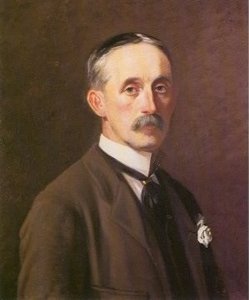
Walter Frederick Osborne
1859 - 1903 , Ireland
プロフィール概要
- Artistic Movement Or Style: Impressionism, Realism
- Artists Or Movements Influenced By This Artist: Later Irish artists
- Artists Who Influenced This Artist:
- Charles Verlat
- Jules Bastien-Lepage
- Rubens
- Date Of Birth: 1859
- Date Of Death: 1903
- Full Name: Walter Frederick Osborne
- Nationality: Irish
- Notable Artworks:
- Feeding the Chickens
- Mother and Child
- Small Girl With A Cat
- Cherry Ripe
- Place Of Birth (City And Country): Rathmines, Ireland

