

 プレビュー
プレビュー
 シェアする
シェアする シェアする
シェアする
 詳細を見る
詳細を見る

 ダウンロード
 似ている作品
 X線調査
X線調査 スライドショー
 Stats
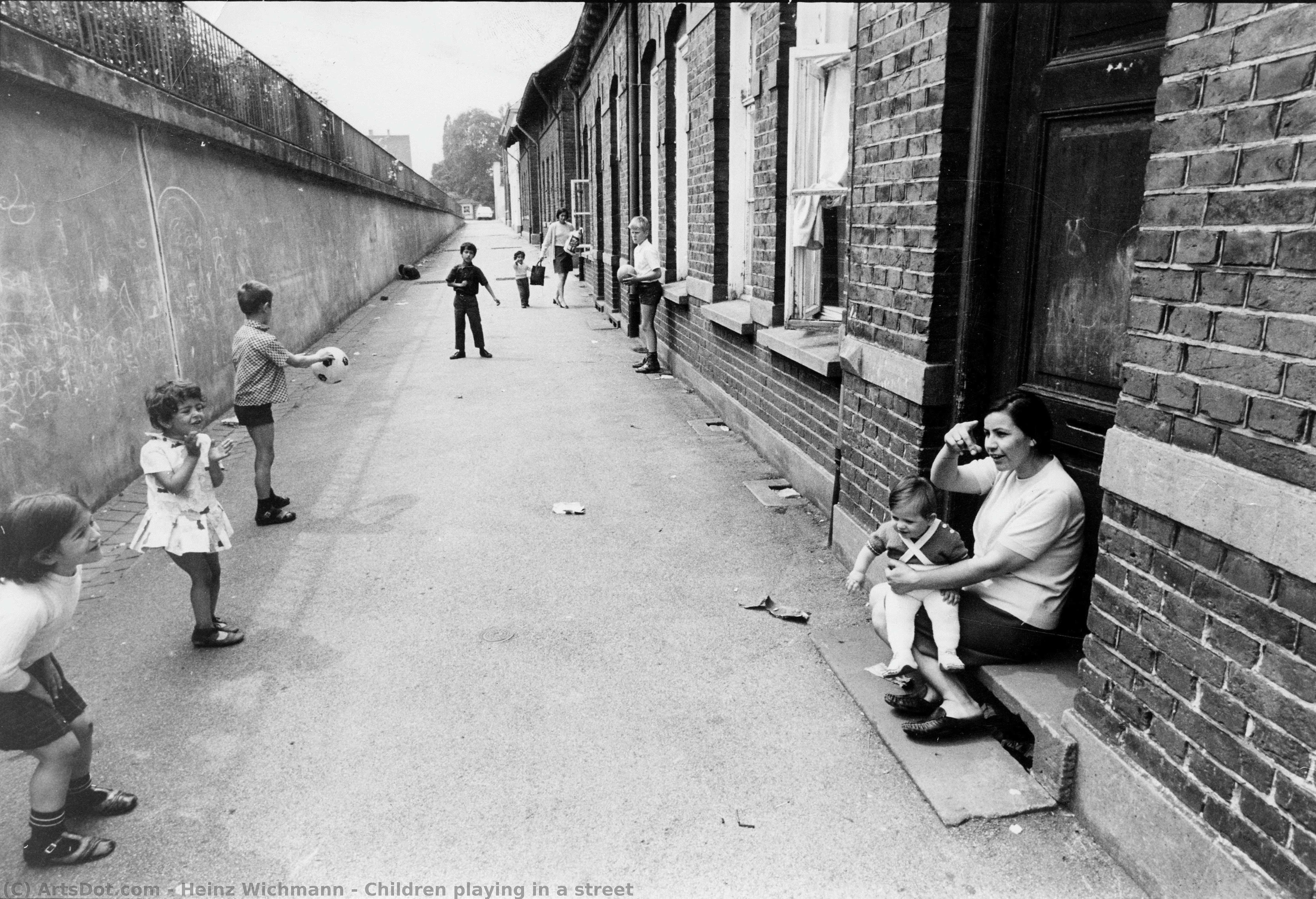
StatsChildren playing in a street


 詳細を見る
詳細を見る
手描き油彩複製画
当社のアーティストが、お客様のご希望のサイズと額縁に合わせて、キャンバスに手描きで制作する油彩画です。 ( Switch to Print Switch to Digital Image)




































作品のオリジナル比率に合わせた、当店の規定サイズからお選びください。

特定のフレームやスペースに合わせて、ご希望のサイズをご入力いただけます。選択されたサイズが元の画像の比率と異なる場合、アートワークをトリミングするか、手描きで要素を追加して絵画を拡張いたします。デジタルモックアップ を制作し、制作開始前にご確認(承認)をいただきます。
画面上のプレビューは、実際のトリミングや拡張を正確に反映しているものではありません。最終的な構図は、モックアップによってのみ正確にご確認いただけます。
カスタムサイズもご利用いただけますが、元の比率を維持するためには、あらかじめ用意されたリストからサイズを選択することをお勧めいたします。
ご注文後、ArtsDot.com チームより詳細な指示をお送りするとともに、仕上がりイメージ(モックアップ)をご提供いたします。


 ガラスオプションは、110cm未満のサイズでのみご利用いただけます。

Children playing in a street
複製技法
複製画のサイズ
-


合計金額
$ 263
関連作品





アーティストの略歴
Early Life and Juridical Pursuits
Heinz Wichmann’s life began in the vibrant port city of Hamburg-Blankenese, Germany, on January 19, 1908. His early years were steeped in the intellectual atmosphere of a burgeoning industrial center, yet his path initially diverged from artistic expression. He dedicated himself to the study of law and political science, attending universities in Hamburg, Kiel, and Halle an der Saale with diligence. This rigorous academic training culminated in passing both state examinations, setting him on a career trajectory within the German civil service. For years, Wichmann served as a judge and public prosecutor, later transitioning into roles within the Reichswirtschaftsministerium – the Ministry of Economic Affairs – in Hamburg and Kiel. His involvement with the NSDAP in 1933 casts a complex shadow over this period, a historical context that demands acknowledgement when considering his life’s narrative.
A Shift Towards Artistic Expression
While Wichmann's early career was firmly rooted in legal administration, a latent artistic sensibility began to emerge. The precise moment of this shift remains somewhat obscured by the limited documentation available, but it is clear that he increasingly turned towards painting as a means of expression. This wasn’t a sudden abandonment of his previous life, but rather a gradual unfolding of a passion that had likely simmered beneath the surface for some time. He began to capture scenes of everyday life, focusing on the quiet moments and unassuming beauty often overlooked in the broader societal landscape. His subjects were not grand historical events or mythological figures, but children at play, bustling street scenes, and intimate domestic settings.
Themes and Style: Capturing the Essence of Everyday Life
Wichmann’s artistic output is characterized by a remarkable realism, imbued with a gentle empathy for his subjects. He possessed an exceptional ability to portray light and shadow, creating a sense of depth and atmosphere in his paintings. His palette tended towards muted tones, reflecting the often-subdued colors of Northern German life. Children playing became a recurring motif, perhaps symbolizing innocence and resilience amidst the complexities of the 20th century. He wasn’t interested in idealizing these scenes; instead, he presented them with an honest and unvarnished quality, capturing the fleeting moments of joy, camaraderie, and simple human connection. His work resonates with a quiet dignity, offering a glimpse into the lives of ordinary people.
Wartime Experiences and Post-War Life
The outbreak of World War II brought significant disruption to Wichmann’s life. He served as a lieutenant and deputy battery commander from 1940 to 1942, stationed in Schleswig-Holstein under the Oberpräsident Hinrich Lohse. Wounded during the war, he returned to civilian life in 1947, finding employment with the Ministry of Economics and Transport in Schleswig-Holstein as a personal referent to the minister and head of department. This post-war period saw him continue his artistic pursuits alongside his administrative duties. He died in 1988, leaving behind a body of work that offers a poignant reflection on life in Germany during a turbulent era.
Legacy and Historical Significance
While not widely celebrated during his lifetime, Heinz Wichmann’s art has gained increasing recognition in recent years. His paintings provide valuable insights into the social fabric of mid-20th century Germany, offering a counterpoint to more overtly political or dramatic representations of the period. His unique style, characterized by its realism and empathy, sets him apart from many of his contemporaries. He wasn’t driven by grand artistic manifestos or avant-garde experimentation; instead, he focused on capturing the essence of everyday life with quiet dignity and unwavering honesty. His work serves as a reminder that beauty can be found in the most unassuming places, and that even amidst hardship, moments of joy and connection endure.
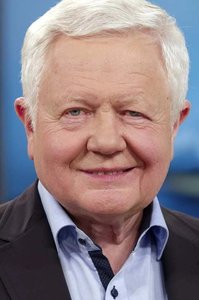
heinz wichmann
1908 - 1988 , Germany
基本情報
- Artistic Movement Or Style: Realistic paintings
- Date Of Birth: January 19, 1908
- Date Of Death: 1988
- Full Name: Heinz Wichmann
- Nationality: German
- Notable Artworks: ['Children playing in a street']
- Place Of Birth: Hamburg, Germany