

 プレビュー
プレビュー
 シェアする
シェアする シェアする
シェアする
 詳細を見る
詳細を見る

 ダウンロード
 似ている作品
 X線調査
X線調査 スライドショー
 Stats
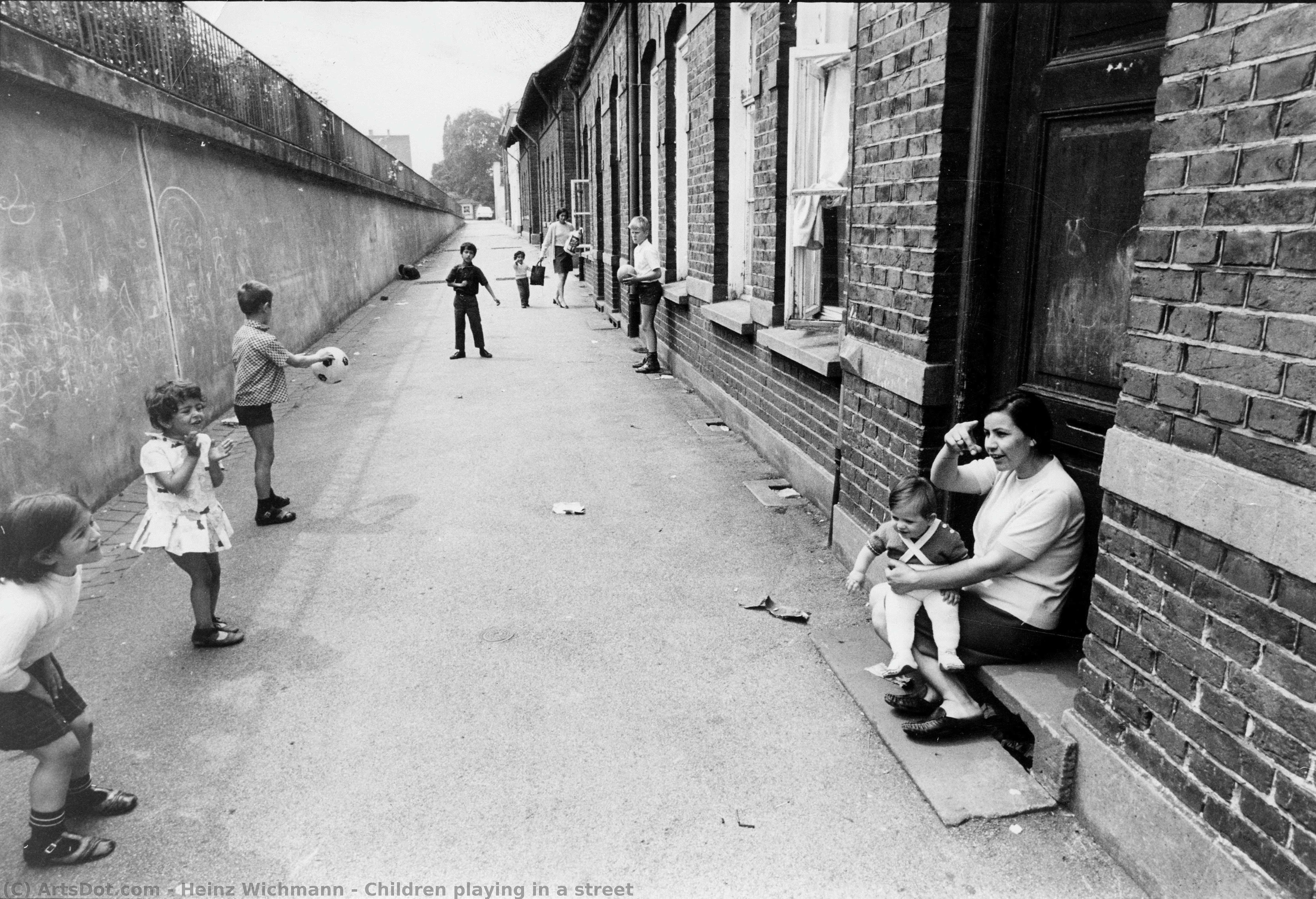
StatsChildren playing in a street


 詳細を見る
詳細を見る
オンラインプレビューをはるかに凌ぐ、高解像度で鮮明なデジタル画像をご購入いただけます。
各ファイルは、社内の専門家が高度なツールと熟練した手作業によるレタッチを用いて、細心の注意を払って準備されています。すべての画像において、卓越した鮮明度、正確な色彩再現性、そして繊細なディテールを保証いたします。
最終ファイルは、プロフェッショナルな編集・印刷環境ですぐにご利用いただけるよう最適化された状態で、72時間以内にメールにてお届けいたします。これは、一流のデザインスタジオ、出版社、ギャラリーから信頼されているものと同等の品質です。
デジタルアート
個人での鑑賞、印刷、クリエイティブなプロジェクト用に、高解像度ファイルをダウンロードできます。 ( Switch to Print 手描きの絵画を購入)
デジタル画像のご注文に付随する特典
高品質なデジタル画像配信を、確かな品質で。
ArtsDot.com を選ぶことは、単に画像を手に入れることではありません。それは、プロの手によって精密に仕上げられ、満足保証が付いた高品質なデジタルアートワークを受け取ることを意味します。ご注文いただいた際に自動的に付随する内容は、以下の通りです:

メールですぐにお届け
ご注文から72時間以内に、高解像度のデジタル画像ファイルがメールでお手元に届きます。すぐにそのままご利用いただけます。

AI技術で最適化されたデジタルファイル
お客様の作品は、高度なAIツールと専門家による手作業の編集を組み合わせてプロフェッショナルに最適化されており、細部のディテール、鮮明さ、そして正確な色再現性を最大限に引き出しています。

一生涯無料の再送サービス
ファイルを誤って削除したり、紛失してしまったりしましたか?ご安心ください。いつでも無料で再送いたします。

輸入手数料は一切かかりません
関税や手数料、配送料を気にすることなく、お気に入りのアートワークをすぐにお楽しみいただけます。デジタルダウンロードは常に免税です。

色彩再現の保証
プロ仕様のツールとカラーマネジメント技術を用いることで、デジタル画像が元の色を最大限に忠実に再現することを保証いたします。

100日間満足保証
ご購入いただいたデジタル画像にご満足いただけない場合は、100日以内であれば、理由を問わず修正または100%の返金対応をさせていただきます。

100% 返金保証
ご満足いただけない場合は、デジタルファイルを受け取ってから100日以内であれば、理由を問わず全額返金いたします。

まとめ買い割引
3枚購入で10%OFF - 5枚購入で15%OFF - 10枚以上購入で20%OFF。クリエイティブなプロジェクト、ギャラリー、エージェンシーに最適です。
関連作品





作家の略歴
Early Life and Juridical Pursuits
Heinz Wichmann’s life began in the vibrant port city of Hamburg-Blankenese, Germany, on January 19, 1908. His early years were steeped in the intellectual atmosphere of a burgeoning industrial center, yet his path initially diverged from artistic expression. He dedicated himself to the study of law and political science, attending universities in Hamburg, Kiel, and Halle an der Saale with diligence. This rigorous academic training culminated in passing both state examinations, setting him on a career trajectory within the German civil service. For years, Wichmann served as a judge and public prosecutor, later transitioning into roles within the Reichswirtschaftsministerium – the Ministry of Economic Affairs – in Hamburg and Kiel. His involvement with the NSDAP in 1933 casts a complex shadow over this period, a historical context that demands acknowledgement when considering his life’s narrative.
A Shift Towards Artistic Expression
While Wichmann's early career was firmly rooted in legal administration, a latent artistic sensibility began to emerge. The precise moment of this shift remains somewhat obscured by the limited documentation available, but it is clear that he increasingly turned towards painting as a means of expression. This wasn’t a sudden abandonment of his previous life, but rather a gradual unfolding of a passion that had likely simmered beneath the surface for some time. He began to capture scenes of everyday life, focusing on the quiet moments and unassuming beauty often overlooked in the broader societal landscape. His subjects were not grand historical events or mythological figures, but children at play, bustling street scenes, and intimate domestic settings.
Themes and Style: Capturing the Essence of Everyday Life
Wichmann’s artistic output is characterized by a remarkable realism, imbued with a gentle empathy for his subjects. He possessed an exceptional ability to portray light and shadow, creating a sense of depth and atmosphere in his paintings. His palette tended towards muted tones, reflecting the often-subdued colors of Northern German life. Children playing became a recurring motif, perhaps symbolizing innocence and resilience amidst the complexities of the 20th century. He wasn’t interested in idealizing these scenes; instead, he presented them with an honest and unvarnished quality, capturing the fleeting moments of joy, camaraderie, and simple human connection. His work resonates with a quiet dignity, offering a glimpse into the lives of ordinary people.
Wartime Experiences and Post-War Life
The outbreak of World War II brought significant disruption to Wichmann’s life. He served as a lieutenant and deputy battery commander from 1940 to 1942, stationed in Schleswig-Holstein under the Oberpräsident Hinrich Lohse. Wounded during the war, he returned to civilian life in 1947, finding employment with the Ministry of Economics and Transport in Schleswig-Holstein as a personal referent to the minister and head of department. This post-war period saw him continue his artistic pursuits alongside his administrative duties. He died in 1988, leaving behind a body of work that offers a poignant reflection on life in Germany during a turbulent era.
Legacy and Historical Significance
While not widely celebrated during his lifetime, Heinz Wichmann’s art has gained increasing recognition in recent years. His paintings provide valuable insights into the social fabric of mid-20th century Germany, offering a counterpoint to more overtly political or dramatic representations of the period. His unique style, characterized by its realism and empathy, sets him apart from many of his contemporaries. He wasn’t driven by grand artistic manifestos or avant-garde experimentation; instead, he focused on capturing the essence of everyday life with quiet dignity and unwavering honesty. His work serves as a reminder that beauty can be found in the most unassuming places, and that even amidst hardship, moments of joy and connection endure.
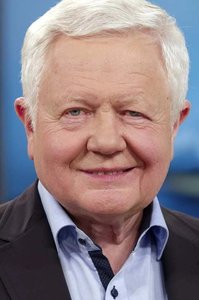
heinz wichmann
1908 - 1988 , Germany
プロフィール概要
- Artistic Movement Or Style: Realistic paintings
- Date Of Birth: January 19, 1908
- Date Of Death: 1988
- Full Name: Heinz Wichmann
- Nationality: German
- Notable Artworks: ['Children playing in a street']
- Place Of Birth: Hamburg, Germany