

 プレビュー
プレビュー
 シェアする
シェアする シェアする
シェアする
 詳細を見る
詳細を見る

 ダウンロード
 似ている作品
 X線調査
X線調査 スライドショー
 Stats
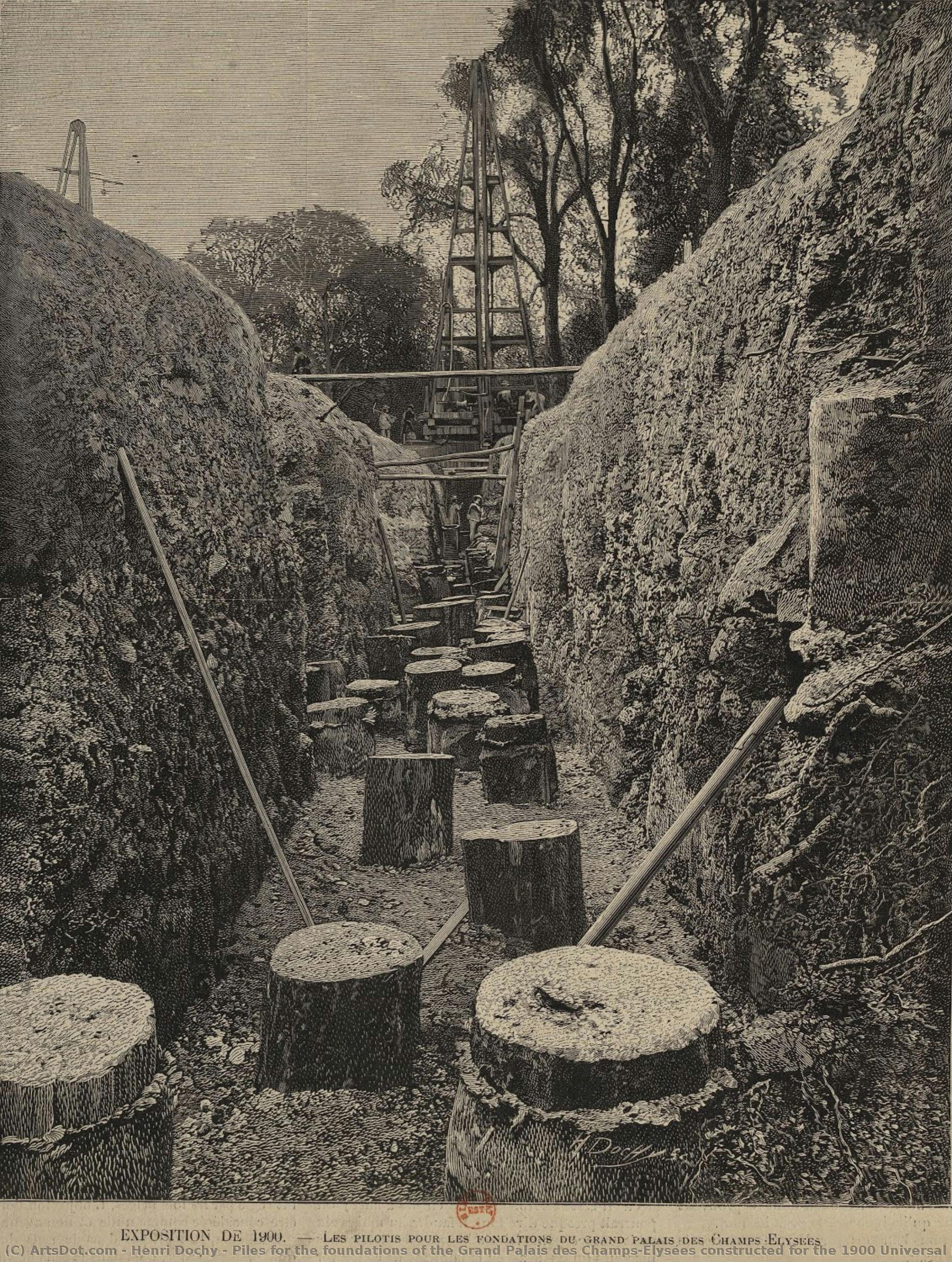
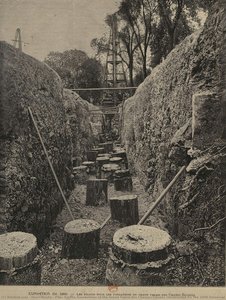
StatsPiles for the foundations of the Grand Palais des Champs-Élysées constructed for the 1900 Universal Exhibition.

 詳細を見る
詳細を見る
手描き油彩複製画
当社のアーティストが、お客様のご希望のサイズと額縁に合わせて、キャンバスに手描きで制作する油彩画です。 ( Switch to Print Switch to Digital Image)




































作品のオリジナル比率に合わせた、当店の規定サイズからお選びください。

特定のフレームやスペースに合わせて、ご希望のサイズをご入力いただけます。選択されたサイズが元の画像の比率と異なる場合、アートワークをトリミングするか、手描きで要素を追加して絵画を拡張いたします。デジタルモックアップ を制作し、制作開始前にご確認(承認)をいただきます。
画面上のプレビューは、実際のトリミングや拡張を正確に反映しているものではありません。最終的な構図は、モックアップによってのみ正確にご確認いただけます。
カスタムサイズもご利用いただけますが、元の比率を維持するためには、あらかじめ用意されたリストからサイズを選択することをお勧めいたします。
ご注文後、ArtsDot.com チームより詳細な指示をお送りするとともに、仕上がりイメージ(モックアップ)をご提供いたします。


 ガラスオプションは、110cm未満のサイズでのみご利用いただけます。

Piles for the foundations of the Grand Palais des Champs-Élysées constructed for the 1900 Universal Exhibition.
複製技法
複製画のサイズ
-


合計金額
$ 263
関連作品







アーティストの略歴
Henri Dochy: A Master of Parisian Architectural Detail
The 19th century witnessed a flourishing of printmaking, and within this vibrant scene emerged Henri Dochy (1851-1915), a French engraver whose meticulous craftsmanship and keen eye for detail secured his place as a significant figure in the history of architectural illustration. While often overshadowed by more celebrated artists of the era, Dochy’s work, particularly his intricate depictions of construction sites and grand public works, offers a unique window into a pivotal period of urban development in Paris – specifically, the ambitious preparations for the 1900 Universal Exposition.
Born in France, little is definitively known about Dochy's early life. He began his career as an engraver, honing his skills through apprenticeship and independent practice. His style quickly developed a distinctive precision, characterized by incredibly fine lines, subtle tonal variations, and a remarkable ability to capture the textures of stone, brick, and timber. Unlike many of his contemporaries who favored looser, more impressionistic approaches, Dochy’s engravings possessed an almost photographic quality, demanding close scrutiny to fully appreciate their complexity.
The Grand Palais and the Universal Exposition
Dochy's most enduring legacy stems from his extensive work documenting the construction of the Grand Palais des Champs-Élysées, a monumental structure commissioned for the 1900 Universal Exposition. This ambitious undertaking was not merely a building project; it represented a bold statement of Parisian ambition and technological prowess. Dochy was entrusted with creating a series of detailed engravings that would chronicle every stage of the construction process – from the initial foundations to the final embellishments.
His most famous work, “Piles for the Foundations of the Grand Palais des Champs-Élysées constructed for the 1900 Universal Exhibition,” is a testament to his dedication. The engraving captures a chaotic yet fascinating scene: workers meticulously laying massive piles into the Parisian soil, preparing the ground for the colossal edifice. Dochy’s rendering is astonishingly accurate, conveying not just the physical dimensions of the project but also the energy and labor involved. He skillfully depicted the interplay of light and shadow, highlighting the textures of the earth, timber supports, and the figures of the construction workers themselves.
Beyond this single iconic image, Dochy produced a substantial body of work documenting other aspects of the Exposition preparations – bridges, pavilions, and various architectural elements. These engravings provide invaluable historical insights into the logistical challenges and engineering innovations of the time. They are not simply technical drawings; they are evocative representations of a city transformed by grand projects.
Influences and Artistic Style
Dochy’s style was influenced by several key artistic currents. The meticulous detail evident in his engravings echoes the precision of German graphic art, particularly the work of Albrecht Dürer. However, Dochy possessed a distinctly French sensibility, evident in his focus on urban landscapes and architectural subjects. He also drew inspiration from the emerging field of topographical illustration, which sought to accurately document real-world environments.
His technique involved painstaking hand engraving, utilizing sharp tools to create incredibly fine lines. He employed a limited palette of tones – primarily black and white – to achieve remarkable depth and contrast. Dochy’s ability to render textures with such precision was unparalleled, allowing him to capture the subtle nuances of stone, brick, and timber with astonishing realism.
Legacy and Historical Significance
Despite his considerable talent, Henri Dochy remained a relatively obscure figure during his lifetime. However, in recent decades, his work has been increasingly recognized for its historical significance and artistic merit. His engravings offer a unique glimpse into the construction of Paris’s most iconic landmark – the Grand Palais – and provide valuable insights into the urban development of the late 19th century.
Dochy's meticulous documentation of the Universal Exposition preparations is particularly noteworthy. These images not only serve as historical records but also as powerful representations of a city in transition, grappling with ambitious projects and embracing technological innovation. His legacy endures through his detailed engravings, which continue to fascinate art historians, architectural enthusiasts, and anyone interested in the history of Paris.
henri dochy
France
基本情報
- Artistic Movement Or Style: Engraving
- Artists Or Movements Influenced By This Artist: ['']
- Artists Who Influenced This Artist: ['Unknown artist']
- Date Of Death: 1915
- Full Name: Henri Dochy
- Nationality: French
- Notable Artworks:
- Piles for the foundations...
- Grand Palais foundation
- Place Of Birth: France