

 プレビュー
プレビュー
 プリントを購入
 シェアする
シェアする シェアする
シェアする
 詳細を見る
詳細を見る

 ダウンロード
 似ている作品
 X線調査
X線調査 スライドショー
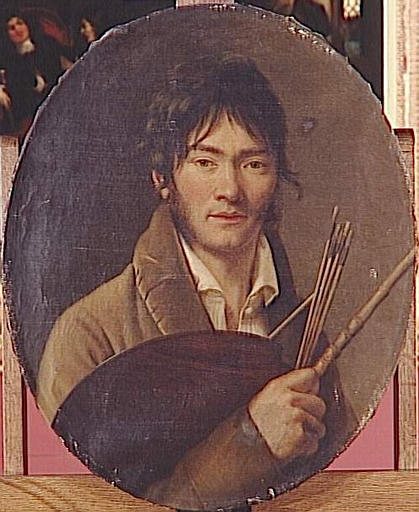
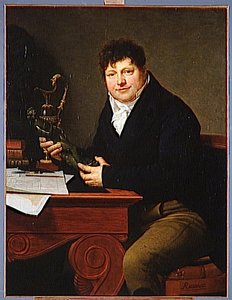
PORTRAIT DE L'ARTISTE (1767 1828)


 詳細を見る
詳細を見る
オンラインプレビューをはるかに凌ぐ、高解像度で鮮明なデジタル画像をご購入いただけます。
各ファイルは、社内の専門家が高度なツールと熟練した手作業によるレタッチを用いて、細心の注意を払って準備されています。すべての画像において、卓越した鮮明度、正確な色彩再現性、そして繊細なディテールを保証いたします。
最終ファイルは、プロフェッショナルな編集・印刷環境ですぐにご利用いただけるよう最適化された状態で、72時間以内にメールにてお届けいたします。これは、一流のデザインスタジオ、出版社、ギャラリーから信頼されているものと同等の品質です。
デジタル画像のご注文に付随する特典
高品質なデジタル画像配信を、確かな品質で。
ArtsDot.com を選ぶことは、単に画像を手に入れることではありません。それは、プロの手によって精密に仕上げられ、満足保証が付いた高品質なデジタルアートワークを受け取ることを意味します。ご注文いただいた際に自動的に付随する内容は、以下の通りです:

メールですぐにお届け
ご注文から72時間以内に、高解像度のデジタル画像ファイルがメールでお手元に届きます。すぐにそのままご利用いただけます。

AI技術で最適化されたデジタルファイル
お客様の作品は、高度なAIツールと専門家による手作業の編集を組み合わせてプロフェッショナルに最適化されており、細部のディテール、鮮明さ、そして正確な色再現性を最大限に引き出しています。

一生涯無料の再送サービス
ファイルを誤って削除したり、紛失してしまったりしましたか?ご安心ください。いつでも無料で再送いたします。

輸入手数料は一切かかりません
関税や手数料、配送料を気にすることなく、お気に入りのアートワークをすぐにお楽しみいただけます。デジタルダウンロードは常に免税です。

色彩再現の保証
プロ仕様のツールとカラーマネジメント技術を用いることで、デジタル画像が元の色を最大限に忠実に再現することを保証いたします。

60日間満足保証
ご購入いただいたデジタル画像にご満足いただけない場合は、60日以内であれば、修正または100%の返金(理由を問う必要はありません)をさせていただきます。

100% 返金保証
ご満足いただけない場合は、デジタルファイルを受け取ってから60日以内であれば、理由を問わず全額返金いたします。

まとめ買い割引
3枚購入で10%OFF - 5枚購入で15%OFF - 10枚以上購入で20%OFF。クリエイティブなプロジェクト、ギャラリー、エージェンシーに最適です。
A Glimpse into the Parisian Atelier: The Portrait of Henri François Riesener
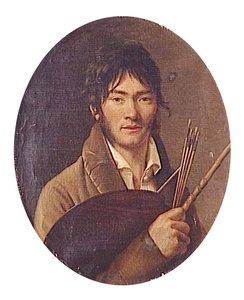
To stand before this portrait is to step directly into the refined, yet turbulent, heart of late eighteenth and early nineteenth-century Paris. It captures not merely a likeness, but an entire epoch—the moment when Enlightenment ideals brushed against the burgeoning drama of Romanticism. We encounter Henri François Riesener, the artist himself, presented in a composition that feels both intimately personal and historically monumental. The soft diffusion of light seems to emanate from an unseen window within his studio, bathing his features in a gentle glow that speaks volumes about quiet contemplation amidst the clamor of artistic ambition.
Mastery of Tone and Form: Technique and Palette
The technical execution is nothing short of masterful. The artist employed a technique characterized by exquisite blending, allowing the skin tones to possess a lifelike softness while retaining the visible suggestion of brushwork that speaks to the hand of a skilled painter. Observe the palette held in his left hand and the bundled brushes in his right; these are not mere props, but extensions of his very being. The color palette itself—a symphony of earthy browns, muted beiges, and creamy whites—lends the piece an air of venerable age, as if time itself has softened the varnish over decades of admiration. This restrained use of color directs all focus back to the subject’s thoughtful gaze.
The Symbolism of Self-Representation
This self-portrait transcends simple documentation; it is a statement of vocation. By including his tools, Riesener anchors himself within the narrative of creation. The palette and brushes are potent symbols, signifying not just skill, but the very act of vision itself—the ability to translate an internal world onto a flat surface. There is a palpable sense of quiet dignity here, a melancholy undertone perhaps, acknowledging the fleeting nature of artistic fame against the backdrop of historical upheaval that defined his life.
A Touch of Neoclassical Grace
Stylistically, the work resides beautifully at the confluence of Neoclassicism and early Romanticism. While the structure maintains the balanced formality associated with classical portraiture—the direct gaze, the bust format—the emotional resonance hints at the burgeoning passion of the Romantic movement. It is a depiction that values meticulous detail while allowing for an underlying current of feeling to surface. For those who appreciate art history, this piece offers a tangible connection to the intellectual ferment of Parisian society during Napoleon’s era.
Bringing the Atelier Home
For the collector or designer seeking an object imbued with narrative depth, this reproduction offers unparalleled sophistication. Its muted grandeur allows it to integrate seamlessly into richly decorated interiors, providing a focal point that whispers tales of genius and dedication. Owning this piece is not just acquiring art; it is curating a moment of timeless artistic contemplation for your own space.
関連作品
作家の略歴
A Legacy of Elegance: The Life and Art of Henri François Riesener
In the grand, sweeping tapestry of French art history, few names evoke the refined grace of the Napoleonic era quite like Henri François Riesener. Born in Paris in 1767, Riesener was a man shaped by both the meticulous precision of craftsmanship and the turbulent winds of revolution. He descended from a prestigious lineage of German cabinetmakers, most notably his father, Jean-Henri Riesener, whose legendary skill in creating exquisite furniture for the French court instilled in the younger Riesener an innate appreciation for fine detail and aesthetic harmony. This heritage provided a foundation of discipline that would later define his approach to the delicate medium of miniature painting and the commanding presence of his larger portraits.
Riesener’s artistic journey was far from a quiet studio existence; it was a life lived amidst the very heart of historical transformation. His formal education brought him under the guidance of masters such as François-André Vincent and the titan of Neoclassicism, Jacques-Louis David. From these mentors, he absorbed the rigorous anatomical accuracy and the dignified, structured compositions that characterized the era. Yet, his horizons were expanded far beyond the borders of Paris. Driven by a spirit of adventure, Riesener joined Napoleon’s army during the Italian campaigns and later traveled to Egypt. These expeditions exposed him to the exoticism of distant cultures and the stark beauty of ancient landscapes, infusing his later work with a subtle psychological depth and a worldly perspective that set him apart from his contemporaries.
Mastery of the Portrait and the Miniature
Upon his return to a post-war Paris, Riesener established himself as a premier portraitist, a role that allowed him to navigate the highest echel's of society. His ability to capture not just the physical likeness, but the very essence of his subjects, made him a favorite among the elite. His canvases served as windows into the Napoleonic age, documenting the faces of power and culture. Whether he was rendering the authoritative presence of Maurice Quay or the intellectual dignity of figures like Charles Maurice de Talleyrand-Périgord, Riesener utilized a Neoclassical technique that emphasized clarity, light, and a sense of timelessness.
Beyond the grand scale of oil portraiture, Riesener found profound success as a miniaturist. This medium required an extraordinary level of patience and a delicate touch, qualities he possessed in abundance. His miniatures were prized for their intimacy, offering a portable piece of art that could be held close to the heart. His repertoire was remarkably diverse, ranging from:
- The commanding portraits of military and political figures such as Eugène de Beauharnais.
- Captivating depictions of celebrated opera singers, which brought a sense of movement and lyricism to his work.
- Intimate studies of the Parisian socialites, including Madame Sallandrouze.
- Tributes to fellow artists, such as his poignant portrait of the sculptor Antoine André Ravrio, now preserved in the Louvre Museum.
Historical Significance and Enduring Impression
The significance of Henri François Riesener lies in his role as a visual chronicler of a pivotal era. As France transitioned from the twilight of the Enlightenment through the fervor of the Revolution and into the grandeur of the First Empire, Riesener’s brush captured the shifting moods of a nation. His work embodies the tension between the structured elegance of Neoclassicism and the burgeoning emotional intensity of Romanticism. Through his portraits, we gain an intimate understanding of the faces that shaped modern Europe, seeing them not merely as historical icons, but as living, breathing individuals caught in the currents of change.
Today, Riesener’s legacy continues to resonate through the prestigious collections of the Louvre and other world-class institutions. His ability to blend the technical precision inherited from his father's craft with the grand stylistic innovations of his teachers ensures that his work remains a vital subject of study for art historians. To look upon a Riesener portrait is to witness the intersection of personal artistry and historical destiny, a testament to a life spent capturing the fleeting beauty and enduring dignity of the human spirit.
henri françois riesener
1767 - 1828 , France
プロフィール概要
- Artistic Movement Or Style: Neoclassical Portraiture
- Artists Or Movements Influenced By This Artist: ['Classical Portraiture']
- Artists Who Influenced This Artist:
- François-André Vincent
- Jacques-Louis David
- Date Of Birth: Paris, France (1767)
- Date Of Death: 1828
- Full Name: Henri François Riesener
- Nationality: French
- Notable Artworks:
- Portrait de François Adrien Boieldieu
- Portrait of Sofia Apraxina
- Portrait en pied de l’Impératrice Joséphine
- Place Of Birth: Paris

