

 プレビュー
プレビュー
 プリントを購入
 シェアする
シェアする シェアする
シェアする
 詳細を見る
詳細を見る

 ダウンロード
 似ている作品
 X線調査
X線調査 スライドショー
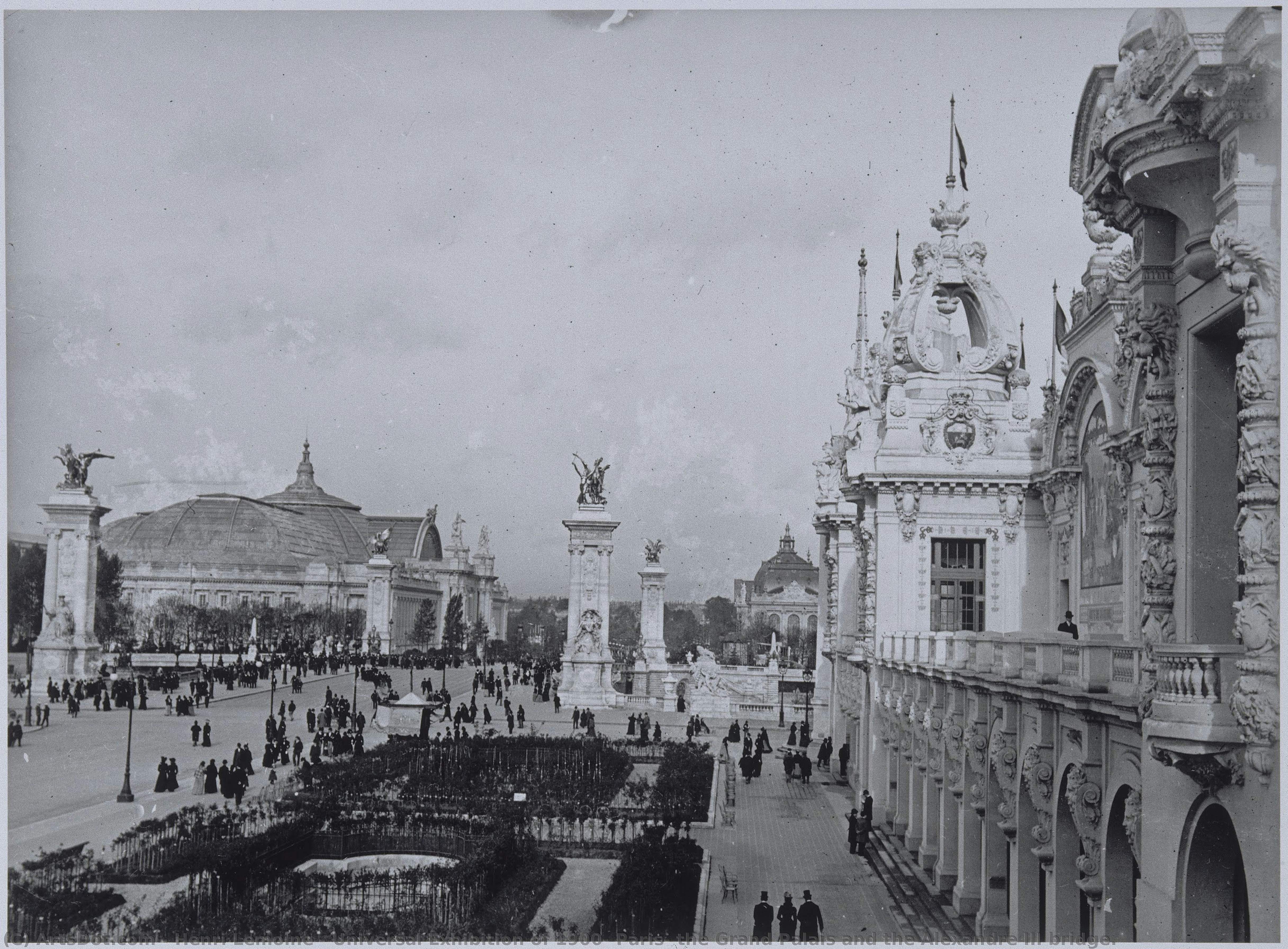
Universal Exhibition of 1900, Paris: the Grand Palais and the Alexandre III bridge.


 詳細を見る
詳細を見る
オンラインプレビューをはるかに凌ぐ、高解像度で鮮明なデジタル画像をご購入いただけます。
各ファイルは、社内の専門家が高度なツールと熟練した手作業によるレタッチを用いて、細心の注意を払って準備されています。すべての画像において、卓越した鮮明度、正確な色彩再現性、そして繊細なディテールを保証いたします。
最終ファイルは、プロフェッショナルな編集・印刷環境ですぐにご利用いただけるよう最適化された状態で、72時間以内にメールにてお届けいたします。これは、一流のデザインスタジオ、出版社、ギャラリーから信頼されているものと同等の品質です。
デジタル画像のご注文に付随する特典
高品質なデジタル画像配信を、確かな品質で。
ArtsDot.com を選ぶことは、単に画像を手に入れることではありません。それは、プロの手によって精密に仕上げられ、満足保証が付いた高品質なデジタルアートワークを受け取ることを意味します。ご注文いただいた際に自動的に付随する内容は、以下の通りです:

メールですぐにお届け
ご注文から72時間以内に、高解像度のデジタル画像ファイルがメールでお手元に届きます。すぐにそのままご利用いただけます。

AI技術で最適化されたデジタルファイル
お客様の作品は、高度なAIツールと専門家による手作業の編集を組み合わせてプロフェッショナルに最適化されており、細部のディテール、鮮明さ、そして正確な色再現性を最大限に引き出しています。

一生涯無料の再送サービス
ファイルを誤って削除したり、紛失してしまったりしましたか?ご安心ください。いつでも無料で再送いたします。

輸入手数料は一切かかりません
関税や手数料、配送料を気にすることなく、お気に入りのアートワークをすぐにお楽しみいただけます。デジタルダウンロードは常に免税です。

色彩再現の保証
プロ仕様のツールとカラーマネジメント技術を用いることで、デジタル画像が元の色を最大限に忠実に再現することを保証いたします。

60日間満足保証
ご購入いただいたデジタル画像にご満足いただけない場合は、60日以内であれば、修正または100%の返金(理由を問う必要はありません)をさせていただきます。

100% 返金保証
ご満足いただけない場合は、デジタルファイルを受け取ってから60日以内であれば、理由を問わず全額返金いたします。

まとめ買い割引
3枚購入で10%OFF - 5枚購入で15%OFF - 10枚以上購入で20%OFF。クリエイティブなプロジェクト、ギャラリー、エージェンシーに最適です。
関連作品







作家の略歴
Henri Lemoine: Capturing the Dawn of a New Century
Born in Paris in 1848, Henri Lemoine’s life and career unfolded during a period of immense transformation in France – a time of rapid industrialization, burgeoning modernity, and a fervent embrace of technological advancement. While often overshadowed by his contemporaries, Lemoine stands as a pivotal figure in the early history of French photography, uniquely positioned to document one of the most ambitious and dazzling events in European history: the 1900 Paris Universal Exposition. His work offers an invaluable glimpse into a city on the cusp of change, meticulously capturing the grandeur of its newly constructed monuments and the vibrant energy of a nation eager to showcase its progress to the world.
Lemoine’s early life remains somewhat shrouded in mystery, though he was clearly influenced by the prevailing photographic trends of his time. The burgeoning field of photography was still relatively young, grappling with technical challenges and debates about artistic merit. Early photographers often focused on documentary subjects – portraits, landscapes, and scenes of everyday life – but Lemoine’s focus shifted dramatically with the announcement of the 1900 Exposition. He recognized its potential as a monumental subject, a visual record of an era, and dedicated himself to documenting it with remarkable detail and precision.
The Grand Palais and Alexandre III Bridge: A Photographic Chronicle
Lemoine’s most celebrated work undoubtedly lies in his extensive series of photographs capturing the 1900 Paris Universal Exposition. He spent countless hours meticulously photographing the colossal structures that dominated the landscape – the magnificent Grand Palais, a testament to French architectural prowess, and the iconic Alexandre III Bridge, an engineering marvel spanning the Seine River. These images are not merely technical records; they possess a remarkable sense of scale and atmosphere, conveying the sheer spectacle of the event.
His photographs of the Grand Palais, in particular, are breathtaking. He skillfully captured the intricate details of its colonnade, the soaring arches, and the bustling crowds within. Similarly, his images of the Alexandre III Bridge offer a stunning perspective on this ambitious construction, showcasing its elegant design and the river traffic flowing beneath it. Lemoine’s ability to capture both the grandeur and the human element of these monumental structures is what makes his work so compelling. He wasn't just recording buildings; he was documenting an experience, a moment in time.
Interestingly, Lemoine’s photographic style reflects the technological advancements of the era. He utilized large-format cameras and meticulously composed his shots to achieve sharp focus and detail – qualities that were becoming increasingly important as photography moved towards greater artistic recognition. His work demonstrates a keen eye for composition and an understanding of how light and shadow could be used to create dramatic effects.
A Curious Chapter: The Diamond Deception
Adding a layer of intrigue to Lemoine’s story is the documented episode involving Sir Julius Wernher, a prominent British banker. In 1905, he contacted Lemoine with an offer to invest in a supposed revolutionary process for creating synthetic diamonds from coal. Lemoine, eager to secure funding and potentially elevate his own standing, invited Wernher to witness the demonstration of this invention at his Parisian laboratory. The dramatic reveal – Lemoine appearing naked after Wernher and his associates had left the room – became a sensational story in the press, exposing Lemoine as a fraud. This episode casts a shadow over his career, highlighting a period of deception alongside his photographic achievements.
Despite this scandal, Lemoine continued to pursue his passion for photography. His photographs of the 1900 Exposition were exhibited at the Musée Thomas-Henry in Cherbourg and are now held within the collection of the Musée d’Orsay in Paris, a testament to their historical significance and artistic merit.
Legacy and Historical Significance
Henri Lemoine's contribution to French photography is often overlooked, yet his documentation of the 1900 Paris Universal Exposition remains an invaluable resource for historians and art enthusiasts alike. His images provide a unique window into a pivotal moment in European history – a time of optimism, innovation, and unprecedented cultural exchange. Lemoine’s work not only captures the physical grandeur of the Exposition but also reflects the spirit of a nation eager to embrace the future.
Furthermore, Lemoine's career serves as a fascinating case study in the intersection of technology, art, and deception. His story reminds us that even within the realm of objective documentation, human ambition and flawed judgment can play a significant role.
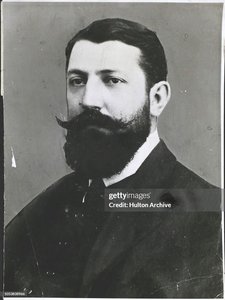
henri lemoine
1848 - 1924 , France
プロフィール概要
- Artistic Movement Or Style: Photography
- Date Of Birth: 1848
- Date Of Death: 1924
- Full Name: Henri Lemoine
- Nationality: French
- Notable Artworks:
- 1900 Paris Universal Exhibition
- Grand Palais photography
- Alexandre III Bridge
- Place Of Birth: Paris, France

