

 プレビュー
プレビュー
 シェアする
シェアする シェアする
シェアする
 詳細を見る
詳細を見る

 ダウンロード
 似ている作品
 X線調査
X線調査 スライドショー
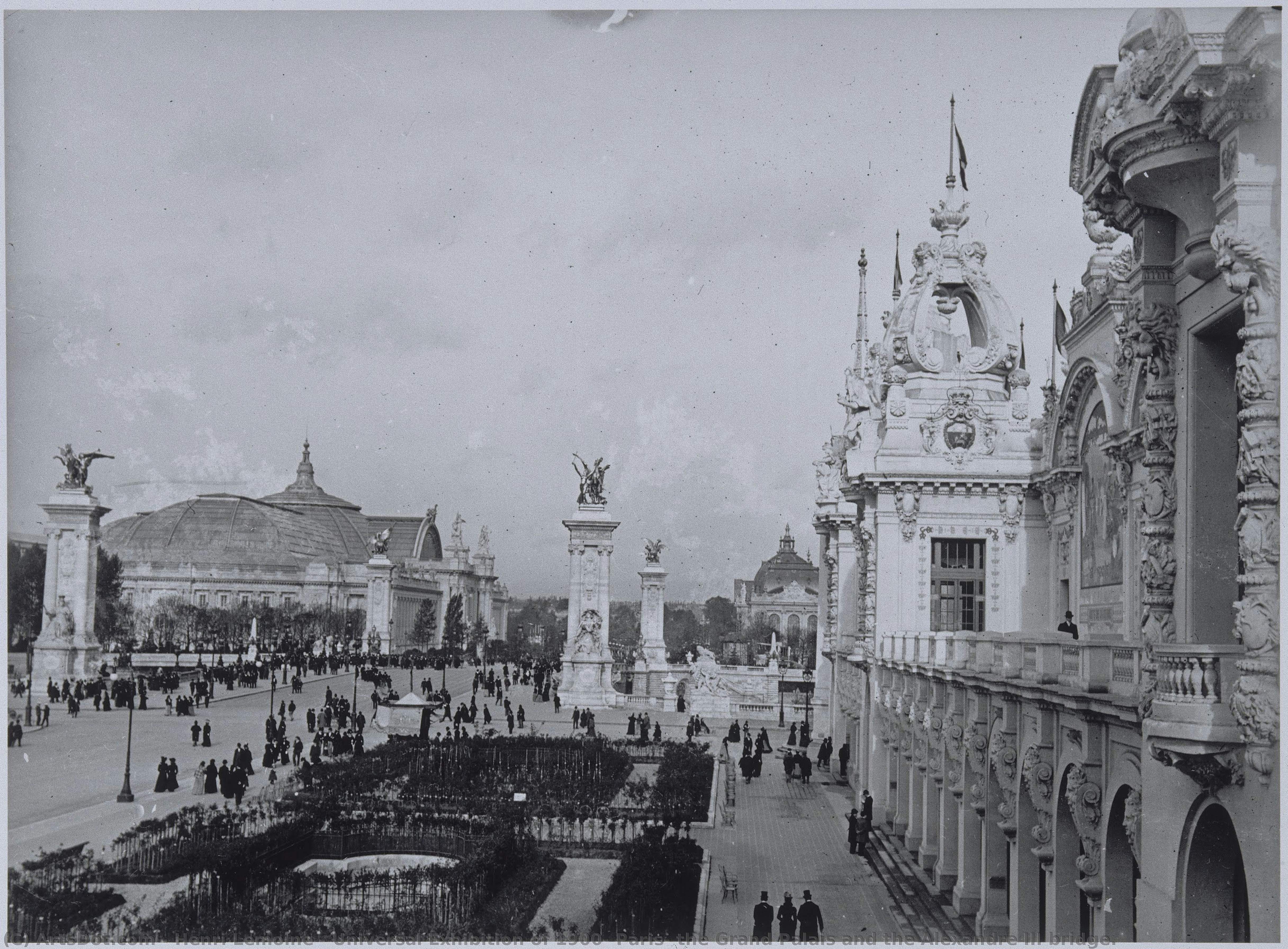
Universal Exhibition of 1900, Paris: the Grand Palais and the Alexandre III bridge.


 詳細を見る
詳細を見る
ジークレー/アートプリント
迅速な制作と多彩な仕上げオプションを備えた、ミュージアムクオリティのジークレーまたはキャンバスプリント。 ( 手描きの絵画を購入 画像を購入)




































作品のオリジナル比率に合わせた、当店の規定サイズからお選びください。

特定のフレームやスペースに合わせて、ご自身でサイズを指定することも可能です。選択されたサイズが元の画像の比率と一致しない場合、作品をトリミングするか、鏡面反射または単色での塗りつぶしによって画像を拡張いたします。制作を開始する前に、ご確認用のデジタルモックアップをお送りいたします。
画面上のプレビューには、実際のトリミングや拡張は反映されませんのでご注意ください。最終的な構図を正確に確認できるのは、モックアップのみとなります。
カスタムサイズも承っておりますが、元の比率を維持するためには、あらかじめ用意されたリストからサイズを選択することをお勧めいたします。


 ガラスオプションは、110cm未満のサイズでのみご利用いただけます。

Universal Exhibition of 1900, Paris: the Grand Palais and the Alexandre III bridge.
ジークレー/アートプリント
複製画のサイズ
-


合計金額
$ 62
関連作品









アーティストの略歴
Henri Lemoine: Capturing the Dawn of a New Century
Born in Paris in 1848, Henri Lemoine’s life and career unfolded during a period of immense transformation in France – a time of rapid industrialization, burgeoning modernity, and a fervent embrace of technological advancement. While often overshadowed by his contemporaries, Lemoine stands as a pivotal figure in the early history of French photography, uniquely positioned to document one of the most ambitious and dazzling events in European history: the 1900 Paris Universal Exposition. His work offers an invaluable glimpse into a city on the cusp of change, meticulously capturing the grandeur of its newly constructed monuments and the vibrant energy of a nation eager to showcase its progress to the world.
Lemoine’s early life remains somewhat shrouded in mystery, though he was clearly influenced by the prevailing photographic trends of his time. The burgeoning field of photography was still relatively young, grappling with technical challenges and debates about artistic merit. Early photographers often focused on documentary subjects – portraits, landscapes, and scenes of everyday life – but Lemoine’s focus shifted dramatically with the announcement of the 1900 Exposition. He recognized its potential as a monumental subject, a visual record of an era, and dedicated himself to documenting it with remarkable detail and precision.
The Grand Palais and Alexandre III Bridge: A Photographic Chronicle
Lemoine’s most celebrated work undoubtedly lies in his extensive series of photographs capturing the 1900 Paris Universal Exposition. He spent countless hours meticulously photographing the colossal structures that dominated the landscape – the magnificent Grand Palais, a testament to French architectural prowess, and the iconic Alexandre III Bridge, an engineering marvel spanning the Seine River. These images are not merely technical records; they possess a remarkable sense of scale and atmosphere, conveying the sheer spectacle of the event.
His photographs of the Grand Palais, in particular, are breathtaking. He skillfully captured the intricate details of its colonnade, the soaring arches, and the bustling crowds within. Similarly, his images of the Alexandre III Bridge offer a stunning perspective on this ambitious construction, showcasing its elegant design and the river traffic flowing beneath it. Lemoine’s ability to capture both the grandeur and the human element of these monumental structures is what makes his work so compelling. He wasn't just recording buildings; he was documenting an experience, a moment in time.
Interestingly, Lemoine’s photographic style reflects the technological advancements of the era. He utilized large-format cameras and meticulously composed his shots to achieve sharp focus and detail – qualities that were becoming increasingly important as photography moved towards greater artistic recognition. His work demonstrates a keen eye for composition and an understanding of how light and shadow could be used to create dramatic effects.
A Curious Chapter: The Diamond Deception
Adding a layer of intrigue to Lemoine’s story is the documented episode involving Sir Julius Wernher, a prominent British banker. In 1905, he contacted Lemoine with an offer to invest in a supposed revolutionary process for creating synthetic diamonds from coal. Lemoine, eager to secure funding and potentially elevate his own standing, invited Wernher to witness the demonstration of this invention at his Parisian laboratory. The dramatic reveal – Lemoine appearing naked after Wernher and his associates had left the room – became a sensational story in the press, exposing Lemoine as a fraud. This episode casts a shadow over his career, highlighting a period of deception alongside his photographic achievements.
Despite this scandal, Lemoine continued to pursue his passion for photography. His photographs of the 1900 Exposition were exhibited at the Musée Thomas-Henry in Cherbourg and are now held within the collection of the Musée d’Orsay in Paris, a testament to their historical significance and artistic merit.
Legacy and Historical Significance
Henri Lemoine's contribution to French photography is often overlooked, yet his documentation of the 1900 Paris Universal Exposition remains an invaluable resource for historians and art enthusiasts alike. His images provide a unique window into a pivotal moment in European history – a time of optimism, innovation, and unprecedented cultural exchange. Lemoine’s work not only captures the physical grandeur of the Exposition but also reflects the spirit of a nation eager to embrace the future.
Furthermore, Lemoine's career serves as a fascinating case study in the intersection of technology, art, and deception. His story reminds us that even within the realm of objective documentation, human ambition and flawed judgment can play a significant role.
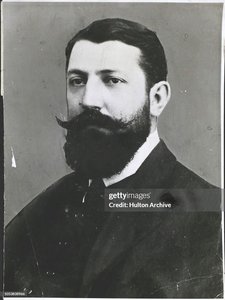
henri lemoine
1848 - 1924 , France
基本情報
- Artistic Movement Or Style: Photography
- Date Of Birth: 1848
- Date Of Death: 1924
- Full Name: Henri Lemoine
- Nationality: French
- Notable Artworks:
- 1900 Paris Universal Exhibition
- Grand Palais photography
- Alexandre III Bridge
- Place Of Birth: Paris, France

