

 プレビュー
プレビュー
 プリントを購入
 シェアする
シェアする シェアする
シェアする
 詳細を見る
詳細を見る

 ダウンロード
 似ている作品
 X線調査
X線調査 スライドショー
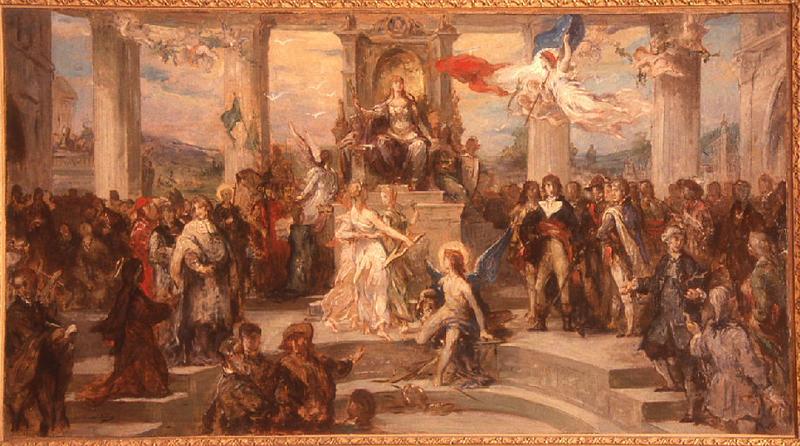
Les Gloires de la Bourgogne

 詳細を見る
詳細を見る




P118B $10

P118H $10

P118W $10

P438Z $10

P508JH $12

P508YH $12

P805H $10

P805Z $10

P919BZ $10

P919G $10

P919XJ $10

P959ZH $10

P968JZ $12

W106C $8

W218G $10

W218JH $8

W218Y $10

W307PJ $10

W316G $10

W316PJ $8

W316Y $10

W398PJ $8

W4111J $10

W500HY $15

W500JH $15

W692G $12

W849H $8

W940BG $15

W953PJ $8




作品のオリジナル比率に合わせた、当店の規定サイズからお選びください。

特定のフレームやスペースに合わせて、ご希望のサイズをご入力いただけます。選択されたサイズが元の画像の比率と異なる場合、アートワークをトリミングするか、手描きで要素を追加して絵画を拡張いたします。デジタルモックアップ を制作し、制作開始前にご確認(承認)をいただきます。
画面上のプレビューは、実際のトリミングや拡張を正確に反映しているものではありません。最終的な構図は、モックアップによってのみ正確にご確認いただけます。
カスタムサイズもご利用いただけますが、元の比率を維持するためには、あらかじめ用意されたリストからサイズを選択することをお勧めいたします。
ご注文後、ArtsDot.com チームより詳細な指示をお送りするとともに、仕上がりイメージ(モックアップ)をご提供いたします。


 ガラスオプションは、110cm未満のサイズでのみご利用いただけます。

Les Gloires de la Bourgogne
複製技法
複製画のサイズ
-


合計金額
$ 538
関連作品

アーティストの略歴
Henri Leopold Lévy: Weaver of Biblical Drama
Born in Nancy, France, in 1840 to an interior decorator and embroidery manufacturer, Henri-Léopold Lévy’s artistic journey began not within a formal academy but amidst the practicalities of his family's craft. This grounding in design and meticulous detail would profoundly shape his later work, particularly his monumental biblical and mythological paintings. His early education at the École des Beaux-Arts in Paris provided him with the technical foundations – studying under masters like Picot, Cabanel, and Fromentin – but it was Lévy’s innate ability to infuse historical narratives with palpable emotion that truly distinguished him. He wasn't merely depicting scenes from antiquity; he was channeling the spirit of those stories, imbuing them with a dramatic intensity rarely seen in his contemporaries.
Lévy’s breakthrough came at the 1865 Salon with “Hecuba Finding the Body of Her Son Polydorus on the Shore.” This powerful image – a woman consumed by grief amidst the desolate beach – immediately garnered critical acclaim and a first-class medal. It established his signature style: grand scale, meticulously rendered figures, and an almost theatrical use of light and shadow to heighten emotional impact. Subsequent Salon entries continued this trend, showcasing works like “Joash Saved from the Massacre of the Grandsons of Athaliah,” “Hebrew Captive Weeping at the Ruins of Jerusalem,” and “Herodias.” These paintings weren’t simply historical records; they were carefully constructed narratives designed to evoke a profound response in the viewer. The awards he received – including prizes for his depictions of Jehoash and Herodias – solidified his position as a rising star within the academic art world.
A Royal Patronage and Expanding Horizons
Lévy’s artistic success reached a significant milestone in 1872 when he was awarded a Chevalier in the Legion of Honor for his portrayal of Herodias. This recognition, coupled with commissions from prominent figures like the Panthéon, demonstrated the esteem in which he was held by the French establishment. His work extended beyond individual Salon entries; he undertook ambitious mural projects, notably at the Church of Saint Merri in Paris, where he depicted scenes from the life of Saint Denis – a testament to his ability to translate complex narratives into visually arresting compositions.
A pivotal moment in Lévy’s career was his extended journey to the Middle East in 1878, undertaken with his friend and fellow artist Eugène Fromentin. This expedition profoundly impacted his artistic vision, leading him to explore the landscapes and cultures of the Levant. The resulting paintings – “Sarpedon,” “The Sermon,” and others – offered a stark contrast to the predominantly classical subjects he had previously favored. These works showcased a newfound interest in Orientalism, capturing the vibrant colors, exotic locales, and spiritual atmosphere of the region with remarkable sensitivity. This shift reflected not only his artistic growth but also a broader engagement with the world beyond the confines of Parisian society.
Technique and Influences
Lévy’s technical skill was undeniably impressive. Trained in the rigorous traditions of the École des Beaux-Arts, he mastered the techniques of oil painting, employing meticulous detail and a sophisticated understanding of color theory. His compositions were often monumental in scale, designed to dominate the viewer's space and convey a sense of grandeur. However, Lévy’s style wasn’t simply a replication of academic conventions; it was infused with a distinctly personal sensibility. He drew inspiration from Romanticism, particularly in his use of dramatic lighting and emotionally charged figures. The influence of artists like Fromentin is evident in his depictions of landscapes and the way he captured fleeting moments of light and shadow.
Furthermore, Lévy’s work demonstrates a deep engagement with religious iconography. He approached biblical narratives not as abstract theological concepts but as compelling human dramas filled with pathos, heroism, and tragedy. His paintings are imbued with a sense of moral urgency, prompting viewers to contemplate the timeless themes of faith, sacrifice, and redemption. His ability to seamlessly blend historical accuracy with emotional depth cemented his reputation as one of the most significant artists of his generation.
Legacy and Recognition
Despite facing challenges in the post-Dreyfus Affair era – anti-Semitism contributed to a decline in commissions – Lévy continued to exhibit at the Salon until 1903. His final years were marked by both artistic productivity and personal hardship, but his legacy as a master of biblical and mythological painting endures. His murals at the Panthéon and Saint Merri remain powerful testaments to his skill and vision.
Today, Lévy’s works are housed in prominent museums across France and beyond, including the Louvre and Musée d'Orsay. His paintings continue to be admired for their dramatic intensity, technical brilliance, and profound engagement with the human condition. Henri-Léopold Lévy remains a significant figure in 19th-century French art – a weaver of biblical drama who transformed historical narratives into enduring works of beauty and emotional resonance.
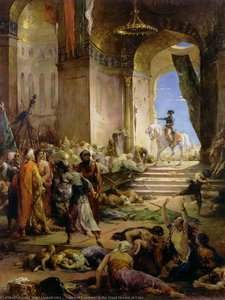
henri léopold levy
1840 - 1904
基本情報
- Artistic Movement Or Style: Academic Realism
- Artists Or Movements Influenced By This Artist: ['Romanticism']
- Artists Who Influenced This Artist:
- Picot
- Cabanel
- Fromentin
- Date Of Birth: Sept 23, 1840
- Date Of Death: Dec 29, 1904
- Full Name: Henri Leopold Levy
- Nationality: French
- Notable Artworks:
- Hecuba Finding Body
- Joash Saved
- Hebrew Captive
- Herodias
- Sarpedon
- The Sermon
- Place Of Birth: Nancy, France
関連記事

The Enduring Legacy of Oil on Canvas: Technique, History & Aesthetic Impact
Explore the rich history & techniques of oil painting – from Renaissance masters to Impressionism. Discover pigments, layering methods, and why this timeless medium endures. Expert insights for artists & art enthusiasts.

Oil on Canvas: A Historical & Technical Exploration of a Timeless Artistic Medium
Explore the rich history & enduring techniques of oil painting on canvas. Discover the science behind its longevity, conservation practices, and contemporary relevance. Expert insights for art enthusiasts.

油彩のキャンバス:技法、歴史、そして現代の実践 - 古典美術愛好家へ
油彩の技法、歴史、巨匠たちの秘密を徹底解説。古典美術愛好家向けに、初期フランドル絵画から現代の実践まで深く掘り下げます。ArtsDotで高品質な複製画やカスタムオーダーも承ります。
Oil on Canvas Masters: 10 Paintings That Redefined Art History |
Journey through art history with our guide to 10 legendary oil on canvas masterpieces! Explore iconic works by Van Gogh, Monet & Rembrandt. Find museum-quality reproductions and elevate your home decor at . Discover all masterpieces online.

The Enduring Power of Painting: A Historical & Contemporary Exploration of Form and Emotion
Explore the rich history & enduring techniques of oil painting with ArtsDot. Discover masterpieces, learn about art collecting, and find authentic handmade reproductions crafted by skilled artists.

