

 プレビュー
プレビュー
 プリントを購入
 シェアする
シェアする シェアする
シェアする
 詳細を見る
詳細を見る

 ダウンロード
 似ている作品
 X線調査
X線調査 スライドショー
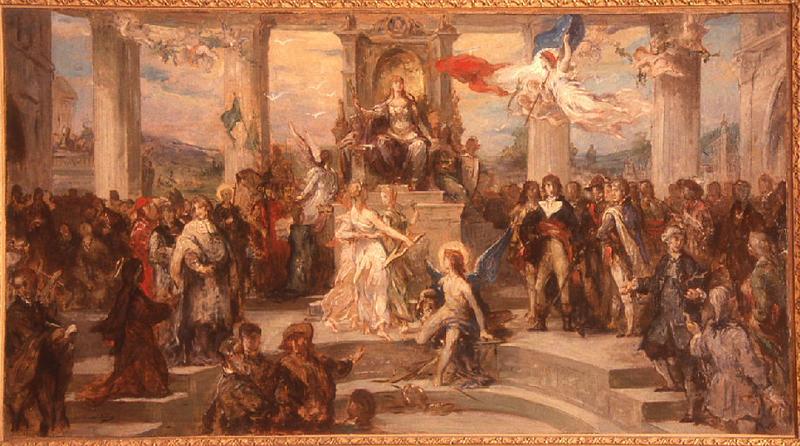
Les Gloires de la Bourgogne

 詳細を見る
詳細を見る
オンラインプレビューをはるかに凌ぐ、高解像度で鮮明なデジタル画像をご購入いただけます。
各ファイルは、社内の専門家が高度なツールと熟練した手作業によるレタッチを用いて、細心の注意を払って準備されています。すべての画像において、卓越した鮮明度、正確な色彩再現性、そして繊細なディテールを保証いたします。
最終ファイルは、プロフェッショナルな編集・印刷環境ですぐにご利用いただけるよう最適化された状態で、72時間以内にメールにてお届けいたします。これは、一流のデザインスタジオ、出版社、ギャラリーから信頼されているものと同等の品質です。
デジタル画像のご注文に付随する特典
高品質なデジタル画像配信を、確かな品質で。
ArtsDot.com を選ぶことは、単に画像を手に入れることではありません。それは、プロの手によって精密に仕上げられ、満足保証が付いた高品質なデジタルアートワークを受け取ることを意味します。ご注文いただいた際に自動的に付随する内容は、以下の通りです:

メールですぐにお届け
ご注文から72時間以内に、高解像度のデジタル画像ファイルがメールでお手元に届きます。すぐにそのままご利用いただけます。

AI技術で最適化されたデジタルファイル
お客様の作品は、高度なAIツールと専門家による手作業の編集を組み合わせてプロフェッショナルに最適化されており、細部のディテール、鮮明さ、そして正確な色再現性を最大限に引き出しています。

一生涯無料の再送サービス
ファイルを誤って削除したり、紛失してしまったりしましたか?ご安心ください。いつでも無料で再送いたします。

輸入手数料は一切かかりません
関税や手数料、配送料を気にすることなく、お気に入りのアートワークをすぐにお楽しみいただけます。デジタルダウンロードは常に免税です。

色彩再現の保証
プロ仕様のツールとカラーマネジメント技術を用いることで、デジタル画像が元の色を最大限に忠実に再現することを保証いたします。

60日間満足保証
ご購入いただいたデジタル画像にご満足いただけない場合は、60日以内であれば、修正または100%の返金(理由を問う必要はありません)をさせていただきます。

100% 返金保証
ご満足いただけない場合は、デジタルファイルを受け取ってから60日以内であれば、理由を問わず全額返金いたします。

まとめ買い割引
3枚購入で10%OFF - 5枚購入で15%OFF - 10枚以上購入で20%OFF。クリエイティブなプロジェクト、ギャラリー、エージェンシーに最適です。
関連作品


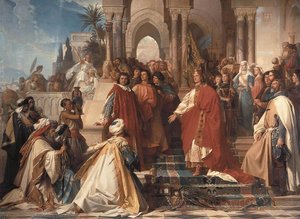
作家の略歴
Henri Leopold Lévy: Weaver of Biblical Drama
Born in Nancy, France, in 1840 to an interior decorator and embroidery manufacturer, Henri-Léopold Lévy’s artistic journey began not within a formal academy but amidst the practicalities of his family's craft. This grounding in design and meticulous detail would profoundly shape his later work, particularly his monumental biblical and mythological paintings. His early education at the École des Beaux-Arts in Paris provided him with the technical foundations – studying under masters like Picot, Cabanel, and Fromentin – but it was Lévy’s innate ability to infuse historical narratives with palpable emotion that truly distinguished him. He wasn't merely depicting scenes from antiquity; he was channeling the spirit of those stories, imbuing them with a dramatic intensity rarely seen in his contemporaries.
Lévy’s breakthrough came at the 1865 Salon with “Hecuba Finding the Body of Her Son Polydorus on the Shore.” This powerful image – a woman consumed by grief amidst the desolate beach – immediately garnered critical acclaim and a first-class medal. It established his signature style: grand scale, meticulously rendered figures, and an almost theatrical use of light and shadow to heighten emotional impact. Subsequent Salon entries continued this trend, showcasing works like “Joash Saved from the Massacre of the Grandsons of Athaliah,” “Hebrew Captive Weeping at the Ruins of Jerusalem,” and “Herodias.” These paintings weren’t simply historical records; they were carefully constructed narratives designed to evoke a profound response in the viewer. The awards he received – including prizes for his depictions of Jehoash and Herodias – solidified his position as a rising star within the academic art world.
A Royal Patronage and Expanding Horizons
Lévy’s artistic success reached a significant milestone in 1872 when he was awarded a Chevalier in the Legion of Honor for his portrayal of Herodias. This recognition, coupled with commissions from prominent figures like the Panthéon, demonstrated the esteem in which he was held by the French establishment. His work extended beyond individual Salon entries; he undertook ambitious mural projects, notably at the Church of Saint Merri in Paris, where he depicted scenes from the life of Saint Denis – a testament to his ability to translate complex narratives into visually arresting compositions.
A pivotal moment in Lévy’s career was his extended journey to the Middle East in 1878, undertaken with his friend and fellow artist Eugène Fromentin. This expedition profoundly impacted his artistic vision, leading him to explore the landscapes and cultures of the Levant. The resulting paintings – “Sarpedon,” “The Sermon,” and others – offered a stark contrast to the predominantly classical subjects he had previously favored. These works showcased a newfound interest in Orientalism, capturing the vibrant colors, exotic locales, and spiritual atmosphere of the region with remarkable sensitivity. This shift reflected not only his artistic growth but also a broader engagement with the world beyond the confines of Parisian society.
Technique and Influences
Lévy’s technical skill was undeniably impressive. Trained in the rigorous traditions of the École des Beaux-Arts, he mastered the techniques of oil painting, employing meticulous detail and a sophisticated understanding of color theory. His compositions were often monumental in scale, designed to dominate the viewer's space and convey a sense of grandeur. However, Lévy’s style wasn’t simply a replication of academic conventions; it was infused with a distinctly personal sensibility. He drew inspiration from Romanticism, particularly in his use of dramatic lighting and emotionally charged figures. The influence of artists like Fromentin is evident in his depictions of landscapes and the way he captured fleeting moments of light and shadow.
Furthermore, Lévy’s work demonstrates a deep engagement with religious iconography. He approached biblical narratives not as abstract theological concepts but as compelling human dramas filled with pathos, heroism, and tragedy. His paintings are imbued with a sense of moral urgency, prompting viewers to contemplate the timeless themes of faith, sacrifice, and redemption. His ability to seamlessly blend historical accuracy with emotional depth cemented his reputation as one of the most significant artists of his generation.
Legacy and Recognition
Despite facing challenges in the post-Dreyfus Affair era – anti-Semitism contributed to a decline in commissions – Lévy continued to exhibit at the Salon until 1903. His final years were marked by both artistic productivity and personal hardship, but his legacy as a master of biblical and mythological painting endures. His murals at the Panthéon and Saint Merri remain powerful testaments to his skill and vision.
Today, Lévy’s works are housed in prominent museums across France and beyond, including the Louvre and Musée d'Orsay. His paintings continue to be admired for their dramatic intensity, technical brilliance, and profound engagement with the human condition. Henri-Léopold Lévy remains a significant figure in 19th-century French art – a weaver of biblical drama who transformed historical narratives into enduring works of beauty and emotional resonance.
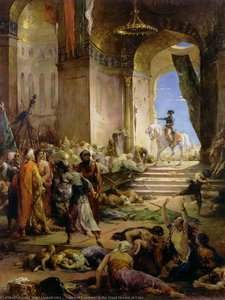
henri léopold levy
1840 - 1904
プロフィール概要
- Artistic Movement Or Style: Academic Realism
- Artists Or Movements Influenced By This Artist: ['Romanticism']
- Artists Who Influenced This Artist:
- Picot
- Cabanel
- Fromentin
- Date Of Birth: Sept 23, 1840
- Date Of Death: Dec 29, 1904
- Full Name: Henri Leopold Levy
- Nationality: French
- Notable Artworks:
- Hecuba Finding Body
- Joash Saved
- Hebrew Captive
- Herodias
- Sarpedon
- The Sermon
- Place Of Birth: Nancy, France

