 プレビュー
プレビュー
 プリントを購入
 シェアする
シェアする シェアする
シェアする
 詳細を見る
詳細を見る

 ダウンロード
 似ている作品
 X線調査
X線調査 スライドショー
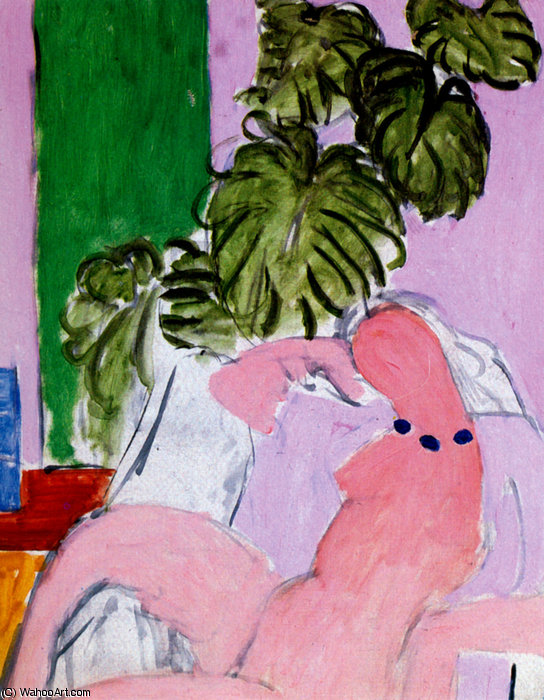
Nu au fauteuil et feuillage, Esquisse Huile sur Toile Nice , musée Matisse


 詳細を見る
詳細を見る




P118B $10

P118H $10

P118W $10

P438Z $10

P508JH $12

P508YH $12

P805H $10

P805Z $10

P919BZ $10

P919G $10

P919XJ $10

P959ZH $10

P968JZ $12

W106C $8

W218G $10

W218JH $8

W218Y $10

W307PJ $10

W316G $10

W316PJ $8

W316Y $10

W398PJ $8

W4111J $10

W500HY $15

W500JH $15

W692G $12

W849H $8

W940BG $15

W953PJ $8




作品のオリジナル比率に合わせた、当店の規定サイズからお選びください。

特定のフレームやスペースに合わせて、ご希望のサイズをご入力いただけます。選択されたサイズが元の画像の比率と異なる場合、アートワークをトリミングするか、手描きで要素を追加して絵画を拡張いたします。デジタルモックアップ を制作し、制作開始前にご確認(承認)をいただきます。
画面上のプレビューは、実際のトリミングや拡張を正確に反映しているものではありません。最終的な構図は、モックアップによってのみ正確にご確認いただけます。
カスタムサイズもご利用いただけますが、元の比率を維持するためには、あらかじめ用意されたリストからサイズを選択することをお勧めいたします。
ご注文後、ArtsDot.com チームより詳細な指示をお送りするとともに、仕上がりイメージ(モックアップ)をご提供いたします。


 ガラスオプションは、110cm未満のサイズでのみご利用いただけます。

Nu au fauteuil et feuillage, Esquisse Huile sur Toile Nice , musée Matisse
複製技法
複製画のサイズ
-


合計金額
$ 263
作品解説
Nu au Fauteuil et Feuillage: A Fauvist Embrace of Color and Movement
Henri Matisse’s Nu au fauteuil et feuillage, an “Esquisse Huile sur Toile” (Sketch in Oil on Canvas) created in 1938 and currently residing within the hallowed halls of the Musée Matisse in Nice, France, is far more than a simple depiction of a woman seated in repose. It’s a vibrant distillation of Fauvist principles—a bold declaration of color, an exploration of movement, and a testament to Matisse's revolutionary approach to painting. Measuring a modest 73 x 61 cm, this work belies the immense emotional resonance it evokes, inviting viewers into a world saturated with light, warmth, and a palpable sense of interaction.
The scene unfolds within an intimate interior space, dominated by a woman seated comfortably in a chair. Her posture is relaxed yet engaged, her legs spread wide—a gesture that subtly suggests conversation or contemplation. The room itself is adorned with the lush greenery of potted plants, strategically placed to create pockets of shadow and highlight, adding depth and dynamism to the composition. Two figures are glimpsed in the background, their presence hinting at a private world unfolding beyond the immediate focus of the subject. A vase, positioned centrally, acts as a focal point, its form echoing the curves of the chair and contributing to the overall sense of harmony.
The Language of Fauvism
Matisse’s work firmly establishes itself within the framework of Fauvism, a movement he co-founded alongside André Derain. This style, emerging in France around 1905, rejected the traditional constraints of academic painting—the muted palettes and meticulous realism—in favor of unrestrained color and expressive brushstrokes. In Nu au fauteuil et feuillage, this is immediately apparent. Matisse employs a dazzling array of hues – vibrant reds, oranges, yellows, and blues – applied with thick, impasto strokes that create a palpable sense of texture and energy. The colors aren’t meant to represent reality faithfully; instead, they are used intuitively to convey mood, emotion, and the subjective experience of seeing.
The loose brushwork further contributes to the painting's dynamism. Notice how the lines flow and overlap, creating a sense of movement and spontaneity. There is no attempt to render surfaces with photographic accuracy; rather, Matisse prioritizes capturing the essence of form and color through expressive gestures. This deliberate departure from traditional techniques was revolutionary at the time, challenging established artistic conventions and paving the way for future generations of artists.
Compositional Harmony and Symbolic Resonance
The composition itself is carefully orchestrated to create a sense of balance and visual interest. The central figure anchors the scene, while the surrounding elements—the chair, the plants, and the background figures—contribute to a harmonious whole. The use of warm colors in the foreground draws the viewer’s eye inward, creating a feeling of intimacy and warmth. The cool greens of the foliage provide a counterpoint, adding depth and contrast to the scene.
Beyond its purely aesthetic qualities, Nu au fauteuil et feuillage also carries symbolic weight. The woman's relaxed posture suggests a state of contentment and ease. The presence of the plants symbolizes life, growth, and connection with nature. The interaction implied by her position invites viewers to imagine a conversation—a moment of shared experience. Matisse’s ability to imbue his paintings with such layered meaning is one of his greatest strengths.
A Legacy of Color and Innovation
Henri Matisse's work, including Nu au fauteuil et feuillage, remains profoundly influential today. His bold use of color, expressive brushwork, and innovative approach to composition continue to inspire artists across a wide range of disciplines. This particular sketch offers a glimpse into the artist’s creative process—a moment of spontaneous inspiration captured on canvas. It's a reminder that art can be both beautiful and deeply meaningful, capable of transporting us to another world through the power of color and emotion. For those seeking a high-quality reproduction of this iconic work, ArtsDot offers meticulously crafted hand-painted reproductions that faithfully capture the essence of Matisse’s genius.
関連作品
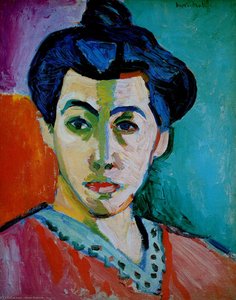
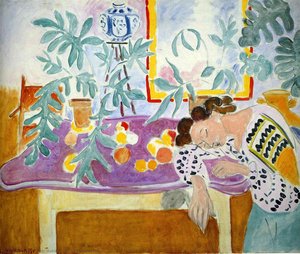
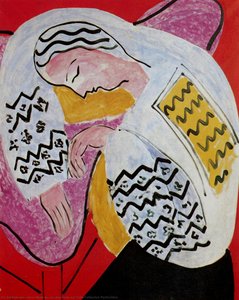
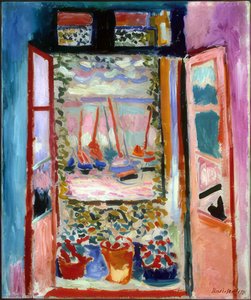
アーティストの略歴
色彩の魔術師、アンリ・マティス:近代美術への革命
アンリ・マティスは、19世紀末から20世紀にかけて活躍したフランスの画家であり、色彩と線描の卓越した表現力によって、近代美術に多大な影響を与えた芸術家です。1869年12月31日、北フランスのル・カトウ=カンブレーシスの小さな町で生まれました。当初は法律を志望し、パリで法学を学びましたが、1889年の虫垂炎の発病が彼の人生を劇的に変えました。療養中に母親から贈られた絵具セットを手にしたことをきっかけに、芸術への情熱が芽生え、法廷の弁護士になるはずだった彼は、色彩とキャンバスの世界へと足を踏み入れたのです。幼少期をボーアン=アン=ヴェルマンдуаで過ごし、穀物商の両親のもとで育ちましたが、ボヘミアンな芸術家の生活とは一見相容れない存在でした。しかし、その種は既に蒔かれており、療養生活によって育まれ、生涯にわたる芸術への献身へと花開いたのです。アカデミー・ジュリアンやÉcole Nationale des Beaux-Artsでウィリアム=アドルフ・ブルゲーローやギュスターヴ・モローといった巨匠の下で学び、古典的な技法を習得しましたが、初期の作品にはその影響が見られ、独自の個性が確立されるまでには時間がかかりました。fauve(野獣)の誕生:色彩への解放
1896年のベル=イル訪問が転換点となりました。オーストラリア人画家ジョン・ラッセルとの出会いは、彼に印象派の世界と、より重要なことに、フィンセント・ファン・ゴッホの感情を揺さぶるようなキャンバスを紹介しました。この経験は、マティスのそれまでの抑制された色彩感覚を打ち砕き、より大胆で主観的なアプローチへと駆り立てました。地味な色合いから離れ、感情に共鳴する鮮やかな色彩を受け入れ、1905年頃には fauve(野獣)と呼ばれる芸術運動が誕生しました。この名称は当初、批評家によって彼らの作品の鮮烈な色彩に対して用いられた嘲笑的な表現でしたが、やがてマティスを中心とするグループを指す言葉として定着しました。アンドレ・ドランやモーリス・ド・ヴラマンクといった画家たちと共に、マティスは色彩を独立した表現要素として捉え、従来の写実性を無視して感情を直接的に伝えることを追求しました。The Gourds(1905年)に見られるように、赤、緑、黄色の鮮やかな色彩が大胆に用いられ、伝統的な遠近法や模倣を無視した自由な表現が特徴です。装飾性と調和:新たな美の探求
fauve運動の熱狂期を経て、マティスのスタイルは洗練され、装飾性を重視する方向へと変化しました。色彩への愛着を持ちながらも、より平坦化された形態と複雑なパターンを強調し、調和のとれた構成を生み出しました。1917年に南フランスのニースに移住したことで、彼の作品には穏やかさと古典的なバランスが加味されるようになりました。彼は絵画だけでなく、陶芸やテキスタイルなど、様々なメディアを通して芸術的表現の領域を広げました。単に風景を描写するのではなく、鑑賞者を美しさで包み込むような世界を構築しようとしたのです。晩年:制限からの革新—切り絵による創造
晩年は、健康状態の悪化により従来の画法が困難になったため、彼は新たな芸術的表現として切り絵(découpages)に挑戦しました。1947年頃から始まったこの技法は、車椅子生活を送る中で生まれた実用的な解決策でしたが、やがて色彩と形態に関する新しい思考へと発展しました。鮮やかな色彩の大きな紙を切り抜き、有機的な形や人物などをキャンバス上に配置することで、ダイナミックでありながらも一見すると単純な構成を生み出しました。これらのdécoupagesは、単なる代替手段ではなく、色彩、形態、構成に対する新たなアプローチを示すものでした。彼は肉体的な制約にも屈することなく、芸術家としての進化を続けました。切り絵の技法は、彼が絵具では困難だった純粋な形態と色彩を実現することを可能にし、過去のテーマやモチーフを新鮮で革新的な方法で再解釈する手段となりました。近代美術への遺産:色彩の力
1954年11月3日、ニースで死去したアンリ・マティスは、世界中の美術館に彼の作品が収蔵され、今なお多くの芸術家や愛好家に影響を与え続けています。彼は伝統的な表現方法に挑戦し、色彩の表現力を称揚することで、近代美術の流れを大きく変えました。パブロ・ピカソと並び称される最も重要な20世紀の芸術家の一人として、マティスはモダニズムを根本的に形作り、喜び、美しさ、そして色彩の持つ変革的な可能性を祝福する芸術哲学を提唱しました。彼は世界を描写したのではなく、鑑賞者に感情的な体験を促し、光と鮮やかな色彩に満たされた世界への共有を招いたのです。マティスの遺産は、彼の作品を超え、様々な分野のアーティストたちに影響を与え続けており、真の芸術の巨匠としての地位を確固たるものとしています。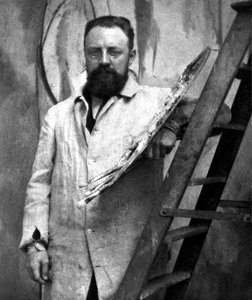
マティス
1869 - 1954 , フランス
基本情報
- フルネーム: アンリ・マティス
- 主な作品:
- 風の歌
- 豪華な静寂
- 踊り
- 出生地: ル・カトウ=カンブレーシス、フランス
- 国籍: フランス人
- 影響を与えたアーティストや運動:
- モダニズム
- 表現主義
- 影響を受けたアーティスト:
- フィンセント・ファン・ゴッホ
- シャルダン
- 没年月日: 1954年11月3日
- 生年月日: 1869年12月31日
- 芸術運動またはスタイル: フォーヴィスム
関連記事

アンリ・マティスの傑作25選:色彩と情熱の軌跡|ArtsDot
アンリ・マティスの傑作25選🎨 色彩と情熱が織りなす世界を旅する。フォーヴィスム代表の巨匠、マティスの絵画の魅力と歴史を紐解きます。ArtsDotで高品質なアートプリントや複製画を見つけ、インテリアに芸術的な輝きを✨ Explore the full collection online
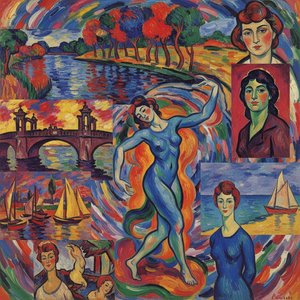
Fauvism's Boldest Visions: 10 Masterpieces That Revolutionized Modern Art | ArtsDot
Explore 10 Fauvist masterpieces by Matisse, Derain & Vlaminck that ignited Modern Art! Discover bold colors, expressionist landscapes & the history of this revolutionary movement. Find museum-quality prints at ArtsDot.com.
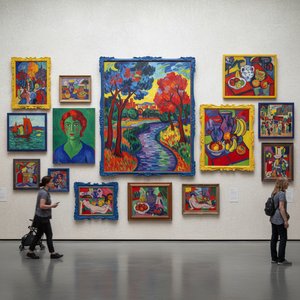
至福の色彩が彩る:フォーヴィズムを定義づけた10大名作
鮮烈な色彩が時代を席巻!フォーヴィズムを代表する10大名作を徹底解剖。マティスら巨匠の技と情熱に触れ、アートの新たな世界を発見。ArtsDot.comで至高の美術館級レプリカと洗練されたインテリアアイデアを見つけよう。

The Enduring Legacy of Oil on Canvas: Technique, History & Aesthetic Impact
Explore the rich history & techniques of oil painting – from Renaissance masters to Impressionism. Discover pigments, layering methods, and why this timeless medium endures. Expert insights for artists & art enthusiasts.

Oil on Canvas: A Historical & Technical Exploration of a Timeless Artistic Medium
Explore the rich history & enduring techniques of oil painting on canvas. Discover the science behind its longevity, conservation practices, and contemporary relevance. Expert insights for art enthusiasts.