

 プレビュー
プレビュー
 プリントを購入
 シェアする
シェアする シェアする
シェアする
 詳細を見る
詳細を見る

 ダウンロード
 似ている作品
 X線調査
X線調査 スライドショー
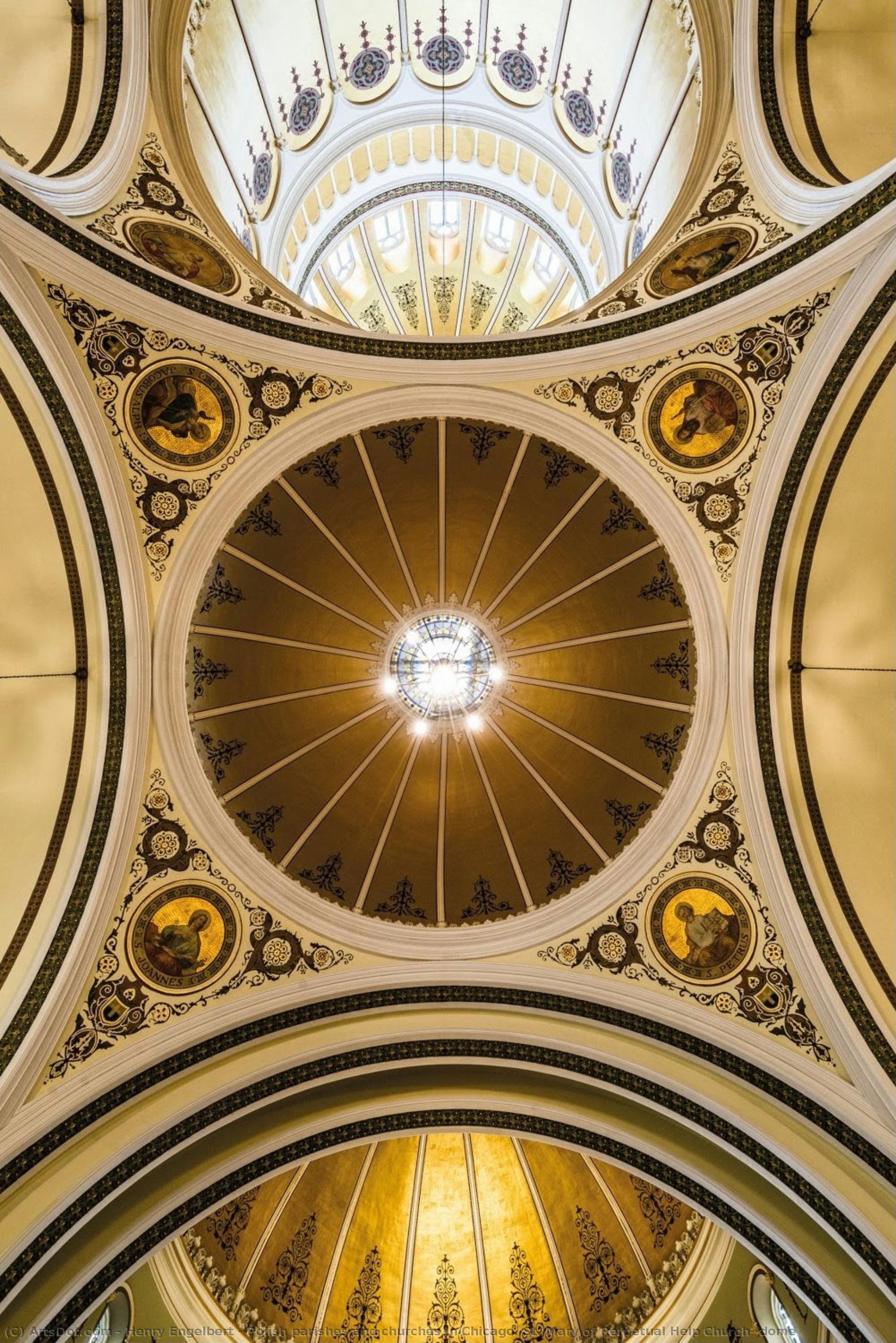
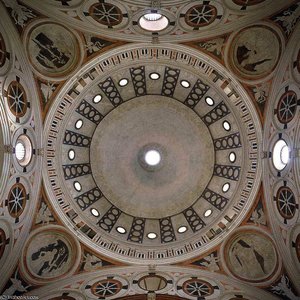
Polish parishes and churches in Chicago. St. Mary of Perpetual Help Church, dome


 詳細を見る
詳細を見る




P118B $10

P118H $10

P118W $10

P438Z $10

P508JH $12

P508YH $12

P805H $10

P805Z $10

P919BZ $10

P919G $10

P919XJ $10

P959ZH $10

P968JZ $12

W106C $8

W218G $10

W218JH $8

W218Y $10

W307PJ $10

W316G $10

W316PJ $8

W316Y $10

W398PJ $8

W4111J $10

W500HY $15

W500JH $15

W692G $12

W849H $8

W940BG $15

W953PJ $8




作品のオリジナル比率に合わせた、当店の規定サイズからお選びください。

特定のフレームやスペースに合わせて、ご希望のサイズをご入力いただけます。選択されたサイズが元の画像の比率と異なる場合、アートワークをトリミングするか、手描きで要素を追加して絵画を拡張いたします。デジタルモックアップ を制作し、制作開始前にご確認(承認)をいただきます。
画面上のプレビューは、実際のトリミングや拡張を正確に反映しているものではありません。最終的な構図は、モックアップによってのみ正確にご確認いただけます。
カスタムサイズもご利用いただけますが、元の比率を維持するためには、あらかじめ用意されたリストからサイズを選択することをお勧めいたします。
ご注文後、ArtsDot.com チームより詳細な指示をお送りするとともに、仕上がりイメージ(モックアップ)をご提供いたします。


 ガラスオプションは、110cm未満のサイズでのみご利用いただけます。

Polish parishes and churches in Chicago. St. Mary of Perpetual Help Church, dome
複製技法
複製画のサイズ
-


合計金額
$ 263
関連作品
アーティストの略歴
Giovanni Costa (Nino Costa): A Pioneer of Italian Landscape Painting
Giovanni Costa, known affectionately as Nino Costa, was a pivotal figure in the late 19th-century Italian art scene, particularly within the burgeoning Macchiaioli movement. Born in Rome on October 15, 1826, into a family deeply rooted in commerce – his father a successful wool merchant – Costa’s artistic journey began unexpectedly, spurred by an encounter with the esteemed Baron Vincenzo Camuccini. This early mentorship proved transformative, instilling in him a profound appreciation for direct observation of nature and a rejection of overly polished academic styles. His life was inextricably linked to Italy's quest for national unity, reflected not only in his patriotic fervor but also in his artistic choices. Costa’s career spanned several decades, marked by a dedication to capturing the essence of the Italian countryside – its rugged beauty, humble rural life, and evocative light – establishing him as a significant voice in landscape painting.Early Life and Artistic Training
Costa's childhood was shaped by his family’s prominent position in Roman society. His father’s success provided opportunities for cultural enrichment, leading to an introduction to the world of art at a young age. This initial exposure culminated in lessons with Baron Camuccini, a renowned Neoclassical painter who emphasized the importance of studying directly from life. Following Camuccini's guidance, Costa was sent to the Jesuit college at Montefiascone, where he honed his drawing skills and developed a foundational understanding of artistic principles. Returning to Rome, he continued his training under several prominent instructors at the Accademia di San Luca – Francesco Coghetti, Francesco Podesti, and Filippo Agricola – absorbing diverse techniques and stylistic approaches. This rigorous academic grounding provided a crucial base upon which he would later build his distinctive style.The Revolutionary Macchiaioli
Costa’s artistic trajectory truly gained momentum through his involvement with the Macchiaioli movement, a group of Florentine artists who championed a revolutionary approach to painting. The term “macchia,” meaning ‘spot’ or ‘dab,’ refers to their technique – applying paint in loose, expressive strokes, often using pure color directly from the tube. This method prioritized capturing the immediate impression of light and atmosphere over meticulous detail. Costa embraced this philosophy wholeheartedly, rejecting the traditional academic emphasis on smooth blending and precise rendering. He sought to convey the essence of a scene through vibrant colors and dynamic brushwork, reflecting his deep connection with the natural world. His work became a key influence on subsequent generations of Italian artists, particularly those who championed a more direct and emotionally resonant approach to landscape painting.Patriotism and Artistic Expression
Costa’s artistic life was deeply intertwined with Italy's political struggles for unification. He actively participated in the Risorgimento – the movement for national independence – serving as a volunteer soldier during the 1848 revolutions and again in the war of 1859. His patriotic fervor fueled his desire to capture the spirit of his homeland, translating his love for Italy into powerful visual narratives. This commitment is evident in works such as *Donne sulla spiaggia di Porto d’Anzio*, a captivating depiction of women on the beach, imbued with a sense of national pride and a celebration of Italian beauty. Furthermore, Costa's dedication to portraying authentic rural life – shepherds tending their flocks, farmers working the land – served as a poignant reminder of Italy’s agricultural heritage and its connection to the soil.Legacy and Influence
Giovanni Costa (Nino Costa) died in Rome on January 31, 1903, leaving behind a significant body of work that continues to resonate with art historians and enthusiasts today. His influence extended far beyond his immediate circle within the Macchiaioli movement; he inspired numerous artists, including Elihu Vedder and Matthew Ridley Corbet, who were captivated by his bold use of color and expressive brushwork. Costa’s commitment to direct observation, coupled with his passionate patriotism, cemented his place as a key figure in the development of Italian landscape painting at the turn of the 20th century. His paintings offer a valuable glimpse into the social and political realities of Italy during a period of profound transformation, reminding us of the enduring power of art to reflect and shape national identity.
henry engelbert
1826 - 1901 , Germany
基本情報
- Artistic Movement Or Style: Landscape painting
- Artists Or Movements Influenced By This Artist: ['Macchiaioli']
- Artists Who Influenced This Artist:
- Vincenzo Camuccini
- Luigi Durantini
- Francesco Coghetti
- Francesco Podesti
- Filippo Agricola
- Date Of Birth: 15 Oct 1826
- Date Of Death: 31 Jan 1903
- Full Name: Giovanni Costa (Nino Costa)
- Nationality: Italian
- Notable Artworks: ["Donne sulla spiaggia di Porto d'Anzio"]
- Place Of Birth: Rome, Italy
関連記事
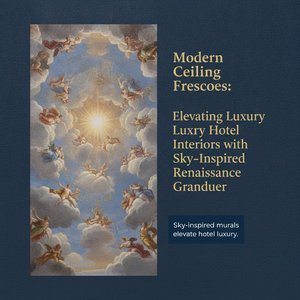
現代空間における天井フレスコの再解釈:ルネサンスの壮麗さを取り込んだインテリアデザイン
現代ホテルの空間デザインにルネサンスの壮麗さを。天井フレスコの歴史、技法、カスタム制作について専門家が解説。ArtsDot.comで理想の芸術的空間を実現しましょう。
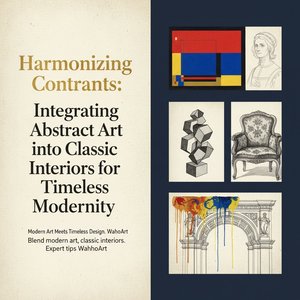
古典と現代の調和:大胆な抽象芸術がクラシックインテリアに与える影響
抽象表現主義がクラシックインテリアに与える影響を解説。色彩心理学や空間への効果、著名なアーティストの作品を紹介します。ArtsDot.comで理想のアートピースを見つけ、洗練された空間を実現しましょう。
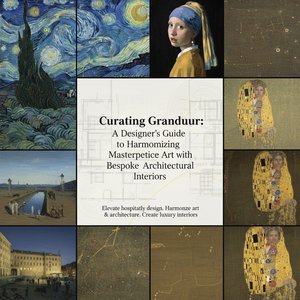
Harmonizing History & Hue: A Guide to Matching Art Styles with Interior Architecture for Balanced Décor
Elevate your interior design with our expert guide to harmonizing art styles & architecture. Discover timeless pieces, color palettes, & custom artwork solutions for balanced, luxury spaces. Expert advice included!
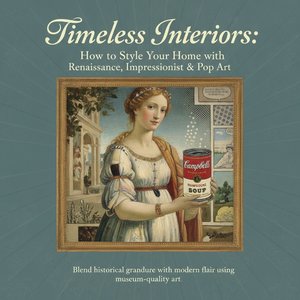
時代を超越するインテリア美学:ルネサンス様式、印象派の光彩、そして現代的空間への調和
ルネサンス様式から印象派、現代アートまで。美術史に基づいたインテリア美学を解説。ArtsDot.comで至高の油絵複製やカスタムアートを手に入れ、あなただけの空間を創造しましょう。無料相談受付中。
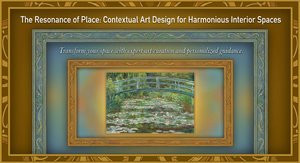
The Resonance of Place: Contextual Art Design for Harmonious Interior Spaces
Discover how expert art curation transforms interiors into harmonious spaces. Elevate your home with personalized selections & the guidance of a dedicated art concierge at ArtsDot.com.

