

 プレビュー
プレビュー
 プリントを購入
 シェアする
シェアする シェアする
シェアする
 詳細を見る
詳細を見る

 ダウンロード
 似ている作品
 X線調査
X線調査 スライドショー
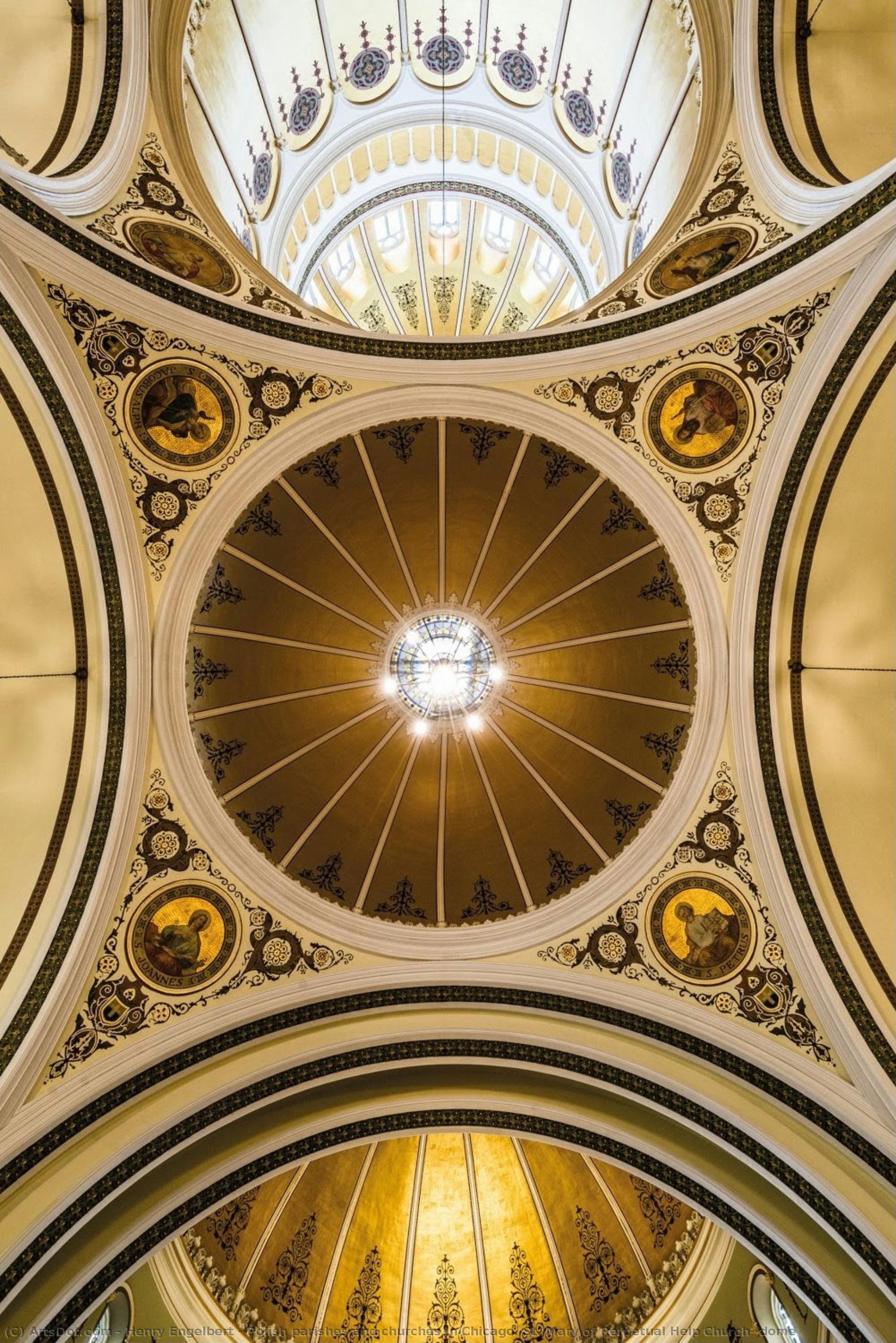
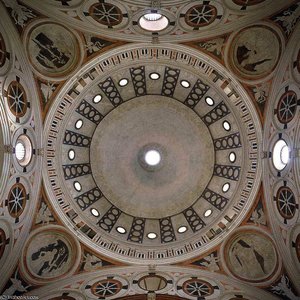
Polish parishes and churches in Chicago. St. Mary of Perpetual Help Church, dome


 詳細を見る
詳細を見る
オンラインプレビューをはるかに凌ぐ、高解像度で鮮明なデジタル画像をご購入いただけます。
各ファイルは、社内の専門家が高度なツールと熟練した手作業によるレタッチを用いて、細心の注意を払って準備されています。すべての画像において、卓越した鮮明度、正確な色彩再現性、そして繊細なディテールを保証いたします。
最終ファイルは、プロフェッショナルな編集・印刷環境ですぐにご利用いただけるよう最適化された状態で、72時間以内にメールにてお届けいたします。これは、一流のデザインスタジオ、出版社、ギャラリーから信頼されているものと同等の品質です。
デジタル画像のご注文に付随する特典
高品質なデジタル画像配信を、確かな品質で。
ArtsDot.com を選ぶことは、単に画像を手に入れることではありません。それは、プロの手によって精密に仕上げられ、満足保証が付いた高品質なデジタルアートワークを受け取ることを意味します。ご注文いただいた際に自動的に付随する内容は、以下の通りです:

メールですぐにお届け
ご注文から72時間以内に、高解像度のデジタル画像ファイルがメールでお手元に届きます。すぐにそのままご利用いただけます。

AI技術で最適化されたデジタルファイル
お客様の作品は、高度なAIツールと専門家による手作業の編集を組み合わせてプロフェッショナルに最適化されており、細部のディテール、鮮明さ、そして正確な色再現性を最大限に引き出しています。

一生涯無料の再送サービス
ファイルを誤って削除したり、紛失してしまったりしましたか?ご安心ください。いつでも無料で再送いたします。

輸入手数料は一切かかりません
関税や手数料、配送料を気にすることなく、お気に入りのアートワークをすぐにお楽しみいただけます。デジタルダウンロードは常に免税です。

色彩再現の保証
プロ仕様のツールとカラーマネジメント技術を用いることで、デジタル画像が元の色を最大限に忠実に再現することを保証いたします。

60日間満足保証
ご購入いただいたデジタル画像にご満足いただけない場合は、60日以内であれば、修正または100%の返金(理由を問う必要はありません)をさせていただきます。

100% 返金保証
ご満足いただけない場合は、デジタルファイルを受け取ってから60日以内であれば、理由を問わず全額返金いたします。

まとめ買い割引
3枚購入で10%OFF - 5枚購入で15%OFF - 10枚以上購入で20%OFF。クリエイティブなプロジェクト、ギャラリー、エージェンシーに最適です。
関連作品
作家の略歴
Giovanni Costa (Nino Costa): A Pioneer of Italian Landscape Painting
Giovanni Costa, known affectionately as Nino Costa, was a pivotal figure in the late 19th-century Italian art scene, particularly within the burgeoning Macchiaioli movement. Born in Rome on October 15, 1826, into a family deeply rooted in commerce – his father a successful wool merchant – Costa’s artistic journey began unexpectedly, spurred by an encounter with the esteemed Baron Vincenzo Camuccini. This early mentorship proved transformative, instilling in him a profound appreciation for direct observation of nature and a rejection of overly polished academic styles. His life was inextricably linked to Italy's quest for national unity, reflected not only in his patriotic fervor but also in his artistic choices. Costa’s career spanned several decades, marked by a dedication to capturing the essence of the Italian countryside – its rugged beauty, humble rural life, and evocative light – establishing him as a significant voice in landscape painting.Early Life and Artistic Training
Costa's childhood was shaped by his family’s prominent position in Roman society. His father’s success provided opportunities for cultural enrichment, leading to an introduction to the world of art at a young age. This initial exposure culminated in lessons with Baron Camuccini, a renowned Neoclassical painter who emphasized the importance of studying directly from life. Following Camuccini's guidance, Costa was sent to the Jesuit college at Montefiascone, where he honed his drawing skills and developed a foundational understanding of artistic principles. Returning to Rome, he continued his training under several prominent instructors at the Accademia di San Luca – Francesco Coghetti, Francesco Podesti, and Filippo Agricola – absorbing diverse techniques and stylistic approaches. This rigorous academic grounding provided a crucial base upon which he would later build his distinctive style.The Revolutionary Macchiaioli
Costa’s artistic trajectory truly gained momentum through his involvement with the Macchiaioli movement, a group of Florentine artists who championed a revolutionary approach to painting. The term “macchia,” meaning ‘spot’ or ‘dab,’ refers to their technique – applying paint in loose, expressive strokes, often using pure color directly from the tube. This method prioritized capturing the immediate impression of light and atmosphere over meticulous detail. Costa embraced this philosophy wholeheartedly, rejecting the traditional academic emphasis on smooth blending and precise rendering. He sought to convey the essence of a scene through vibrant colors and dynamic brushwork, reflecting his deep connection with the natural world. His work became a key influence on subsequent generations of Italian artists, particularly those who championed a more direct and emotionally resonant approach to landscape painting.Patriotism and Artistic Expression
Costa’s artistic life was deeply intertwined with Italy's political struggles for unification. He actively participated in the Risorgimento – the movement for national independence – serving as a volunteer soldier during the 1848 revolutions and again in the war of 1859. His patriotic fervor fueled his desire to capture the spirit of his homeland, translating his love for Italy into powerful visual narratives. This commitment is evident in works such as *Donne sulla spiaggia di Porto d’Anzio*, a captivating depiction of women on the beach, imbued with a sense of national pride and a celebration of Italian beauty. Furthermore, Costa's dedication to portraying authentic rural life – shepherds tending their flocks, farmers working the land – served as a poignant reminder of Italy’s agricultural heritage and its connection to the soil.Legacy and Influence
Giovanni Costa (Nino Costa) died in Rome on January 31, 1903, leaving behind a significant body of work that continues to resonate with art historians and enthusiasts today. His influence extended far beyond his immediate circle within the Macchiaioli movement; he inspired numerous artists, including Elihu Vedder and Matthew Ridley Corbet, who were captivated by his bold use of color and expressive brushwork. Costa’s commitment to direct observation, coupled with his passionate patriotism, cemented his place as a key figure in the development of Italian landscape painting at the turn of the 20th century. His paintings offer a valuable glimpse into the social and political realities of Italy during a period of profound transformation, reminding us of the enduring power of art to reflect and shape national identity.
henry engelbert
1826 - 1901 , Germany
プロフィール概要
- Artistic Movement Or Style: Landscape painting
- Artists Or Movements Influenced By This Artist: ['Macchiaioli']
- Artists Who Influenced This Artist:
- Vincenzo Camuccini
- Luigi Durantini
- Francesco Coghetti
- Francesco Podesti
- Filippo Agricola
- Date Of Birth: 15 Oct 1826
- Date Of Death: 31 Jan 1903
- Full Name: Giovanni Costa (Nino Costa)
- Nationality: Italian
- Notable Artworks: ["Donne sulla spiaggia di Porto d'Anzio"]
- Place Of Birth: Rome, Italy

