

 プレビュー
プレビュー
 シェアする
シェアする シェアする
シェアする
 詳細を見る
詳細を見る

 ダウンロード
 似ている作品
 X線調査
X線調査 スライドショー
 統計情報
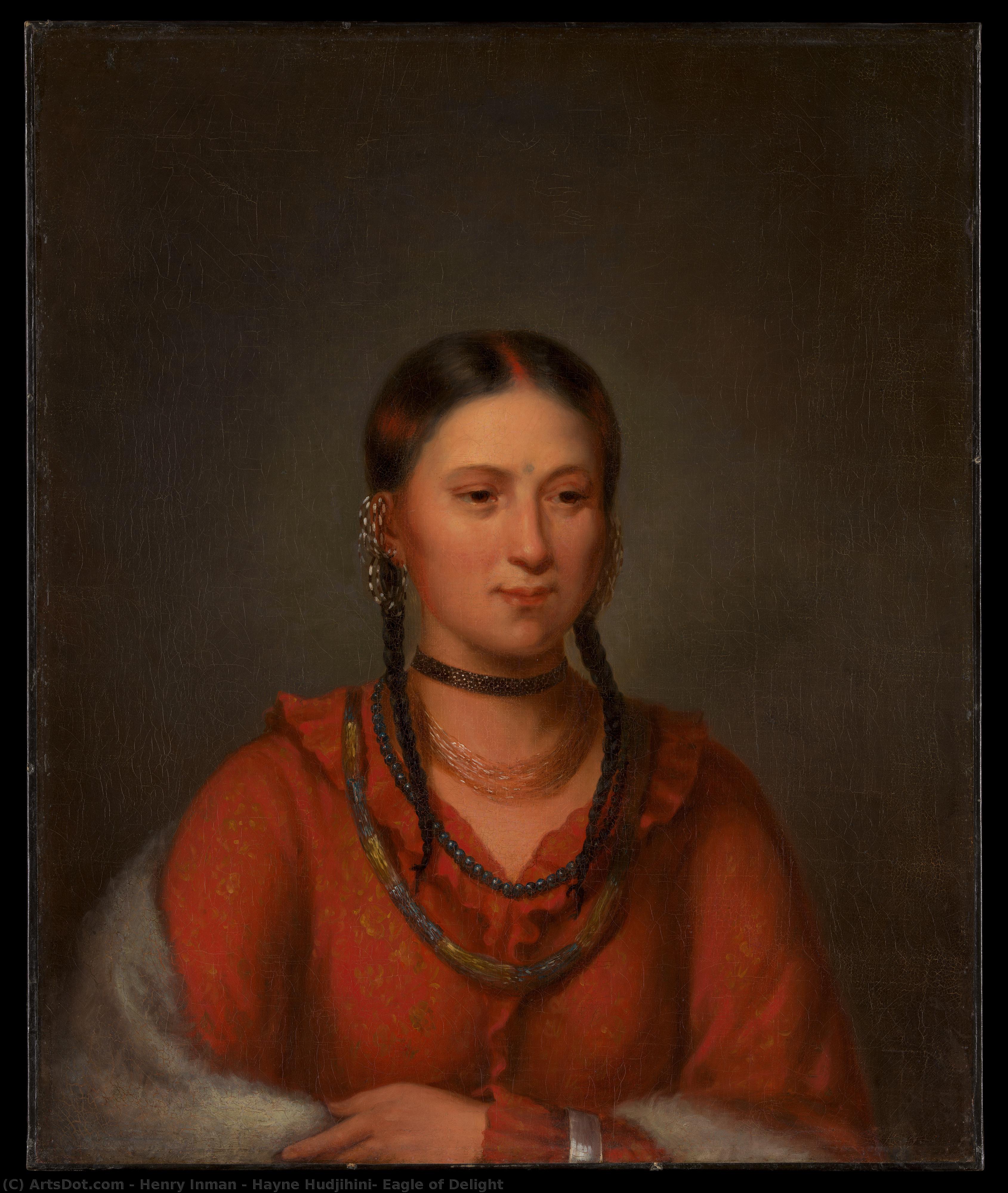
統計情報Hayne Hudjihini, Eagle of Delight
 Oil On Canvas
- WallArt
- American Realism
 1832
1832 77.0 x 64.0 cm
 メトロポリタン美術館
 詳細を見る
詳細を見る
オンラインプレビューをはるかに凌ぐ、高解像度で鮮明なデジタル画像をご購入いただけます。
各ファイルは、社内の専門家が高度なツールと熟練した手作業によるレタッチを用いて、細心の注意を払って準備されています。すべての画像において、卓越した鮮明度、正確な色彩再現性、そして繊細なディテールを保証いたします。
最終ファイルは、プロフェッショナルな編集・印刷環境ですぐにご利用いただけるよう最適化された状態で、72時間以内にメールにてお届けいたします。これは、一流のデザインスタジオ、出版社、ギャラリーから信頼されているものと同等の品質です。
デジタルアート
個人での鑑賞、印刷、クリエイティブなプロジェクト用に、高解像度ファイルをダウンロードできます。 ( プリント版に切り替え 手描きの絵画を購入)
デジタル画像のご注文に付随する特典
高品質なデジタル画像配信を、確かな品質で。
ArtsDot.com を選ぶことは、単に画像を手に入れることではありません。それは、プロの手によって精密に仕上げられ、満足保証が付いた高品質なデジタルアートワークを受け取ることを意味します。ご注文いただいた際に自動的に付随する内容は、以下の通りです:

メールですぐにお届け
ご注文から72時間以内に、高解像度のデジタル画像ファイルがメールでお手元に届きます。すぐにそのままご利用いただけます。

AI技術で最適化されたデジタルファイル
お客様の作品は、高度なAIツールと専門家による手作業の編集を組み合わせてプロフェッショナルに最適化されており、細部のディテール、鮮明さ、そして正確な色再現性を最大限に引き出しています。

一生涯無料の再送サービス
ファイルを誤って削除したり、紛失してしまったりしましたか?ご安心ください。いつでも無料で再送いたします。

輸入手数料は一切かかりません
関税や手数料、配送料を気にすることなく、お気に入りのアートワークをすぐにお楽しみいただけます。デジタルダウンロードは常に免税です。

色彩再現の保証
プロ仕様のツールとカラーマネジメント技術を用いることで、デジタル画像が元の色を最大限に忠実に再現することを保証いたします。

100日間満足保証
ご購入いただいたデジタル画像にご満足いただけない場合は、100日以内であれば、理由を問わず修正または100%の返金対応をさせていただきます。

100% 返金保証
ご満足いただけない場合は、デジタルファイルを受け取ってから100日以内であれば、理由を問わず全額返金いたします。

まとめ買い割引
3枚購入で10%OFF - 5枚購入で15%OFF - 10枚以上購入で20%OFF。クリエイティブなプロジェクト、ギャラリー、エージェンシーに最適です。
A Portrait of Dignity: Hayne Hudjihini, Eagle of Delight by Henry Inman
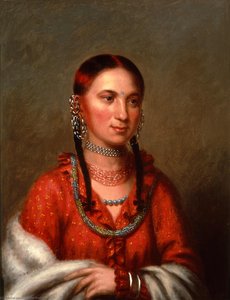
Henry Inman’s “Hayne Hudjihini, Eagle of Delight,” painted in 1832, is more than just a portrait; it's a window into the life and spirit of a remarkable Otoe woman. This captivating artwork transcends its historical context to offer a profound meditation on leadership, beauty, and cultural identity within early America. Commissioned as part of Thomas L. McKenney’s ambitious “History of the Indian Tribes of North America,” Inman's depiction of Hayne Hudjihini stands as one of the most poignant and dignified representations of Native American women produced during that era.
The painting immediately draws the eye with its rich palette – deep reds, browns, and ochres dominate, mirroring the earth tones of the Otoe people’s homeland. Hayne Hudjihini is rendered in a style characteristic of Inman's work: meticulously detailed yet imbued with an underlying sense of grace. Her posture exudes quiet strength and composure; she holds her chin slightly elevated, suggesting both intelligence and self-assuredness. The intricate details of her adornments – the elaborate earrings, necklaces crafted from beads and shells, and a gleaming silver bracelet—speak volumes about her status within her community and the importance placed on tradition and craftsmanship.
Historical Echoes: A Leader’s Journey
Hayne Hudjihini's story is inextricably linked to the broader narrative of Native American diplomacy in the early 19th century. In 1822, she accompanied her husband, Chief Sų Manyi Kathi (Shaumonekusse), on a significant journey to Washington D.C., where they met President James Monroe and other prominent figures. This diplomatic mission marked a crucial moment of engagement between the Otoe people and the burgeoning United States government. The portrait itself was created in preparation for hand-colored lithographs intended for McKenney’s publication, ensuring that her story – and the stories of other Native American leaders – would be preserved and disseminated to a wider audience.
It's important to note that this wasn’t simply a formal portrait; it was a deliberate act of representation. The decision to commission such a detailed depiction reflects a conscious effort to document and legitimize the voices and perspectives of Native American leaders, challenging prevailing stereotypes and offering a more nuanced understanding of their culture and leadership roles. The painting serves as a testament to Hayne Hudjihini’s role as a respected figure within her community – a woman of intelligence, dignity, and influence.
Artistic Merit & Legacy
Henry Inman's skill as an artist is undeniable. He masterfully captures not only Hayne Hudjihini’s physical likeness but also the essence of her character. The subtle play of light and shadow, the delicate rendering of fabrics and adornments, all contribute to a remarkably lifelike portrayal. Interestingly, this particular portrait was created in response to earlier works by Charles Bird King, who had painted similar portraits of Native American chiefs. While King’s originals were tragically destroyed in a fire at the Smithsonian Institution in 1865, Inman's version offers a vital alternative and a more intimate glimpse into the life of this remarkable woman.
Today, “Hayne Hudjihini, Eagle of Delight” resides at The Metropolitan Museum of Art in New York City, where it continues to captivate viewers. It stands as a powerful reminder of the rich cultural heritage of the Otoe people and a testament to the enduring legacy of Hayne Hudjihini – a leader, a wife, and a woman whose story deserves to be remembered.
Symbolism & Cultural Significance
Beyond its aesthetic qualities, the painting is laden with symbolism. The eagle motif—represented by her name, “Eagle of Delight”—is deeply significant within Otoe culture, symbolizing strength, wisdom, and connection to the spiritual realm. Her adornments – particularly the silver bracelet – represent wealth, status, and a connection to ancestral traditions. The composition itself, with Hayne Hudjihini seated upright and gazing directly at the viewer, conveys an air of authority and confidence.
Furthermore, the painting’s creation within the context of McKenney's “History of the Indian Tribes” highlights the complex relationship between Native American communities and the U.S. government during this period. It represents a deliberate attempt to document and preserve Native American history – albeit through a lens shaped by European perspectives.
Reproductions & Artistic Inspiration
High-quality reproductions of “Hayne Hudjihini, Eagle of Delight” offer an exceptional opportunity to bring this remarkable artwork into your home or office. Whether you choose a framed print or a canvas reproduction, you’ll be acquiring a piece of art history that celebrates the dignity and resilience of Native American culture. This painting serves as a beautiful reminder of the importance of cultural preservation and the power of art to tell compelling stories.
関連作品
作家の略歴
A Legacy of Character and Heritage: The Life of Henry Inman
In the burgeoning landscape of nineteenth-century American art, few figures captured the evolving identity of a young nation as intimately as Henry Inman. Born in 1801 in Utica, New York, to English immigrant parents, Inman was a product of both old-world tradition and new-world ambition. His early years in the settlement of Utica provided a foundation of industriousness, but it was his move to the vibrant, growing metropolis of New York City in 1812 that truly ignited his artistic destiny. Under the mentorship of established masters such as John Wesley Jarvis and John Quidor, Inman refined a technical precision that would become his hallmark, learning to navigate the delicate balance between realistic representation and the soulful expression required for high-society portraiture.
Inman’s artistic journey was never confined to a single genre; rather, it was a multifaceted exploration of the American experience. While he possessed a remarkable talent for capturing the quiet, everyday moments of life through his genre scenes—notably his evocative depictions of “Rip Van Winkle” and “The News Boy”—his heart belonged to the study of human character. His portraits were more than mere likenesses; they were psychological studies that sought to reveal the inner dignity and intellect of his subjects. Through a meticulous application of light and shadow, he breathed life into the faces of the era's most influential figures, creating a visual record of leadership and intellect that remains vital to our understanding of American history.
The Documentation of a Vanishing World
Perhaps the most profound chapter of Inman’s career lies in his monumental contribution to the preservation of Native American heritage. Collaborating with the celebrated lithographer Thomas L. McKenney, Inman undertook the Herculean task of producing "The History of the Indian Tribes of North America." This endeavor required him to meticulously copy over one hundred oil paintings originally executed by Charles Bird King. This was not merely a technical exercise in reproduction; it was an act of historical preservation. Through his diligent work, Inman helped ensure that the likenesses and cultural dignity of Native American leaders were etched into the permanent annals of American art history.
This period of his life demonstrated a deep-seated empathy and an alignment with the intellectual currents of his time, which sought to document the complexities of a changing continent. His ability to translate the grandeur of these original works into a format accessible to a wider audience cemented his reputation as an artist of significant social and historical responsibility. In doing so, he bridged the gap between fine art and ethnographic record, making him a pivotal figure in the early American movement toward cultural documentation.
Artistic Mastery and Historical Significance
The breadth of Inman’s portraiture serves as a Who's Who of nineteenth-century American prominence. His canvases featured an extraordinary array of notable figures, including:
- Political Titans: Such as Martin Van Buren, William H. Seward, and DeWitt Clinton.
- Legal Luminaries: Including Chief Justices Marshall and Nelson.
- Intellectuals and Explorers: Most notably the naturalist John James Audubon and the writer Fitz-Greene Halleck.
Beyond his individual canvases, Inman’s influence extended to the very institutions that shaped American art. His role in the founding of the National Academy of Design underscores his commitment to establishing a formal structure for artistic excellence in the United States. Though his life was tragically short, ending in 1846, the impact of his work remains indelible. He left behind a legacy defined by a rare combination of technical virtuosity and a profound respect for the subjects he portrayed, ensuring that the faces of the past continue to speak to the generations of the present.
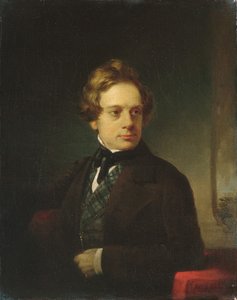
Henry Inman
1801 - 1846 , United States of America
プロフィール概要
- Artistic Movement Or Style: Hudson River School
- Artists Or Movements Influenced By This Artist: ['Jacob Hart Lazarus']
- Artists Who Influenced This Artist: ['John Wesley Jarvis']
- Date Of Birth: 1801
- Date Of Death: 1846
- Full Name: Henry Inman
- Nationality: American
- Notable Artworks:
- Rydal Falls
- Rip van winkle
- Boyhood of Washington
- Place Of Birth: Utica, United States of America