

 プレビュー
プレビュー
 プリントを購入
 シェアする
シェアする シェアする
シェアする
 詳細を見る
詳細を見る

 ダウンロード
 似ている作品
 X線調査
X線調査 スライドショー
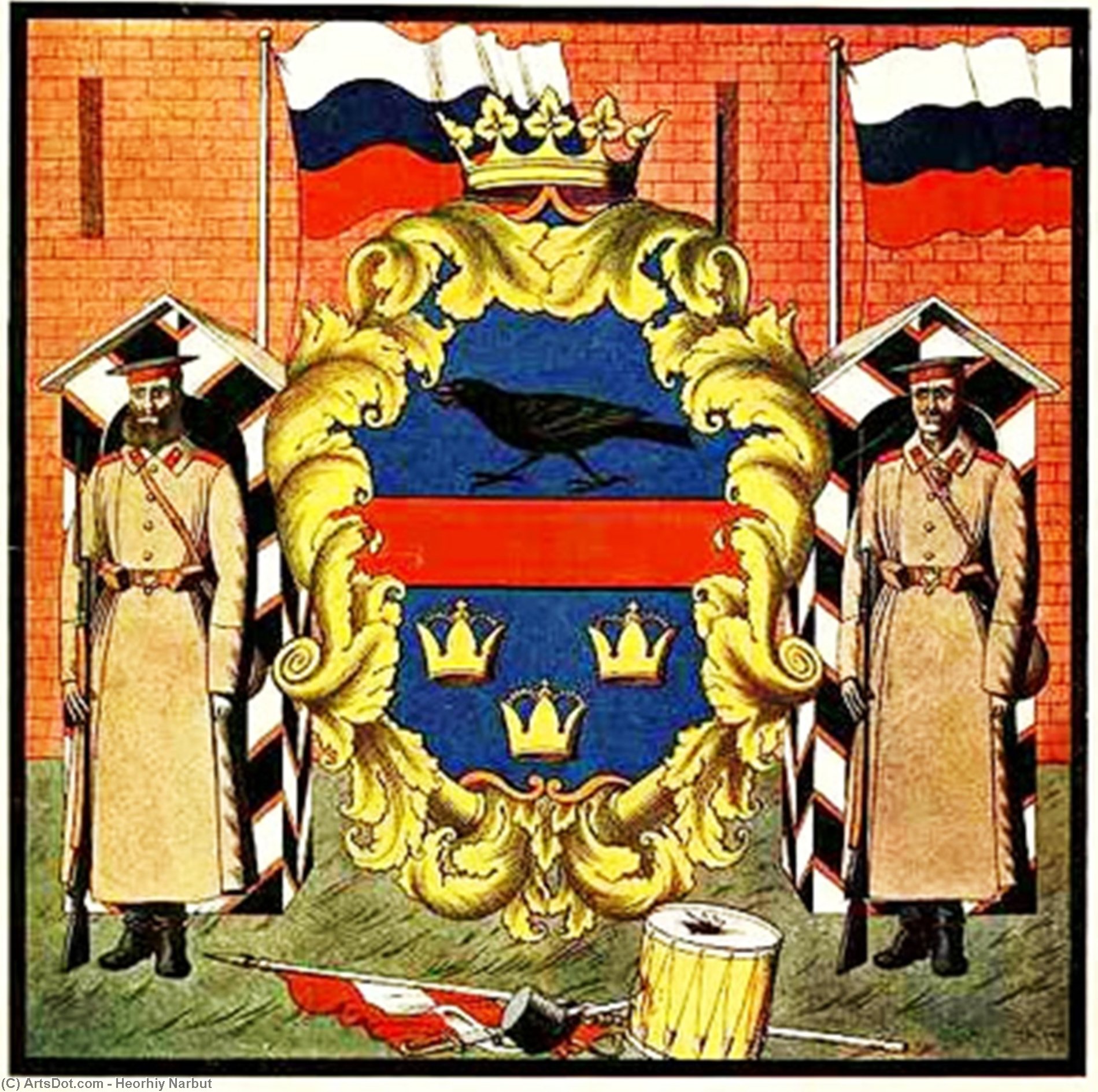
Galicia Governorate coat of arms


 詳細を見る
詳細を見る




P118B $10

P118H $10

P118W $10

P438Z $10

P508JH $12

P508YH $12

P805H $10

P805Z $10

P919BZ $10

P919G $10

P919XJ $10

P959ZH $10

P968JZ $12

W106C $8

W218G $10

W218JH $8

W218Y $10

W307PJ $10

W316G $10

W316PJ $8

W316Y $10

W398PJ $8

W4111J $10

W500HY $15

W500JH $15

W692G $12

W849H $8

W940BG $15

W953PJ $8




作品のオリジナル比率に合わせた、当店の規定サイズからお選びください。

特定のフレームやスペースに合わせて、ご希望のサイズをご入力いただけます。選択されたサイズが元の画像の比率と異なる場合、アートワークをトリミングするか、手描きで要素を追加して絵画を拡張いたします。デジタルモックアップ を制作し、制作開始前にご確認(承認)をいただきます。
画面上のプレビューは、実際のトリミングや拡張を正確に反映しているものではありません。最終的な構図は、モックアップによってのみ正確にご確認いただけます。
カスタムサイズもご利用いただけますが、元の比率を維持するためには、あらかじめ用意されたリストからサイズを選択することをお勧めいたします。
ご注文後、ArtsDot.com チームより詳細な指示をお送りするとともに、仕上がりイメージ(モックアップ)をご提供いたします。


 ガラスオプションは、110cm未満のサイズでのみご利用いただけます。

Galicia Governorate coat of arms
複製技法
複製画のサイズ
-


合計金額
$ 263
A Vision of Sovereignty: The Galicia Governorate Coat of Arms
In the delicate dance between graphic precision and ornamental grandeur, Heorhiy Narbut’s 1914 masterpiece, the Galicia Governorate coat of arms, emerges as a breathtaking testament to the Art Nouveau era. This work is not merely a heraldic design but a profound visual narrative captured through the lens of early 20th-century elegance. The composition unfolds against a deep, regal blue background, a choice that provides a celestial stage for the shimmering gold accents that dance across the canvas. At first glance, the viewer is drawn into an intricate web of symbolism, where flags flutter in the upper periphery and figures stand with a stoic, almost mythic presence, evoking the weight of administrative history and the dignity of the officials who once governed this storied region.
The artistry of Narbut, often hailed as the architect of Ukrainian visual identity, is palpable in every sinuous line and organic curve. As a master of the Art Nouveau movement, Narbut utilized flowing forms to breathe life into static symbols. The coat of arms is crowned with an exquisite central coronet, serving as the focal point of a design that balances complexity with a sophisticated sense of order. His technique seamlessly blends the rigidity required for heraldry with the fluid, rhythmic energy characteristic of his style, creating a piece that feels both ancient and strikingly modern. For the discerning collector, this painting offers more than just decoration; it offers a window into a moment in time when art and national identity were inextricably linked.
Symbolism and the Art of Identity
To gaze upon this work is to engage in a silent dialogue with history. The presence of the three men positioned on the right side of the composition suggests a narrative of leadership and collective responsibility, perhaps representing the governors or high-ranking officials of the Galicia Governorate. Their placement alongside the vibrant flags creates a sense of movement and ceremony, as if one has stumbled upon a frozen moment of a grand state procession. Every element, from the delicate gold filigree to the carefully rendered symbols, serves to reinforce the prestige and the complex heritage of the territory it represents.
For interior designers and lovers of fine art, this piece serves as a magnificent anchor for a room. Its rich palette of navy and gold possesses an inherent luxury that complements both classical and contemporary settings. Whether displayed in a library filled with leather-bound volumes or as a bold statement piece in a modern gallery-style living space, the Galicia Governorate coat of arms commands attention. It invites contemplation on the themes of legacy, authority, and the enduring beauty of graphic design. Owning a high-quality oil painting reproduction of this work allows one to preserve this fragment of Ukrainian artistic triumph, bringing the sophisticated spirit of Narbut’s vision into the private sanctuaries of the modern home.
関連作品
アーティストの略歴
The Architect of Ukrainian Identity
Heorhiy Ivanovych Narbut stands as a monumental figure in the annals of art history, specifically within the realm of graphic design. More than just a craftsman of visual communication, he was arguably Ukraine’s most influential designer of his and subsequent generations, shaping the nation's visual language during its tumultuous quest for independence. Born in 1886 in Narbutivka, near Hlukhiv, Narbut descended from ancient Lithuanian nobility, a heritage that fostered within him a deep appreciation for tradition and historical continuity—influences that would profoundly inform his artistic vision.
His journey was one of both self-discovery and rigorous academic pursuit. While his initial artistic explorations were largely self-taught, he later sought formal training in Saint Petersburg between 1906 and 1917. Under the tutelage of esteemed painters such as Ivan Bilibin and Mikhail Dobuzhinsky, Narbut honed a precision that would become his hallmark. This period also exposed him to the avant-garde currents of Russian art, particularly the Acmeist movement, which emphasized clarity and tangible imagery over the nebulous abstractions of Symbolism. His artistic repertoire was further enriched by a brief but transformative stint in Munich’s School of Simon Hollósy in 1909, where he absorbed the flowing lines, organic forms, and opulent ornamentation characteristic of Art Nouveau.
A Visionary of Graphic Modernism
Narbut's relocation to Kyiv in 1917 coincided with the birth of a new era for the Ukrainian National Republic. It was during these pivotal years that his talent converged with national necessity, allowing him to create a contemporary visual brand for a newly independent state. He became a master of synthesizing diverse styles—blending the decorative elegance of Art Nouveau with the structured dignity of Neoclassim—to forge a unique aesthetic that felt both ancient and modern.
His contributions were not merely aesthetic but foundational to the infrastructure of a nation. His work spanned a breathtaking variety of media, including:
- State Symbols: He is most famously credited with designing the Coat of Arms of Ukraine, a symbol that remains an enduring icon of sovereignty.
- Currency and Commerce: Narbut designed the nation’s first banknotes, such as the 100 karbovanets, and various postage stamps, imbuing everyday objects with high art.
- Typography and Illustration: Through his work on the Ukrainian alphabet album and numerous book illustrations, he brought a sophisticated graphic language to the printed word.
- Periodicals: His striking woodcuts, such as the cover for the magazine Art, showcased his ability to use bold imagery and traditional script to capture the cultural zeitgeist.
Legacy and Enduring Influence
Tragically, Narbut’s life was cut short by typhus in 1920 at the age of only thirty-four. Despite his brief career, the impact of his work was seismic. He did not merely decorate; he constructed a visual identity that provided a sense of permanence and dignity to a nation in flux. His ability to weave folk motifs into sophisticated modern designs ensured that Ukrainian culture could participate in the global modernist dialogue without losing its unique soul.
Today, Narbut is remembered as a brilliant graphic designer of Ukrainian modernism whose influence extends far beyond his lifetime. The precision of his lines and the strength of his compositions continue to inspire designers and historians alike. His legacy lives on in every stamp, banknote, and emblem that carries the unmistakable imprint of his visionary hand, serving as a testament to an artist who truly helped design the face of a nation.
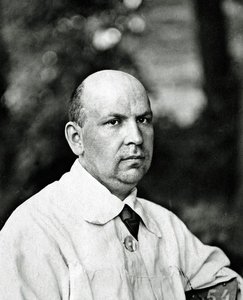
Heorhiy Narbut
1886 - 1920 , Ukraine
基本情報
- Artistic Movement Or Style: Art Nouveau & Neoclassicism
- Artists Or Movements Influenced By This Artist: ['Vladimir Narbut']
- Artists Who Influenced This Artist:
- Ivan Bilibin
- Mstislav Dobuzhinsky
- Date Of Birth: 1886
- Date Of Death: May 23, 1920
- Full Name: Heorhiy Ivanovych Narbut
- Nationality: Ukrainian
- Notable Artworks:
- Galicia Governorate coat of arms
- Family Coat of Arms of Narbut family
- Cover of Volodymyr Narbut's book 'Hallelujah'
- heorhiy narbut
- Place Of Birth: Kharkiv, Ukraine
関連記事
Slate Blue Masterpieces: 10 Iconic Paintings & Timeless Home Decor Ideas
Immerse yourself in the captivating world of slate blue! Explore 10 iconic paintings by Monet, Van Gogh & Renoir. Discover their stories, techniques & find museum-quality art reproductions for your home at .
The Allure of Azure: Exploring the Symbolic & Aesthetic Depths of Blue in Art History
Explore the rich history of blue in art! Discover its symbolism, from ancient pigments to modern masterpieces by Kandinsky & Seurat. Uncover the psychological impact and cultural meanings behind this captivating hue.
Golden Glow: How to Use Metallic Gold Artworks to Elevate Your Home Decor with Timeless Luxury
Discover how to elevate your home with the timeless elegance of metallic gold artworks. From sculptural metal pieces to gilded oil paintings, learn expert interior design tips for integrating luxurious gold accents into your space with sophistication and grace.
The Allure of Gold in Art History: Symbolism, Technique & Cultural Significance
Explore the rich history of gold in art! Discover symbolism, techniques & cultural significance from ancient civilizations to Klimt's masterpieces. Expert insights for collectors at ArtsDot.
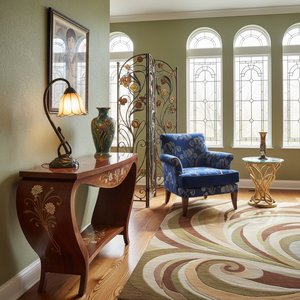
アール・ヌーヴォーを彩る至宝:10の傑作が語る芸術と装飾の世界
アール・ヌーヴォーの魅力を再発見!ムンロ、ドレ、ガウディ…10の傑作が織りなす曲線美の世界。芸術と装飾が融合した至高のアートをArtsDotで堪能し、お部屋に新たな彩りを。コレクションをオンラインで探索しましょう。

