

 プレビュー
プレビュー
 プリントを購入
 シェアする
シェアする シェアする
シェアする
 詳細を見る
詳細を見る

 ダウンロード
 似ている作品
 X線調査
X線調査 スライドショー
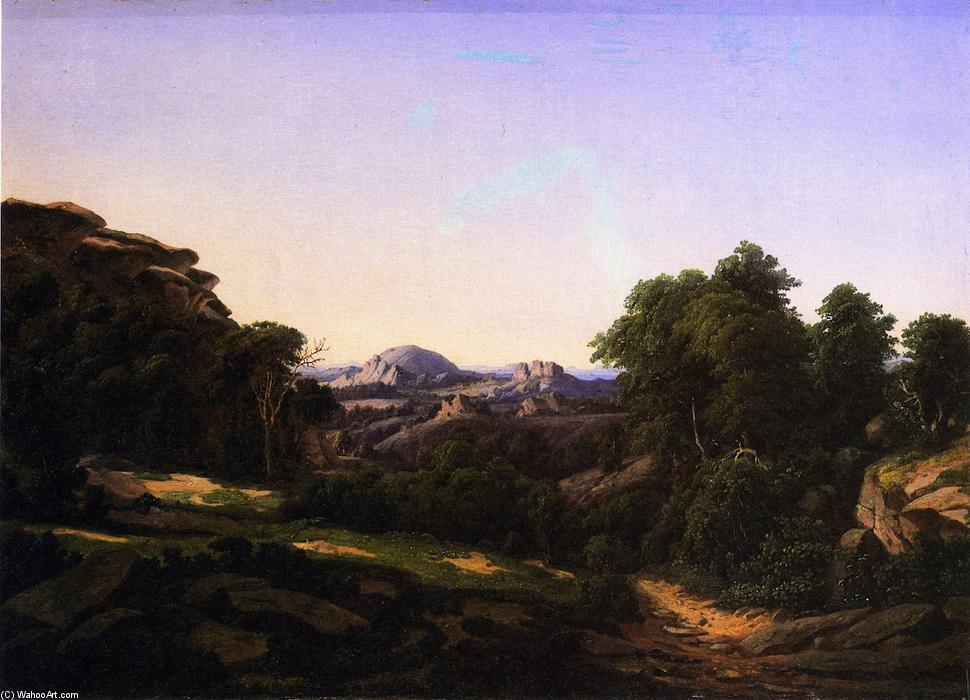
Enchanted Rock near Fredericksburg

 詳細を見る
詳細を見る
オンラインプレビューをはるかに凌ぐ、高解像度で鮮明なデジタル画像をご購入いただけます。
各ファイルは、社内の専門家が高度なツールと熟練した手作業によるレタッチを用いて、細心の注意を払って準備されています。すべての画像において、卓越した鮮明度、正確な色彩再現性、そして繊細なディテールを保証いたします。
最終ファイルは、プロフェッショナルな編集・印刷環境ですぐにご利用いただけるよう最適化された状態で、72時間以内にメールにてお届けいたします。これは、一流のデザインスタジオ、出版社、ギャラリーから信頼されているものと同等の品質です。
デジタル画像のご注文に付随する特典
高品質なデジタル画像配信を、確かな品質で。
ArtsDot.com を選ぶことは、単に画像を手に入れることではありません。それは、プロの手によって精密に仕上げられ、満足保証が付いた高品質なデジタルアートワークを受け取ることを意味します。ご注文いただいた際に自動的に付随する内容は、以下の通りです:

メールですぐにお届け
ご注文から72時間以内に、高解像度のデジタル画像ファイルがメールでお手元に届きます。すぐにそのままご利用いただけます。

AI技術で最適化されたデジタルファイル
お客様の作品は、高度なAIツールと専門家による手作業の編集を組み合わせてプロフェッショナルに最適化されており、細部のディテール、鮮明さ、そして正確な色再現性を最大限に引き出しています。

一生涯無料の再送サービス
ファイルを誤って削除したり、紛失してしまったりしましたか?ご安心ください。いつでも無料で再送いたします。

輸入手数料は一切かかりません
関税や手数料、配送料を気にすることなく、お気に入りのアートワークをすぐにお楽しみいただけます。デジタルダウンロードは常に免税です。

色彩再現の保証
プロ仕様のツールとカラーマネジメント技術を用いることで、デジタル画像が元の色を最大限に忠実に再現することを保証いたします。

60日間満足保証
ご購入いただいたデジタル画像にご満足いただけない場合は、60日以内であれば、修正または100%の返金(理由を問う必要はありません)をさせていただきます。

100% 返金保証
ご満足いただけない場合は、デジタルファイルを受け取ってから60日以内であれば、理由を問わず全額返金いたします。

まとめ買い割引
3枚購入で10%OFF - 5枚購入で15%OFF - 10枚以上購入で20%OFF。クリエイティブなプロジェクト、ギャラリー、エージェンシーに最適です。
関連作品
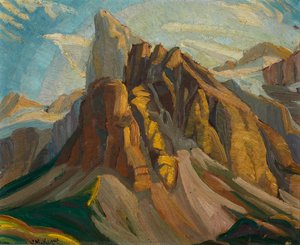
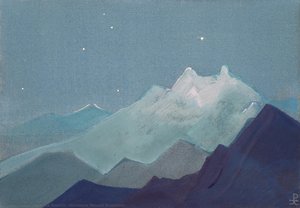
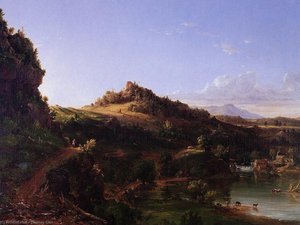
作家の略歴
Early Life and Artistic Beginnings
Herman Lungkwitz, born in Halberstadt, Germany, in 1813, emerged from a period of significant artistic transition. The echoes of Romanticism still resonated, yet the seeds of Realism were beginning to sprout across Europe. While detailed biographical information remains scarce—a common fate for artists operating outside the most prominent circles—we can piece together a portrait of a dedicated painter who navigated these shifting currents with quiet determination. His early training likely occurred within the established academic traditions of his region, focusing on meticulous draftsmanship and classical subject matter. However, Lungkwitz’s artistic path would soon diverge from strict adherence to convention. He wasn't driven by grand historical narratives or mythological allegories; instead, he found inspiration in the everyday lives of people around him, particularly those engaged in rural occupations. This focus suggests an early inclination towards genre painting—a style that celebrated scenes of common life—and a sensitivity to the dignity and beauty inherent in ordinary labor.A Focus on Rural Life and Genre Painting
Lungkwitz’s oeuvre is characterized by its intimate depictions of German peasant life during the 19th century. He wasn't merely documenting these scenes; he was imbuing them with a sense of warmth, authenticity, and subtle psychological depth. His paintings often feature farmers tending their fields, families gathered around simple meals, or individuals engaged in traditional crafts. The compositions are typically balanced and harmonious, reflecting a careful study of light and shadow to create a realistic yet inviting atmosphere. What sets Lungkwitz apart is his ability to capture the character of his subjects—their weathered faces, calloused hands, and quiet resilience. He avoids romanticizing rural existence; instead, he presents it with honesty and respect, acknowledging both its hardships and its inherent beauty. His palette tends towards earthy tones – ochres, browns, and greens – further reinforcing the connection to the land and the natural world. While not widely celebrated during his lifetime, Lungkwitz’s work offers a valuable glimpse into the social fabric of 19th-century Germany, providing a counterpoint to more idealized or dramatic representations of the era.Influences and Artistic Development
Pinpointing specific artistic influences on Lungkwitz is challenging due to limited documentation. However, it’s reasonable to assume exposure to the work of Dutch Golden Age genre painters like Johannes Vermeer and Pieter de Hooch. Their mastery of light, composition, and interior scenes likely served as a source of inspiration for his own meticulous approach. The Biedermeier movement, prevalent in Germany during Lungkwitz's active period, also exerted a subtle influence. This style emphasized domesticity, simplicity, and a focus on personal experience—values that resonate strongly within his paintings. As the 19th century progressed, Lungkwitz may have been aware of the emerging Realist movement led by artists like Gustave Courbet and Jean-François Millet. While he didn’t fully embrace their radical social commentary, he shared their commitment to depicting everyday life with honesty and accuracy. His development can be seen as a gradual refinement of his technique—a growing confidence in capturing nuanced expressions and conveying the emotional weight of ordinary moments.Legacy and Historical Significance
Herman Lungkwitz passed away in 1891, leaving behind a body of work that continues to captivate viewers with its quiet beauty and authenticity. Although he didn’t achieve widespread fame during his lifetime, his paintings have gained recognition in recent years as valuable historical documents and compelling examples of 19th-century genre painting.- His works offer a unique perspective on German rural life—a glimpse into the daily routines, social structures, and emotional lives of ordinary people.
- Lungkwitz’s meticulous technique and sensitive portrayal of his subjects demonstrate a deep respect for human dignity and the beauty inherent in everyday labor.
- His paintings serve as a counterpoint to more idealized or dramatic representations of 19th-century Germany, providing a nuanced and realistic view of the era.
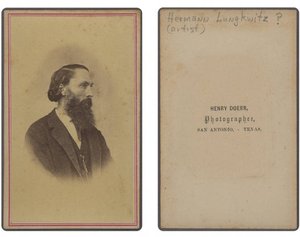
herman lungkwitz
1813 - 1891

