

 プレビュー
プレビュー
 プリントを購入
 シェアする
シェアする シェアする
シェアする
 詳細を見る
詳細を見る

 ダウンロード
 似ている作品
 X線調査
X線調査 スライドショー
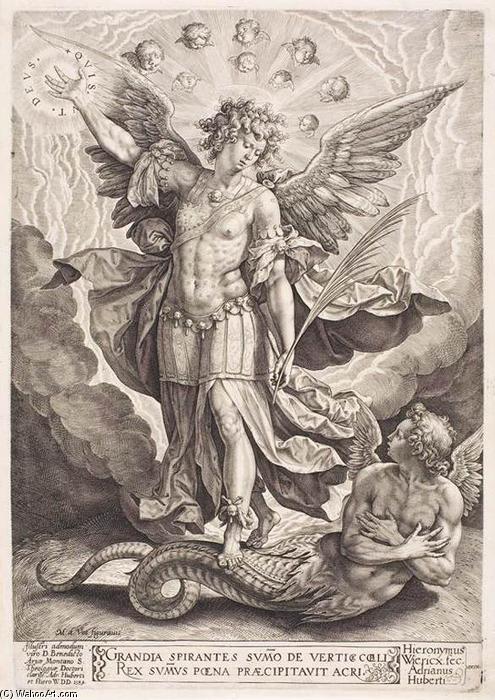
St Michael Slaying the Dragon
 Acrylic On Canvas
- WallArt
- Baroque
 1584
1584 300.0 x 214.0 cm
 Art Institute of Chicago
 詳細を見る
詳細を見る




P118B $10

P118H $10

P118W $10

P438Z $10

P508JH $12

P508YH $12

P805H $10

P805Z $10

P919BZ $10

P919G $10

P919XJ $10

P959ZH $10

P968JZ $12

W106C $8

W218G $10

W218JH $8

W218Y $10

W307PJ $10

W316G $10

W316PJ $8

W316Y $10

W398PJ $8

W4111J $10

W500HY $15

W500JH $15

W692G $12

W849H $8

W940BG $15

W953PJ $8




作品のオリジナル比率に合わせた、当店の規定サイズからお選びください。

特定のフレームやスペースに合わせて、ご希望のサイズをご入力いただけます。選択されたサイズが元の画像の比率と異なる場合、アートワークをトリミングするか、手描きで要素を追加して絵画を拡張いたします。デジタルモックアップ を制作し、制作開始前にご確認(承認)をいただきます。
画面上のプレビューは、実際のトリミングや拡張を正確に反映しているものではありません。最終的な構図は、モックアップによってのみ正確にご確認いただけます。
カスタムサイズもご利用いただけますが、元の比率を維持するためには、あらかじめ用意されたリストからサイズを選択することをお勧めいたします。
ご注文後、ArtsDot.com チームより詳細な指示をお送りするとともに、仕上がりイメージ(モックアップ)をご提供いたします。


 ガラスオプションは、110cm未満のサイズでのみご利用いただけます。

St Michael Slaying the Dragon
複製技法
複製画のサイズ
-


合計金額
$ 263
作品解説
A Baroque Masterpiece: Unveiling Hieronymus Wierix’s “St Michael Slaying the Dragon”
Hieronymus Wierix's "St Michael Slaying the Dragon," created in 1584, is more than just a depiction of an iconic biblical scene; it’s a profound meditation on faith, struggle, and divine victory rendered with breathtaking technical skill and imbued with the dramatic intensity characteristic of the late Northern Renaissance and early Baroque periods. This engraving, now meticulously reproduced for art lovers worldwide, offers a captivating glimpse into a pivotal moment in Christian theology – the archangel Michael's triumphant battle against Satan, a narrative that resonates powerfully across centuries.
The scene unfolds within a swirling vortex of clouds and celestial light, immediately establishing an atmosphere of dynamic tension. At the heart of the composition stands St Michael, his posture radiating authority and righteous fury as he wields his sword, poised to strike down the colossal serpent representing Satan. The dragon itself is not merely a monstrous beast but a complex symbol – a representation of temptation, evil, and the forces arrayed against God’s will. Below Michael lies the prone figure of Adam, symbolizing humanity's fallen state, awaiting salvation. The inclusion of this detail elevates the work beyond a simple allegory; it speaks to the very origins of sin and the promise of redemption.
Technique and Craftsmanship: A Testament to Wierix’s Mastery
Wierix's reputation as one of the foremost engravers of his time rests firmly on his unparalleled ability to capture detail, texture, and movement within the confines of a single plate. This engraving is a testament to that skill. The meticulous hatching and cross-hatching techniques employed create an astonishingly realistic portrayal of the dragon’s scales, the flowing drapery of Michael's robes, and even the subtle nuances of light and shadow across Adam’s body. The artist masterfully utilizes line weight to emphasize key elements – the sharp edge of Michael’s sword, the sinuous curves of the serpent, and the radiant glow emanating from the central orb of light.
The process itself was incredibly demanding. Wierix began by creating a copper plate using a burin (a type of engraving tool), meticulously etching lines to create the image. This plate was then inked and pressed onto paper, resulting in the final print. The precision required for this technique is astounding, particularly considering that Wierix produced hundreds of engravings throughout his career. The reproduction process faithfully captures the subtle variations in tone and texture achieved by the original artist, ensuring a remarkably authentic experience.
Historical Context: Reformation and Religious Symbolism
“St Michael Slaying the Dragon” was created during a period of intense religious upheaval in Europe – the late 16th century, marked by the Protestant Reformation and the Counter-Reformation. Wierix, a devout Catholic, used his art to reinforce the authority of the Church and promote its teachings. The image’s symbolism is deeply rooted in Christian theology, specifically referencing Revelation 12:7-9, which depicts Michael's victory over Satan. The engraving served as a powerful visual reminder of God’s protection and the triumph of good over evil – a message particularly relevant during a time of religious conflict.
Furthermore, Wierix’s work reflects the broader artistic trends of the Baroque period, characterized by dramatic lighting, dynamic compositions, and an emphasis on emotional intensity. His engravings were widely circulated throughout Europe, contributing to the dissemination of Renaissance and Baroque art among a broad audience. The piece's enduring appeal lies in its ability to convey complex theological ideas through a visually arresting and emotionally resonant image.
A Timeless Icon: Bringing Wierix’s Vision Home
Today, “St Michael Slaying the Dragon” is available as a stunning reproduction, offering art enthusiasts a chance to experience the artistry of Hieronymus Wierix in their own homes. Whether displayed on a wall or incorporated into an interior design scheme, this engraving serves as a powerful reminder of faith, courage, and the enduring struggle between good and evil. Its rich detail and dramatic composition make it a captivating addition to any collection, while its historical significance provides a deeper appreciation for the artistic and religious context in which it was created.
関連作品


関連記事
ヒエロニムス・ボッシュ傑作25選:幻想と寓意の世界 | ArtsDot
ヒエロニムス・ボッシュの傑作25選。中世絵画の幻想的な世界を巡り、寓意と象徴に満ちた作品群を紐解きます。ArtsDotで高品質な油絵複製やアートプリントをお楽しみください。ボッシュの色彩とテーマをあなたの空間に。今すぐコレクションをご覧ください。
Engraving: A Historical Survey of Technique, Artistic Expression & Enduring Legacy
Explore the rich history of engraving with ArtsDot. Discover techniques, iconic artists like Dürer & Callot, collecting tips, and expert guidance for preserving your art investment. Learn about intaglio printing & more!
Engraving's Golden Age: 10 Masterpieces That Redefined Art | ArtsDot
Journey through art history with our Top 10 Legendary Engravings! Explore masterpieces by Dürer, Rembrandt & Goya. Discover the stories behind these iconic prints and find museum-quality reproductions for your home at ArtsDot.com.

The Intricate World of Engraving: A Historical Survey of Technique, Artistic Expression & Enduring Legacy
Explore the rich history of engraving with ArtsDot. Discover techniques, iconic artists like Dürer & Callot, collecting tips, and expert guidance for preserving your art investment. Learn about intaglio printing & more!

Giclée Prints: Archival Quality & Aesthetic Nuances for the Discerning Collector
Explore the world of giclée prints with ArtsDot. Learn about archival quality, aesthetic nuances & investment potential. Expert guidance for discerning art collectors seeking museum-quality reproductions and lasting value.

