

 プレビュー
プレビュー
 プリントを購入
 シェアする
シェアする シェアする
シェアする
 詳細を見る
詳細を見る

 ダウンロード
 似ている作品
 X線調査
X線調査 スライドショー
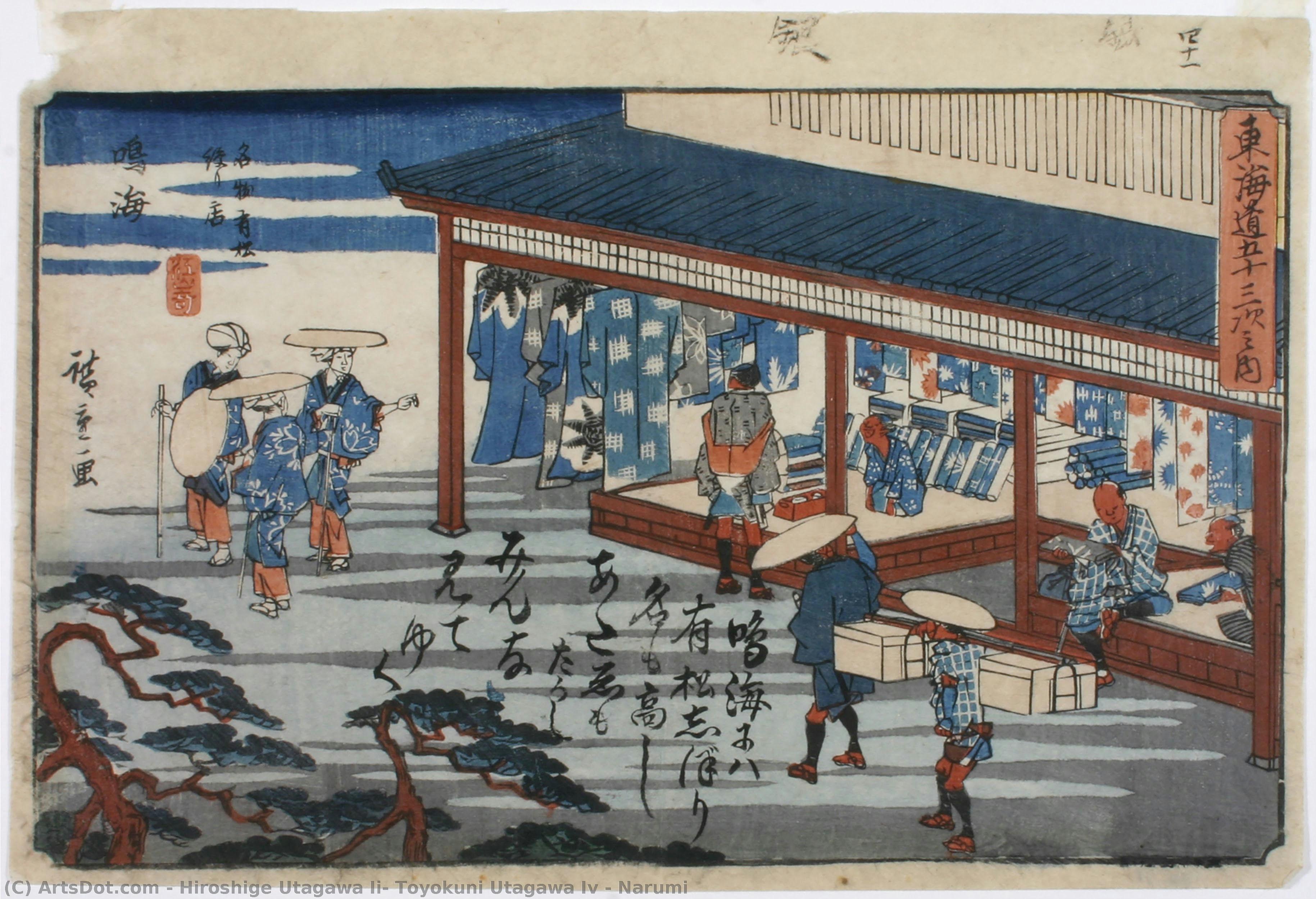
Narumi


 詳細を見る
詳細を見る
オンラインプレビューをはるかに凌ぐ、高解像度で鮮明なデジタル画像をご購入いただけます。
各ファイルは、社内の専門家が高度なツールと熟練した手作業によるレタッチを用いて、細心の注意を払って準備されています。すべての画像において、卓越した鮮明度、正確な色彩再現性、そして繊細なディテールを保証いたします。
最終ファイルは、プロフェッショナルな編集・印刷環境ですぐにご利用いただけるよう最適化された状態で、72時間以内にメールにてお届けいたします。これは、一流のデザインスタジオ、出版社、ギャラリーから信頼されているものと同等の品質です。
デジタル画像のご注文に付随する特典
高品質なデジタル画像配信を、確かな品質で。
ArtsDot.com を選ぶことは、単に画像を手に入れることではありません。それは、プロの手によって精密に仕上げられ、満足保証が付いた高品質なデジタルアートワークを受け取ることを意味します。ご注文いただいた際に自動的に付随する内容は、以下の通りです:

メールですぐにお届け
ご注文から72時間以内に、高解像度のデジタル画像ファイルがメールでお手元に届きます。すぐにそのままご利用いただけます。

AI技術で最適化されたデジタルファイル
お客様の作品は、高度なAIツールと専門家による手作業の編集を組み合わせてプロフェッショナルに最適化されており、細部のディテール、鮮明さ、そして正確な色再現性を最大限に引き出しています。

一生涯無料の再送サービス
ファイルを誤って削除したり、紛失してしまったりしましたか?ご安心ください。いつでも無料で再送いたします。

輸入手数料は一切かかりません
関税や手数料、配送料を気にすることなく、お気に入りのアートワークをすぐにお楽しみいただけます。デジタルダウンロードは常に免税です。

色彩再現の保証
プロ仕様のツールとカラーマネジメント技術を用いることで、デジタル画像が元の色を最大限に忠実に再現することを保証いたします。

60日間満足保証
ご購入いただいたデジタル画像にご満足いただけない場合は、60日以内であれば、修正または100%の返金(理由を問う必要はありません)をさせていただきます。

100% 返金保証
ご満足いただけない場合は、デジタルファイルを受け取ってから60日以内であれば、理由を問わず全額返金いたします。

まとめ買い割引
3枚購入で10%OFF - 5枚購入で15%OFF - 10枚以上購入で20%OFF。クリエイティブなプロジェクト、ギャラリー、エージェンシーに最適です。
作品の詳細
関連作品
作家の略歴
Hiroshige Utagawa II and Toyokuni Utagawa IV: Masters of Edo Landscape
Hiroshige Utagawa II (1797 – 1858), alongside his collaborator Toyokuni Utagawa IV, stands as a pivotal figure in the history of Japanese art and printmaking—specifically, ukiyo-e. Their partnership revolutionized the genre, elevating it from mere decorative illustration to a powerful medium for conveying emotion and capturing the essence of Edo period Japan (1603–1868). Together they produced an unparalleled body of work that continues to inspire artists and captivate audiences worldwide.- Early Life & Training: Hiroshige’s birth name was Andō Tokutarō, born in Edo (modern Tokyo) into a family involved in textiles. Recognizing his artistic talent early on, he apprenticed under Katsushika Hokusai, arguably the most celebrated ukiyo-e artist of his time—a relationship that profoundly shaped Hiroshige’s aesthetic sensibilities and technical approach.
- The Utagawa School & Collaborative Spirit: Hiroshige joined the influential Utagawa school, established by Katsushika Mokuhōsai, where he honed his skills alongside Toyokuni IV. This collaborative environment fostered innovation and resulted in a distinctive visual style characterized by meticulous detail and atmospheric perspective—a hallmark of Edo-era landscape prints.
A Vision of Tranquility: Hiroshige’s Landscape Prints – The Tokaido Series
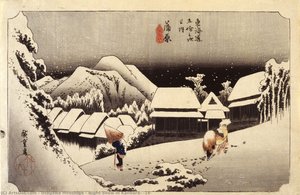
Hiroshige's fame rests largely upon his monumental Tokaido series (1830–1832), a meticulously planned depiction of the 67 stations along Japan’s ancient pilgrimage route from Edo to Kyoto. This ambitious undertaking demanded exceptional artistic skill and logistical organization, cementing Hiroshige’s reputation as a visionary artist who could transform ordinary scenes into sublime expressions of beauty. The series is renowned for its masterful use of atmospheric perspective—a technique pioneered by Hokusai—creating an illusion of depth that transports viewers directly into the landscapes depicted.Toyokuni IV: Capturing the Drama of Kabuki
While Hiroshige excelled at portraying serene landscapes, Toyokuni IV focused his artistic energies on kabuki theater prints—ukiyo-e depictions of performances that captivated audiences throughout Edo Japan. Unlike Hiroshige’s contemplative approach, Toyokuni IV sought to convey the dynamism and excitement of the stage, capturing fleeting expressions and dramatic poses with remarkable precision.Historical Significance & Enduring Appeal
Hiroshige Utagawa II and Toyokuni Utagawa IV's contribution to ukiyo-e transcends mere artistic achievement; they embodied the spirit of Edo Japan—a period marked by social stability, economic prosperity, and a burgeoning appreciation for beauty. Their prints offer invaluable insights into Japanese culture, society, and worldview during this transformative era.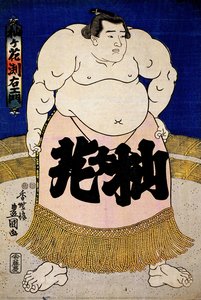
プロフィール概要
- Artistic Movement Or Style: Ukiyo-e
- Artists Or Movements Influenced By This Artist: ['Japanese Landscape Painting']
- Artists Who Influenced This Artist: ['Utagawa Hiroshige I']
- Date Of Death: October 12, 1858
- Full Name: Hiroshige Utagawa II
- Nationality: Japanese
- Notable Artworks:
- Tokaido Series
- Yotsugi-dori Canal
- Place Of Birth: Andō Tokutarō, Edo, Japan

