

 プレビュー
プレビュー
 プリントを購入
 シェアする
シェアする シェアする
シェアする
 詳細を見る
詳細を見る

 ダウンロード
 似ている作品
 X線調査
X線調査 スライドショー
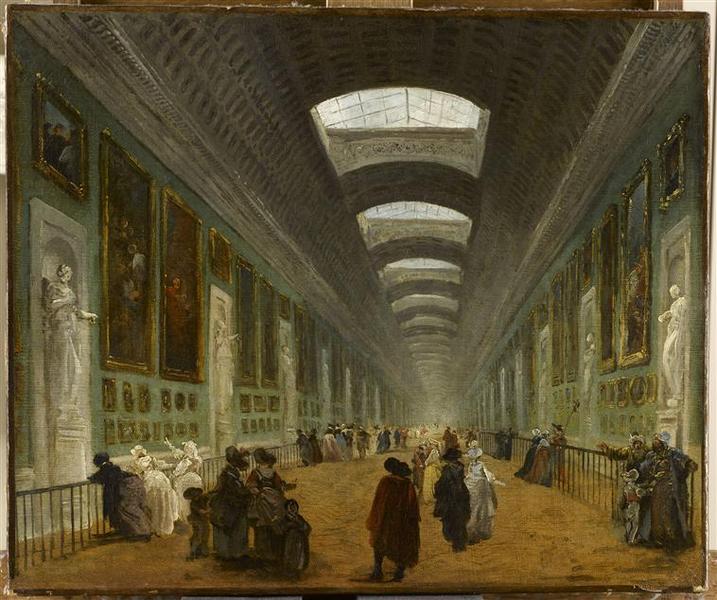
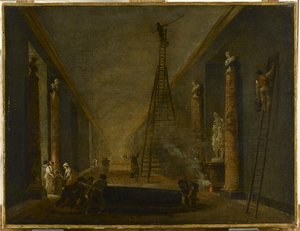
PROJET D'AMENAGEMENT DE LA GRANDE GALERIE DU LOUVRE


 詳細を見る
詳細を見る
オンラインプレビューをはるかに凌ぐ、高解像度で鮮明なデジタル画像をご購入いただけます。
各ファイルは、社内の専門家が高度なツールと熟練した手作業によるレタッチを用いて、細心の注意を払って準備されています。すべての画像において、卓越した鮮明度、正確な色彩再現性、そして繊細なディテールを保証いたします。
最終ファイルは、プロフェッショナルな編集・印刷環境ですぐにご利用いただけるよう最適化された状態で、72時間以内にメールにてお届けいたします。これは、一流のデザインスタジオ、出版社、ギャラリーから信頼されているものと同等の品質です。
デジタル画像のご注文に付随する特典
高品質なデジタル画像配信を、確かな品質で。
ArtsDot.com を選ぶことは、単に画像を手に入れることではありません。それは、プロの手によって精密に仕上げられ、満足保証が付いた高品質なデジタルアートワークを受け取ることを意味します。ご注文いただいた際に自動的に付随する内容は、以下の通りです:

メールですぐにお届け
ご注文から72時間以内に、高解像度のデジタル画像ファイルがメールでお手元に届きます。すぐにそのままご利用いただけます。

AI技術で最適化されたデジタルファイル
お客様の作品は、高度なAIツールと専門家による手作業の編集を組み合わせてプロフェッショナルに最適化されており、細部のディテール、鮮明さ、そして正確な色再現性を最大限に引き出しています。

一生涯無料の再送サービス
ファイルを誤って削除したり、紛失してしまったりしましたか?ご安心ください。いつでも無料で再送いたします。

輸入手数料は一切かかりません
関税や手数料、配送料を気にすることなく、お気に入りのアートワークをすぐにお楽しみいただけます。デジタルダウンロードは常に免税です。

色彩再現の保証
プロ仕様のツールとカラーマネジメント技術を用いることで、デジタル画像が元の色を最大限に忠実に再現することを保証いたします。

60日間満足保証
ご購入いただいたデジタル画像にご満足いただけない場合は、60日以内であれば、修正または100%の返金(理由を問う必要はありません)をさせていただきます。

100% 返金保証
ご満足いただけない場合は、デジタルファイルを受け取ってから60日以内であれば、理由を問わず全額返金いたします。

まとめ買い割引
3枚購入で10%OFF - 5枚購入で15%OFF - 10枚以上購入で20%OFF。クリエイティブなプロジェクト、ギャラリー、エージェンシーに最適です。
A Glimpse into a Parisian Dream: Hubert Robert's Vision of the Louvre
Hubert Robert’s “Projet d’aménagement de la Grande Galerie du Louvre,” a captivating oil on canvas, isn’t merely a depiction of a museum; it’s a meticulously crafted vision of an idealized Parisian space. Painted in 1796, during a period of profound transformation for France – the tumultuous years following the Revolution and the nascent ambition to establish a grand national museum – Robert offers us a glimpse into a future imagined through the lens of Romanticism. The painting captures not just the physical structure of the Louvre’s burgeoning Grande Galerie, but also an atmosphere brimming with intellectual curiosity, artistic appreciation, and the quiet contemplation afforded by encountering great art.
Robert, a master of landscapes and “ruins” – a genre that skillfully blended observation with imaginative embellishment – was deeply fascinated by the interplay of light, shadow, and decay. He wasn’t simply documenting the physical reality of the Louvre; he was constructing an *ideal* Louvre, one infused with a sense of grandeur and accessibility. The composition is carefully orchestrated: a meandering path guides the viewer's eye through the vast hall, punctuated by strategically placed chairs inviting visitors to pause and absorb the beauty before them. Notice how Robert utilizes perspective—a subtle recession into the distance—to create an illusion of immense scale, drawing the viewer deeper into this meticulously planned space.
The Context of a Revolutionary Transformation
Understanding the historical context is crucial to appreciating Robert’s work. The Grande Galerie was conceived as part of a broader project to transform the Louvre Palace from a royal residence into a public museum, a bold move reflecting the ideals of the Enlightenment and the revolutionary spirit of the time. The painting itself emerged during a period of intense debate about how best to present this new institution to the public. Robert’s “Projet d’aménagement” wasn't just a sketch; it was a proposal, a visual argument for an open, inviting space where art could be experienced by all. The inclusion of visitors – some carrying backpacks, suggesting a burgeoning tourist culture – further emphasizes this democratization of access to art.
The painting’s creation coincided with the appointment of Robert as Keeper of the King's Paintings in 1784 and his subsequent involvement in planning the gallery. He meticulously studied the layout, envisioning how artworks would be displayed and experienced. His detailed drawings and watercolors reveal a deep understanding of architectural principles and an acute awareness of light’s transformative power. The painting is thus not simply a record of a building; it's a testament to Robert’s artistic vision and his role in shaping the Louvre’s identity as a public institution.
Romanticism, Ruin, and the Illusion of Light
Robert’s style is distinctly Romantic. He eschews the rigid formality of Neoclassicism, favoring instead a looser brushstroke and an emphasis on atmosphere and emotion. The use of light is particularly noteworthy – it's not merely illuminating the artworks but also creating a sense of mystery and drama within the gallery. Robert masterfully employs chiaroscuro—the dramatic contrast between light and dark—to highlight specific paintings and create a dynamic interplay of shadows, adding depth and visual interest to the scene. The suggestion of overhead lighting, hinted at in the architectural details, speaks to an innovative approach to museum design that prioritized natural illumination.
Furthermore, Robert’s fascination with “ruins” – though not literal ruins in this case – is evident in his treatment of space and perspective. He creates a sense of infinite depth, inviting the viewer to lose themselves within the gallery's vastness. The painting ultimately evokes a feeling of wonder and aspiration, reflecting the Romantic ideal of escaping the mundane and embracing the sublime beauty of art and nature. It’s a testament to Robert’s ability to capture not just a physical space but also the emotional resonance of encountering great art.
関連作品
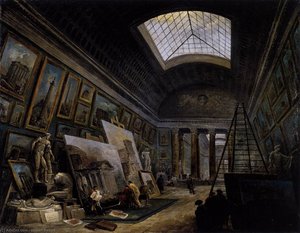
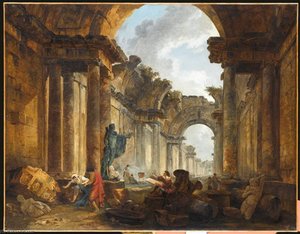
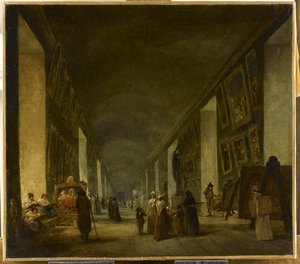
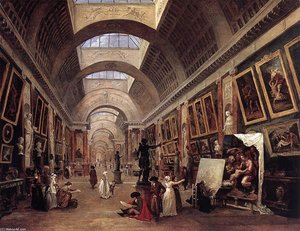
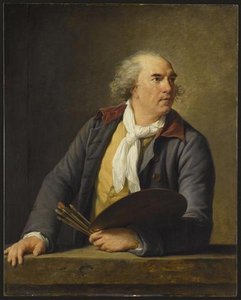
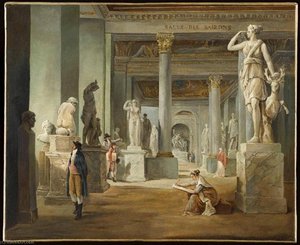
作家の略歴
ルネサンスの夢想家:ユベール・ロベールの世界
ユベール・ロベール(1733年生まれ)は、魅惑的な風景画と遺跡へのロマンチックな憧憬を象徴する画家であり、18世紀フランス美術において独特の位置を占めています。パリに生まれた彼は、華麗なロココ様式から新古典主義の夜明け、そして激動のフランス革命へと移り変わる時代の中で生きました。彼は単なる遺跡の記録者ではありませんでした。観察と想像力を融合させ、過去への郷愁と未来への期待を呼び起こすビジョンを創造したのです。彼の芸術的旅は、彫刻家ミシェル=アンジュ・スロッツの下での厳格な訓練から始まりました。スロッツはロベールの才能を見抜きながらも、光、雰囲気、そして形式の繊細な詩を捉えることが彼の真の天職であると直感し、彼を絵画へと導きました。ローマの幻想:芸術的アイデンティティの形成
ロベールの芸術的発展における重要な転換点は、1754年にエティエンヌ=フランソワ・ドゥ・ショワゼルに同行してローマへ長期滞在したことです。彼は歴史と建築的な壮大さに満ちた世界に没頭しました。11年間、古代都市は彼の野外スタジオとなり、崩れかけた神殿、雄大なアーチ、そして生い茂る庭園が彼の想像力を刺激しました。これは単なる見たものを再現する行為ではありませんでした。解釈し、再構築し、メランコリックな美しさで満たすことだったのです。彼はジョヴァンニ・パオロ・パンニニと共に働き、その影響はロベールの初期の *capriccio* 作品に見られます。これらの作品は、古典的な遺跡と現代生活を組み合わせた幻想的な風景画です。しかし、ロベールは模倣を超え、緻密な描写、大気遠近法、そして光と影の微妙なニュアンスに対する深い感受性を特徴とする独自のスタイルを発展させました。彼は単に遺跡を描いていたのではなく、時間そのものを描き出していたのです。儚さの美しさと記憶の永続的な力を捉えていたのです。この時期の彼のスケッチブックは、ヴィラ・デステやカプラローラのローマのランドマークの研究で満たされ、建築的なニュアンスと風景構成に対する鋭い観察眼を示しています。パリでの名声と王室の庇護
1765年にロベールがパリに帰還したことは、彼のキャリアにおける転換点となりました。彼は芸術界内で急速に認められ、「古代および現代のさまざまな建造物で飾られたローマ港」をアカデミー・ロワイヤル・ド・ペーントゥール・エ・スカルプチュールの会員に選出されました。その後のサロンでの展覧会は、遺跡や風光明媚な風景を描いた作品で観客を魅了し、広く賞賛されました。啓蒙主義の著名な人物であるデニ・ディドローは、ロベールの絵画が喚起する壮大さを称賛し、彼が鑑賞者を別の時空へと誘う能力を認めました。この成功により王室からの庇護を受け、装飾プロジェクトの依頼や「国王庭園設計者」、そして後に「国王コレクション管理者」という地位を得ました。彼はイゼルの絵画だけでなく、革新的な庭園デザインや宮殿の内装にも求められるアーティストとなりました。彼の作品は、歴史、考古学、そして風光明媚な風景に魅了されたコレクターを惹きつける *capriccio* 絵画の流行と共鳴しましたが、ロベールはそれを独自の感性で昇華させ、単なる装飾芸術を超越しました。革命、不屈の精神、そして永続的な遺産
フランス革命はロベールにとって前例のない挑戦をもたらしました。多くのアーティストが激動する政治情勢の中で苦労する中、彼は変化の流れに翻弄されました。恐怖政治の時代には投獄され、その経験から一連の監獄生活を描いたスケッチを制作することさえありました。しかし、彼はこの時期を通して精力的に絵画を続け、芸術への揺るぎない献身を示しました。革命後、ロベールは新たに設立されたMuséum Central des Arts(後のルーブル美術館)のキュレーターに任命され、彼の専門知識と文化遺産の保護に対する献身が認められたのです。彼は博物館コレクションの整理とカタログ作成において重要な役割を果たし、フランスの芸術的宝物を次世代のために確保しました。ユベール・ロベールは1808年にパリで亡くなり、畏敬の念と賞賛を呼び起こす並外れた作品群を残しました。彼の遺産は技術的な習熟だけでなく、歴史的な正確さと想像力豊かなビジョンを融合させる比類のない能力にあります。彼はロココ様式と新古典主義様式を結びつけ、歴史への関心と想像力によってロマン主義の側面を予見し、重要な人物としての地位を確立しました。- 主な影響: ジョヴァンニ・パオロ・パンニニ、ピラネージ、ローマの建築的な風景。
- 主要なテーマ: 遺跡、風景、*capriccio* 絵画、歴史的記憶、時間の経過。
- 芸術的スタイル: 緻密な描写、大気遠近法、喚起的な照明、観察と想像力の融合。
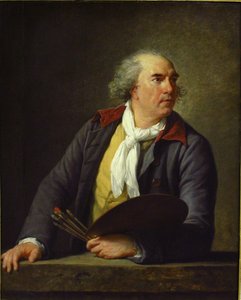
ユベール・ロベール
1733 - 1808 , フランス
プロフィール概要
- Artistic Movement Or Style: ロマン主義、新古典主義
- Artists Or Movements Influenced By This Artist: ['ロマン主義']
- Artists Who Influenced This Artist:
- ジョヴァンニ・パニーニ
- ピラネージ
- Date Of Birth: 1733年5月22日
- Date Of Death: 1808年4月15日
- Full Name: ユベール・ロベール
- Nationality: フランス人
- Notable Artworks (List Of Titles):
- ローマの港
- ガラテアの飛行
- ルーブル美術館
- Place Of Birth (City And Country): フランス、パリ

