

 プレビュー
プレビュー
 シェアする
シェアする シェアする
シェアする
 詳細を見る
詳細を見る

 ダウンロード
 似ている作品
 X線調査
X線調査 スライドショー
 統計情報
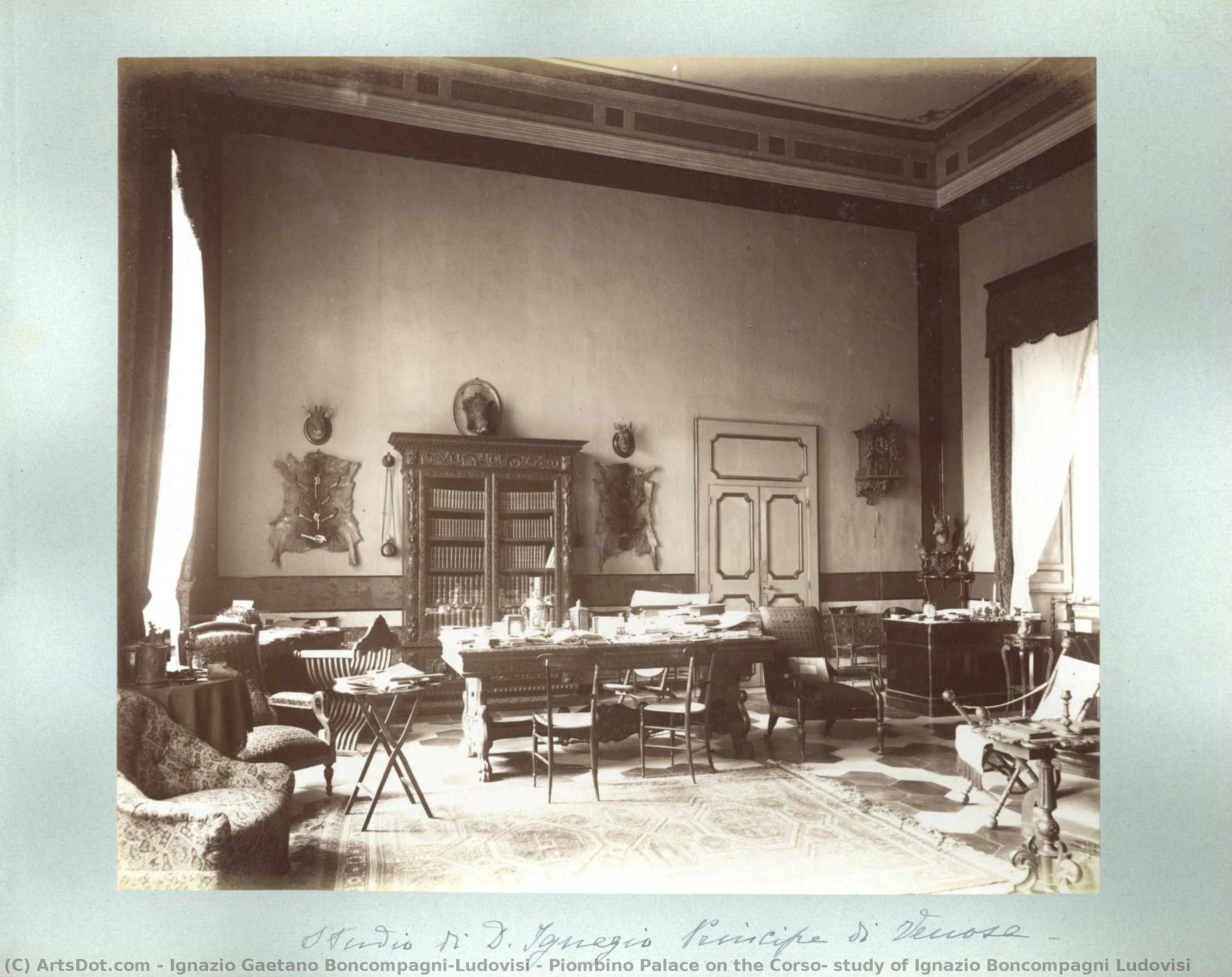
統計情報Piombino Palace on the Corso: study of Ignazio Boncompagni Ludovisi

 詳細を見る
詳細を見る
ジークレー/アートプリント
迅速な制作と多彩な仕上げオプションを備えた、ミュージアムクオリティのジークレーまたはキャンバスプリント。 ( 手描きの絵画を購入 デジタル画像販売へ切り替え)




































作品のオリジナル比率に合わせた、当店の規定サイズからお選びください。

特定のフレームやスペースに合わせて、ご自身でサイズを指定することも可能です。選択されたサイズが元の画像の比率と一致しない場合、作品をトリミングするか、鏡面反射または単色での塗りつぶしによって画像を拡張いたします。制作を開始する前に、ご確認用のデジタルモックアップをお送りいたします。
画面上のプレビューには、実際のトリミングや拡張は反映されませんのでご注意ください。最終的な構図を正確に確認できるのは、モックアップのみとなります。
カスタムサイズも承っておりますが、元の比率を維持するためには、あらかじめ用意されたリストからサイズを選択することをお勧めいたします。


 ガラスオプションは、110cm未満のサイズでのみご利用いただけます。

Piombino Palace on the Corso: study of Ignazio Boncompagni Ludovisi
ジークレー/アートプリント
複製画のサイズ
-


合計金額
$ 62
関連作品



アーティストの略歴
Ignazio Gaetano Boncompagni-Ludovisi: A Roman Aristocrat and Master of Interior Detail
Born into a lineage steeped in papal power and aristocratic prestige, Ignazio Gaetano Boncompagni-Ludovisi (1743-1823) was more than just another member of Rome’s elite; he was a pivotal figure in shaping the city's visual landscape through his meticulous patronage of art and architecture. His life unfolded against the backdrop of shifting political alliances, papal intrigues, and the burgeoning fascination with interior design during the 18th and early 19th centuries. While often overshadowed by his more prominent relatives, Boncompagni-Ludovisi’s legacy lies primarily in his extraordinary collection of interiors – particularly those within Piombino Palace on the Corso – which offer a remarkably intimate glimpse into Roman aristocratic life and the era's evolving aesthetic sensibilities.
His early years were defined by a rigorous ecclesiastical education, reflecting the family’s deep-seated commitment to the Catholic Church. Educated at the Sapienza University of Rome, he pursued a doctorate in law, laying the foundation for his later career as a papal official and administrator. However, it was his artistic inclinations that truly set him apart. Unlike many members of his family who focused on political or military pursuits, Boncompagni-Ludovisi cultivated a profound appreciation for beauty and a keen eye for detail. This passion would ultimately drive his extensive collecting activities and shape the opulent interiors he so meticulously oversaw.
The Piombino Palace: A Canvas for Artistic Patronage
Piombino Palace, situated on the prestigious Corso Roma, served as Boncompagni-Ludovisi’s primary residence and a testament to his discerning taste. Originally built in the 16th century, it underwent significant renovations throughout the 18th and early 19th centuries under his direction. The palace became a veritable showcase for his artistic ambitions, attracting leading artists of the time – including Scipio Pulzone, known as “Il Gaetano,” who was commissioned to paint portraits and decorate several rooms. The palace’s interiors were not merely furnished; they were carefully orchestrated environments designed to evoke grandeur, elegance, and a sense of Roman imperial splendor.
Boncompagni-Ludovisi's influence extended beyond simply commissioning artwork. He actively oversaw the design and construction of each room, ensuring that every element – from the choice of fabrics and tapestries to the placement of furniture and decorative objects – contributed to a cohesive and harmonious aesthetic. His meticulous attention to detail is particularly evident in his collection of daguerreotypes, which offer remarkably intimate portraits of Roman nobility and provide invaluable insights into the palace’s interior design.
A Collector's Eye: Daguerreotypes and Interior Design
Boncompagni-Ludovisi’s most enduring contribution to art history lies in his extensive collection of daguerreotypes, many of which were produced by his own photographer. These remarkably sharp images capture the interiors of Piombino Palace with astonishing clarity, revealing a level of detail rarely seen in contemporary paintings or drawings. The daguerreotypes offer a unique window into the palace’s design, showcasing the luxurious furnishings, elaborate decorations, and carefully arranged spaces that defined Roman aristocratic life during the early 19th century.
Notably, he commissioned several portraits of his family members within the palace itself, creating a series of intimate and revealing images. These portraits not only document the appearance of the Boncompagni-Ludovisi family but also provide valuable insights into the palace’s interior design – revealing how the artwork was integrated into the overall spatial arrangement.
Legacy and Historical Significance
Ignazio Gaetano Boncompagni-Ludovisi's legacy is not one of grand monuments or sweeping historical events, but rather a quiet yet profound influence on the visual culture of Rome. His meticulous patronage of art and architecture helped to shape the city’s aesthetic landscape during a period of significant transformation. His collection of interiors, particularly his daguerreotypes, offers an unparalleled glimpse into Roman aristocratic life and the evolving tastes of the 18th and early 19th centuries.
Furthermore, his dedication to preserving and documenting his family’s artistic heritage established a tradition that would continue for generations. The Archivio Boncompagni Ludovisi, founded in 1936, stands as a testament to his foresight and commitment to safeguarding the family's legacy. Boncompagni-Ludovisi’s story serves as a reminder that even within the grand narratives of history, it is often the quiet acts of patronage and preservation that leave the most enduring marks.

ignazio gaetano boncompagni-ludovisi
1823 , Italy
基本情報
- Artistic Movement Or Style: Baroque Painting Style
- Artists Or Movements Influenced By This Artist:
- Italian Portraiture
- Roman Nobility Art
- Artists Who Influenced This Artist: ['Scipio Pulzone']
- Date Of Birth: June 18, 1743
- Date Of Death: August 9, 1790
- Full Name: Ignazio Gaetano Boncompagni-Ludovisi
- Nationality: Italian
- Notable Artworks:
- Piombino Palace on the Corso: chapel
- Piombino Palace on the Corso: salon of Teresa Marescotti Boncompagni Ludovisi
- Place Of Birth: Rome, Italy