

 プレビュー
プレビュー
 プリントを購入
 シェアする
シェアする シェアする
シェアする
 詳細を見る
詳細を見る

 ダウンロード
 似ている作品
 X線調査
X線調査 スライドショー
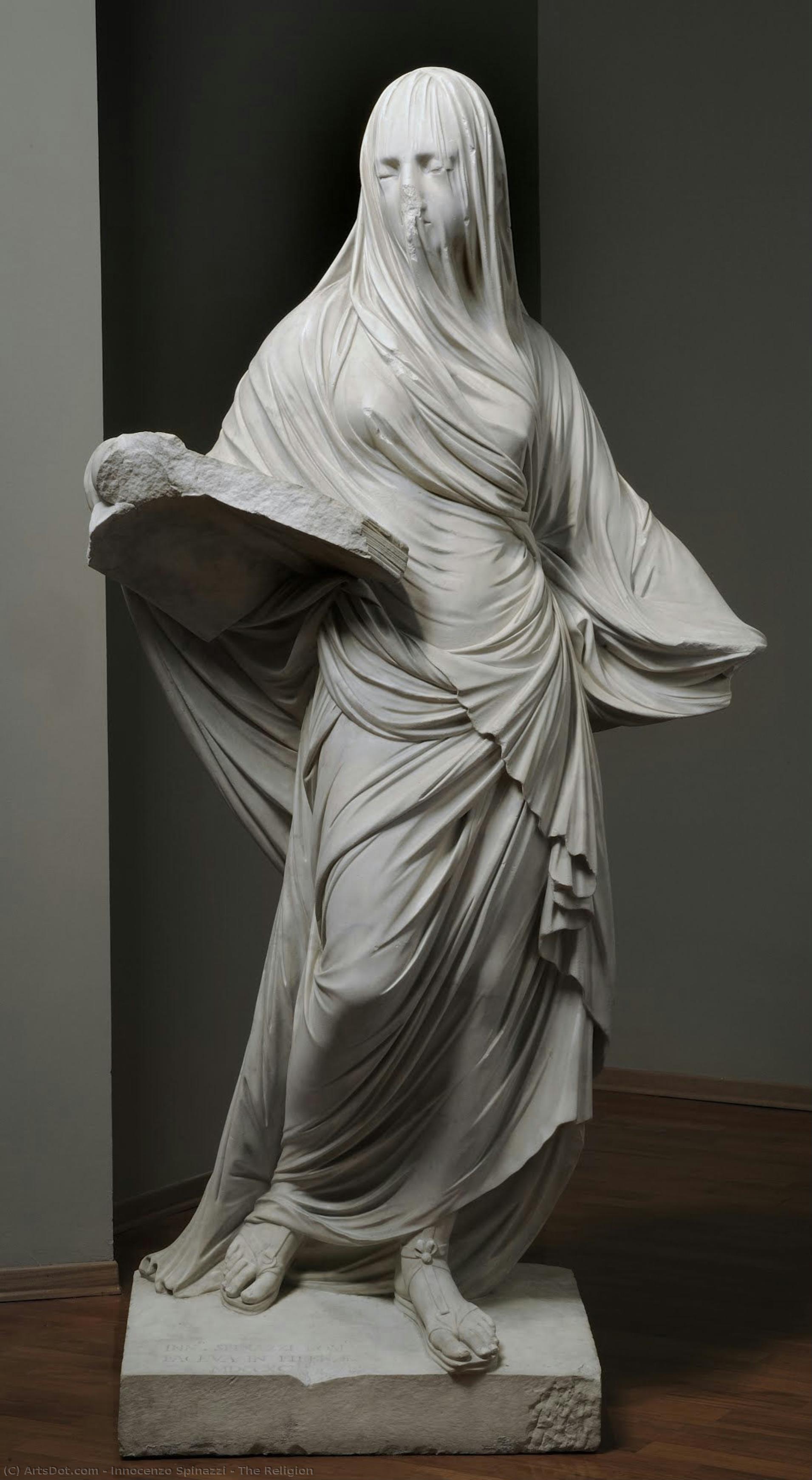
The Religion
 Neoclassicism
 115.0 x 215.0 cm
 Galleria Civica di Arte Moderna e Contemporanea Torino
 詳細を見る
詳細を見る




































作品のオリジナル比率に合わせた、当店の規定サイズからお選びください。

特定のフレームやスペースに合わせて、ご希望のサイズをご入力いただけます。選択されたサイズが元の画像の比率と異なる場合、アートワークをトリミングするか、手描きで要素を追加して絵画を拡張いたします。デジタルモックアップ を制作し、制作開始前にご確認(承認)をいただきます。
画面上のプレビューは、実際のトリミングや拡張を正確に反映しているものではありません。最終的な構図は、モックアップによってのみ正確にご確認いただけます。
カスタムサイズもご利用いただけますが、元の比率を維持するためには、あらかじめ用意されたリストからサイズを選択することをお勧めいたします。
ご注文後、ArtsDot.com チームより詳細な指示をお送りするとともに、仕上がりイメージ(モックアップ)をご提供いたします。


 ガラスオプションは、110cm未満のサイズでのみご利用いただけます。

The Religion
複製技法
複製画のサイズ
-


合計金額
$ 263
作品解説
関連作品
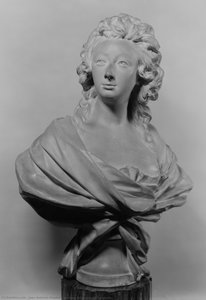
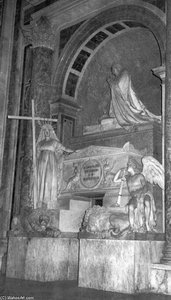
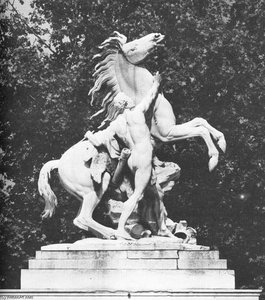
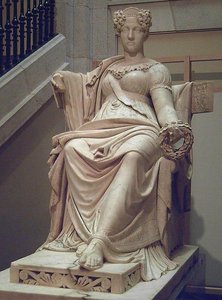
アーティストの略歴
The Master of Marble: The Life and Legacy of Innocenzo Spinazzi
In the luminous era of the Italian Enlightenment, few hands could manipulate the cold rigidity of Carrara marble with as much grace and spiritual depth as Innocenzo Spinazzi. Born in Rome in 1726 to a family of skilled silversmiths, his very lineage whispered of a destiny entwined with fine craftsmanship and meticulous detail. This early exposure to the delicate art of metalwork likely informed the breathtaking precision he would later bring to stone, allowing him to achieve textures so lifelike they seemed to breathe. Trained under the esteemed Giovanni Battista Maini, Spinazzi absorbed the grand traditions of Roman sculpture, yet he possessed a unique vision that would eventually lead him away from the shadows of his predecessors and toward a brilliant, independent light in Florence.
Spinazzi’s ascent began with a profound display of Baroque mastery in Rome. His monumental statue of St. Joseph Calasanctius, completed in 1755 for the nave of St. Peter’s Basilica, served as a definitive declaration of his talent. This work demonstrated not only his technical command over massive sculptural forms but also his ability to infuse heavy marble with a sense of divine movement and spiritual gravity. It was this early success that prepared him for his transformative move to Florence in 1769, a city that would become the stage for his most enduring triumphs.
A Florentine Triumph and the Court of the Lorraine
Upon arriving in Florence, Spinazzi’s career underwent a meteoric expansion. The artistic landscape of the city, under the enlightened patronage of Leopold II, offered him an unparalleled opportunity to merge classical reverence with contemporary elegance. His appointment as the official court sculptor for the Lorraine dynasty in 1770 was more than a professional milestone; it was a cultural mandate. Tasked with revitalizing the city's heritage, Spinazzi undertook the delicate and scholarly work of restoring antique sculptures within the prestigious Medici collections, a feat that required him to be both an artist and an archaeologist.
His ability to capture the essence of the individual was perhaps most evident in his portraiture. His bust of Grand Duke Leopold II stands as a testament to his psychological acuity, capturing a likeness that is simultaneously regal and deeply human. Beyond the court, Spinazzi became a pillar of Florentine civic identity. He was commissioned to create monumental tombs for some of the city's most celebrated figures within the Basilica of Santa Croce, including works for the jurist Giovanni Lami, Angelo Tavanti, and the legendary author Niccolò Machiavelli. Through these monuments, Spinazzi did not merely honor the dead; he sculpted the very history of Florence into the stone of its most sacred spaces.
The Ethereal Veil: Technique and Symbolism
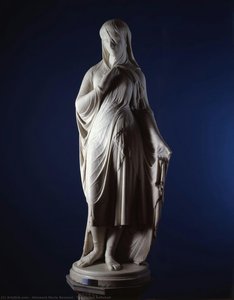
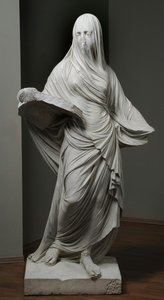
Perhaps the most captivating aspect of Spinazzi’s oeuvre is his mastery of the "veiled" technique, a virtuoso display of skill that evokes a sense of mystery and profound emotion. Drawing inspiration from the precedents set by masters like Antonio Corradini, Spinazzi pushed the boundaries of what marble could represent. His works Faith (1781) and Religion are breathtaking examples of this aesthetic. In these sculptures, the stone ceases to be hard; it becomes soft, translucent, and fluid, mimicking the delicate folds of fine fabric draped over a human form.
This mastery served a higher symbolic purpose. The heavy, flowing drapery in his figures often acted as a metaphor for the hidden mysteries of the divine and the sanctity of the soul. In Religion, created for the tomb of the Russian ambassador's wife, the interplay of light and shadow across the carved folds creates a mournful, sublime charm that aligns perfectly with Winckelmann’s concept of "noble simplicity." As a professor at the Academy of Fine Arts in Florence from 1784, Spinazzi passed this legacy of technical brilliance and emotional depth to a new generation, ensuring that his contribution to the Rococo and Neoclassical transition would endure long after his death in 1798.
Innocenzo Spinazzi
1726 - 1798 , Italy
基本情報
- Artistic Movement Or Style: Rococo
- Artists Or Movements Influenced By This Artist: ['Antonio Corradini']
- Artists Who Influenced This Artist:
- Giovanni Battista Maini
- Gian Lorenzo Bernini
- Date Of Birth: Rome, Italy (1726)
- Date Of Death: Florence, Italy (1798)
- Full Name: Innocenzo Spinazzi
- Nationality: Italian
- Notable Artworks:
- Faith
- The Religion
- Place Of Birth: Rome
関連記事
The Enduring Allure of Marble in Art History: From Classical Sculpture to Modern Abstraction
Explore the captivating history of marble sculpture from ancient Greece to modern art. Discover renowned artists like Canova & Michelangelo, carving techniques, and investment insights at ArtsDot.

Bronze Sculptures That Defined Art History | ArtsDot
Journey through art history with our Top 10 bronze sculptures! Explore masterpieces by Rodin, Michelangelo & more. Discover stories behind iconic statues and find museum-quality reproductions for your home decor at ArtsDot.com.

The Enduring Form: Exploring Themes & Techniques in Sculpture Across Historical Periods
Explore the rich history of sculpture from ancient masterpieces to contemporary innovations. Discover key techniques, influential artists & investment potential for discerning art collectors.

The Enduring Form: Sculpture Across History, Technique & Emotional Resonance
Explore the rich history of sculpture with ArtsDot. Discover key techniques, influential artists & investment potential for discerning collectors. Expert insights into valuing and collecting timeless masterpieces.
Antonio Canova: Neoclassical Sculpture & the Pursuit of Emotional Perfection
Explore the life & art of Antonio Canova, the greatest Neoclassical sculptor. Discover his masterpieces, innovative techniques, and lasting influence on fine art collecting. Expert insights for discerning investors.

