 プレビュー
プレビュー
 プリントを購入
 シェアする
シェアする シェアする
シェアする
 詳細を見る
詳細を見る

 ダウンロード
 似ている作品
 X線調査
X線調査 スライドショー
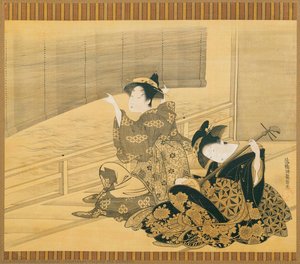
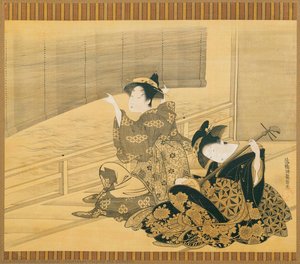
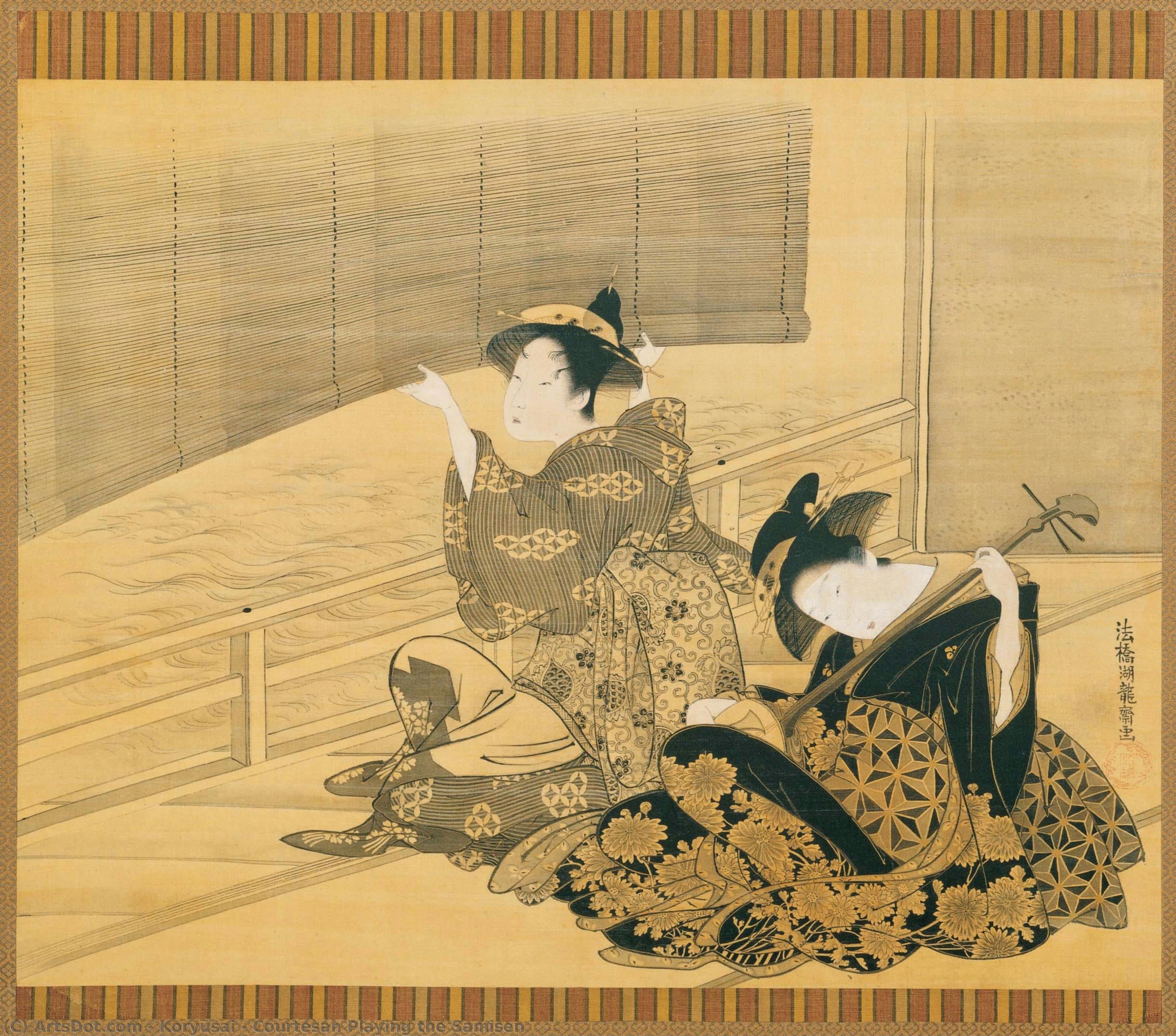
芸妓が三味線弾く」
 キャンバスにアクリル絵具
- ウォールアート
- Japanese Landscape Printmaking
 1785
1785 39.0 x 49.0 cm
 Kimbell Art Museum
 詳細を見る
詳細を見る




P118B $10

P118H $10

P118W $10

P438Z $10

P508JH $12

P508YH $12

P805H $10

P805Z $10

P919BZ $10

P919G $10

P919XJ $10

P959ZH $10

P968JZ $12

W106C $8

W218G $10

W218JH $8

W218Y $10

W307PJ $10

W316G $10

W316PJ $8

W316Y $10

W398PJ $8

W4111J $10

W500HY $15

W500JH $15

W692G $12

W849H $8

W940BG $15

W953PJ $8




作品のオリジナル比率に合わせた、当店の規定サイズからお選びください。

特定のフレームやスペースに合わせて、ご希望のサイズをご入力いただけます。選択されたサイズが元の画像の比率と異なる場合、アートワークをトリミングするか、手描きで要素を追加して絵画を拡張いたします。デジタルモックアップ を制作し、制作開始前にご確認(承認)をいただきます。
画面上のプレビューは、実際のトリミングや拡張を正確に反映しているものではありません。最終的な構図は、モックアップによってのみ正確にご確認いただけます。
カスタムサイズもご利用いただけますが、元の比率を維持するためには、あらかじめ用意されたリストからサイズを選択することをお勧めいたします。
ご注文後、ArtsDot.com チームより詳細な指示をお送りするとともに、仕上がりイメージ(モックアップ)をご提供いたします。


 ガラスオプションは、110cm未満のサイズでのみご利用いただけます。

芸妓が三味線弾く」
複製技法
複製画のサイズ
-


合計金額
$ 288
江戸時代の美を凝縮した傑作:磯田湖龍斎の「 courtesan Playing the Samisen」
江戸時代後期に活躍した画家・版画家、磯田湖龍斎(いそだこりゅうさい)の作品、「 courtesan Playing the Samisen」(芸妓が三味線弾く姿)は、単なる風景画を超えた芸術的価値を持つ傑作として知られています。この絵画は、当時の美術家たちが自然界への深い関心を抱いていた時代を反映しており、繊細な色彩と洗練された構図によって見る者の心に感動を与えます。
- 主題: 江戸時代の都市生活と娯楽文化を象徴する芸妓と彼女の従者の日常的な情景を描いています。特に、芸妓が演奏する三味線は当時の音楽シーンにおいて重要な役割を果たし、芸術家たちはこの楽器を通して美意識を表現しました。
- スタイル: この絵画は、江戸時代の美術様式である浮世絵の特徴を備えています。特に、細密な描写と豊かな色彩表現は、当時の美術家に大きな影響を与え、その後の美術作品に受け継がれていきました。
- 技法: 木版画という伝統的な技術を用いて制作されました。彫師が木地にデザインを彫り込み、インクを重ねて紙に転写するプロセスは、熟練した職人技芸によって実現されています。この技法は、絵画の質感や色彩を豊かに表現することができ、特に繊細な風景描写において優れた効果を発揮します。
- 歴史的背景: 江戸時代後期は、徳川幕府による安定した政治体制のもとで経済が発展し、都市文化が繁栄する時期でした。この時代の美術家たちは、日常生活や風俗習慣を観察し、それを絵画に表現することで当時の社会情勢を反映しました。「 courtesan Playing the Samisen」もその時代精神を体現しており、当時の人々が美と芸術を愛したことを物語っています。
- 象徴性: 絵画全体を通して様々な象徴的な要素が見られます。例えば、芸妓の着物に描かれた菊の花は、夏の終わりと秋の到来を意味し、また、芸妓が演奏する三味線は、当時の音楽文化における重要な楽器であり、芸術家たちが表現した美意識を象徴しています。さらに、背景にある川の流れは、生命力と変化を表しており、絵画全体に深みを与えています。
この絵画は、その美しい色彩と洗練された構図によって見る者に感動を与え、当時の美術家たちの卓越した技術と芸術的センスを証明しています。「 courtesan Playing the Samisen」は、単なる風景画ではなく、江戸時代の美意識と文化を凝縮した芸術作品として、今なお多くの人々から愛され続けています。この絵画の繊細な表現力と豊かな色彩は、インテリアデザイナーや美術愛好家にとってインスピレーションの源泉となるでしょう。
関連作品
アーティストの略歴
The Soul of Edo: The Life and Legacy of Isoda Koryūsai
In the vibrant, bustling heart of the Edo period, a golden age of Japanese creativity, few names resonate with as much elegance and prolific energy as Isoda Koryūsai. Born in 1735 in the burgeoning metropolis of Tokyo—then known as Edo—Koryūsai was a man shaped by the dualities of his era. He descended from the noble Tsuchiya clan, a lineage steeped in samurai tradition. His early years were defined by the rigorous discipline of the warrior class, where he mastered the arts of calligraphy, swordsmanship, and Confucian ethics. However, the sudden death of his father transformed him into a rōnin, a masterless samurai. This shift from the structured life of an aristocrat to the uncertain freedom of a wanderer became the catalyst for his artistic metamorphosis, allowing him to trade the sword for the brush and find his true calling within the floating world of ukiyo-e.
Koryūsai’s emergence as a master designer was not a solitary journey but one deeply intertwined with the evolution of Japanese printmaking. Establishing himself near the iconic Ryōgoku Bridge in 1769, he positioned himself at the epicenter of Edo's entertainment and commercial life. His artistic DNA was profoundly shaped by his apprenticeship under the legendary Suzuki Harunobu. From Harunobu, Koryūsai inherited a refined sensitivity to color and a delicate approach to line, yet he possessed a unique ability to expand upon these foundations. While Harunobu is often celebrated for the invention of nishiki-e (brocade prints), Koryūsai took this technical revolution and applied it to a broader, more diverse range of subjects, blending the ethereal beauty of his mentor's style with a grounded, observational realism.
Mastery of the Floating World
The true brilliance of Koryūsai lies in his ability to capture the ephemeral moments of daily life, elevating the mundane to the level of high art. He became a preeminent master of bijin-ga, or pictures of beautiful women, where he utilized the intricate patterns of kimonos and the subtle grace of posture to tell stories of elegance and longing. His works, such as the evocative Courtesan Playing the Samisen, serve as windows into a lost era, showcasing a profound understanding of musicality and stillness. In these prints, every fold of silk and every tilt of a head is imbued with a sense of quiet drama, inviting the viewer to participate in the serene atmosphere of the Edo pleasure districts.
Beyond the portraits of beauties, Koryūsai’s repertoire was remarkably expansive, touching upon landscapes and seasonal allegories that resonated deeply with the Japanese psyche. He possessed a remarkable talent for integrating nature into his compositions, using symbolic flora to evoke specific emotions or times of year. In works like Autumn Beauty, he masterfully depicts women amidst wind-swept autumn leaves, creating a poetic dialogue between human grace and the transient beauty of the natural world. This ability to weave seasonal symbolism into his designs allowed him to create art that was both visually stunning and emotionally resonant, capturing the very essence of the ukiyo—the floating, fleeting world.
A Lasting Impression on Japanese Art
The historical significance of Isoda Koryūsai extends far beyond the borders of his own lifetime. As a prolific designer, his influence helped stabilize and expand the popularity of woodblock printing during one of Japan's most culturally significant centuries. His work bridged the gap between the delicate, dreamlike qualities of early ukiyo-e and the more robust, detailed styles that would follow in the nineteenth century. By documenting the fashions, social customs, and landscapes of Edo, he provided a visual archive of a civilization at its peak.
Today, Koryūsai’s legacy is preserved through his exquisite prints and paintings that continue to captivate collectors and historians alike. His contributions can be summarized by several key artistic achievements:
- Technical Innovation: The masterful application of multi-colored printing techniques learned from the Harunobu school.
- Genre Versatility: An unparalleled ability to move seamlessly between bijin-ga, seasonal landscapes, and scenes of daily life.
- Cultural Documentation: Providing a detailed visual record of the social hierarchies, fashion, and aesthetics of the Edo period.
- Emotional Depth: The infusion of subtle symbolism and atmospheric tension into seemingly simple compositions.
Through his brush, the transient beauty of the Edo period was rendered permanent, ensuring that the elegance of the rōnin-turned-artist would endure long after the era of the samurai had faded into history.
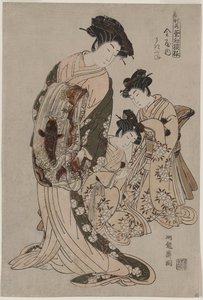
isoda koryūsai 磯田湖龍斎
1735 - 1790 , Japan
基本情報
- Artistic Movement Or Style: Ukiyo-e
- Artists Or Movements Influenced By This Artist: ['Harunobu']
- Artists Who Influenced This Artist: ['Suzuki Harunobu']
- Date Of Birth: Tokyo, Japan (1735)
- Full Name: Isoda Koryūsai
- Nationality: Japanese
- Notable Artworks:
- The Courtesan Sugawara of the Tsuruya and Her Attendant
- Begging for Alms
- Gibbon snatching sake pot from flower-viewing party
- Place Of Birth: Tokyo
関連記事

葛飾北斎:25の傑作が語る浮世絵の世界 - ArtsDot
葛飾北斎の25選:『神奈川沖浪裏』や『富嶽三十六景』など、浮世絵の世界を深く探求。木版画の技法と日本美術の美をArtsDotで。高品質なアートプリントで空間に感動を。コレクションはこちら。
Suzuki Harunobu: Pioneering Ukiyo-e & the Refinement of Edo Period Printmaking
Discover the revolutionary world of Suzuki Harunobu, a pioneer of ukiyo-e printmaking. Explore his exquisite nishiki-e techniques, diverse subjects & lasting impact on Japanese art history. Learn more at ArtsDot.

Floating World: The Captivating Art and Legacy of Japanese Ukiyo-e
Explore the profound beauty of Japanese Ukiyo-e. Discover the history, masters like Hokusai, and the enduring legacy of the 'Floating World' through an expert art-historical lens.

Ukiyo-e: Exploring Japan's Floating World & Enduring Artistic Legacy
Explore the captivating world of Ukiyo-e – Japan's iconic woodblock prints! Discover masters like Hokusai & Hiroshige, learn about Edo period culture, and find expert art collecting guidance at ArtsDot.
Serenity on Canvas: A Guide to the Timeless Beauty of Japanese Landscape Painting
Discover the serene beauty of Japanese landscape painting. From Hokusai's iconic woodblock prints to meditative sumi-e ink washes, explore a visual journey through the 'floating world' and learn how to bring this timeless Zen aesthetic into your modern home decor.