

 プレビュー
プレビュー
 プリントを購入
 シェアする
シェアする シェアする
シェアする
 詳細を見る
詳細を見る

 ダウンロード
 似ている作品
 X線調査
X線調査 スライドショー
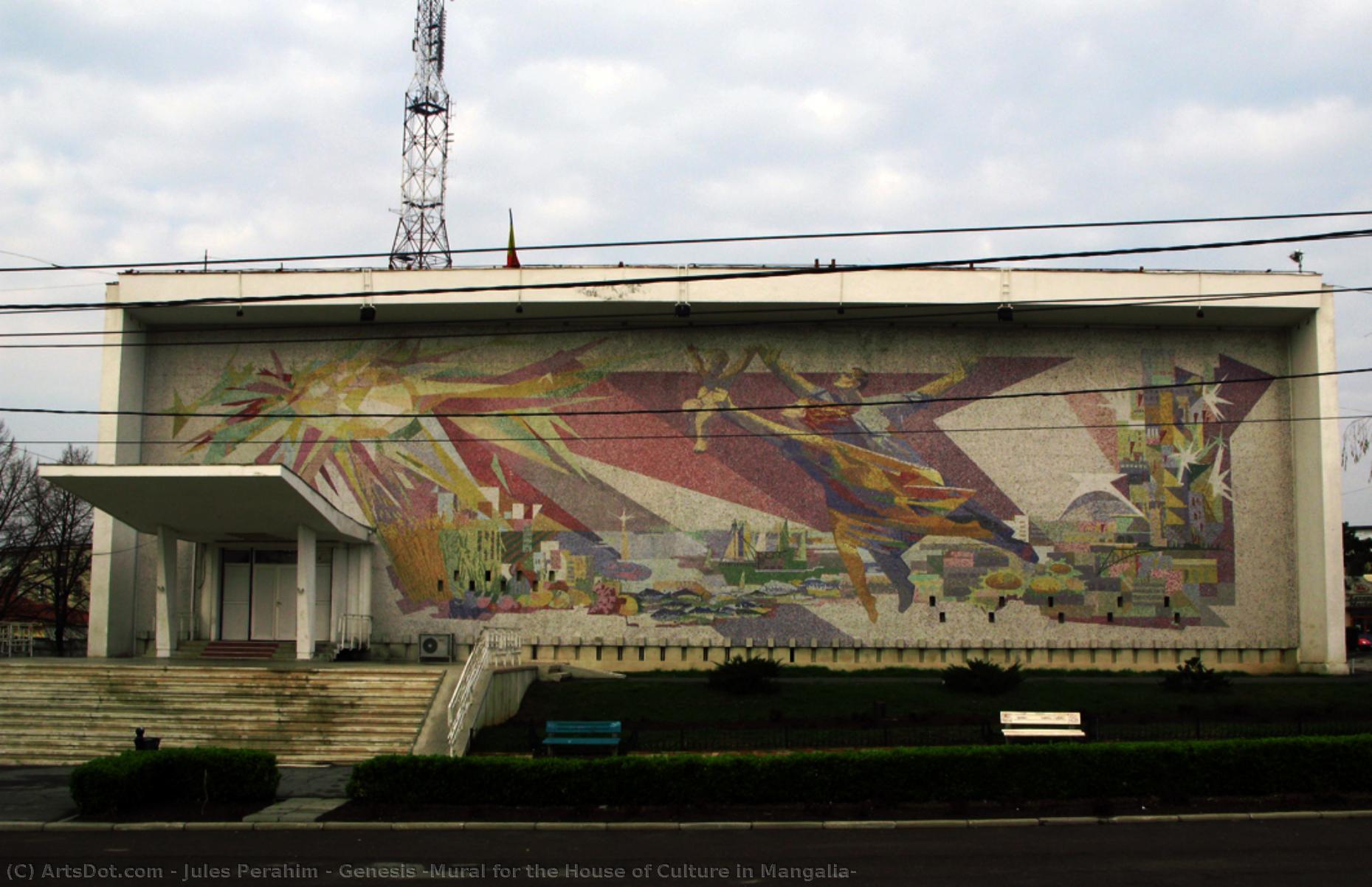
Genesis (Mural for the House of Culture in Mangalia)


 詳細を見る
詳細を見る




































作品のオリジナル比率に合わせた、当店の規定サイズからお選びください。

特定のフレームやスペースに合わせて、ご希望のサイズをご入力いただけます。選択されたサイズが元の画像の比率と異なる場合、アートワークをトリミングするか、手描きで要素を追加して絵画を拡張いたします。デジタルモックアップ を制作し、制作開始前にご確認(承認)をいただきます。
画面上のプレビューは、実際のトリミングや拡張を正確に反映しているものではありません。最終的な構図は、モックアップによってのみ正確にご確認いただけます。
カスタムサイズもご利用いただけますが、元の比率を維持するためには、あらかじめ用意されたリストからサイズを選択することをお勧めいたします。
ご注文後、ArtsDot.com チームより詳細な指示をお送りするとともに、仕上がりイメージ(モックアップ)をご提供いたします。


 ガラスオプションは、110cm未満のサイズでのみご利用いただけます。

Genesis (Mural for the House of Culture in Mangalia)
複製技法
複製画のサイズ
-


合計金額
$ 263
関連作品
アーティストの略歴
Jules Perahim: A Romanian Surrealist Bridging East and West
Born Iuliș Blumenfeld in Bucharest, Romania, in 1914, Jules Perahim’s life was a testament to artistic resilience and a fascinating journey through shifting political landscapes. His career spanned nearly eight decades, marked by a unique synthesis of Surrealism, Socialist Realism, and deeply personal symbolism. From the vibrant avant-garde circles of interwar Romania to the relative freedom of post-war Paris, Perahim’s work reflects both the turbulent times he navigated and his enduring commitment to artistic expression.
Perahim's early years were steeped in the burgeoning Romanian Surrealist movement. Influenced by European avant-garde trends – particularly Dadaism and the early explorations of André Breton – he quickly established himself as a key figure, collaborating with magazines like One and Alge in the 1930s. These publications served as crucial platforms for his distinctive style: dreamlike imagery populated by fantastical creatures, often imbued with social commentary. His work during this period demonstrated a bold rejection of conventional artistic norms, embracing illogical juxtapositions and unsettling narratives.
The Second World War dramatically altered Perahim’s trajectory. Fearing persecution due to his left-wing leanings, he fled Romania in 1940, seeking refuge first in the Soviet Union and then in Armenia. This period of displacement profoundly impacted his artistic vision, forcing him to work as a decorator for a military hospital theatre – a stark contrast to the intellectual pursuits of his earlier career. Despite these challenging circumstances, Perahim continued to create, adapting his style while retaining his core thematic concerns.
Following the war, Perahim returned to Bucharest and found himself teaching scenography and graphic arts equipment at the Institute of Fine Arts. He skillfully navigated the constraints of a communist regime, utilizing book illustrations and theatrical set designs – mediums less susceptible to censorship – as avenues for his artistic expression. This period saw a shift towards more socially engaged themes, reflecting the realities of life under Soviet influence. However, he never abandoned his surrealist roots, subtly weaving elements of dreamlike fantasy into his work.
In 1969, Perahim immigrated to France, seeking greater artistic freedom and establishing himself as a significant figure in the Parisian art scene. It was during this time that he largely returned to the style that had defined his early career – vibrant, dreamlike paintings populated by fantastical creatures and imbued with a potent symbolic language. He enjoyed considerable success throughout Europe, mounting forty solo exhibitions that showcased the breadth of his artistic vision. His work became increasingly recognized for its evocative power and unique blend of Surrealism and Socialist Realist influences.
Key Artistic Characteristics & Techniques
Perahim’s distinctive style is characterized by a rich color palette, often dominated by deep greens, blues, and reds – colors that evoke both the natural world and the emotional intensity of his subject matter. He frequently employed meticulous detail in rendering fantastical creatures and symbolic objects, creating a sense of both wonder and unease. His compositions are typically dynamic and layered, utilizing techniques borrowed from both Surrealism and Socialist Realism to create complex narratives.
A key element of Perahim’s work is his use of symbolism. He drew inspiration from folklore, mythology, and religious imagery, transforming these sources into potent visual metaphors. Recurring motifs include birds (representing freedom and aspiration), flowers (symbolizing beauty and fragility), and geometric shapes (suggesting order and chaos). His meticulous attention to detail and the layering of meaning within his paintings invite viewers to engage in a process of interpretation.
Notable Works & Achievements
Among Perahim’s most celebrated works is “Genesis” (1962), a monumental mural commissioned for the House of Culture in Mangalia, Romania. This vibrant and historically-themed painting exemplifies his mastery of scale and color, as well as his ability to synthesize complex narratives within a single image. The mural's depiction of creation resonates with biblical themes while simultaneously reflecting Perahim’s own personal vision.
Beyond “Genesis,” Perahim produced a significant body of work encompassing paintings, engravings, and illustrations. His book illustrations for Romanian authors are particularly noteworthy, demonstrating his versatility as an artist and his ability to capture the essence of literary narratives through visual imagery. His engravings, notably "Proverbs," showcase his technical skill and his engagement with social commentary.
Legacy & Historical Significance
Jules Perahim’s career offers a compelling case study in artistic adaptation and resilience. Born into a turbulent political environment, he navigated shifting ideologies and challenging circumstances while maintaining an unwavering commitment to his creative vision. His work bridges the gap between Surrealism and Socialist Realism, reflecting the complexities of 20th-century European art history.
Perahim’s influence extends beyond Romania, where he is remembered as a pioneering figure in the Romanian avant-garde. His paintings continue to be exhibited internationally, attracting attention for their evocative power and unique blend of symbolism and technique. He remains an important voice in the history of Surrealism, demonstrating the enduring relevance of this artistic movement.
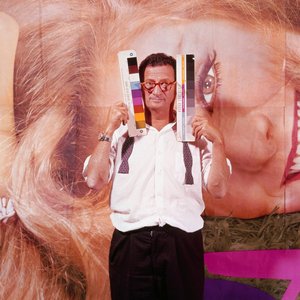
iuliș blumenfeld
1914 - 2008 , Romania
基本情報
- Artistic Movement Or Style: Surrealism, Socialist Realism
- Artists Or Movements Influenced By This Artist:
- John Heartfield
- Surrealist movement
- Artists Who Influenced This Artist:
- Marcel Janco
- Nicolae Vermont
- Date Of Birth: May 24, 1914
- Date Of Death: March 2, 2008
- Full Name: Iuliș Blumenfeld (Jules Perahim)
- Nationality: Romanian, French, Jewish
- Notable Artworks:
- Genesis (Mural)
- Various paintings
- Place Of Birth: Bucharest, Romania
関連記事

Elevating Interiors: How Murals are Redefining Kitchens and Bathrooms
Transform your kitchen & bathroom with stunning murals! Explore design trends, durable materials & expert advice. Elevate your interiors with 's bespoke mural solutions.
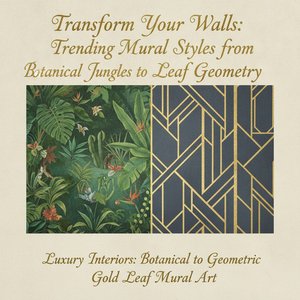
現代ホテルの壁を彩るムラルの潮流:ジャングル風景から金箔幾何学模様まで、空間デザインの最新トレンド
現代ホテルの壁を彩るムラルの最新トレンドを徹底解説。ジャングル風景から金箔幾何学模様まで、空間デザインのプロが選ぶアートコンサルティング情報や事例をご紹介。ArtsDotで理想のホテル空間を実現。
ホテル空間の基盤:壁画デザインが演出するテーマ性と印象形成 – 内装における総合的研究
ホテル空間の基盤となる壁画デザインについて、歴史的背景から現代事例、顧客体験への影響までを網羅的に解説。テーマ設定や色彩計画など、成功のための戦略と技術革新をご紹介します。
ブランドアイデンティティを創造する:カスタム壁画が顧客体験を向上させる視覚的戦略
ホテルデザインの壁画活用戦略を徹底解説。ブランドアイデンティティ向上、顧客体験価値の最大化を実現します。プロのアートコンサルティングで最適な壁画制作をサポート。事例や価格もご紹介。
玄関空間の変容:アートミューラルが創造する印象とブランドアイデンティティ
ホテルデザインにおけるアートミューラルの活用事例と成功戦略を解説。ブランドアイデンティティの向上、記憶に残る空間演出を実現するためのノウハウを提供します。アーティスト選定から制作プロセスまで、専門家が徹底サポート。

