

 プレビュー
プレビュー
 プリントを購入
 シェアする
シェアする シェアする
シェアする
 詳細を見る
詳細を見る

 ダウンロード
 似ている作品
 X線調査
X線調査 スライドショー
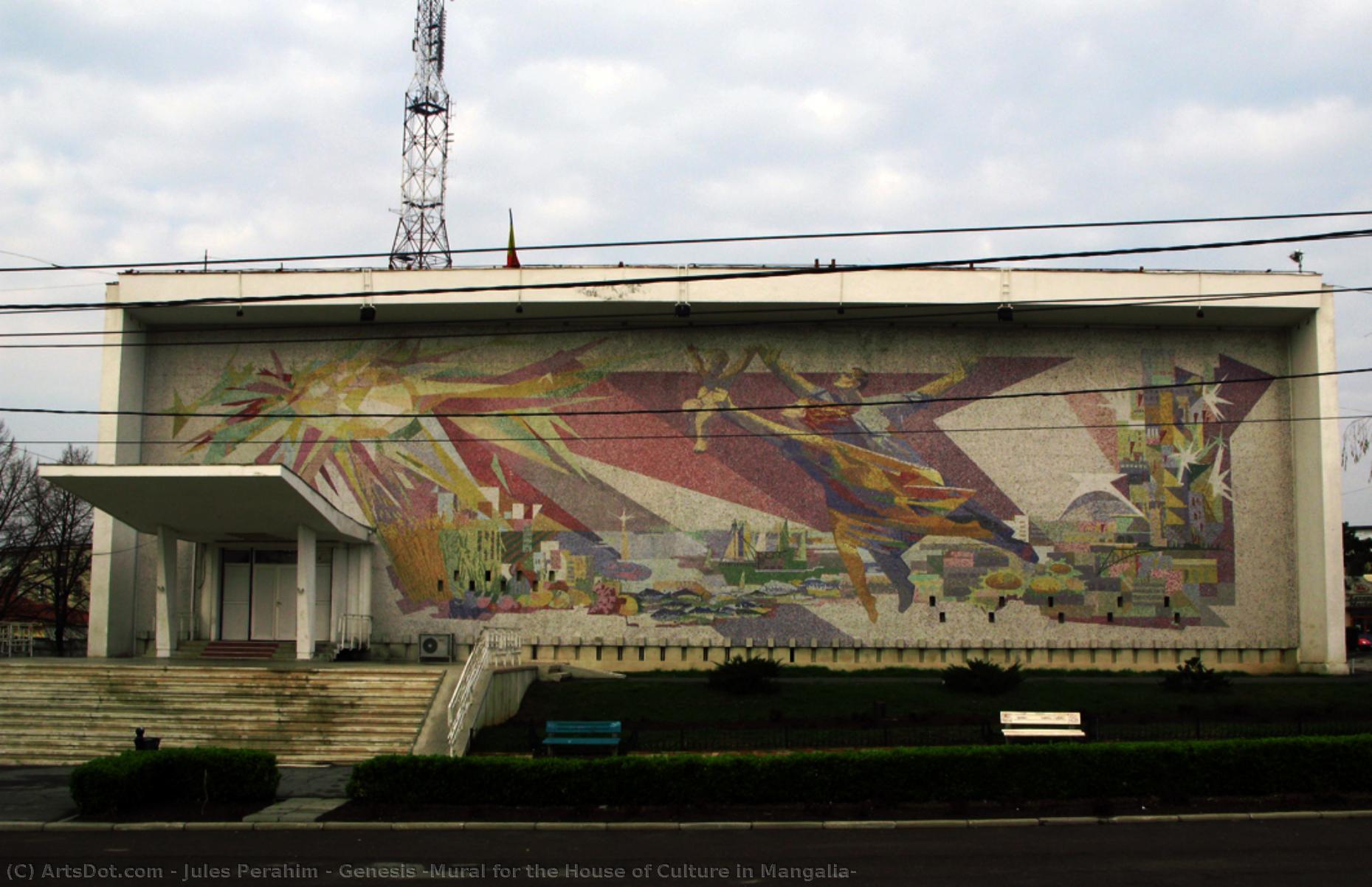
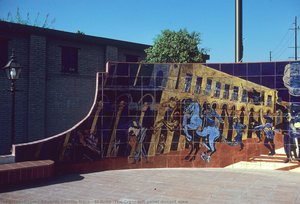
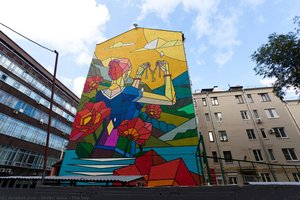
Genesis (Mural for the House of Culture in Mangalia)


 詳細を見る
詳細を見る
オンラインプレビューをはるかに凌ぐ、高解像度で鮮明なデジタル画像をご購入いただけます。
各ファイルは、社内の専門家が高度なツールと熟練した手作業によるレタッチを用いて、細心の注意を払って準備されています。すべての画像において、卓越した鮮明度、正確な色彩再現性、そして繊細なディテールを保証いたします。
最終ファイルは、プロフェッショナルな編集・印刷環境ですぐにご利用いただけるよう最適化された状態で、72時間以内にメールにてお届けいたします。これは、一流のデザインスタジオ、出版社、ギャラリーから信頼されているものと同等の品質です。
デジタル画像のご注文に付随する特典
高品質なデジタル画像配信を、確かな品質で。
ArtsDot.com を選ぶことは、単に画像を手に入れることではありません。それは、プロの手によって精密に仕上げられ、満足保証が付いた高品質なデジタルアートワークを受け取ることを意味します。ご注文いただいた際に自動的に付随する内容は、以下の通りです:

メールですぐにお届け
ご注文から72時間以内に、高解像度のデジタル画像ファイルがメールでお手元に届きます。すぐにそのままご利用いただけます。

AI技術で最適化されたデジタルファイル
お客様の作品は、高度なAIツールと専門家による手作業の編集を組み合わせてプロフェッショナルに最適化されており、細部のディテール、鮮明さ、そして正確な色再現性を最大限に引き出しています。

一生涯無料の再送サービス
ファイルを誤って削除したり、紛失してしまったりしましたか?ご安心ください。いつでも無料で再送いたします。

輸入手数料は一切かかりません
関税や手数料、配送料を気にすることなく、お気に入りのアートワークをすぐにお楽しみいただけます。デジタルダウンロードは常に免税です。

色彩再現の保証
プロ仕様のツールとカラーマネジメント技術を用いることで、デジタル画像が元の色を最大限に忠実に再現することを保証いたします。

60日間満足保証
ご購入いただいたデジタル画像にご満足いただけない場合は、60日以内であれば、修正または100%の返金(理由を問う必要はありません)をさせていただきます。

100% 返金保証
ご満足いただけない場合は、デジタルファイルを受け取ってから60日以内であれば、理由を問わず全額返金いたします。

まとめ買い割引
3枚購入で10%OFF - 5枚購入で15%OFF - 10枚以上購入で20%OFF。クリエイティブなプロジェクト、ギャラリー、エージェンシーに最適です。
関連作品
作家の略歴
Jules Perahim: A Romanian Surrealist Bridging East and West
Born Iuliș Blumenfeld in Bucharest, Romania, in 1914, Jules Perahim’s life was a testament to artistic resilience and a fascinating journey through shifting political landscapes. His career spanned nearly eight decades, marked by a unique synthesis of Surrealism, Socialist Realism, and deeply personal symbolism. From the vibrant avant-garde circles of interwar Romania to the relative freedom of post-war Paris, Perahim’s work reflects both the turbulent times he navigated and his enduring commitment to artistic expression.
Perahim's early years were steeped in the burgeoning Romanian Surrealist movement. Influenced by European avant-garde trends – particularly Dadaism and the early explorations of André Breton – he quickly established himself as a key figure, collaborating with magazines like One and Alge in the 1930s. These publications served as crucial platforms for his distinctive style: dreamlike imagery populated by fantastical creatures, often imbued with social commentary. His work during this period demonstrated a bold rejection of conventional artistic norms, embracing illogical juxtapositions and unsettling narratives.
The Second World War dramatically altered Perahim’s trajectory. Fearing persecution due to his left-wing leanings, he fled Romania in 1940, seeking refuge first in the Soviet Union and then in Armenia. This period of displacement profoundly impacted his artistic vision, forcing him to work as a decorator for a military hospital theatre – a stark contrast to the intellectual pursuits of his earlier career. Despite these challenging circumstances, Perahim continued to create, adapting his style while retaining his core thematic concerns.
Following the war, Perahim returned to Bucharest and found himself teaching scenography and graphic arts equipment at the Institute of Fine Arts. He skillfully navigated the constraints of a communist regime, utilizing book illustrations and theatrical set designs – mediums less susceptible to censorship – as avenues for his artistic expression. This period saw a shift towards more socially engaged themes, reflecting the realities of life under Soviet influence. However, he never abandoned his surrealist roots, subtly weaving elements of dreamlike fantasy into his work.
In 1969, Perahim immigrated to France, seeking greater artistic freedom and establishing himself as a significant figure in the Parisian art scene. It was during this time that he largely returned to the style that had defined his early career – vibrant, dreamlike paintings populated by fantastical creatures and imbued with a potent symbolic language. He enjoyed considerable success throughout Europe, mounting forty solo exhibitions that showcased the breadth of his artistic vision. His work became increasingly recognized for its evocative power and unique blend of Surrealism and Socialist Realist influences.
Key Artistic Characteristics & Techniques
Perahim’s distinctive style is characterized by a rich color palette, often dominated by deep greens, blues, and reds – colors that evoke both the natural world and the emotional intensity of his subject matter. He frequently employed meticulous detail in rendering fantastical creatures and symbolic objects, creating a sense of both wonder and unease. His compositions are typically dynamic and layered, utilizing techniques borrowed from both Surrealism and Socialist Realism to create complex narratives.
A key element of Perahim’s work is his use of symbolism. He drew inspiration from folklore, mythology, and religious imagery, transforming these sources into potent visual metaphors. Recurring motifs include birds (representing freedom and aspiration), flowers (symbolizing beauty and fragility), and geometric shapes (suggesting order and chaos). His meticulous attention to detail and the layering of meaning within his paintings invite viewers to engage in a process of interpretation.
Notable Works & Achievements
Among Perahim’s most celebrated works is “Genesis” (1962), a monumental mural commissioned for the House of Culture in Mangalia, Romania. This vibrant and historically-themed painting exemplifies his mastery of scale and color, as well as his ability to synthesize complex narratives within a single image. The mural's depiction of creation resonates with biblical themes while simultaneously reflecting Perahim’s own personal vision.
Beyond “Genesis,” Perahim produced a significant body of work encompassing paintings, engravings, and illustrations. His book illustrations for Romanian authors are particularly noteworthy, demonstrating his versatility as an artist and his ability to capture the essence of literary narratives through visual imagery. His engravings, notably "Proverbs," showcase his technical skill and his engagement with social commentary.
Legacy & Historical Significance
Jules Perahim’s career offers a compelling case study in artistic adaptation and resilience. Born into a turbulent political environment, he navigated shifting ideologies and challenging circumstances while maintaining an unwavering commitment to his creative vision. His work bridges the gap between Surrealism and Socialist Realism, reflecting the complexities of 20th-century European art history.
Perahim’s influence extends beyond Romania, where he is remembered as a pioneering figure in the Romanian avant-garde. His paintings continue to be exhibited internationally, attracting attention for their evocative power and unique blend of symbolism and technique. He remains an important voice in the history of Surrealism, demonstrating the enduring relevance of this artistic movement.
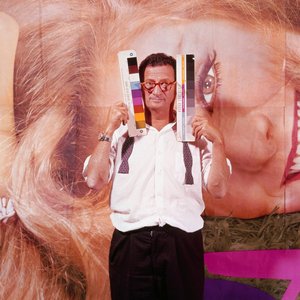
iuliș blumenfeld
1914 - 2008 , Romania
プロフィール概要
- Artistic Movement Or Style: Surrealism, Socialist Realism
- Artists Or Movements Influenced By This Artist:
- John Heartfield
- Surrealist movement
- Artists Who Influenced This Artist:
- Marcel Janco
- Nicolae Vermont
- Date Of Birth: May 24, 1914
- Date Of Death: March 2, 2008
- Full Name: Iuliș Blumenfeld (Jules Perahim)
- Nationality: Romanian, French, Jewish
- Notable Artworks:
- Genesis (Mural)
- Various paintings
- Place Of Birth: Bucharest, Romania

